
Annual Report
Fall 2026
From a historic $1 billion commitment to the opening of Knight Campus Building 2, we had plenty to celebrate in 2025–2026 as we marked 10 years of Science Advancing Society. With record fundraising, our largest-ever slate of graduates and a growing roster of startups, there is no finish line in sight.
A Letter From Robert Guldberg
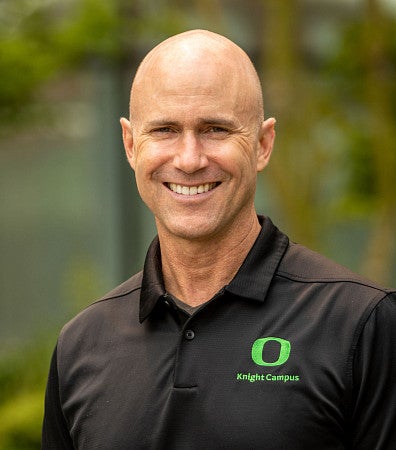
Dear Friends and Colleagues,
This fall we celebrated the biggest news since our founding 10 years ago — a $1 billion commitment by Penny and Phil Knight to establish the Knight College of Engineering, the largest gift ever made to a comprehensive public university. I am humbled and deeply grateful for the Knights' continued belief in what we are accomplishing, thankful for our friends and advocates who have stood with us along the way, and indebted to our Knight Campus community whose work made this moment possible.
This gift reflects the energy, enthusiasm and achievements of the people whose work made this moment possible. I’m especially grateful to Callie Johnston, our Chief Development Officer, for leading us to a record year in fundraising beyond the new commitment from the Knights.
This fall, we celebrate two milestones that share the same date. On October 16, 1876, UO welcomed its first students. Exactly 140 years later, Phil and Penny Knight announced the $500 million lead gift that founded the Knight Campus. We’re also marking five years of the Wu Tsai Human Performance Alliance at Oregon, which has put Oregon on the global map for sport and human performance research.
Our physical growth has been just as stunning. In March, Building 2 welcomed its first occupants, doubling our capacity for research and innovation and truly putting the "Campus" in Knight Campus. When both buildings are full, about 750 people will call this place home, with faculty and students from six continents.
From the beginning, the Knight Campus was meant to lift the entire university and the state of Oregon. To date more than $90 million in Knight-funded support has benefited facilities, equipment, programs, and people outside our campus. And our partnerships with SOJC, Human Physiology, Oregon Athletics, the Lundquist College of Business, and numerous other advanced research facilities — not to mention partnerships with OSU, OHSU and more than 200 industry collaborators — are creating opportunities none of us could build alone. The projected cumulative impact of the Knight Campus on the state of Oregon through FY2040 is a whopping $3.3 billion.
As always, our students set the pace. In June, we honored 145 graduates across our academic programs, and half of our first-year PhD students earned NSF Graduate Research Fellowships, more than three times the national average. And, even in these uncertain economic times, the Knight Campus Graduate Internship Program continues to place more than 90 percent of its graduates.
Innovation remains at the heart of the Knight Campus. More than a dozen student- and faculty-led startups have grown with our support. One of them, Penderia, has already outgrown our incubator — which is exactly what it was built to do. With Building 2, we’ve now expanded the Papé Family Innovation Center into a second space, and the first tenant moved into Building 2 in September.
Phil Knight has said, and I've quoted him often, "There is no finish line." With the Knight College of Engineering ahead of us, the next decade of the Knight Campus is just getting started, and I can't wait to see what this community achieves next.
Thank you for your dedication, your partnership, and your belief in what we are building together. I feel privileged and grateful to be on this journey with you.
Robert E. Guldberg, PhD
Robert and Leona DeArmond Executive Director,
Phil and Penny Knight Campus for Accelerating Scientific Impact;
Director, Wu Tsai Human Performance Alliance at Oregon;
Professor, Department of Bioengineering;
Vice President, University of Oregon
Leadership Team
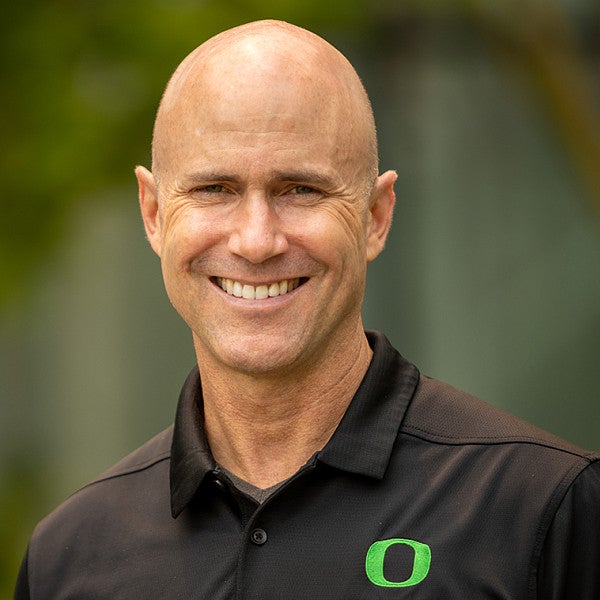
Robert E. Guldberg
Vice President and Robert and Leona DeArmond Executive Director
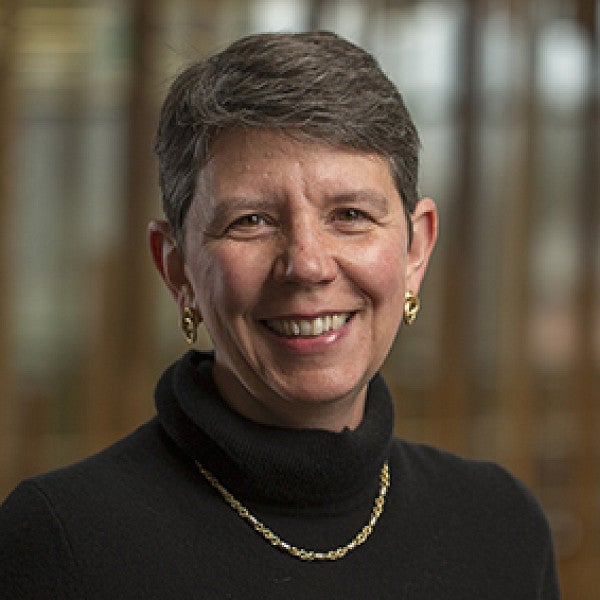
Moira Kiltie
Senior Associate Vice President and Chief of Staff; Acting Manager, Papé Family Innovation Center
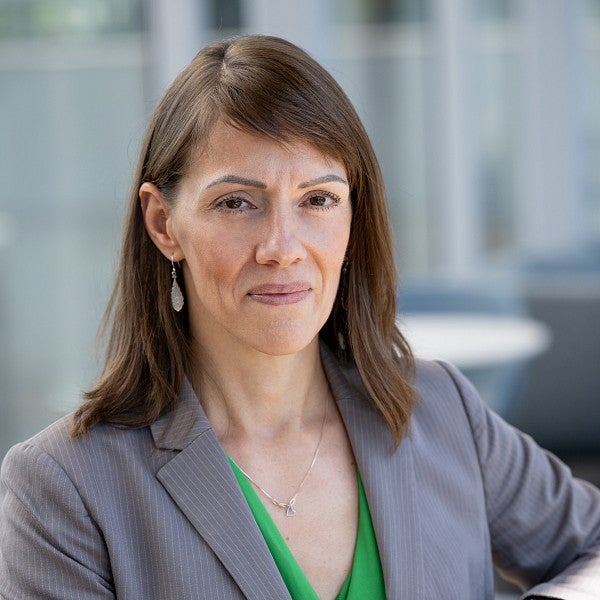
Danielle Benoit
Lorry Lokey Chair, Professor and Chair of the Department of Bioengineering
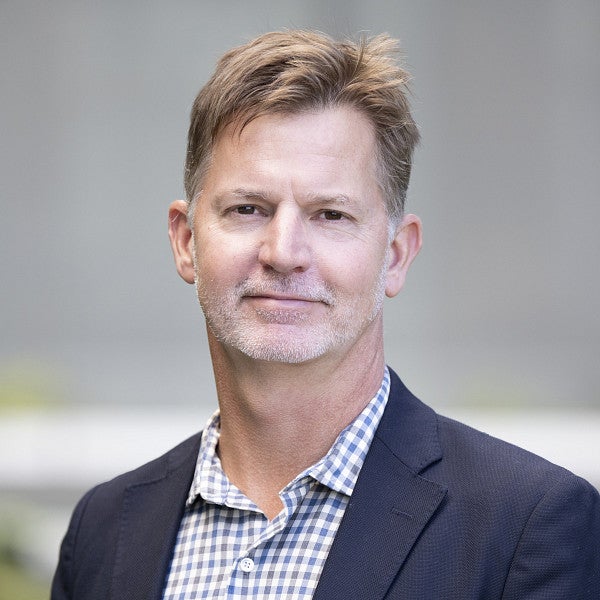
Bill Cresko
Lorry Lokey Chair; Professor of Bioengineering; Director, Center for Biomedical Data Science
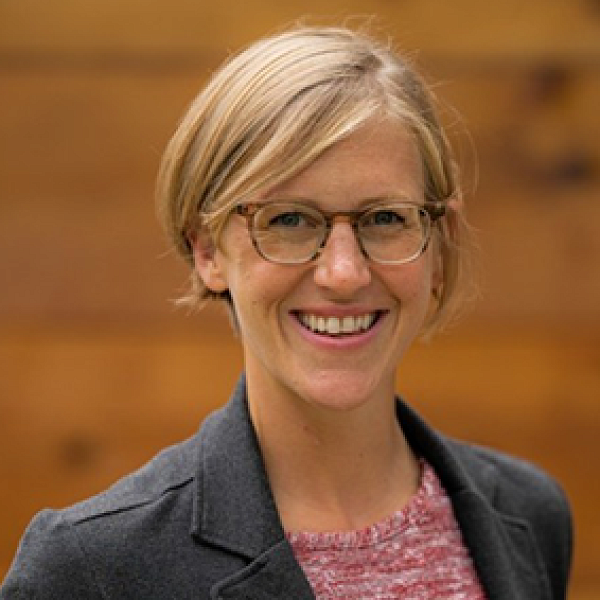
Callie Johnston
Assistant Vice President for Development and Chief Development Officer
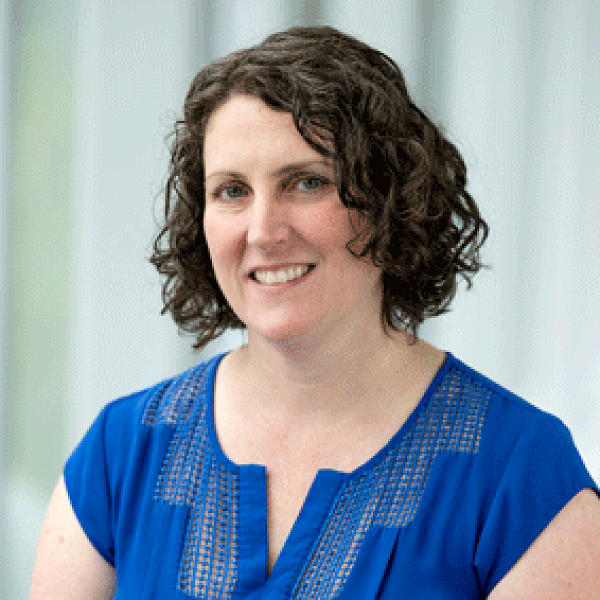
Stacey Wagner
Assistant Vice President for Master's Programs
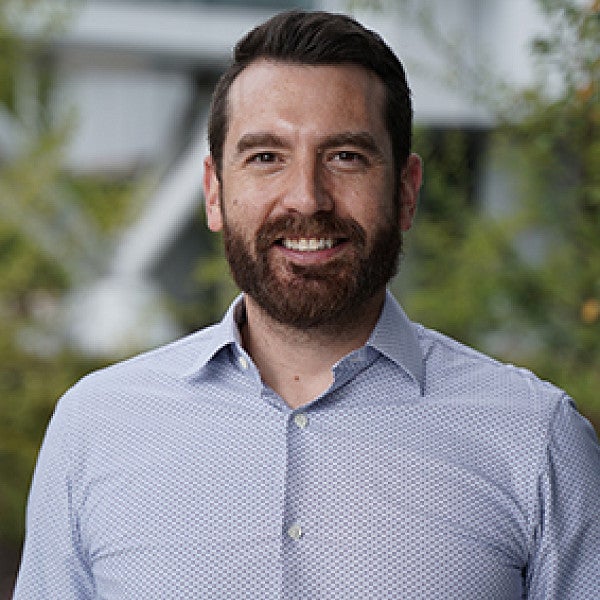
Nathan Jacobs
Senior Director of Academic and Impact Programming
Lewis Taylor
Director of Communications
Milestones
Milestones
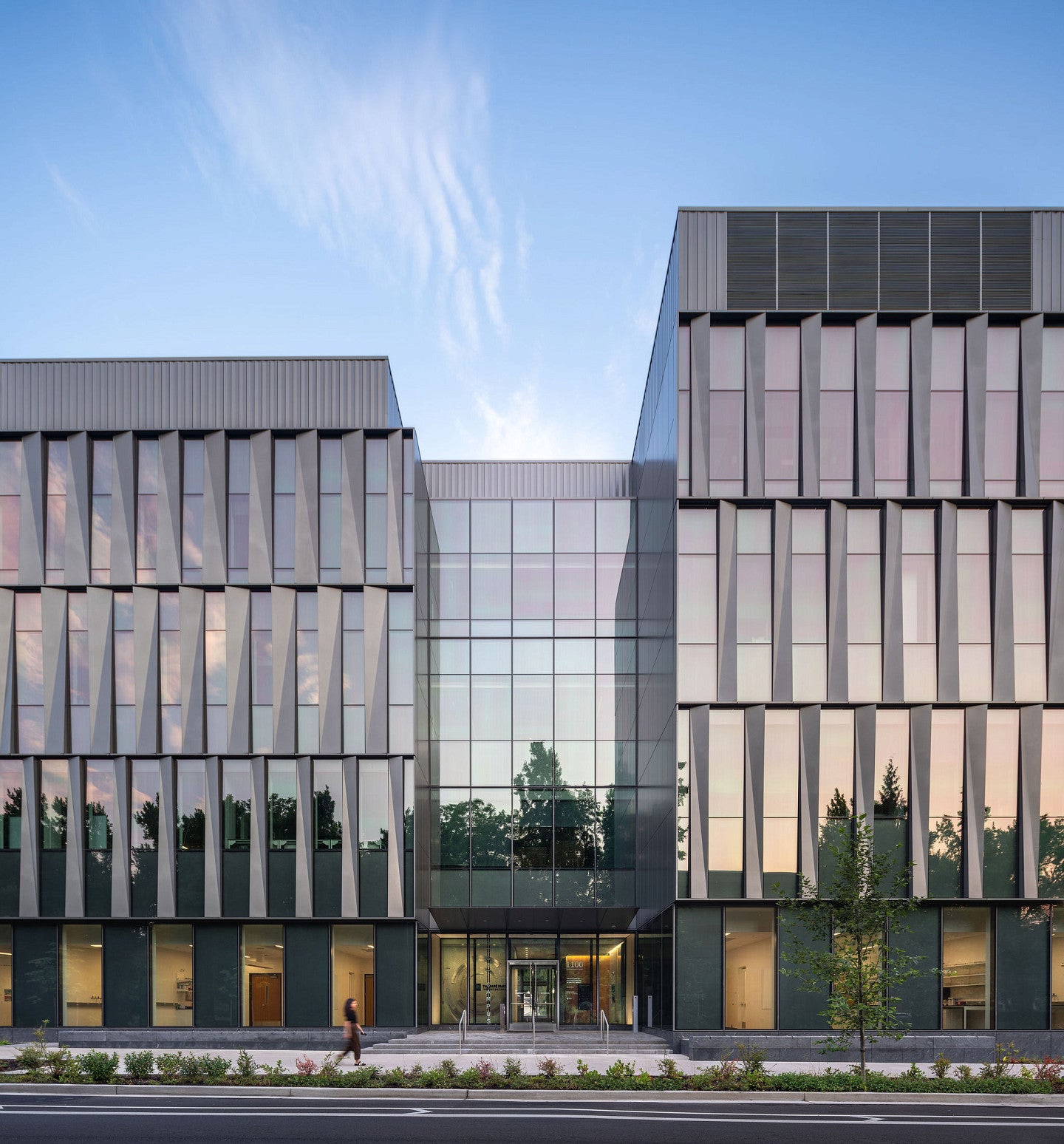
Knight Campus Building 2 Opens
Knight Campus Building 2 opened to the public on Monday, March 30, 2026. Building 2 is part of the second phase of Knight Campus development, a 185,000-square-foot, multi-story bioengineering and applied science research facility.
Designed by Portland-based ZGF Architects, it doubles the campus’ capacity for research and development of new biomedical technologies with additional room for expanding academic programs, spin spaces to incubate new startup companies and a state-of-the-art new BioFoundry core facility. It includes the second of two Papé Family Innovation Center facilities, offering individual modules that companies can lease, and providing flexibility for different kinds of startup companies.
The opening of Knight Campus Building 2 drew attention from several local media outlets spanning print, digital, radio, and television. Stories featured Knight Campus staff, students and faculty and highlighted the building's role as a hub for biomedical innovation, startup formation, and interdisciplinary science.
Read More
Milestones
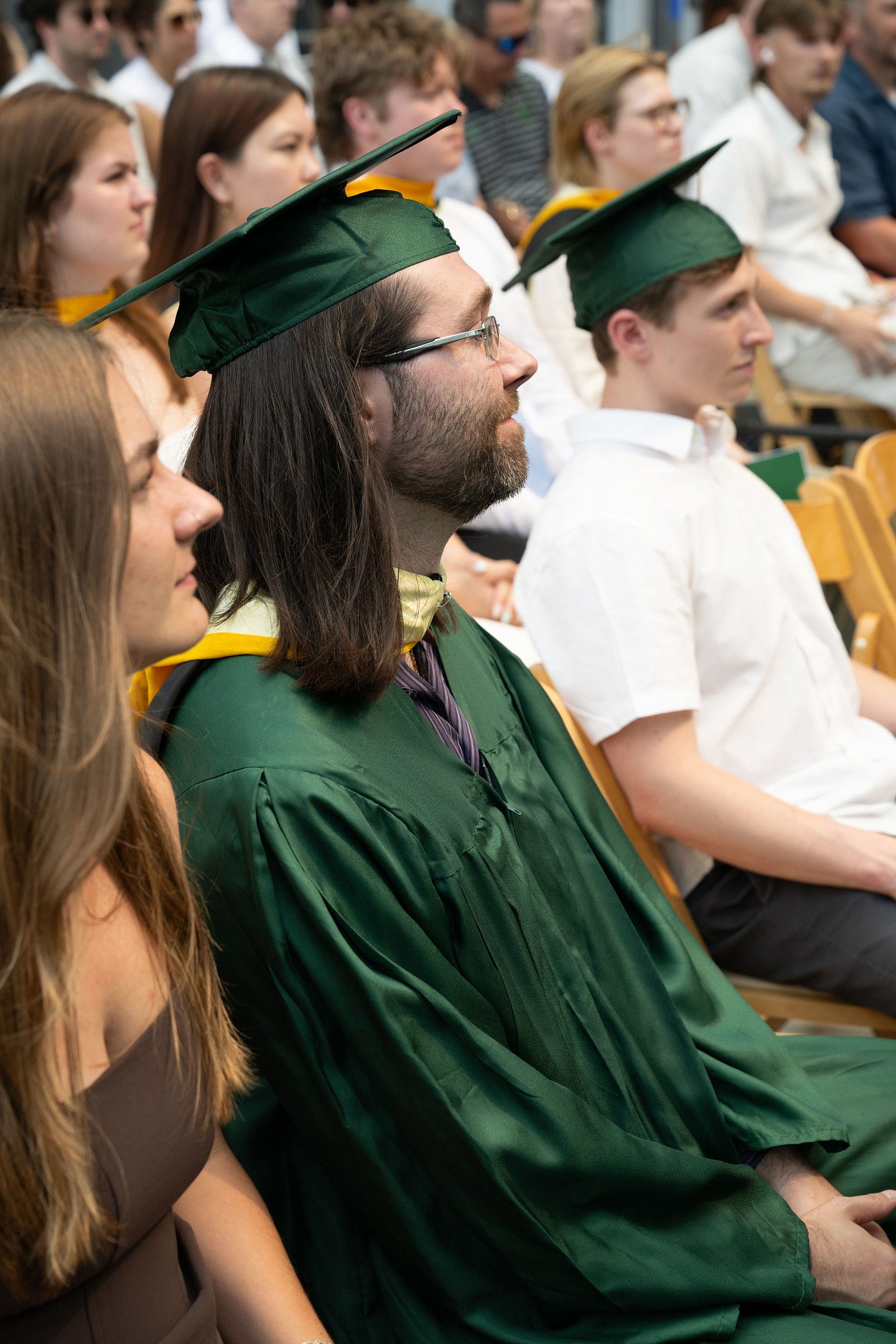
Knight Campus Celebrates 145 Graduates at Second Annual Commencement
On June 15, 2026, the Phil and Penny Knight Campus for Accelerating Scientific Impact hosted its second annual commencement ceremony, honoring 145 graduates across academic programs. Additionally, the Knight Campus celebrated six graduates from the Brewing Innovation minor program, 16 graduates from the Bioengineering minor and 18 graduates who participated in the Knight Campus Undergraduate Scholars program.
“This cohort of graduates is unique” says Stacey Wagner, Assistant Vice President for Master's Programs. “They share many experiences, both rewarding and challenging. We're immensely proud of them because of how hard they have worked, how much growth they've demonstrated as scientists, and how they have matured as colleagues.”
The celebration began with the Department of Bioengineering ceremony, recognizing five doctoral candidates and one master's student, followed by three successive ceremonies for Knight Campus Graduate Internship Program (KCGIP) tracks — Polymer Science & Molecular Sensors and Biotechnology, Optical Materials & Devices and Semiconductors, and Bioinformatics & Genomics. Graduates from each program were joined by families, friends, and supporters who gathered across campus to share in the milestone.
Read More
Milestones
10th Science Knight Out Highlights ‘A Decade of Building Oregon's Future’
From the birthplace of Nike to pioneering zebrafish research, the University of Oregon has a long history of turning bold ideas into world-changing impact. The Phil and Penny Knight Campus for Accelerating Scientific Impact represents the next chapter in that tradition — closing the gap between scientific discovery and the patients, communities, and industries that need it. Same Oregon spirit. Only faster.
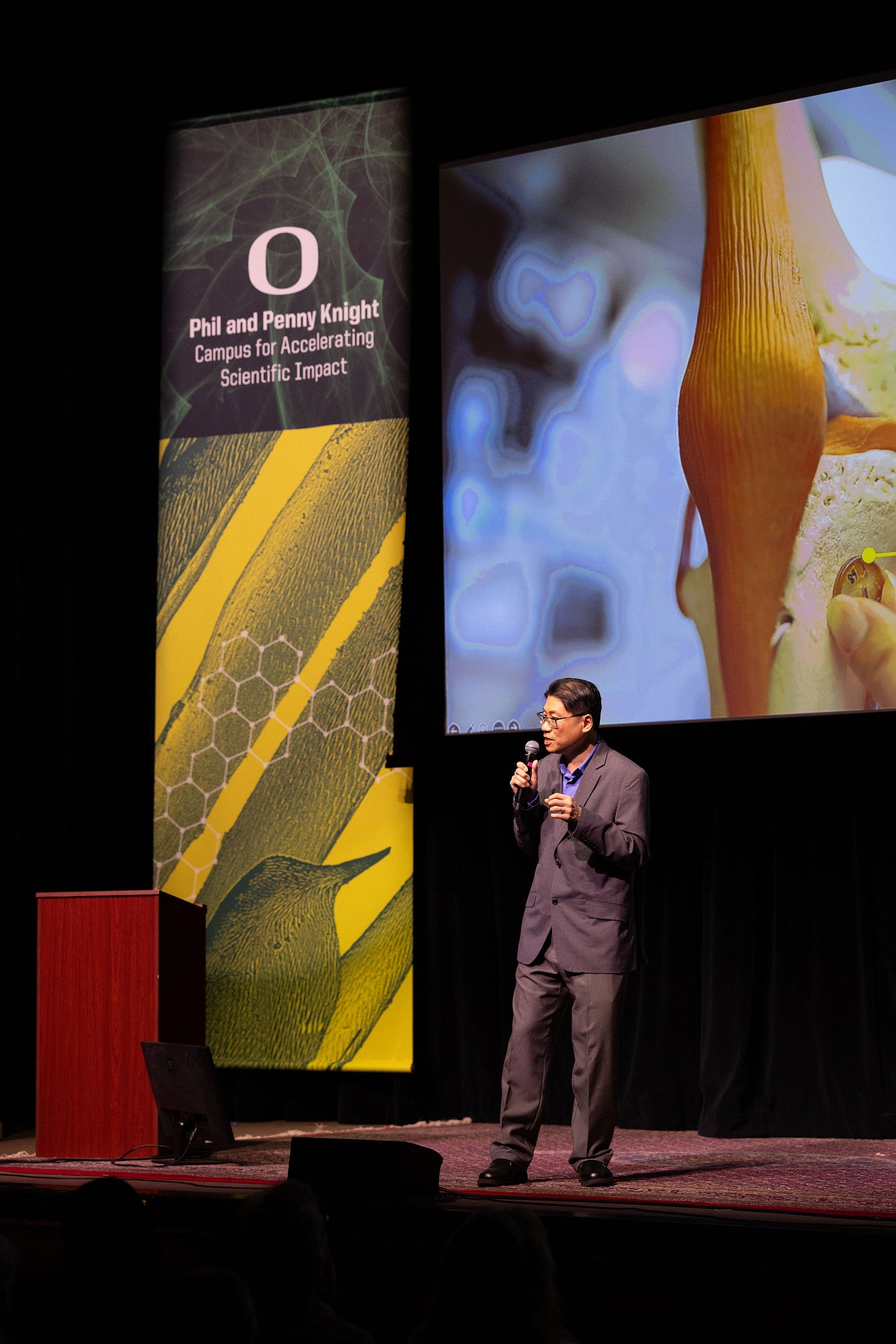
On Thursday, April 30, that ethos took center stage at the tenth anniversary edition of Science Knight Out, "A Decade of Building Oregon's Future," a free public lecture at The John G. Shedd Institute for the Arts in downtown Eugene.
Knight Campus Executive Director Bob Guldberg opened the evening, followed by speakers sharing stories of cutting-edge technology moving from the lab into the world, from implantable sensors and medical device startups to 3D-printed tissue scaffolds making their way to users around the globe.
The event featured bioengineering faculty, including 3D printing pioneer Paul Dalton and electrical engineer Keat Ghee Ong, as well as PhD candidate Iman von Briesen, and Knight Campus PhD graduate Kylie Williams. Their talks highlighted the ways the Knight Campus is growing Oregon's biotech economy through the creation of startup companies like Penderia and VivoTex, and training tomorrow's STEM workforce.
Watch the 2026 Talk
Milestones
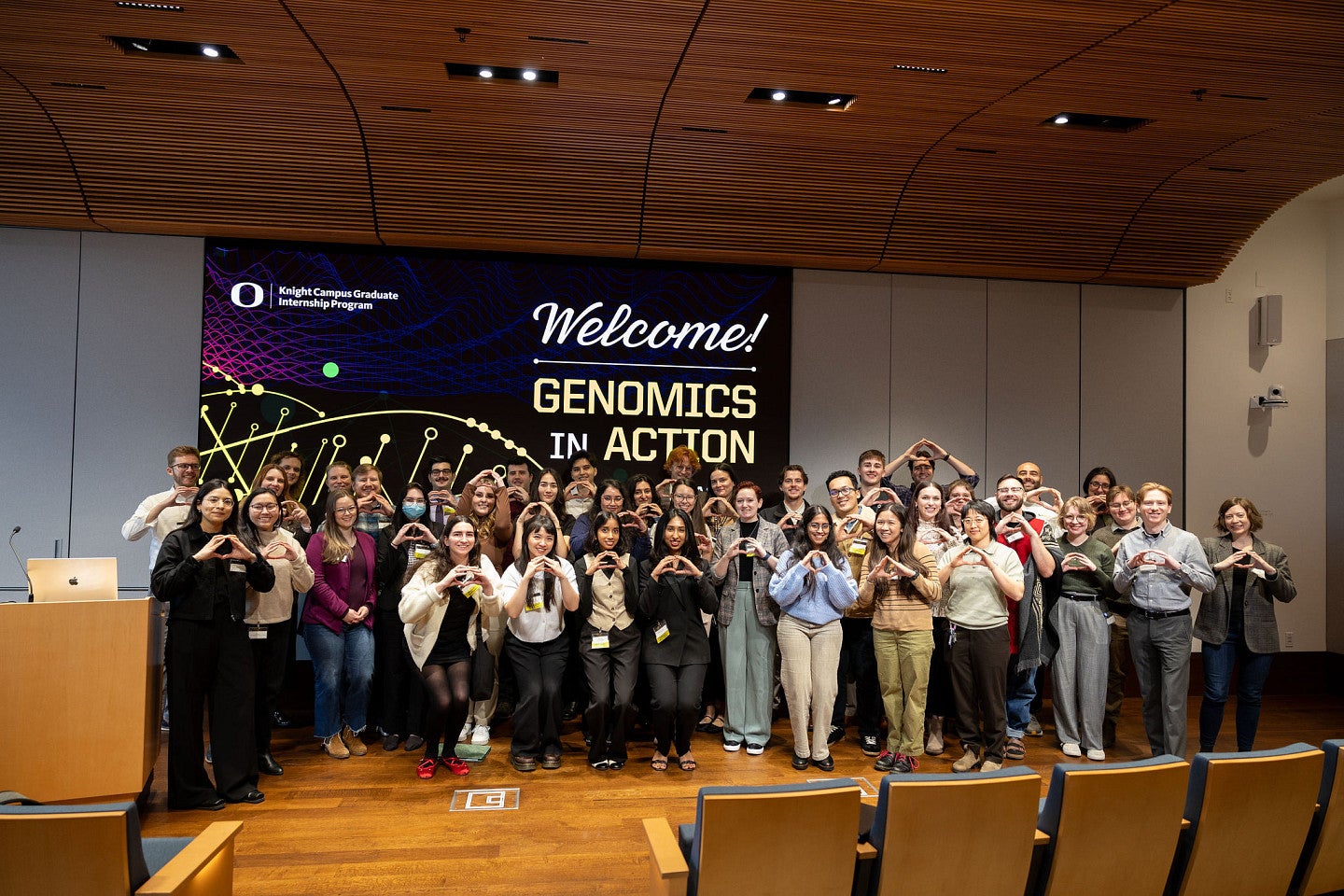
2026 Genomics in Action Connects People, Ideas, and Careers
The Knight Campus Graduate Internship Program’s (KCGIP) annual Genomics in Action meeting returned for its 12th year on January 29 and 30, 2026. Hosted by the program’s bioinformatics and genomics track, the flagship event was a dynamic gathering of external and internal program partners to share the latest approaches and discoveries within the field. The meeting’s primary outcome is to jump-start bioinformatics track students’ transition to the internship portion of their degree program.
This year’s event schedule included a broad range of presentations by partner institutions, companies, and alumni, that went beyond pure genomics. Some speakers made a strong case for researchers to curate their metadata for more impactful open science. Other talks this year included innovative approaches in spatial biology; cancer subtypes and human disease; therapeutic design; sequencing RNA using mass spectrometry; and understanding ancestral disparities in cancer.
Conference attendees included prospective students interested in pursuing a master’s degree through the KCGIP bioinformatics and genomics track who attended an alumni panel to hear about first-hand experiences within the program. Both days concluded with networking, which occurred during poster presentations by student project groups and other conference attendees.
“One powerful strength of the Knight Campus Graduate Internship Program is its vast bioinformatics alumni network,” said John Cheney, 2022 alum. “It’s one that spans more than a decade and multiple continents, both in industry and academia …. Connecting and reconnecting with alumni, hearing about their recent work, publications, professional achievements, new positions, promotions and successes are great causes for celebration and further strengthen the impact of our alumni network.”
Read More
Milestones
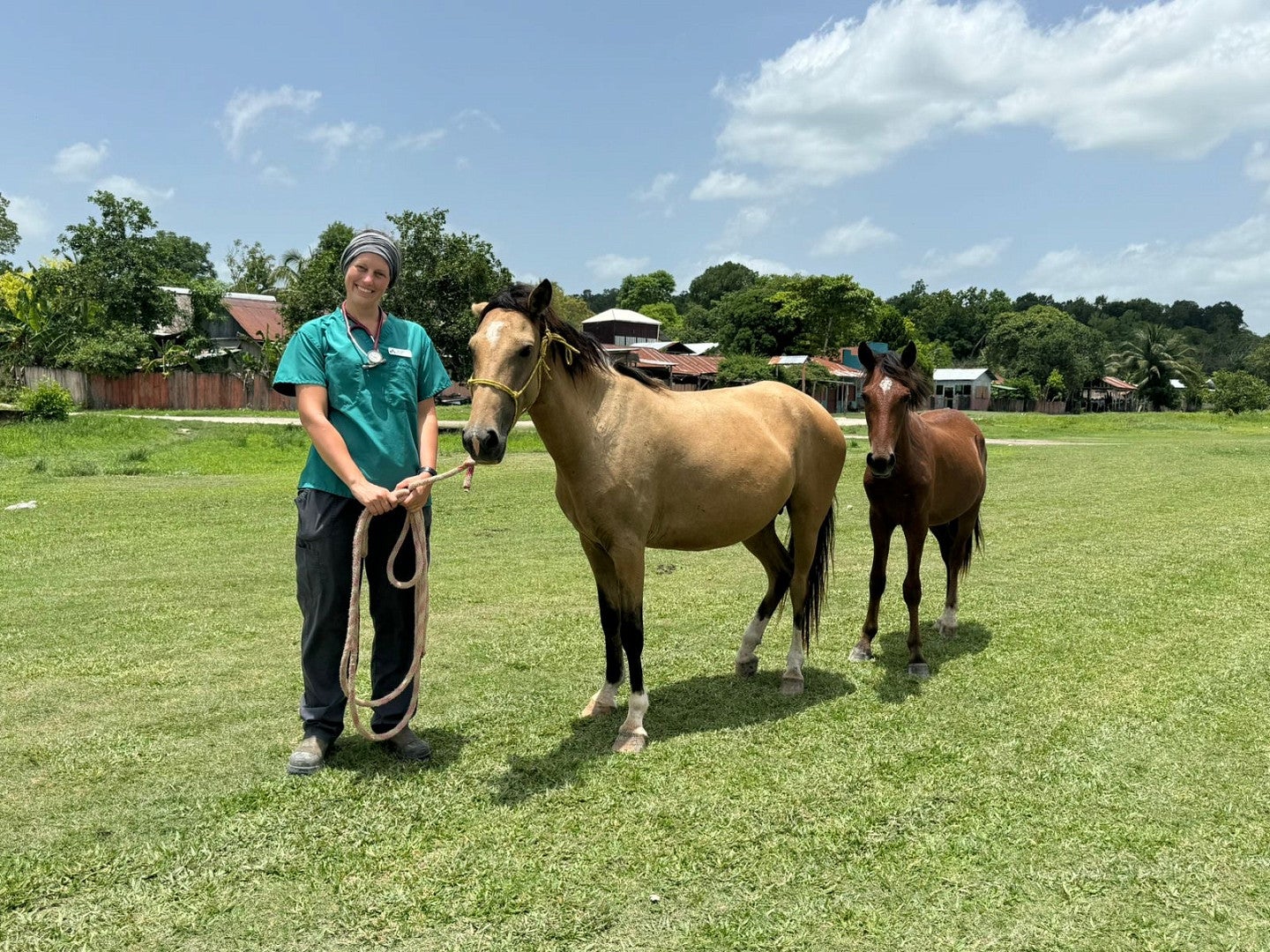
Knight Campus Research Associate Kait Link Provides Large Animal Care and Veterinary Training Abroad
Kait Link is a familiar face at the Knight Campus where she assists labs in developing optimal protocols for research involving animals. But her impact can be felt far beyond Eugene.
A long-time volunteer with the organization Equitarian Initiative, Link travels annually with the group to a remote mountainous region in Guatemala with a team of fellow veterinarians from across the U.S. The initiative seeks to improve the health and welfare of working horses, donkeys, mules and their families around the world.
She sees the health and well-being of the large animals her team works with as being inextricably tied to the health of the communities around them. She and her team provide care for working animals that are often the cornerstone of social and economic survival for many communities.
“The majority of Americans are so far removed from a time when the health and financial well-being of their family relied on an animal for subsistence,” Link said. “We’ve come to think of dogs, horses and donkeys as pets and sporting companions, but in many regions of the world, families and communities rely on these hard-working animals for their livelihoods in many different sectors from transportation, agriculture, forestry and tourism.”
Read More
Student Success
Student Success
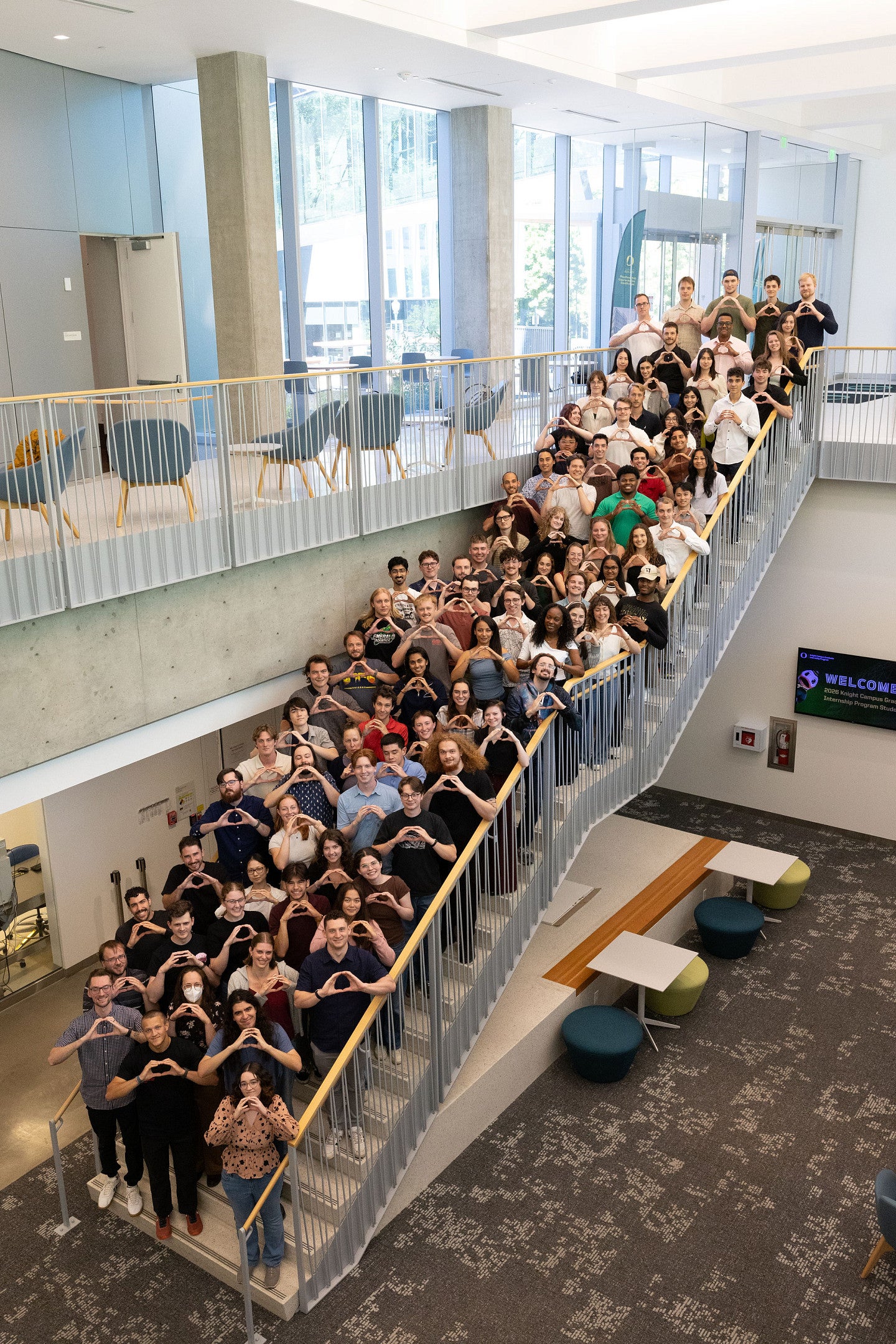
KCGIP Welcomes 2026 Cohort
The latest Knight Campus Graduate Internship cohort launched with 88 new students across the five tracks. KCGIP welcomes its students mid-June by kicking off Professional Development Week, which is designed to set up a foundation for student success.
This year’s Professional Development Week programing focused on a values-rooted community, program success, and broadening community. The program is interactive and helps students and teams better understand their strengths and how to apply them effectively in academic and professional settings using practical strategies.
KCGIP provides students with advanced degrees designed to help them land jobs and launch careers — equipping them with technical expertise, hands-on experience, and the professional skills employers value most: communication, leadership, and teamwork.
The program has more than 28 years of success helping students transition to rewarding careers as scientists and engineers. Students gain technical expertise, hands-on experience and professional skills through focused coursework and labs, professional development training, and a 9-month paid internship. Programs in five tracks span the fields of engineering, physics, chemistry and biology.
Knight Campus Graduate Internship Program (Master's)
Academic Year 2025–2026
Total Master's Student Graduates | 88 |
Bioinformatics and Genomics | 20 |
Optical Materials and Devices | 20 |
Polymer Science | 17 |
Semiconductor | 20 |
Molecular Sensors | 11 |
Student Success
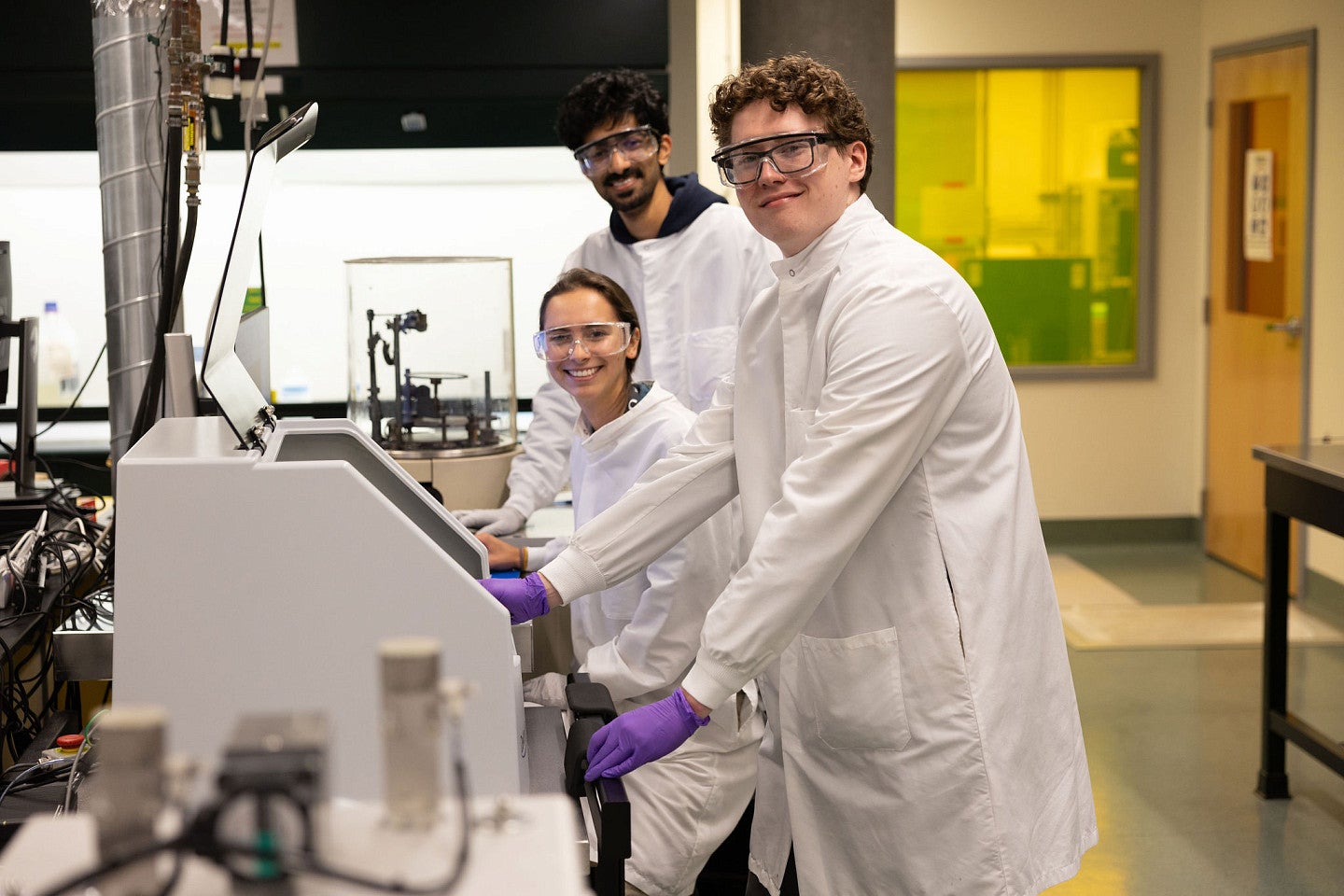
KCGIP at the Heart of Workforce Training Efforts
The Knight Campus will benefit directly and indirectly from recently announced funding from a new National Science Foundation (NSF) Regional Innovation Engine award. As part of FAST (Frontiers of Advanced Semiconductor Technology), the UO and its statewide collaborators represent one of 12 nationwide partners in the program.
The semiconductor track within the Knight Campus Graduate Internship Program (KCGIP) will leverage support from the investment to raise awareness of semiconductor careers, recruit and prepare more students, enhance training opportunities, and expand partnerships with industry. These efforts will help create stronger pathways into semiconductor careers while addressing the workforce needs of Oregon employers.
The Knight Campus has had considerable success attracting state and federal support for workforce preparation, with roughly $4 million in investments benefiting programs and our university partners. In addition to the NSF Fast Engine award, they include a $1.35 million Future Ready Oregon grant, which concluded in June after three years of expanding pathways into high-tech careers for students with significant financial need. A separate $1.5 million state grant from the Higher Education Coordinating Commission’s Semiconductor Talent Sustaining Fund earlier this year will develop shared curriculum and online certificates, offer on-campus undergraduate research experiences, expand industry partnerships and build K-12 Career Pathways.
Student Success
Department of Bioengineering Welcomes New PhD Cohort
Academic Year 2025–2026
Total Enrolled PhD Students – Spanning 6 Cohorts | 45 |
Enrolled Students who Received Master's Degrees in Passing and Pursuing PhDs | 8 |
PhD Students Supported by Competitive External Fellowships | 9 |
New PhD Recruits for Fall 2026 | 8 |
Undergraduate Minor Students | 77 |
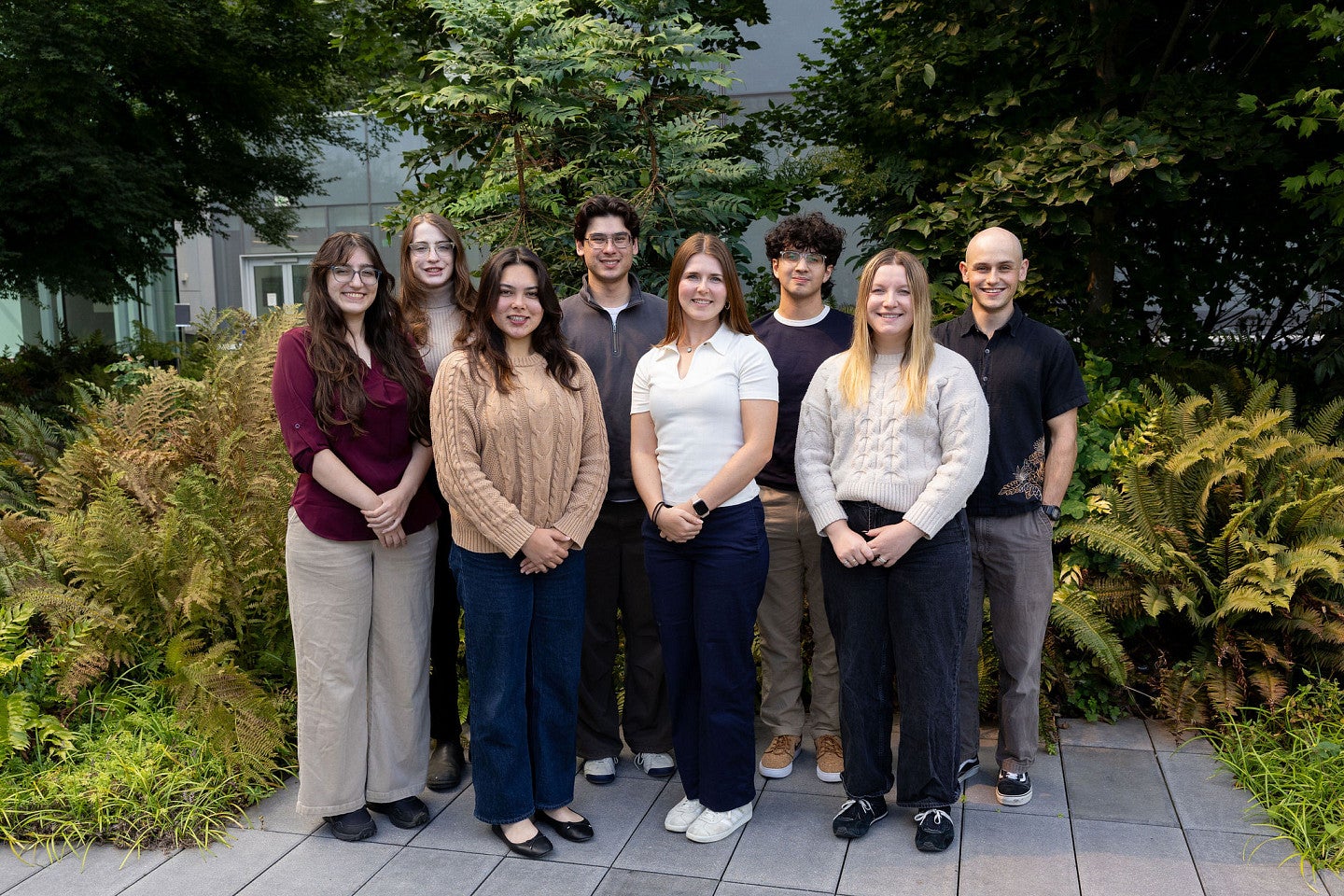
The Knight Campus welcomed its newest PhD students for the fall term of the 2026–27 academic year, launching the seventh cohort for the Department of Bioengineering. This group represents institutions in Oregon and across the nation, ranging from Oregon State to Haverford College in Pennsylvania to universities in Colorado, California, Illinois, Massachusetts, and New York.
The students began their journey with IMPACT Week, the department's signature five-day, orientation and training program. Through intensive work, they establish core skills in science communication, innovation and entrepreneurship, design thinking, and professional development. From day one, students begin thinking, not only about the science they want to pursue, but how they can translate and communicate their work to make a difference beyond the lab.
It’s a distinctive part of the Knight Campus PhD experience and sets the tone for the career-acceleration training that continues throughout their time here.
“I saw bioengineering as an opportunity that merges different branches of engineering together with the sciences and uses a bit from everything. That really drew me in. I want to work on something that directly impacts patients. I chose this program because, when I was here on visiting weekend, I met the people, and they had the same energy as the people who had helped push me forward in the past. I really thought that was important, to be supported wherever I go.”
— Ryan Lang
Department of Bioengineering PhD Student
Student Success
Department of Bioengineering Students Awarded Prestigious NSF GRFP Fellowships
Three grad students and one post-baccalaureate student affiliated with the Knight Campus Department of Bioengineering have been awarded prestigious Graduate Research Fellowships from the National Science Foundation. The NSF Graduate Research Fellowship Program (GRFP) is considered the gold standard in graduate research fellowships and is awarded to approximately 2,000 students nationwide each year.
Fellowships went to Ph.D. students Kelsey Krusen, Emma Anderson and Max Tenenbaum. Additionally, Josh Kupfer, a Ph.D. student co-advised in the Guldberg and Dalton Labs, arrived at the Knight Campus with a GRFP already in hand, brings further distinction to this year's cohort. Annika Deans, a former undergraduate scholar in the Benoit Lab, and Miranda Simpson, a current post-bac in the Hosseinzadeh Lab also received a fellowship.
“This achievement reflects not only the hard work and talent of these outstanding students, but also the thoughtful mentorship of their advisors and the tireless dedication of the Knight Campus IMPACT Team and their continued commitment to student success,” said Danielle Benoit, Lorry Lokey Chair of the Department of Bioengineering.
Advisors and support teams play an important role in the GRFP process. Krusen and Anderson are both advised by Benoit, and Tenenbaum is advised by neuroengineering professor Felix Deku. This year's awardees continue a tradition of GRFP excellence at the Knight Campus, with 50% of this year’s eligible applying cohort receiving an award. The Department of Bioengineering has now produced fellowship recipients every year since its founding, including five students recognized in 2024.
“Having people who are devoted to helping you no matter what … to bounce ideas off of, look things over and share their experience from having applied for so many grants and fellowships and opportunities and be supportive through the entire process and was a huge help for me.”
— Kelsey Krusen
PhD Candidate

Student Success
Brewing Beer and a New Kind of Innovation Education
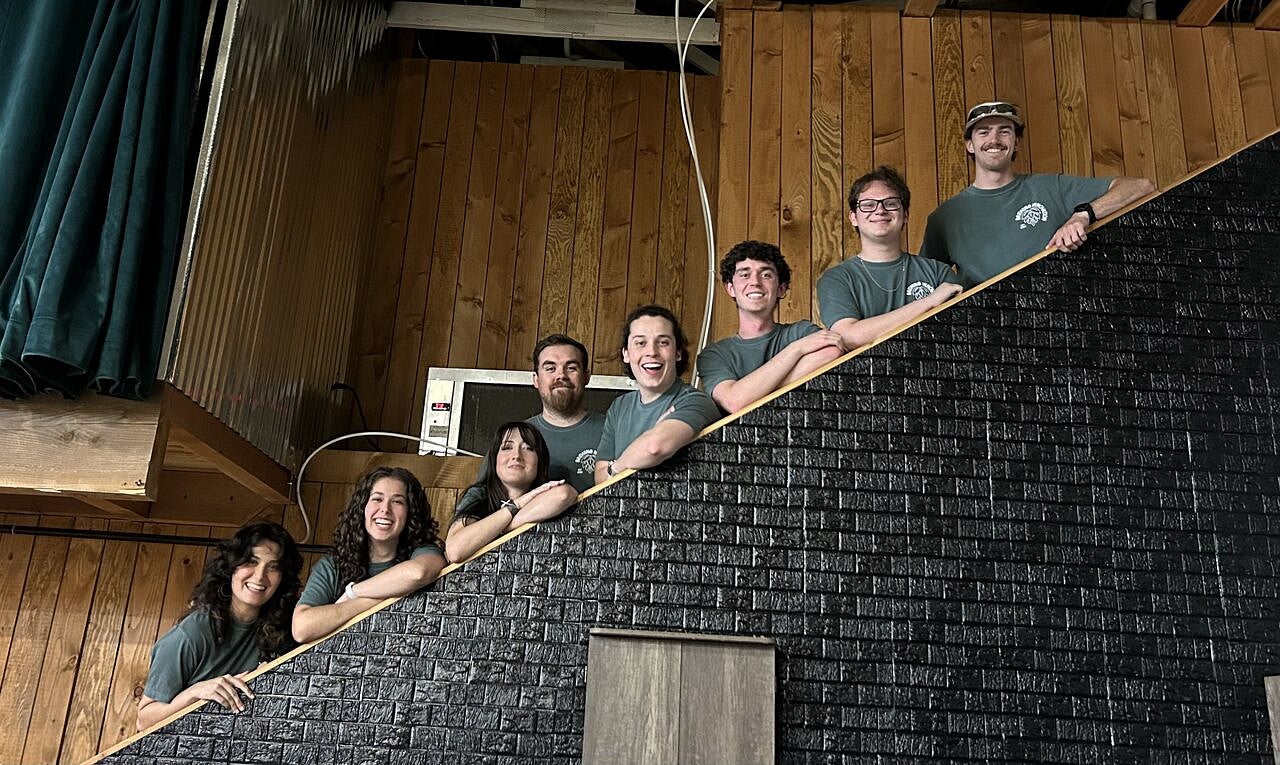
Students from the Brewing Innovation (BRIN) minor program continued to extend their training beyond the Knight Campus, partnering with local brewers who have mentored students through tasting sessions, design critiques, and Shark Tank-style reviews.
The program uses brewing as a hands-on, interdisciplinary platform to teach design thinking and the innovation process, equipping students with transferable skills to develop, prototype, and communicate impactful ideas across any field.
For the second year in a row students put their craft to the test at Eugene Beer Week, an annual celebration highlighting the area’s beer culture through tastings, brewer's dinners, special bottle releases, and beer festival.
"It is great to celebrate the students' accomplishments and share their innovative capstone projects with the Eugene community," says Lindsey Rubottom, Brewing Innovation Instructor.
Students from the program's second cohort contributed three original brews to the event during their capstone showcase event hosted by Claim 52 brewing. The beers featured were All Season (PNW inspired Kolsch), Spritz Appeal (Aperol/Campari spritz inspired rice lager), and Dirty Birdie (Arnold Palmer inspired ale).
“The Brewing Innovation minor has expanded my world and allowed me to combine creativity and science into one. It’s a passion I didn’t know I had but will practice for the rest of my life.”
— Ariel Eisen
Journalism major, Brewing Innovation minor
Student Success
Knight Campus Undergraduate Scholars
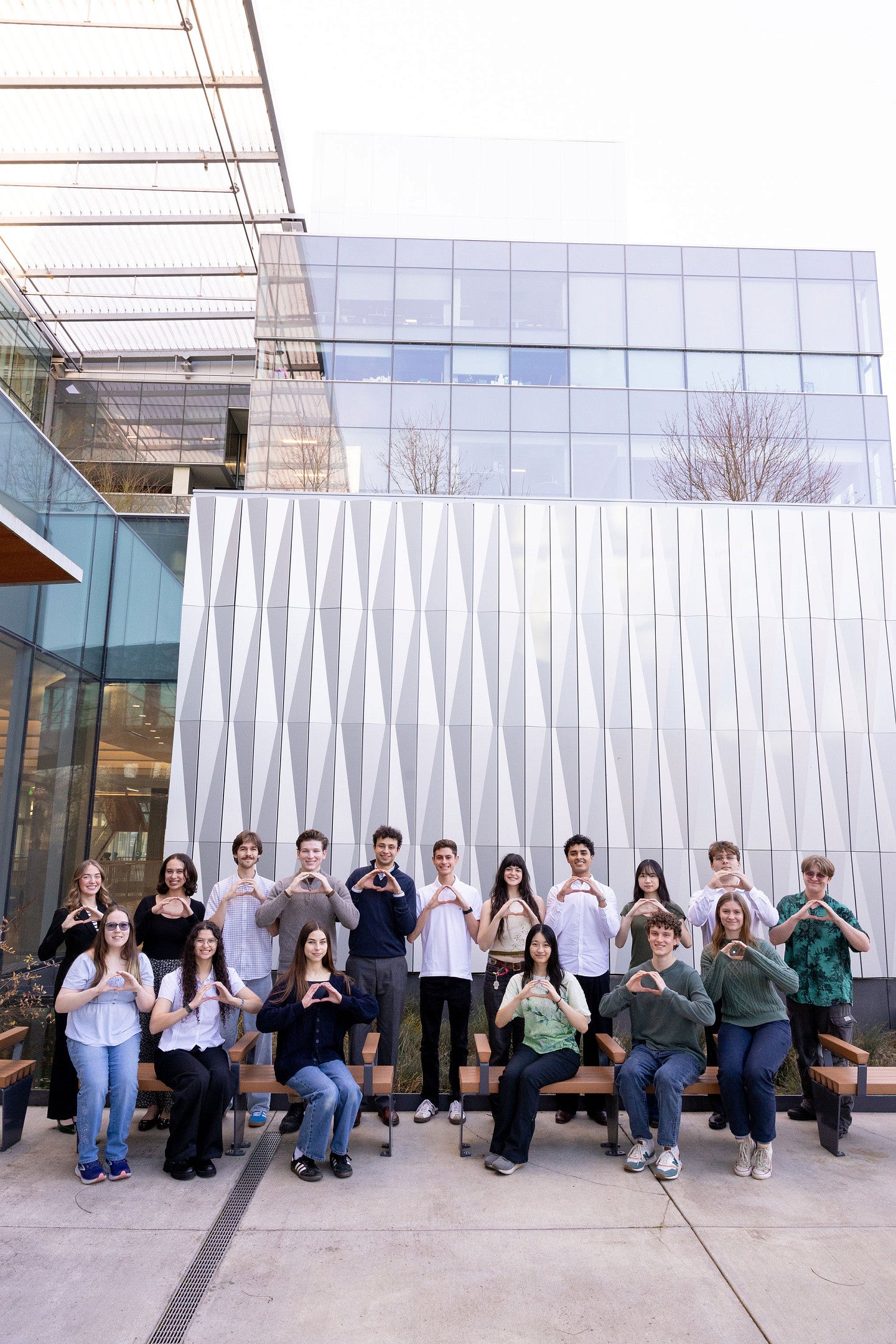
The Knight Campus Undergraduate Scholars Program pairs promising undergraduates with research mentors — graduate students, postdocs, and faculty members — immersing them in a 12-month, comprehensive research experience in Knight Campus-affiliated labs. These young scientists are taking on independent research projects in a diverse set of fields and connecting with mentors throughout the Knight Campus and across the UO. This year's scholars are majoring in human physiology, neuroscience, biochemistry, chemistry, and computer science.
This year’s cohort at a glance:
- 3.72 average GPA
- 10% are transfer students
- 55% are enrolled in the Clark Honors College
- 65% are Oregon residents (graduated from an Oregon high school)
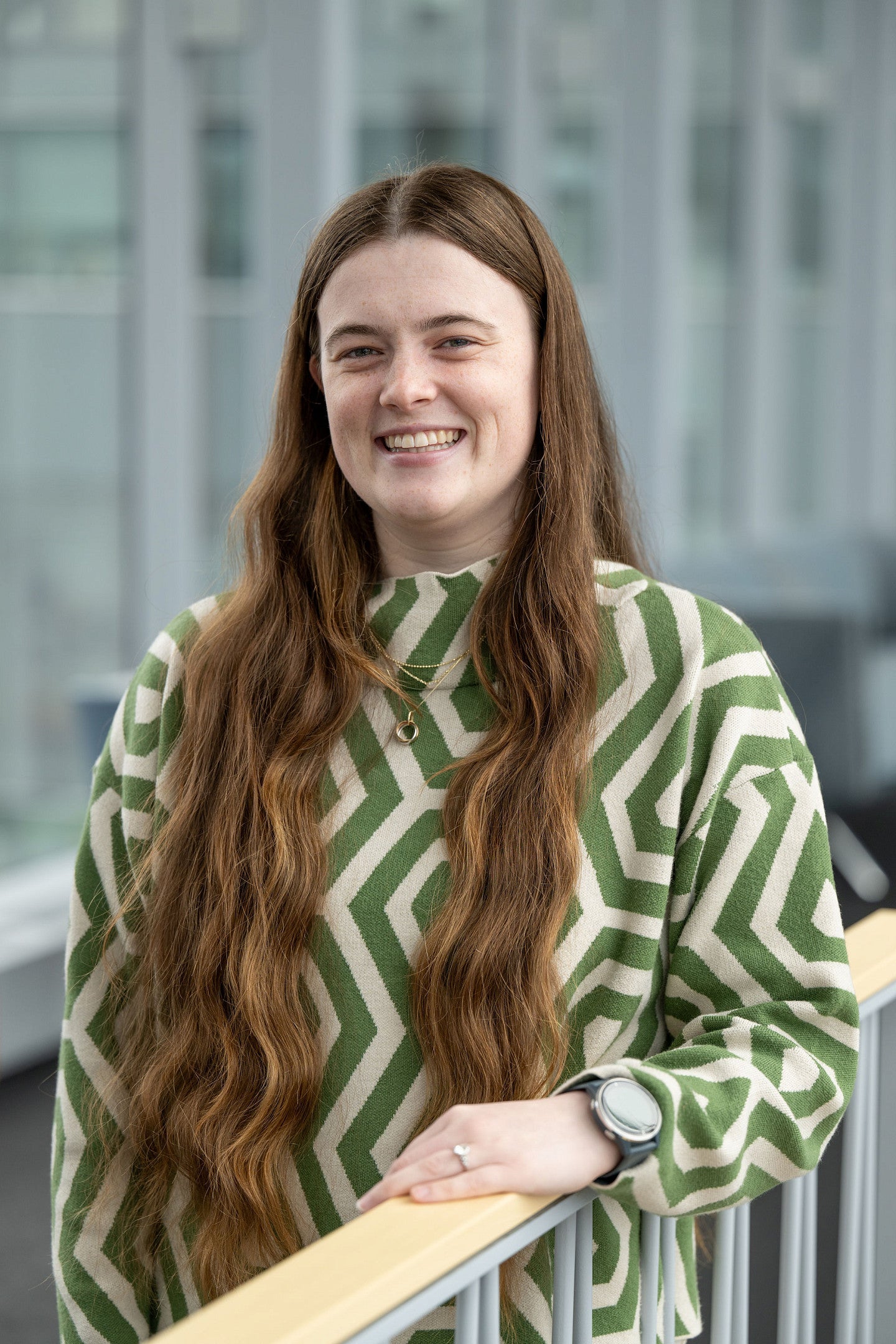
"I have seen what leaders and innovators in synthetic biology are doing, such as eliminating pollution, supporting food supply, and creating therapeutics, and I want nothing more than to participate in that advancement. I have experienced strong teamwork with my colleagues, and I have been able to make connections with curious people around the world. It seems to me that synthetic biology will have strong implications for our future, and I want to participate in shaping the field with other dedicated researchers."
— Landon Ratcliffe
Tom and Cathy Hui Scholar
Class: Junior; Major: Neuroscience; Mentor: Sarea Recalde Phillips; Lab: Benoit Lab

Student Success
Knight Campus PhD Candidates Chasko and Keremane Awarded Competitive NIH Individual Predoctoral Fellowships
Bioengineering Ph.D. candidate DeShea Chasko and Neuroscience Ph.D. candidate Saumya Keremane were both awarded competitive National Institutes of Health (NIH) Individual Predoctoral Fellowships (F31) to support their research. Chasko’s fellowship supports her research creating 3D bioprinted bone marrow models, Keremane’s fellowship supports her research on mechanisms and treatments for inherited blindness.
The fellowships recognize early-stage researchers whose work shows strong potential to advance scientific knowledge and benefit human health.
Chasko's research, conducted in the lab of Gabriella Lindberg, an assistant professor of bioengineering at the Phil and Penny Knight Campus for Accelerating Scientific Impact, focuses on building more accurate models of bone marrow. Chasko hopes to build models of the bone marrow in the lab, where different factors can be manipulated, to create representations of both young and old bone marrow systems.
"The central idea is that when we age, the physical properties of the bone marrow change, particularly its stiffness, which may limit stem cell movement," said Chasko. "However, current models do not accurately capture the different stiffness patterns that exist across populations, especially in 3D."
Keremane's research, conducted in the labs of Richard Taylor, a professor and head of the Department of Physics, and Dr. Bala Ambati, an ophthalmologist and research professor in the Department of Bioengineering, focuses on understanding and preventing neuron degradation to treat inherited blindness. Keremane hopes to address interneuron deterioration by first understanding how the cell morphology changes during eye disease and then apply gene therapies to protect and restore them to a healthy state.
"Once the photoreceptors begin to die, their connections also suffer, leading to photoreceptor replacement therapies failing," said Keremane. "If transplant therapies are ever going to work, we need to keep the rest of the circuitry intact so new cells can integrate properly. Without that, there won't be vision."
Read more about Chasko’s research
Read more about Keremane’s research
Student Outreach
Outreach Event Introduces Female High School Students to Engineering, Orthopedic Surgery
On a Saturday morning in March, the Phil and Penny Knight Campus for Accelerating Scientific Impact opened its doors to high school students with an interest in engineering and orthopedic surgery. The outreach event set the stage for the uncommon sight of students sawing and drilling artificial surgical bones and debating the best placement for orthopedic implants — all under the guidance of surgeons and engineers.
A collaboration between the Knight Campus, the Slocum Research and Education Foundation, and the Perry Initiative, the event gave 30 students the opportunity to work through learning modules provided by the Perry Initiative and hands-on activities led by a broad cross-section of professionals, including orthopedic surgeons, non-operative specialists, cast technicians, physician assistants, medical students, bioengineering faculty, and PhD students and undergraduates from the Knight Campus.
“It was incredible to watch students confidently using power tools and critically thinking about structural performance and placement of both implants and transplanted tissue from a patient's perspective. It's a testament to how few events like this there are for high school students to meet orthopedic surgeons, medical students, and bioengineers all in one space.”
— Gabriella Lindberg
Knight Campus Assistant Professor of Bioengineering

Centers of Excellence
Centers of Excellence
CBDS Hosts Inaugural Single-Cell RNA Sequencing Workshop
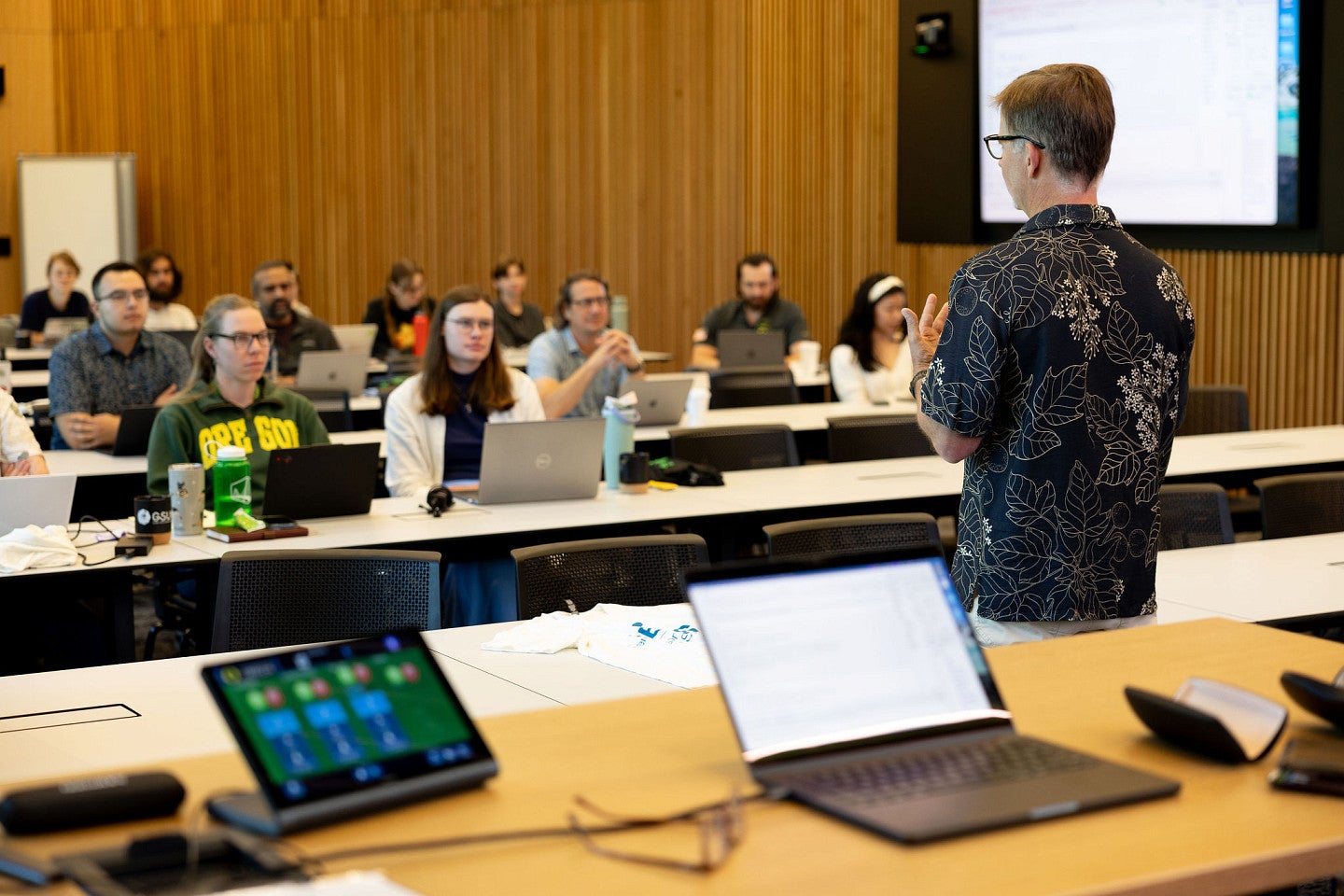
In June, the Center for Biomedical Data Science (CBDS) hosted its inaugural workshop, designed to equip experimental scientists with the data science skills needed to advance their research. The workshop focused on single-cell RNA sequencing (scRNA-seq), a powerful technique where the RNA of individual cells is sequenced, providing a readout of gene expression across cells.
The workshop aimed to give graduate students and postdoctoral scholars the computational skills to incorporate these approaches into their own research. Participants began with an introduction to computational tools and best practices, designed to be accessible for beginners. The rest of the workshop covered experimental design principles, and had participants work through a shared dataset, gaining hands-on experience with the full analytical pipeline.
"It was incredibly rewarding to see some participants go from computational beginners to working through real scRNA-seq analyses by the end of the week," said Shannon Snyder, a PhD candidate in the Cresko Lab who helped organize and facilitate the workshop. "That kind of progress, and gain in confidence, in just a few days is exactly what we were hoping for."
Looking ahead, CBDS plans to expand the workshop series to cover related technologies and continue broadening data science training opportunities for students across UO and OHSU.
Centers of Excellence
Microscopic Scaffolds Could One Day Help Muscles Heal After Devastating Injuries
When a car accident or athletic injury destroys more than 20% of a muscle's mass, the body faces a problem it often can't heal fully on its own. Without intervention, scar tissue fills the injury site and can leave patients with permanent weakness and limited mobility.
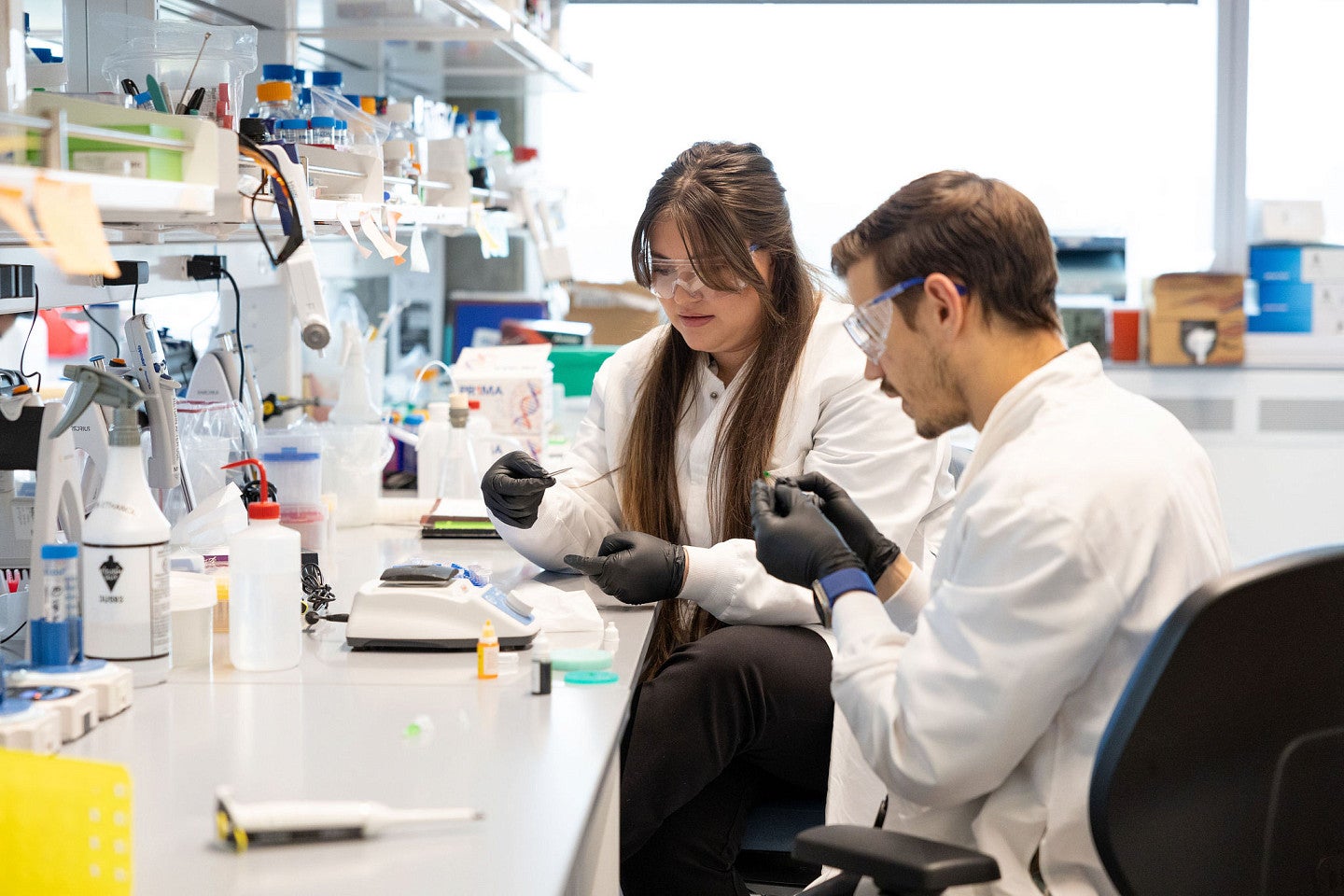
Researchers at the University of Oregon's Knight Campus, led by Alycia Galindo, a PhD candidate in Marian Hettiaratchi’s lab, are developing a potential solution: microscopic scaffolds that guide muscle cells to regenerate organized, functional tissue.
Galindo first teamed up with Kelly O'Neill, another graduate student in the Knight Campus, who is supervised by Paul Dalton, an associate professor in bioengineering and the Bradshaw and Holzapfel Research Professor in Transformational Science and Mathematics. This initial partnership grew out of the Wu Tsai Human Performance Alliance, an effort that brings together researchers focused on understanding peak performance and advancing human health.
Their findings, published in the September edition of Cellular and Molecular Bioengineering, and part of the 2025 Young Innovator collection, combine microstructures with biochemical cues, offering a blueprint for future medical technologies that could help damaged muscle heal faster and more effectively.
The team envisions future versions of the technology that could be implanted during surgery or even injected as a gel that solidifies into a scaffold at the injury site. The scaffold would provide both structural support and time-released biochemical signals, gradually degrading as the muscle regenerates until only healthy, functional tissue remains.
"We're not there yet," Galindo said. "But we've demonstrated that you can engineer scaffolds at the microscale that muscle cells recognize and respond to. That's a critical first step toward building therapies that can truly restore function after severe muscle loss."
Centers of Excellence
Wu Tsai Research Could Help Reduce Injuries Among Female Athletes
Male-centered sports products are more than merely an annoyance for female athletes. In many cases, they contribute to an increased risk of injury for women — sometimes even ending careers.
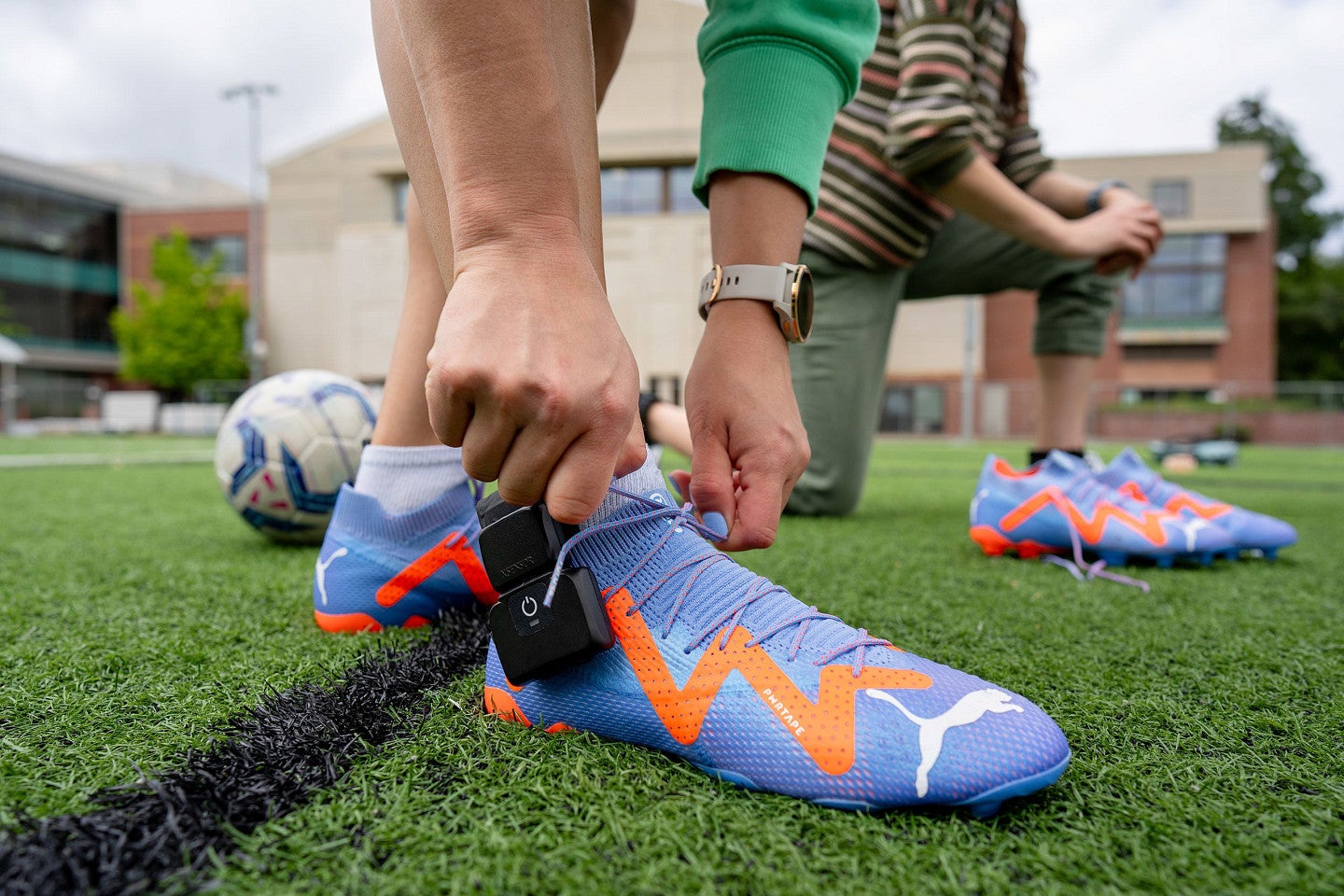
Thanks to a combination of physiology and biomechanics, female soccer players have a two to three times higher risk of ACL tears than male players. And the standard cleats on the market, designed for and tested on men, can exacerbate the risk of injury, research has found.
For the past seven years, researchers in human physiology professor Mike Hahn’s lab at the University of Oregon have been investigating the biomechanics of female soccer players, hoping to solve that problem. The project grew out of a series of experiments carried out in the UO’s Bowerman Sports Science Center, where Hahn’s lab is located. When his team began that work, there was a lot of anecdotal evidence about the problem, but very little hard data. Over several years, the research team identified a variety of factors — like stud shape, length and positioning — that could make cleats better suited to female athletes.
Now, in partnership with sports company Puma, Hahn and his colleagues have developed a research-backed soccer shoe prototype designed to reduce ACL injury risk in women. A shoe inspired by this prototype is expected to launch soon.
Research and Innovation Highlights
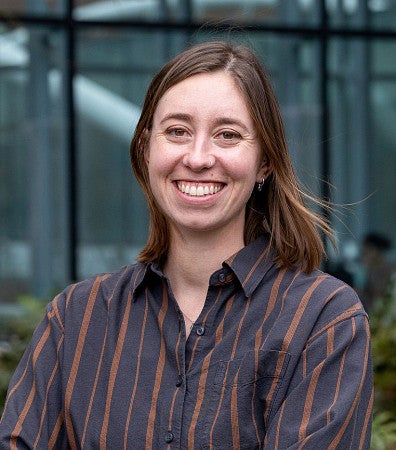
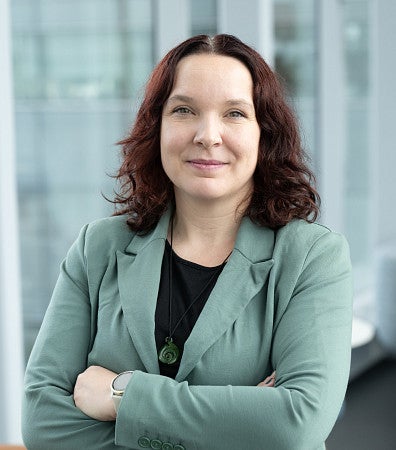
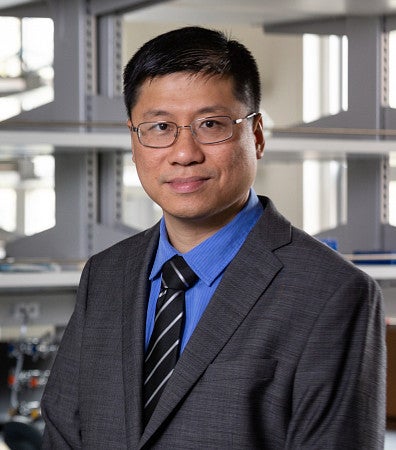
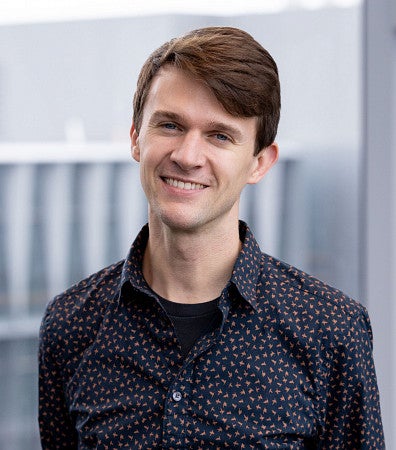
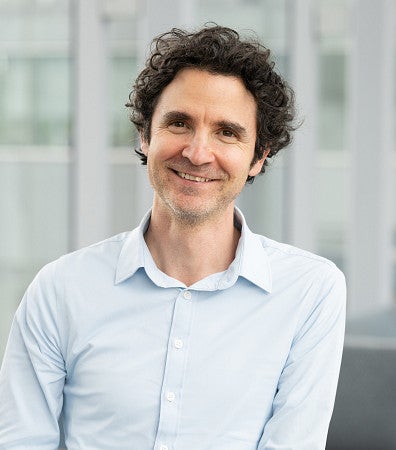
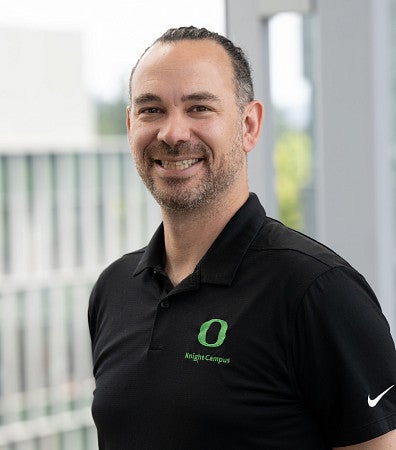
Knight Campus Research Labs
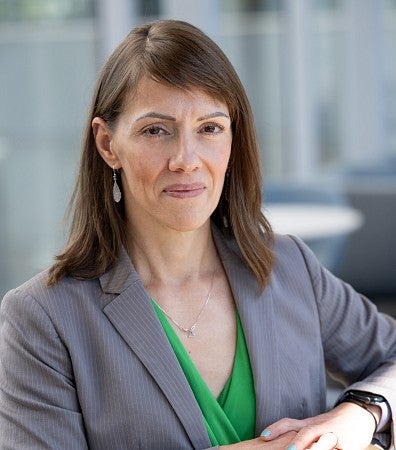
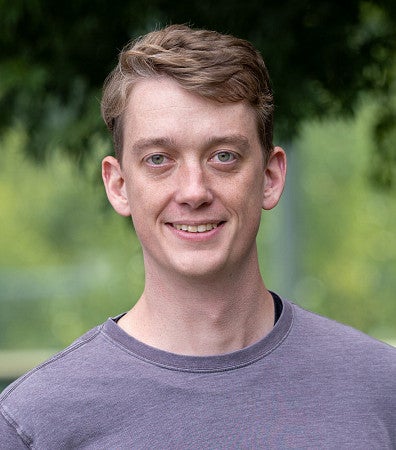

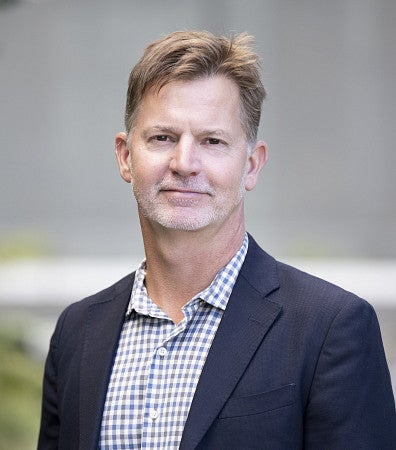
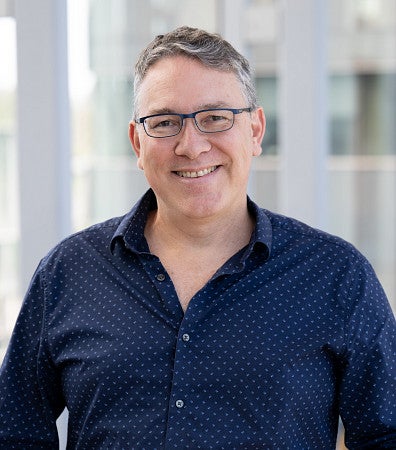
Bradshaw and Holzapfel Research Professor; Associate Professor, Bioengineering
biomaterials
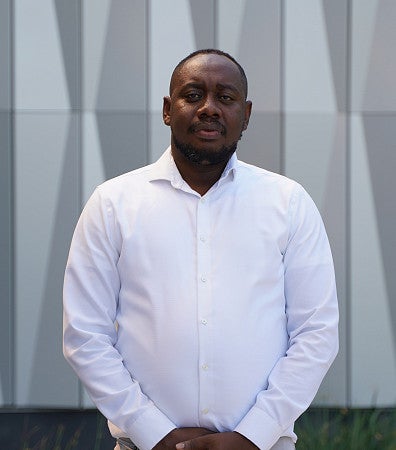
Betsy and Greg Hatton Assistant Professor in Neuroengineering, Bioengineering
neural engineering
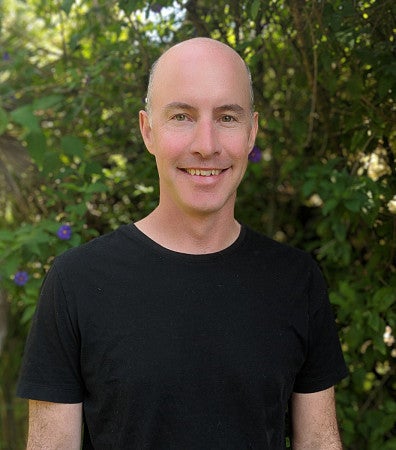
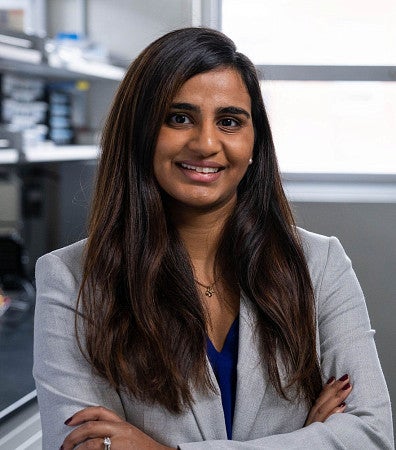
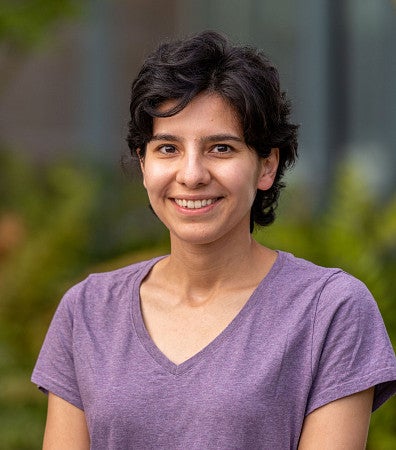
Research and Innovation Highlights
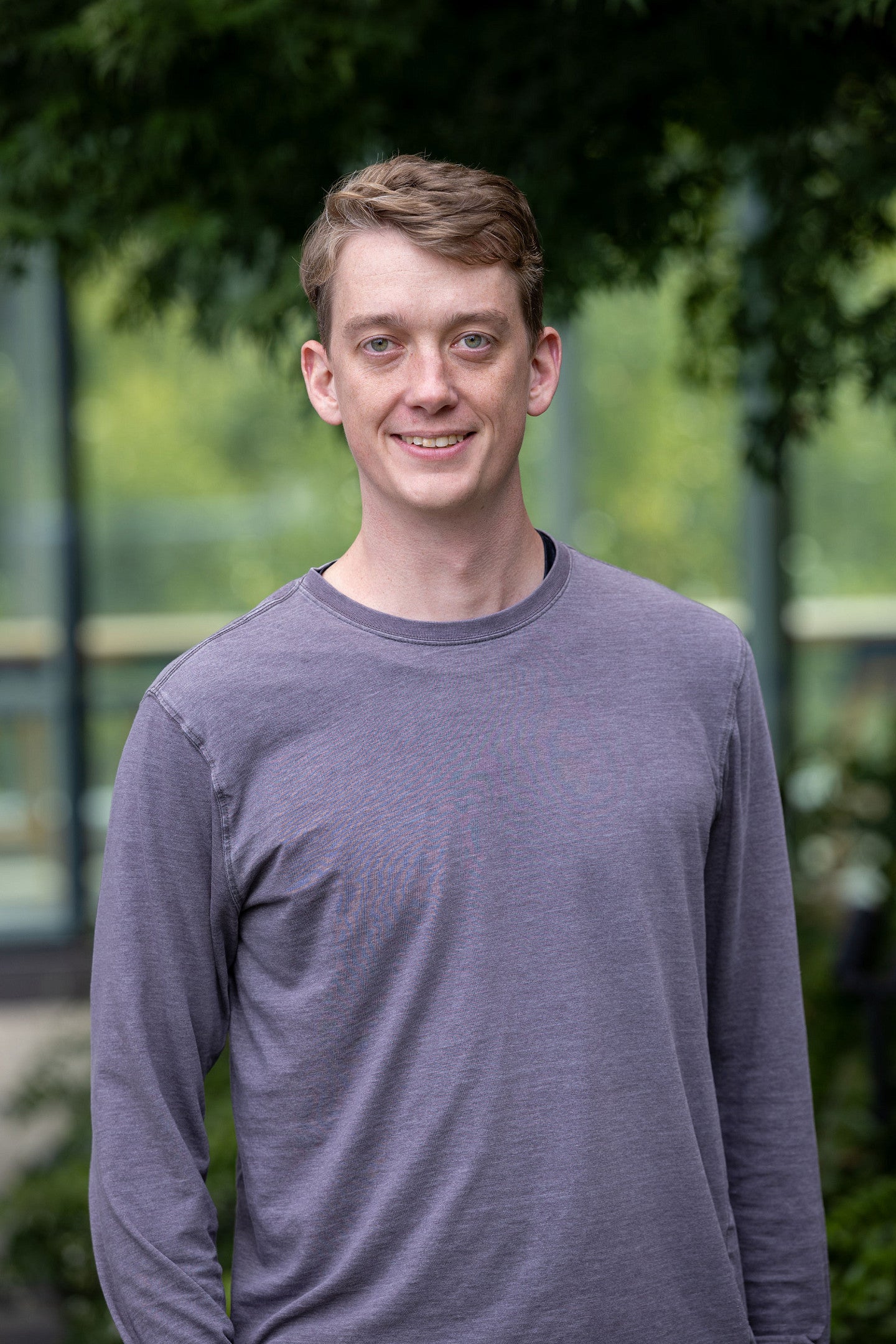
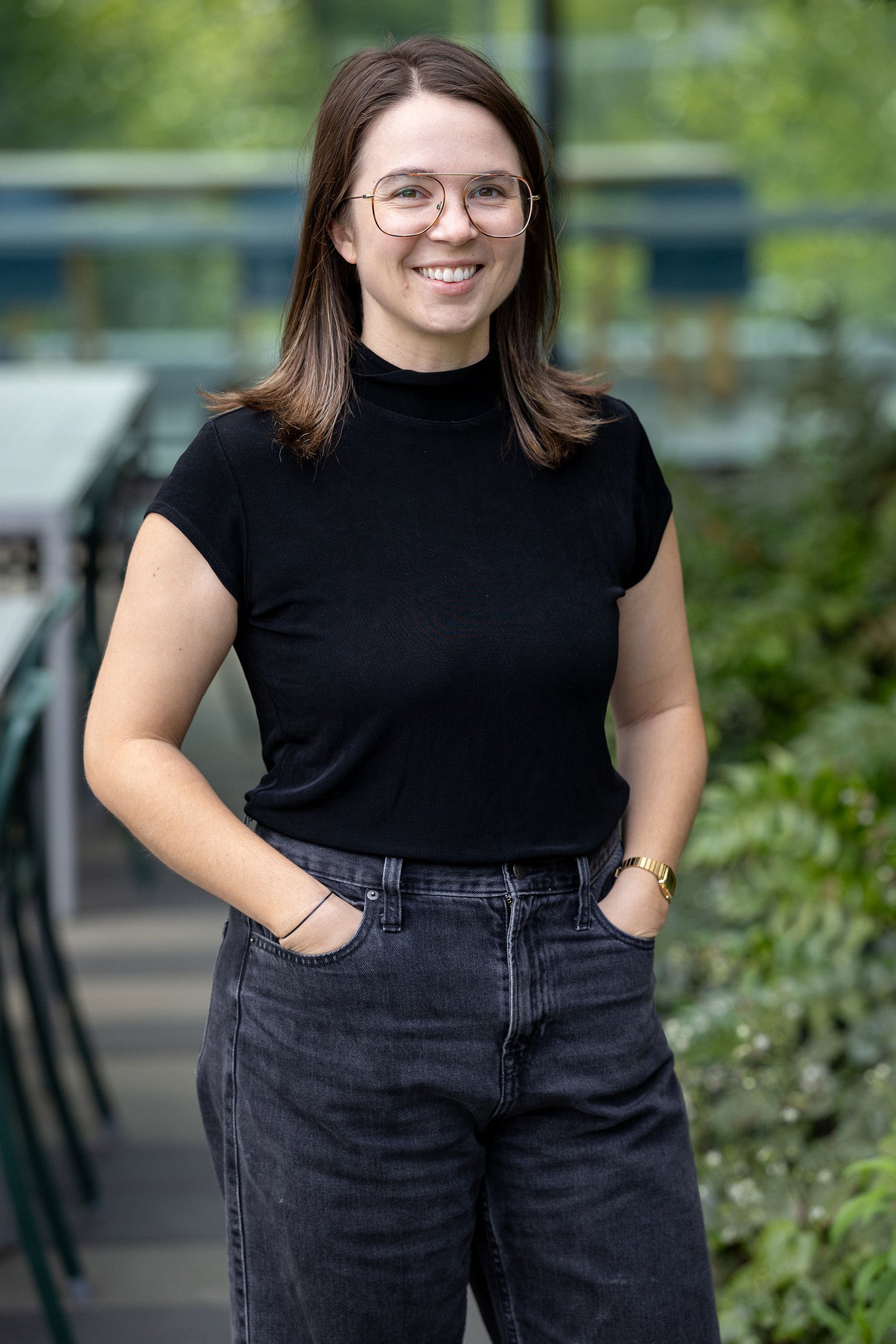
Knight Campus Department of Bioengineering to Welcome Two New Faculty Members
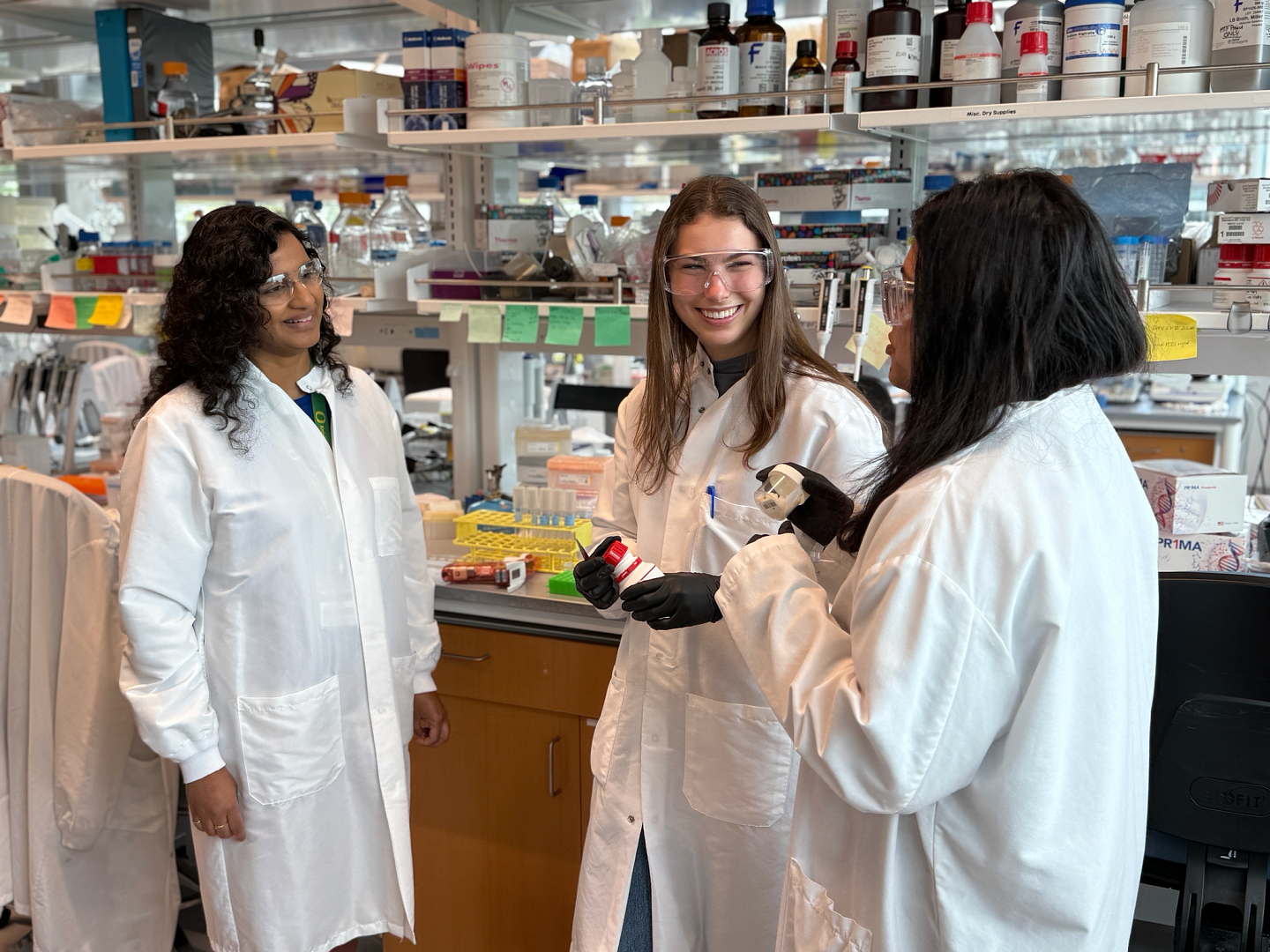
The Department of Bioengineering announced the addition of two new faculty members, both of whom will establish independent labs across Knight Campus Buildings 1 and 2. Colin Bredenberg and Zoé Christenson Wick join the expanding department at the University of Oregon, each bringing deep expertise in neuroscience and a commitment to uncovering the mechanisms that shape how the brain learns, ages and breaks down.
"We are excited to welcome Zoé and Colin to our faculty and look forward to the many ways they will contribute to our research, teaching, and mentoring missions. They bring complementary expertise that strengthens and expands our neuroengineering research while creating new opportunities for collaboration. Their creativity, scientific rigor, and commitment to tackling important challenges make them a wonderful fit for the Knight Campus and our department."
— Danielle Benoit
Lorry Lokey Chair, Professor and Chair of the Department of Bioengineering
Bredenberg will begin his work using artificial intelligence to understand learning and synaptic plasticity in the brain. Bredenberg recently completed a postdoctoral fellowship at the Quebec AI Institute (Mila) at the Université de Montréal, working with Professors Blake Richards and Guillaume Lajoie. His research sits at the intersection of artificial and biological intelligence, most recently creating computational models to understand how psychedelics produce hallucinations in the brain. Previously, he earned his Ph.D. in neuroscience from New York University under the mentorship of Professors Eero Simoncelli and Cristina Savin, where he focused on developing machine learning tools to study how early sensory areas of the brain form perceptual representations.
At the Knight Campus, Bredenberg plans to build on this foundation by asking how the brain's computations give rise to flexible, efficient learning and what artificial neural networks can teach us about biological ones.
"My work focuses on building computational tools that help us understand how the brain modifies itself to better perceive, understand, and act in the world," Bredenberg said. "I'm thrilled to be joining Knight Campus to work within the larger neuroscience and computational community.”
Christenson Wick will investigate how the timing of neural activity contributes to healthy brain function and build better therapies for epilepsy and age-related cognitive decline. She aims to understand how the brain's rich diversity of cell types, which normally gives it resilience and adaptability, breaks down with age and disease. A major goal of her work is to find new, scalable strategies that can help people regardless of their access to specialized medical care.
Christenson Wick recently completed her postdoctoral fellowship at the Icahn School of Medicine at Mount Sinai in New York, N.Y., where she worked with Professor Tristan Shuman. She brings with her funding from the Simons Collaboration on Plasticity and the Aging Brain Fellows-to-Faculty Award, a prestigious grant that supports outstanding early-career researchers transitioning to independent positions.
Prior to her time at Mount Sinai, Christenson Wick earned her Ph.D. in neuroscience from the University of Minnesota, where she investigated the role of inhibitory neurons in the healthy and epileptic brain regions under the mentorship of Professor Esther Krook-Magnuson.
"A big focus in my lab will be uncovering new strategies to re-align the brain's natural rhythms and activity patterns – prioritizing techniques that could actually be scaled and deployed broadly, not just in specialized medical centers,” Christenson Wick said. “I want the ideas and therapies that come out of this research to be accessible to people regardless of what medical resources they have. This is where I feel a particularly strong connection to the Knight Campus mission of doing science that quickly, creatively, and realistically advances society."
Research and Innovation Highlights
Perfect Timing: When Healing Injuries, Timing of Regenerative Cues Matters
Doctors have long sought the ability to deliver drugs and molecules exactly where, and when, the body needs them. However, solutions that can accomplish all of that have been hard to come by. Cracking this problem could bring new precision to therapeutics across a wide range of injuries and reduce unwanted off-target effects. A series of publications from Hettiaratchi Lab — one published in the journal Biomacromolecules, a second published in the Journal of Controlled Release — work toward engineering highly targeted molecules and precisely controlling their release, with hopes of one day helping muscle, bone, and spinal cord injuries heal better and faster.
When a tissue is injured, cells release regenerative cues called growth factors that kickstart regeneration. The body produces a whole cascade of different growth factors, which work together in a specific sequence to rebuild tissue.
Current treatments that use growth factors are limited because they typically release all molecules at once. This blunt approach doesn't match the complex timing of regeneration and may be preventing optimal healing.
Marian Hettiaratchi, Lary Simpson Professor and associate professor in the Department of Bioengineering, recognized that finding a way to control how quickly growth factors become active, rather than all at once, could give clinicians much finer control over healing, with the potential to improve outcomes across injuries.
The Hettiaratchi Lab's approach to precision molecule release centers on engineered proteins called affibodies. Affibodies function like the antibodies naturally found in our immune systems, but they're nearly ten times smaller. Unlike natural antibodies, which evolved to target foreign invaders like viruses, affibodies can be designed entirely in the lab to bind almost any target, including growth factors.
Hettiaratchi envisioned a new way to use these engineered affibodies. She imagined engineering affibodies specific to particular growth factors, then adding further modifications so each affibody would release its target at a different rate. The affibody binds and holds the growth factor, but by tuning how tightly an affibody grips its target, the lab could control how quickly or slowly that growth factor is released.
"Previous approaches just delivered all the proteins into the site at once,” Hettiaratchi said. “Through controlled, staggered release, we've actually learned more about the order in which these growth factors act, and how that timing contributes to regeneration, which we couldn't have teased apart with previous approaches.”
The findings offer a glimpse of what precision medicine could look like in the future, in which multiple growth factors are delivered exactly where, and when, the body needs them after an injury.
Read More
Research and Innovation Highlights
Leveraging AI Models, Neuroscientists Parse Birdsongs to Better Understand Human Speech
To understand how humans and other animals learn, organize, and produce complex vocalizations, neuroscientists have long studied canary song birds, who have incredibly detailed and structured songs that they can re-learn over time.
For decades, scientists have manually decoded canary songs syllable by syllable, but Tim Gardner, an associate professor of bioengineering at the Knight Campus, believed a computer could do it better. New work from his lab, published in Patterns, introduces an AI tool called TweetyBERT that automatically parses birdsong, freeing researchers from hundreds of hours of tedious notation — and potentially offering a window into how the brain generates language.
Canary songs are made of short individual syllables, each lasting a fraction of a second, that are grouped into longer repeated sequences and strung together into full songs drawn from 30 to 40 distinct syllables. To analyze canary song, researchers must identify each syllable, mark when it occurs, and understand how it fits into the larger sequence around it. That means annotating recordings — listening, labeling, checking and re-checking — often down to the millisecond. This requires significant time and expertise from the researchers to ensure everything is captured correctly.
George Vengrovski, a graduate student in the Gardner lab, began by looking at tools already being used to analyze human speech. He built TweetyBERT, a custom platform based on a tool called BERT, which works by learning the structure of language through a kind of fill-in-the-blank training. After training, TweetyBERT gained the ability to automatically segment a new canary recording into syllables, labeling each distinct unit the way a human annotator would, but in a fraction of the time.
Going forward, Gardner’s team is interested in understanding how TweetyBERT would perform in different, and perhaps messier, acoustic environments, with the goal of one day applying the tool to recordings outside of a lab. The Gardner lab is already testing the platform to track vocal changes in wild populations of birds that might signal stress, displacement, or adaptation in real time.
“We built this for canaries, in a controlled environment. But the underlying approach isn't specific to canaries. The world is full of birds (and other animals) whose vocal behavior we're barely tracking. With some modifications that we are already doing, the applications of TweetyBERT starts to look much broader.”
— Tim Gardner
Associate Professor, Bioengineering


Research and Innovation Highlights
Listening in on the Brain's Electrical Conversations with Better Tools
The human brain contains more connections between neurons than there are stars in the Milky Way. Decoding the electrical activity behind all those cells is the massive task that excites neural engineers like Felix Deku, who are working to build better tools for recording brain activity that could one day decode Parkinson's, Alzheimer's and other neurodegenerative diseases.
New research from Deku's lab, published in the Journal of Neural Engineering, introduces a new tool for recording brain activity known as a neural interface that can record the activity of hundreds of neurons simultaneously. Developing electrodes that can record activity from hundreds of neurons simultaneously while remaining small enough to place on the brain's surface is no small feat. This challenge drives Deku's lab, a team of materials scientists and engineers united by a common goal of better understanding the human brain.
The work was led by Emma Jacobs, a bioengineering PhD candidate, alongside Manuel Monge, an engineer and CEO of OpenIC, an organization focused on research and development of integrated circuits. It was initially motivated by her own scientific questions. Jacobs wants to map neural circuits, understanding how different regions of the brain connect and how they respond to stimuli ranging from stress to psychedelics. To do this, she needed a neural interface capable of recording and stimulating large numbers of cells, but the only options were high-cost commercial tools with limited adaptability.
Under the mentorship of Monge, Jacobs jumped in headfirst and learned printed circuit board design, which enabled her to custom-build the neural interfaces she needed. The new neural interface is called Iris128, named for its 128 recording channels, making it capable of capturing activity from hundreds of neurons at once. Going forward, Jacobs plans to help other neuroscience researchers implement these open-source interfaces in labs across the world.
"We're at the intersection of engineering and neuroscience. If we can build better recording devices that are more precise, more accessible, and more versatile—we can unlock insights into how neural circuits function and what goes wrong in disease."
— Felix Deku
Betsy and Greg Hatton Assistant Professor in Neuroengineering
Research and Innovation Highlights
Accelerating Innovation
The Knight Campus is an engine for entrepreneurship that has continued to see momentum around innovation and company formation. Through incubator laboratories in the Papé Family Innovation Center, partnerships with more than 200 companies and access to capital through Launch Oregon, it has supported more than a dozen student- and faculty-led startups, among them Synplexity, Sokolife, Vivotex, AsteriaRx, KeyBiome, and iVeena.
That includes companies launched by Knight Campus faculty and trainees, as well as other UO and external startups that benefit from being part of the [MISSING TEXT]. With Building 2, we’ve now expanded the Innovation Center into a second space, and NxtStep Athletics will be among the first companies moving in. Meanwhile, Building 1 continues to house [MISSING TEXT]
One particularly encouraging sign of success is Penderia, a Knight Campus spinout that recently outgrew our incubator space and moved on to the next stage of its growth. That is exactly what we want to see: helping ideas and technologies make the transition from university research toward companies that can ultimately deliver their benefits more broadly.
Innovation Highlight #1
Placeholder text for the first innovation highlight.
Innovation Highlight #2
Placeholder text for the second innovation highlight.
Research and Innovation Highlights
Other Highlights
Dalton Receives UO Innovation and Impact Award
Paul Dalton, an associate professor in the Department of Bioengineering, has been recognized with the University of Oregon's Innovation and Impact Award for his pioneering work developing microfiber scaffolds. The technology has been widely adopted by laboratories around the world. The award is one of several given through the Office of the Vice President for Research and Innovation’s 2026 Outstanding Research Awards, which highlight notable research activities taking place at the UO.
Dalton, the Bradshaw and Holzapfel Research Professor in Transformational Science and Mathematics, is the inventor of “melt electrowriting,” a low-cost, high-resolution 3D printing technique that electrifies molten polymers that are drawn out through an ultra-fine jet and precisely layered into micro-scale scaffolds. He co-founded VivoTex, a venture capital-backed Oregon biomed startup that uses tiny 3D-printed microfiber structures to mimic the natural matrix that supports cells in human tissue — an approach with broad potential applications in regenerative medicine and tissue engineering.
A nominator credited Dalton for bringing distinction to the University of Oregon while delivering real and lasting benefit to society, calling him “a steward of open‑source innovation, an architect of institutional intellectual property growth, and a tireless ambassador for science through public engagement.”

Externally Sponsored Research
Externally Sponsored Research
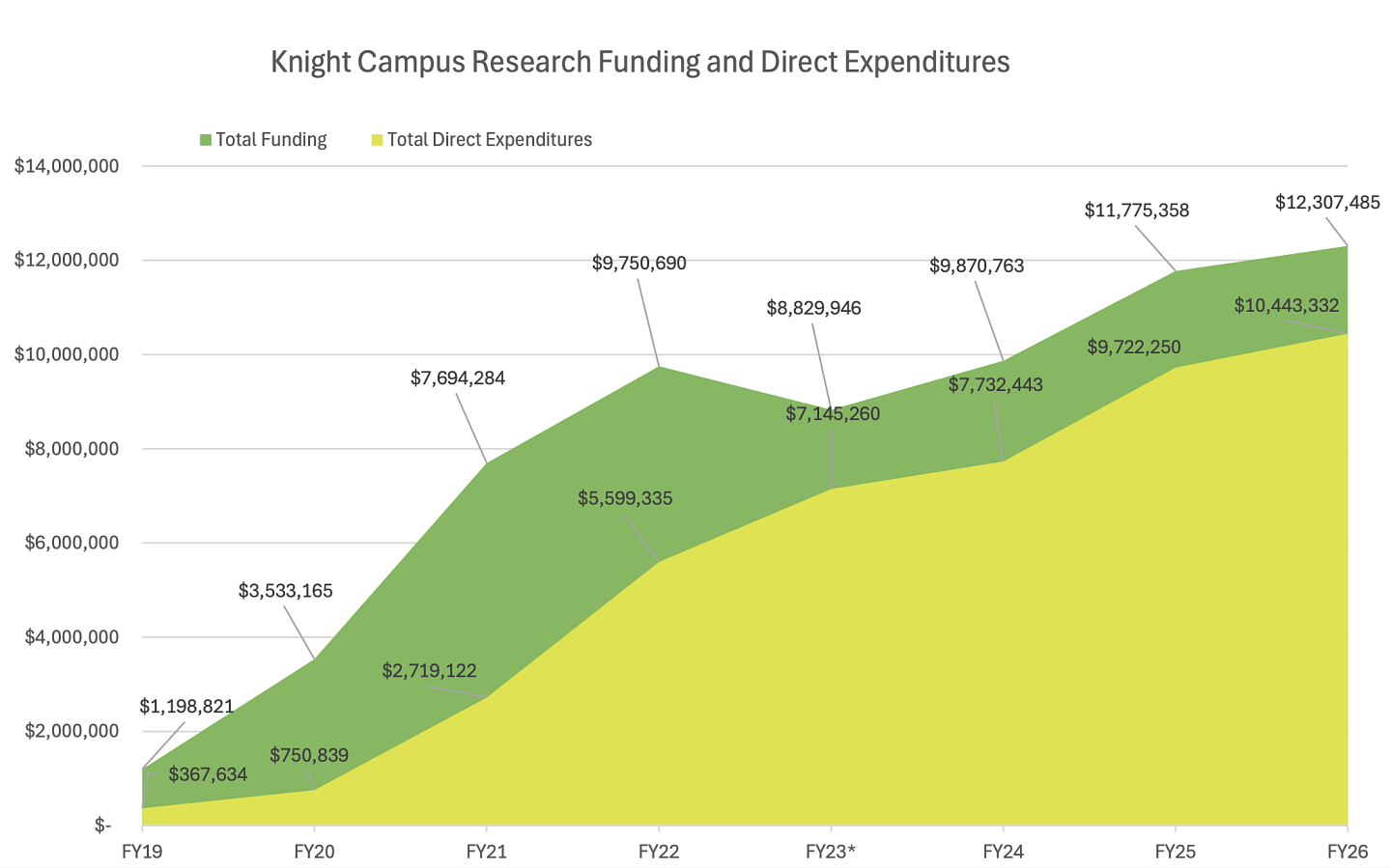
Highlights & 5-Year Funding / Expenditures
$87 M*
Cumulative Research Awards
* Includes known full award amounts, with awards anticipated out to FY32.
Total Number of Proposals Submitted | 87 |
Total Number of New Awards | 22 |
Total Funding Received — All Awards | $12,307,485 |
Total Direct Research Expenditures | $10,443,332 |
Total Number of Labs/PIs | 14 |
Philanthropy
$17,889,269.73
through 120 new gifts and pledges in FY26 – beyond the Knights' visionary philanthropy
$114M
in total cumulative philanthropy (beyond Knight gifts) in support of Knight Campus research, academic and innovation programs, in gifts ranging from $3 to $35M.
Philanthropy
Impact of Giving in 2026
A few examples of inspired gifts to advance the Knight Campus vision of accelerated innovation:
- $4 million from Dennis and Janet Beetham to recruit two polymer chemists – a biomaterials engineer and a polymer materials chemist – to work across the Knight Campus and the UO’s Materials Science Institute
- $5 million from the Robert and Leona DeArmond Trust to name the DeArmond BioFoundry in Knight Campus Building 2
- $1 million from Tom and Cathy Hui to support Hui Scholars in the Knight Campus Undergraduate Scholars program
- $2 million from Bill and Leslie Cornog to support master planning and schematic design to realize our plans for Knight Campus Phase 3
- $5 million from anonymous longtime philanthropic partners to UO to establish Peak Oregon (see story below)
"Our biggest breakthroughs happen when researchers and trainers find ways to work together. Peak Oregon will speed up our ability to move a promising finding from the lab to a tool an athletic trainer can use on the field.”
— Mike Hahn
Director of the Bowerman Sports Science Center
Professor of Human Physiology
Philanthropy
Peak Oregon, a New Partnership to Supercharge Sports with Science
The $5 million lead gift is uniting scientists, engineers, clinicians, and performance experts in translating research into real-world results starting with Oregon's student-athletes and expanding to athletes at all skills and ages.
Longtime University of Oregon donors have committed $5 million to launch Peak Oregon — “Science at the summit of human performance” — a new, formal partnership between the university's academic and athletics programs. The initiative unites scientists, engineers, clinicians and performance experts in their efforts to prevent injury, speed recovery, and improve health across the lifespan — turning research into real-world outcomes that help athletes live healthier, longer lives.
Peak Oregon builds on the momentum of the Wu Tsai Human Performance Alliance, formally integrating expertise across performance and sport science, athletic medicine, regenerative medicine, biomechanics and data science into a single platform.
"This gift creates a fully integrated precision performance platform, which will allow us to unlock insights that prevent injury, accelerate recovery and cement Oregon’s national leadership in performance science and innovation,” said Bob Guldberg, Robert and Leona DeArmond Executive Director of the Knight Campus and Director of the Wu Tsai Human Performance Alliance at Oregon.
UO Athletics has long been a pioneer in improving the performance of its student athletes — sports scientists have been collecting performance data and producing applied peer-reviewed research since the Marcus Mariota Sports Performance Center opened in 2016 — and well before then the department has been an innovator in sports performance. Peak Oregon is deepening those efforts to maximize the physical development, availability and return-to-play processes for UO student-athletes, emboldening Oregon’s effort to improve student-athlete availability, identify injury risk earlier, practice a data-informed approach to injury prevention, and tailor rehabilitation and return-to-play plans to each individual athlete.
"This partnership represents another tremendous commitment to University of Oregon student-athletes, and Peak Oregon takes our sport science efforts to the next level,” said Rob Mullens, University of Oregon's Athletic Director. “Collaboration by placing sport science staff alongside researchers at the Knight Campus and the Bowerman Sports Science Center will lead to greater insights on maximizing performance and reducing injury risk for Duck student-athletes. The work conducted through Peak Oregon also has the potential to help athletes at every level and Oregonians of every age live healthier and more active lives."

Explore the Knight Campus
Discover programs designed to accelerate scientific impact—from doctoral research to applied master's programs to hands-on innovation training for undergraduates.