
Research
Accelerating scientific discovery and its translation into real-world applications
Advancing bioengineering research, biomedical data science and high-tech workforce training — transforming human health, accelerating commercialization of new technologies and preparing PhD and master’s students for scientific and industry leadership.
Knight Campus Research Focus Areas
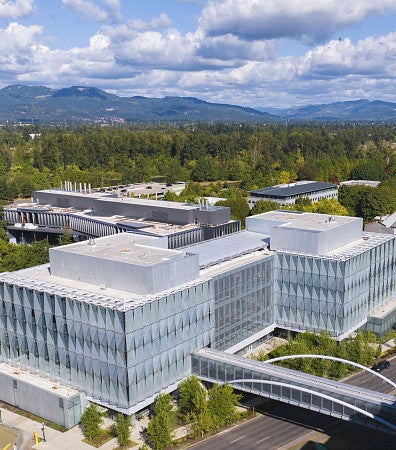
The Knight Campus is home to 15 independent, faculty-led bioengineering labs spanning 3D printing, microphysiological systems, tissue regeneration, and biomaterial development. Our researchers work in state-of-the-art facilities within a collaborative environment, and many of our faculty are entrepreneurs themselves, actively involved in building startups alongside their research.
Biomaterials
Combining materials chemistry and biomedical engineering to design new functional materials, 3-D structures, tools and devices that address key challenges in the clinic.
See how the Dalton Lab is creating biomaterials with a wide applications →
Potential impact:
Medical Sensors & Devices
Combining materials, data science, and device architecture to create implantable and wearable medical sensors and devices that change the study and treat diseases and injuries.
See how the Ong Lab develops implantable wireless sensors →
Potential impact:
Faculty Labs
Protein Engineering & Synthetic Biology
Developing new proteins, peptides, nucleic acids and systems with designed properties and predictable behaviors. We repurpose biological cells as factories allowing simple large-scale low-cost manufacturing of complex macromolecules.
See how the Plesa Lab creates large biological datasets →
Potential impact: antibiotic resistance
Neural Engineering
Developing novel implantable interfaces for the brain and peripheral nervous system.
See how the Deku Lab creates a high density neural interface →
Potential impact: alzheimers, Parkinsons disease, vision loss
Biomedical Artificial Intelligence
Combining curated datasets and the latest in machine learning to develop models of complex biological systems trained to make automated, repeatable, data-driven decisions.
See how the Gardner Lab created an AI tool that automatically parses birdsongs →
Potential impact: cancer, cognition,
Regenerative Rehabilitation & Human Performance
Integrating engineered technologies to measure, model, regenerate and enhance the performance of tissue systems.
See how the Hettiaratchi Lab builds microstructures to help muscle cells grow →
Potential impact: aging, female athletes
Faculty Labs
Knight Campus Research Labs
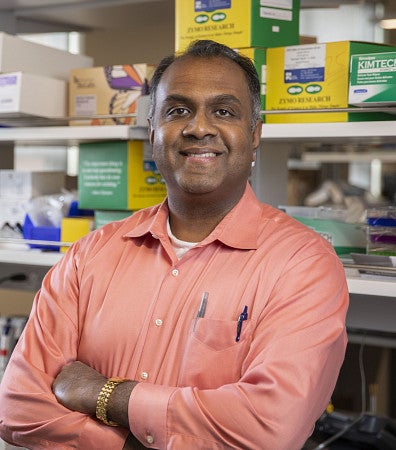
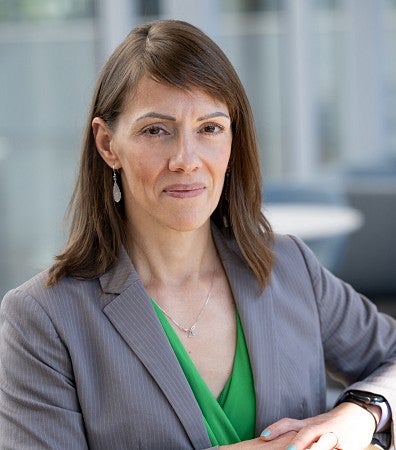
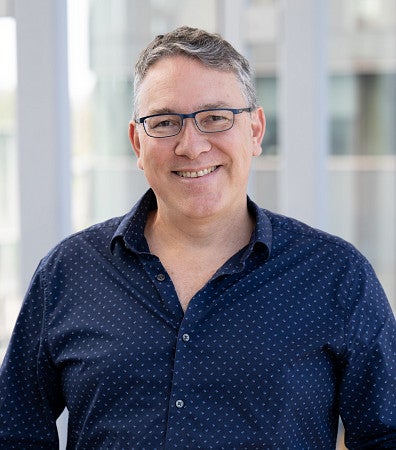
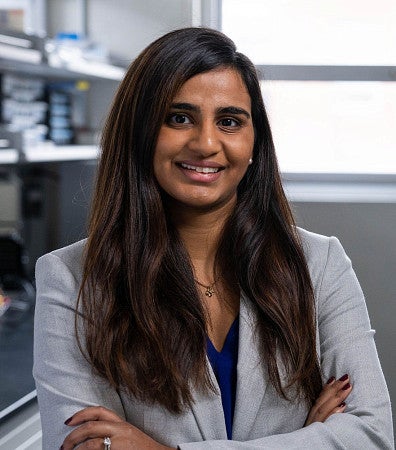
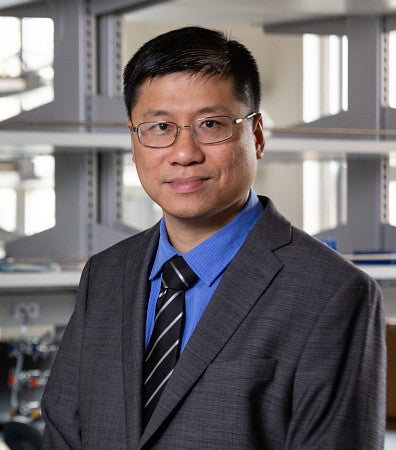
Assistant Professor, Bioengineering (starting September, 2026)
biomedical artificial intelligence
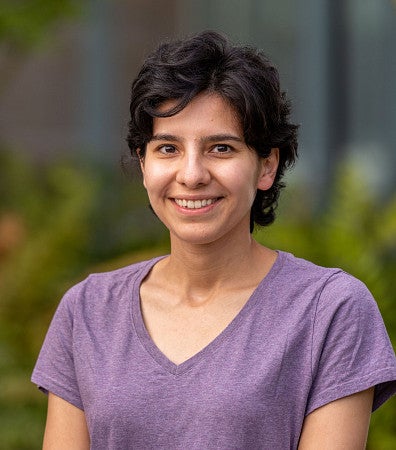
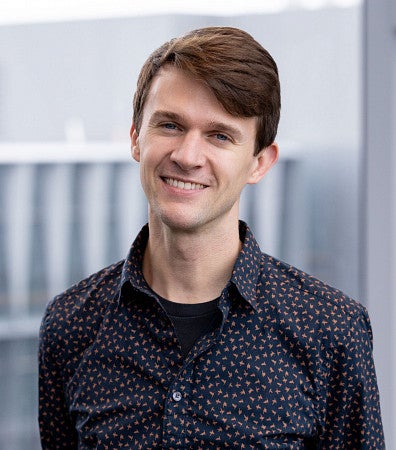
Assistant Professor, Bioengineering (starting September, 2026)
neural engineering
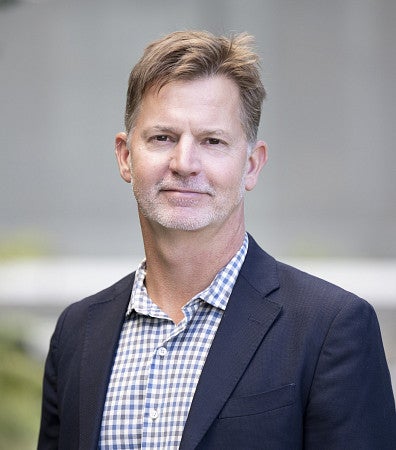
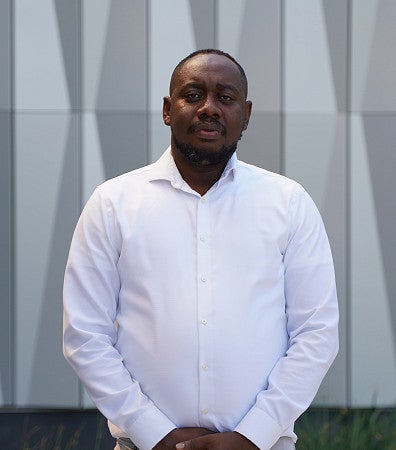
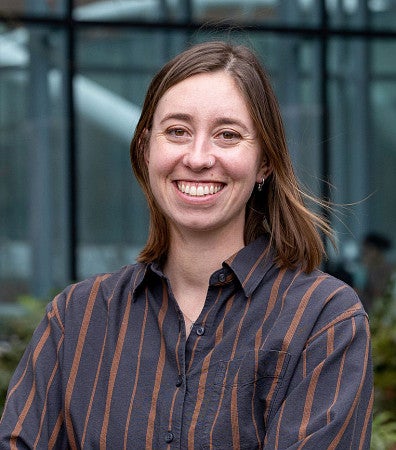
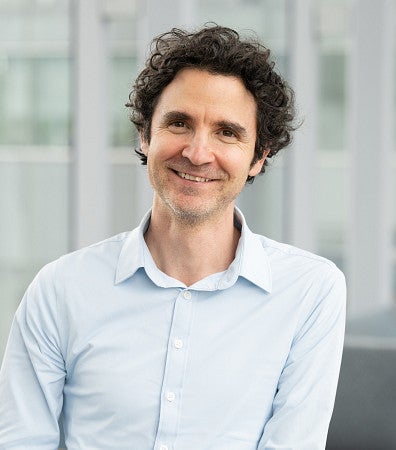
Bradshaw and Holzapfel Research Professor; Associate Professor, Bioengineering
biomaterials
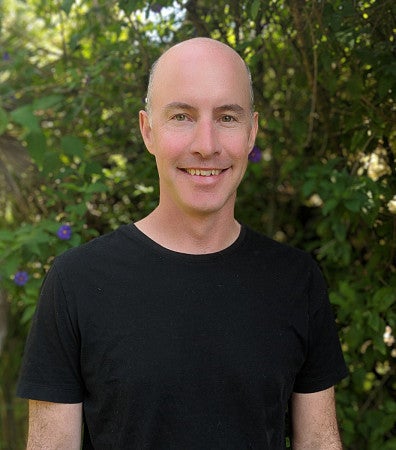
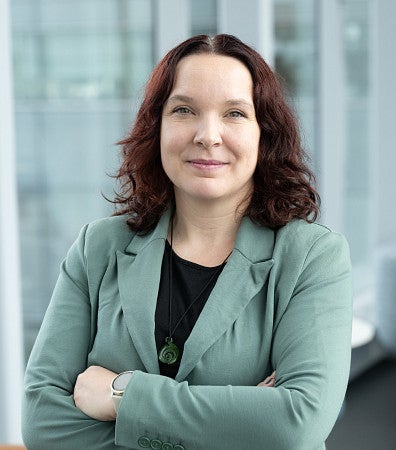
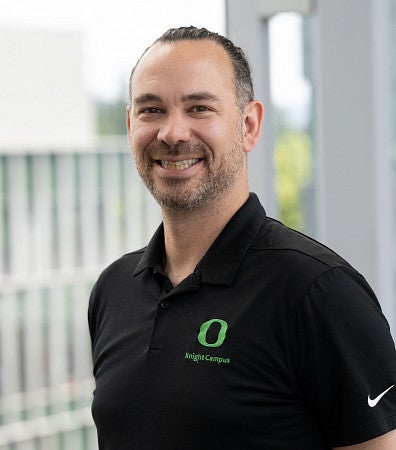
Betsy and Greg Hatton Assistant Professor in Neuroengineering, Bioengineering
neural engineering
Research Grants, Gifts and Funding
Our research is supported through a combination of large philanthropic gifts, competitive fellowships, and externally funded grants. Through combining philanthropic funding with grants and industry partnerships, the Knight Campus provides financial support that allows students and faculty to pursue long-term research projects, develop new technologies, and move discoveries from the laboratory to commercialization more rapidly.
in cumulative research awards (known full award amounts, with awards anticipated out to FY31).
of our Bioengineering graduate students are supported by external fellowships and awards, including NSF Graduate Research Fellowships, NIH T32 training grants and F31 fellowships.
of funding for Knight Campus made possible by two $500 million gifts from Penny and Phil Knight, $80+ million in directed state funds and gifts from hundreds of donors.
total funding received in FY25
Recent Faculty Grant Highlights
NIH UG3 Award
Granted to Danielle Benoit for the project "Bone-Targeted Nanoparticles to Accelerate Fracture Healing in Aging Populations".
Dr. Miriam and Sheldon G. Adelson Medical Research Foundation (AMRF) Award
Granted to Tim Gardner for advanced neural interfaces for chronic electrophysiological studies of brain injury and repair.
NSF Pathways to Enable Open-Source Ecosystems Award
Granted to Paul Dalton for the project "POSE: Phase I: MEW Ecosystem for Transformative Research (METR)".
CZI Scaling Up Synthetic Biology Award
Granted to Calin Plesa to support scaling up DropSynth’s capacity by more than sixfold.
Recent Knight Campus Publications
Benoit Lab
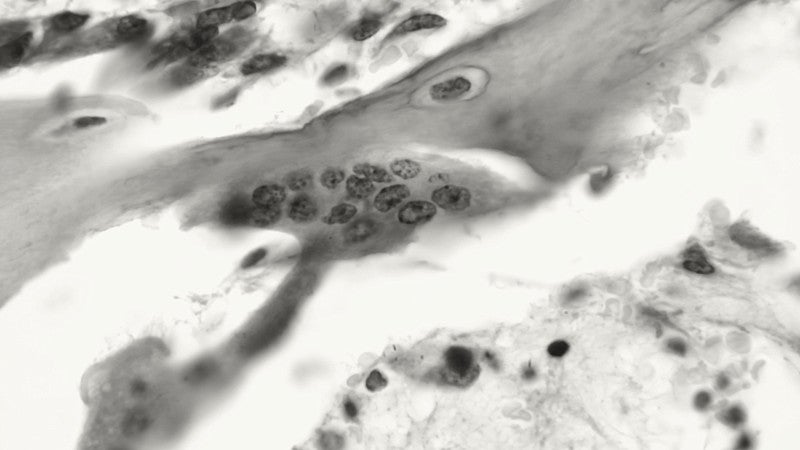
Regenerative bone-targeted nanoparticles modulate osteoclast function
Nanoscale Horizons
biomaterials

Gardner Lab
TweetyBERT: Automated parsing of birdsong through self-supervised machine learning
Patterns
neural engineering

Lindberg Lab
Spatial Patterning of Modular Gelatin-Peroxide Microspheres in Melt-Electrowritten Scaffolds Provides Controlled Oxygen Generation and Mitigates Hypoxia and Cytotoxicity
Advanced Healthcare Materials
biomaterials
Research News
Explore the latest stories, events, and scientific advancements.

Explore the Knight Campus
Discover programs designed to accelerate scientific impact—from doctoral research to applied master's programs to hands-on innovation training for undergraduates.