
Phil and Penny Knight Campus for Accelerating Scientific Impact
Annual Report · Fall 2026
Science Advancing Society
Record enrollment, our first PhD graduates and a second research building nearly finished. Here is what 2024–25 looked like at the Knight Campus, and how far we've come since the first gift in 2016.
Figures cover academic and fiscal year 2024–25 unless noted.
The year in numbers
93
New master's students in KCGIP, a record class
90%
of master's graduates hired within three months
$12.3M
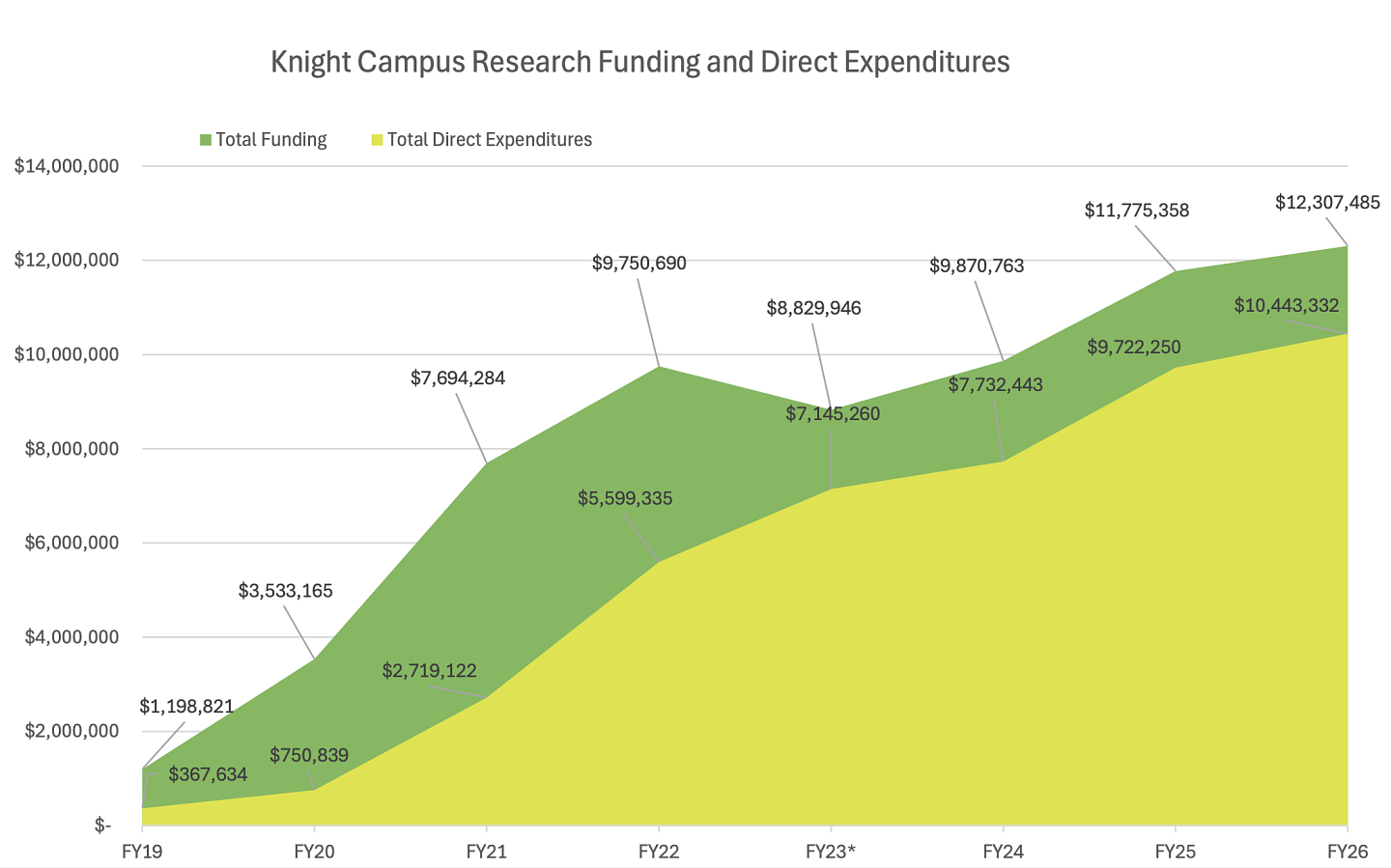
in research funding received across all awards
$7.4M
raised through 81 new gifts and pledges
01 · A letter from the executive director
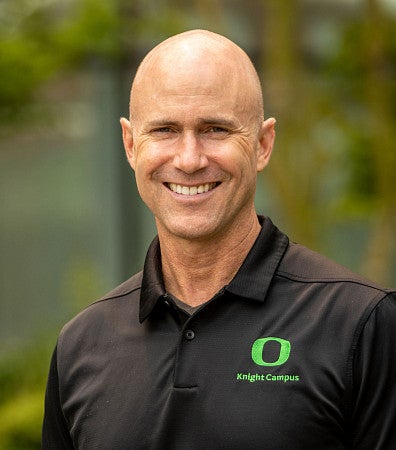
"We are fast becoming an irresistible destination for high-performing faculty and students — a center of excellence with global reach."
Dear Friends and Colleagues,
From record enrollment to new startup companies, we had plenty to celebrate in 2024-2025 at the Knight Campus — and we have lots to look forward to as we continue to harness the momentum we've established and super-charge our mission of Science Advancing Society. We're evolving into a regional hub of research and innovation and a world-class training ground for the next generation of pioneering innovators, leaders and disruptors.
In June, Knight Campus Graduate Internship Program (KCGIP) welcomed its largest class ever. KCGIP continues to serve as a national model in which applied graduate education seamlessly connects talent to industry, enabling our graduates to thrive in high-demand fields.
That same month, we also celebrated the graduation of our inaugural cohort of PhD students in bioengineering. Our programs now compete with the top global centers for students and faculty, and when they arrive here, many are embracing our mission to develop and launch critical innovations on an accelerated timeline.
With construction nearly completed on Knight Campus Building 2, our growing influence is on clear display. The building will more than double our physical footprint, providing a new home for 17–20 additional research groups, expanded teaching spaces, advanced student makerspaces and collaborative environments that encourage invention — including a new core facility for biofabrication and bioanalysis and a second Papé Family Innovation Center.
An ethos of innovation and entrepreneurship pervades everything we do at the Knight Campus. We are piloting a new Oregon model — one designed to avoid barriers between academia and industry and unlock new partnerships.
Through it all, we continue to align closely with President Scholz's university-wide priorities: enhancing career preparation, innovating for societal impact, and strengthening community — the Knight Campus is a key contributor to each of these goals.
UO is known for its iconoclastic innovation, from pioneering athletic performance to breakthrough technologies. The Knight Campus represents the next chapter in that story. We are fast becoming an irresistible destination for high-performing faculty and students — a flywheel for research, innovation and societal benefit — a center of excellence with global reach.
Thank you for being part of this journey.
Robert E. Guldberg, PhD
Robert and Leona DeArmond Executive Director, Phil and Penny Knight Campus for Accelerating Scientific Impact; Director, Wu Tsai Human Performance Alliance at Oregon; Professor, Department of Bioengineering; Vice President, University of Oregon
02
Through the Years
Ten years ago the Knight Campus was a gift and a plan. Here is each step from the first $500 million commitment to a second research building, and how this year compares with the 2023 report.
2016
First $500M gift
Phil and Penny Knight commit $500 million to launch a new model for turning research into impact.
2020
Building 1 opens
The first building opens on the Millrace in December, and the bioengineering PhD welcomes its first cohort.
2021
Second $500M gift
The Knights double their commitment, funding a second research building and program growth.
2023
Building 2 breaks ground
The 2023 report marked the groundbreaking, a fourth PhD cohort and the largest group of undergraduate scholars yet.
2024
Brewing Innovation minor
A new minor teaches innovation through the craft and science of brewing, in a dedicated fermentation lab.
2025This report
First PhD graduates
The first in-person graduation hoods UO's first engineering PhDs, and KCGIP welcomes a record 93 students.
2026
Building 2 opens
185,000 square feet for 17–20 research groups, a BioFoundry core and a second Papé Family Innovation Center.
03
Stories From the Year
19 stories across milestones, students, centers, research and innovation. Jump to a topic, or scroll through the year.
Milestones
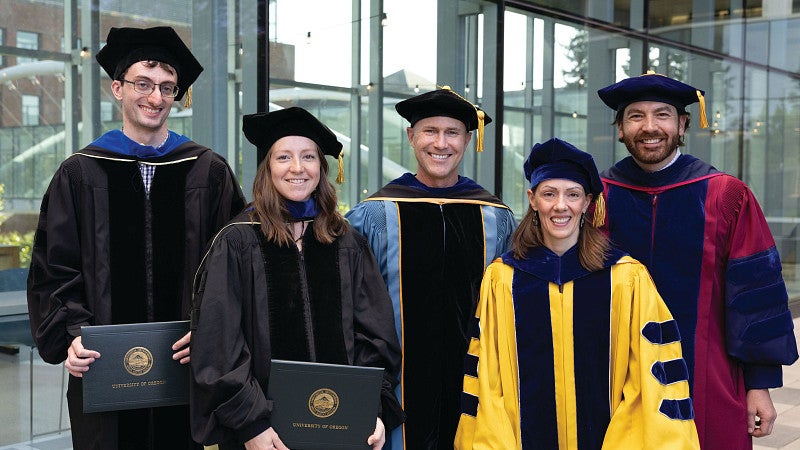
Knight Campus hosts its first in-person graduation
On June 15, 2025, the Knight Campus celebrated master's graduates in five KCGIP tracks and its first bioengineering PhD recipients, the University of Oregon's first engineering degree holders.
Benoit, Guldberg and Nathan Jacobs led a traditional hooding ceremony. "You are the very first graduates of this department," Benoit told them. "Thank you for being our pioneers."
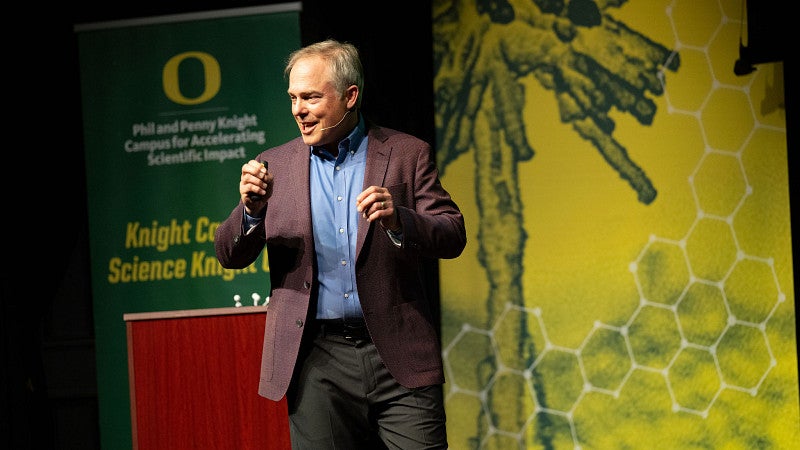
Hutchison shares his passion for chemistry at Science Knight Out
Jim Hutchison, a pioneer in green chemistry and nanoscience, was the ninth speaker in the free public lecture series.
His talk, "Tapping the Power of Chemistry: From Green Products to Brewing Innovation," traced a career that led to products like DeFunkify through his startup, Dune Sciences.
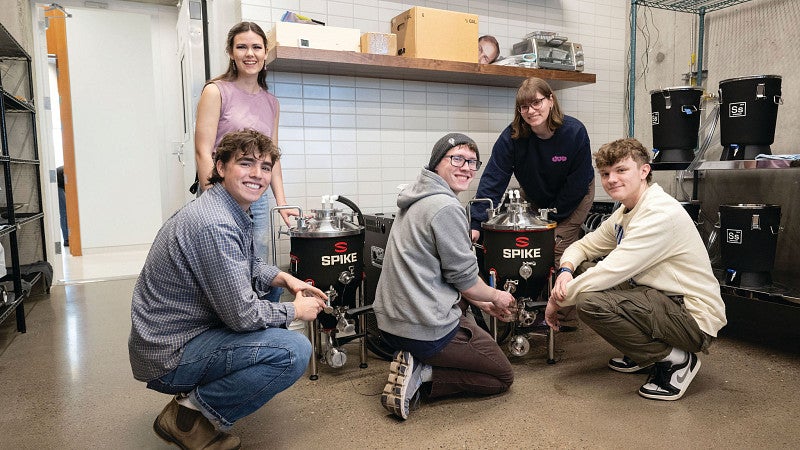
Brewing Innovation students launch a community collaboration
Students unveiled a collaboration brew with Wheel Apizza Pub head brewer Toby Schock during Eugene Beer Week.
The beer used locally sourced Oaxacan green dent corn and herbs and flowers from Ecuador, giving it a pink hue, plus a wild culture introduced through tepache.

Building 2 expands innovation and opportunity
Designed by ZGF Architects, Building 2 will house 17–20 research groups and a second Papé Family Innovation Center.
Highlights include "The BioFoundry" core facility for biofabrication and bioanalysis, a student maker space, a public café on the Millrace and a LEED Gold target.
Student Success
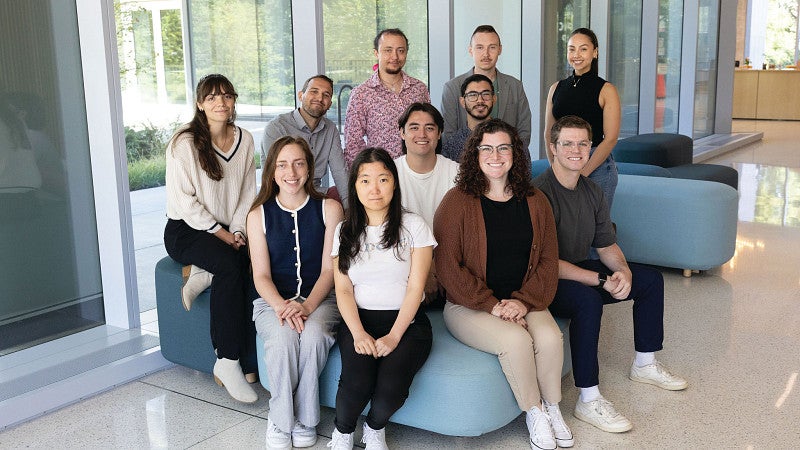
Bioengineering welcomes its sixth PhD cohort
The newest students began with IMPACT Week, the department's training in science communication, innovation and entrepreneurship.
Seven PhD students are supported by competitive external fellowships, and 68 undergraduates are pursuing the bioengineering minor.
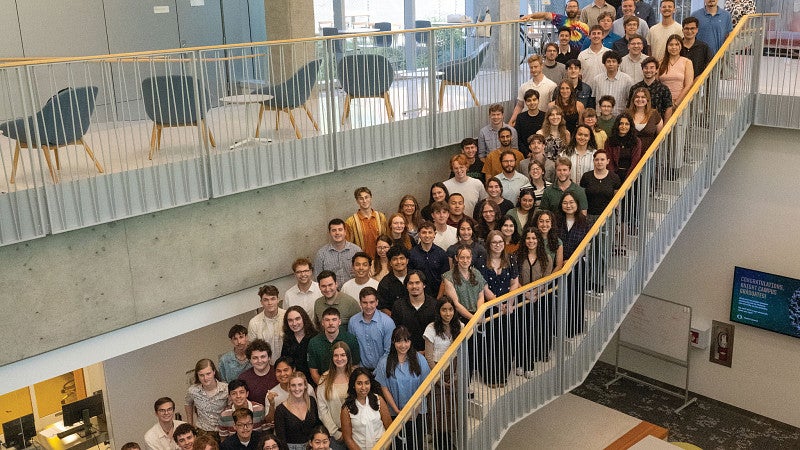
KCGIP launches a record 2025 cohort
Growth was led by the semiconductor track, which saw more than a 35% boost in enrollment.
The 25-year-old program has a 98% graduation rate and a 90% employment rate, with tracks in bioinformatics, sensors, optics, polymers and semiconductors.
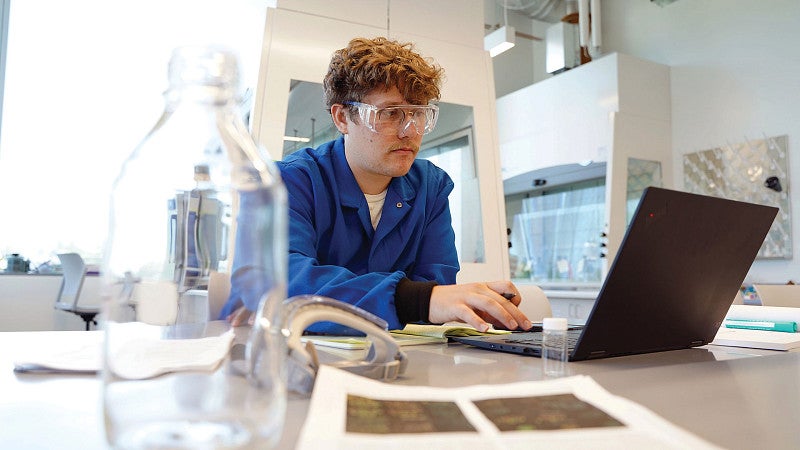
KCGIP expands workforce opportunity across Oregon
Partnerships with Lane, Umpqua and Central Oregon community colleges cultivate STEM talent beyond the master's level.
Over the NSF grant, 64 scholars will receive scholarships, research stipends, mentoring and more than 100 hours of career readiness training, with 30 more supported by Workforce Ready.
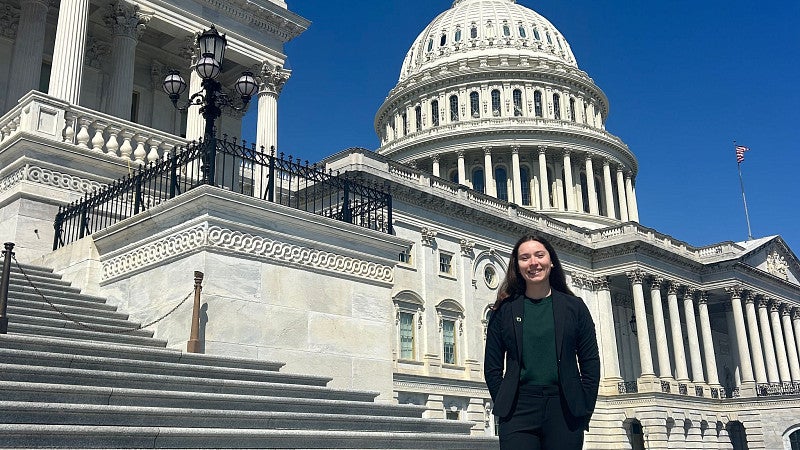
From lab bench to Capitol Hill
PhD candidate Lia Strait met with Senator Jeff Merkley and Oregon congressional staff to share how federal research funding drives medical innovation.
"I already had a lot of storytelling experience from the Knight Campus, so I felt ready," Strait said.
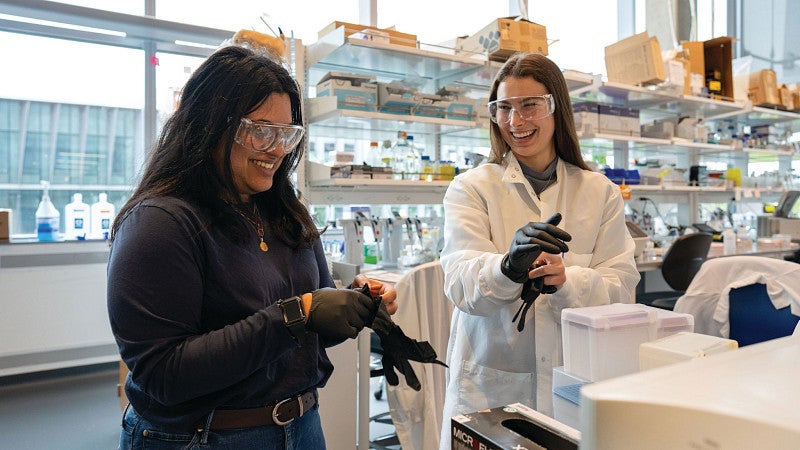
Knight Campus Undergraduate Scholars
Scholars spend 12 months on independent research projects with mentors in Knight Campus–affiliated labs.
20% are first-generation students, 25% are transfers, 55% are in the Clark Honors College and 70% graduated from an Oregon high school.
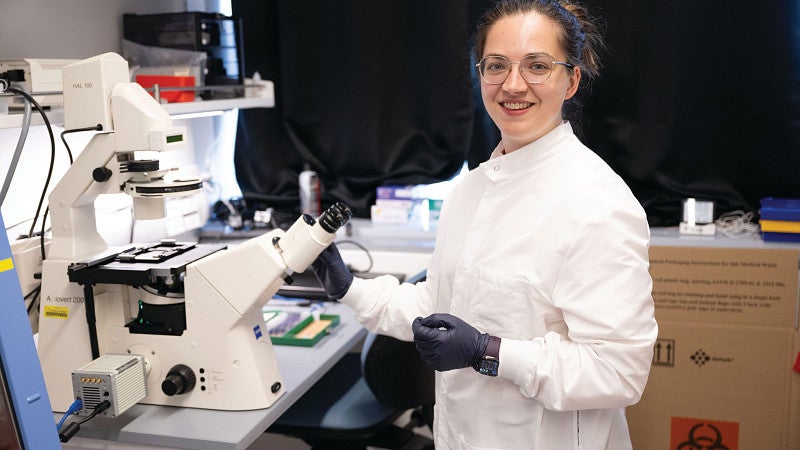
Rose Hulsey-Vincent wins an NIH predoctoral fellowship
Her research in the Gardner Lab studies how canaries' brains arrange individual sounds into complex songs.
The work could inform new approaches to speech conditions such as stuttering. The Knight Campus also hosted its first six PhD dissertation defenses this year.
Centers of Excellence
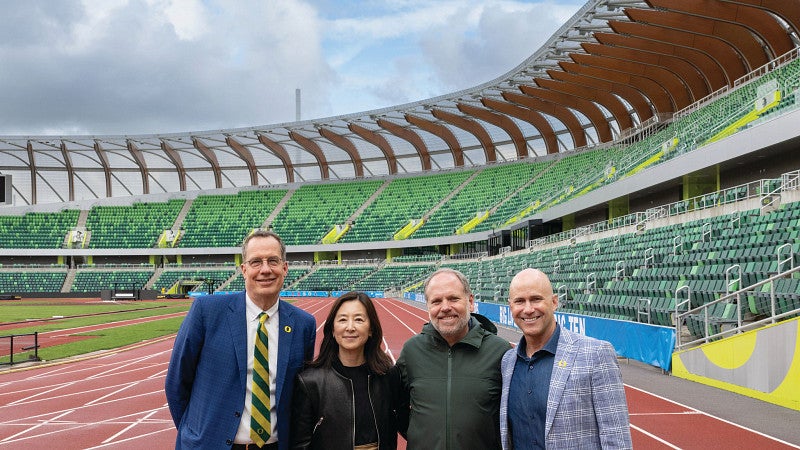
Translating research into impact for athletes
The Wu Tsai Human Performance Alliance at Oregon turned findings into practical tips through a spring symposium, Instagram runs and podcasts.
Keynote speakers included Dr. Cindy Chang of the National Women's Soccer League and Gillian Weir of the New York Yankees.
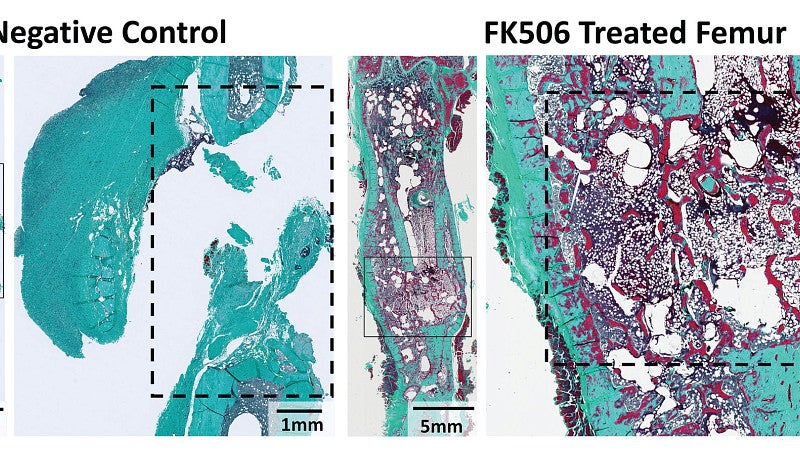
Old dog, new tricks: repurposing a drug for bone regeneration
The Willett Lab showed that Tacrolimus, an immunosuppressant for transplant patients, could also promote bone regeneration.
In spinal fusion models, it matched the fusion rates of common treatments like BMP without some of the typical side effects. More study is needed before human use.
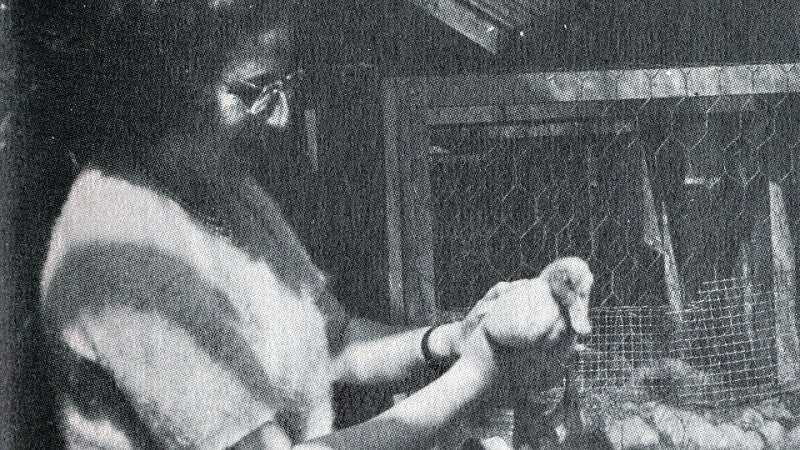
The Hildegard Lamfrom Graduate Scholars Program
The program honors a pioneering molecular biologist and supports biomedical data science research between UO and OHSU.
Lamfrom's protein synthesis experiments gave early evidence for the molecule later identified as RNA. The program will expand to undergraduate and postdoctoral scholars.
Research & Innovation
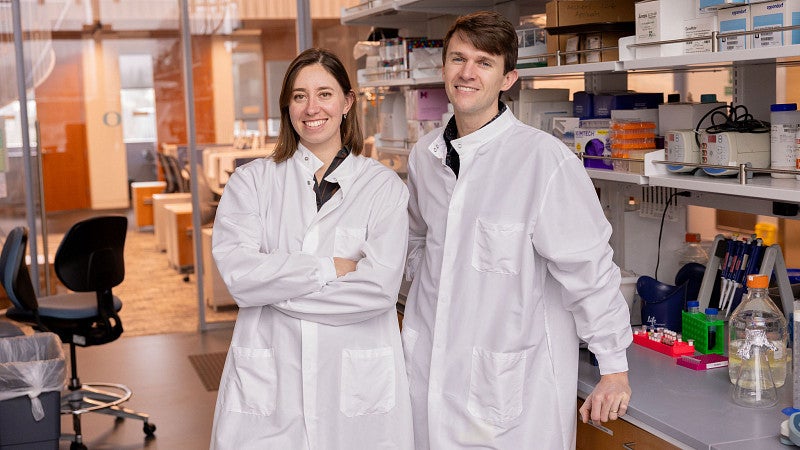
Bioengineering welcomes two new faculty members
Sara Keller brings ultrasound therapies, and David Peeler brings the BRIDGE Lab for immune-focused biomaterials.
Keller won the 2024 L'Oréal-UNESCO For Women in Science Rising Talent Award. Peeler pioneered 3D-printed vaccine delivery systems as a Marie Sklodowska-Curie fellow.
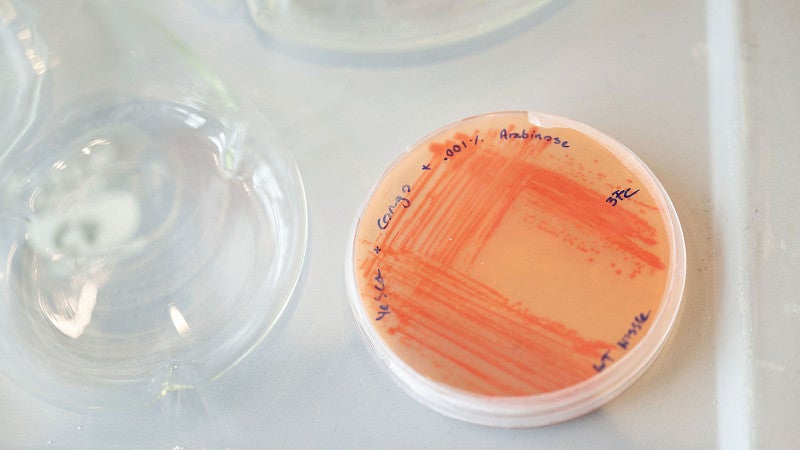
Massive datasets change the fight against superbugs
Calin Plesa's lab maps how a common antibiotic target becomes resistant, building the data that machine learning needs.
His startup, SynPlexity, is commercializing DropSynth so researchers worldwide can generate large biological datasets.
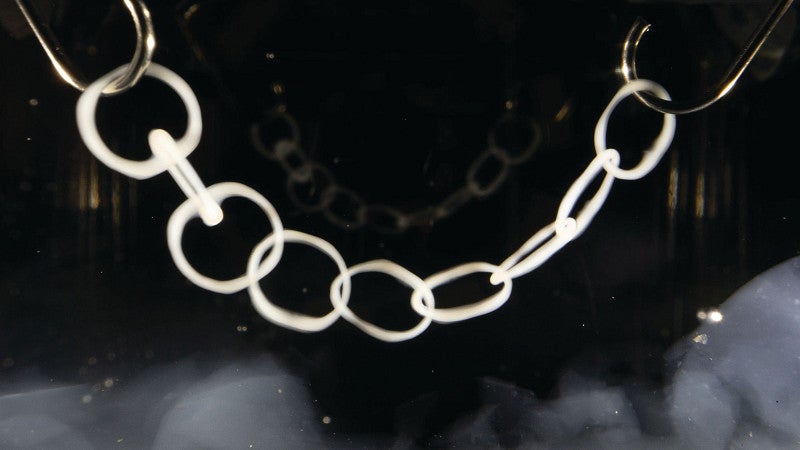
Printing the future of 3D fabrication
The Dalton Lab developed a cheap, stable recipe for volumetric additive manufacturing, which uses light to form 3D structures.
The team printed DNA helices and collapsible chain links, and is exploring collaborations to apply the technology in new fields.
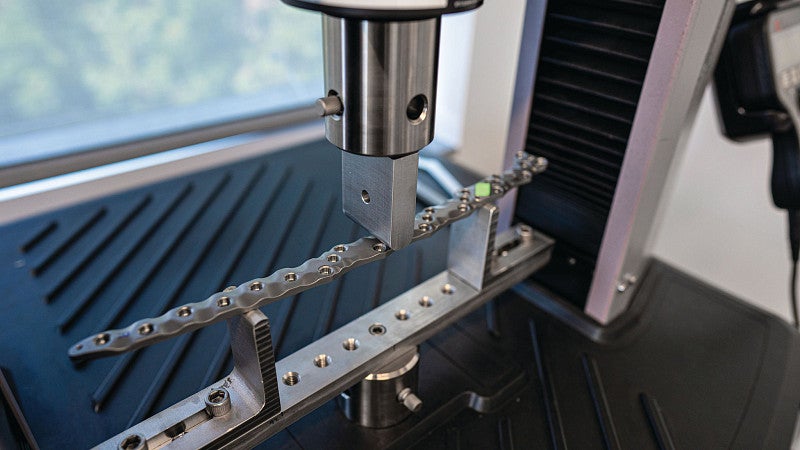
Implantable sensors help scientists improve injury recovery
Sensors from the Guldberg, Willett and Ong labs transmit real-time data from healing bone during rehabilitation.
Resistance-trained animals regained mechanical properties comparable to uninjured bone. The team is now developing battery-free designs for potential human use.
7
Accelerating innovation
startups in the Papé Family Innovation Center
Companies like VivoTex and SynPlexity are spinning out of Knight Campus labs, and the center is expected to be fully leased in 2026.
Building 2 adds 3,000 more square feet of leasable innovation modules. Half of the Knight Campus's research labs have already launched startup companies.
1st
Other highlights
bioengineering faculty member tenured through promotion
Marian Hettiaratchi earned tenure, Calin Plesa received a Chan Zuckerberg Initiative grant, and a Micron grant funded a semiconductor workshop.
Felix Deku and Maryam Jahangiri co-led Semiconductor Launch, bringing 13 prospective students to the Knight Campus for a two-day microfabrication workshop.
04
Knight Campus Research Labs
Seventeen faculty lead labs across six areas of bioengineering. Select a name to visit their lab page.
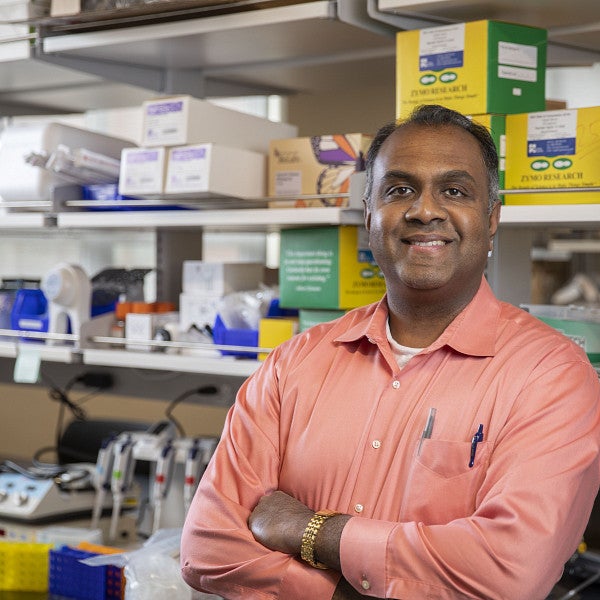
Bala Ambati Research Professor Neural engineering

Danielle Benoit Lorry Lokey Chair of the Department of Bioengineering Biomaterials
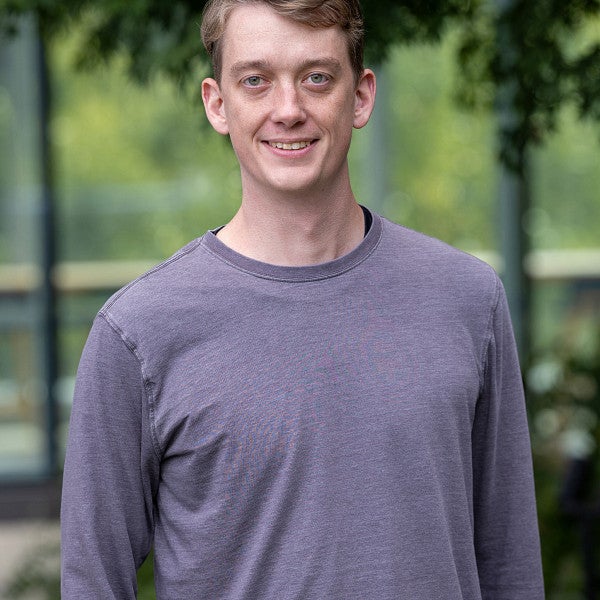
Colin Bredenberg Assistant Professor Biomedical AI Joined fall 2026

Zoé Christenson Wick Assistant Professor Neural engineering Joined fall 2026

Bill Cresko Lorry Lokey Chair Professor Protein engineering & synthetic biology
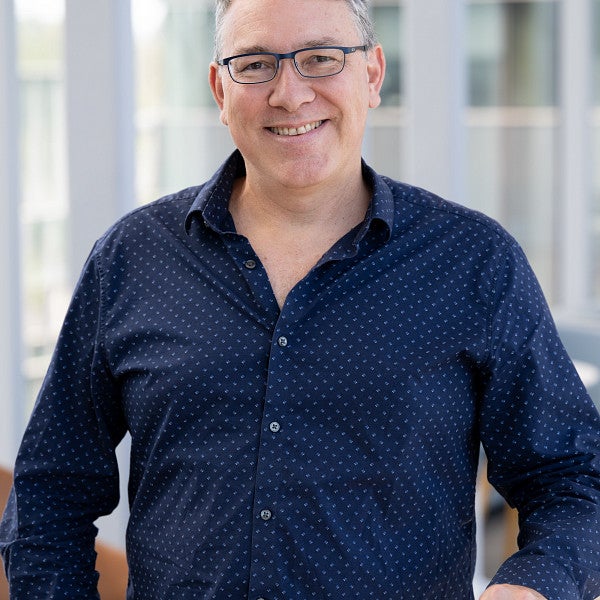
Paul Dalton Bradshaw and Holzapfel Research Professor Biomaterials
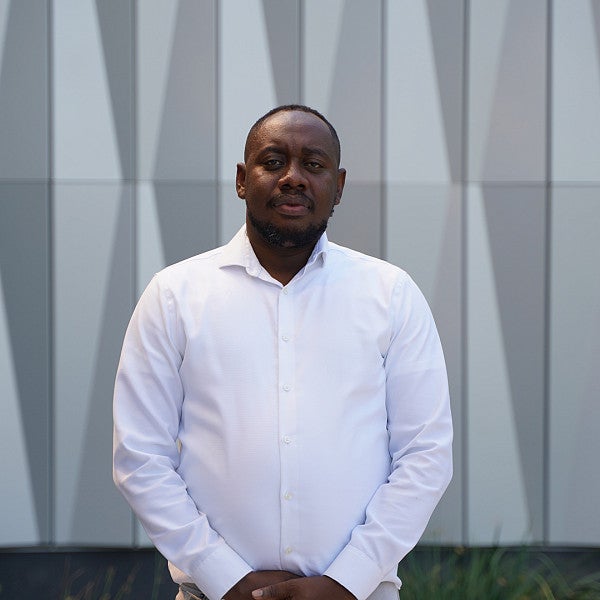
Felix Deku Betsy and Greg Hatton Assistant Professor in Neuroengineering Neural engineering
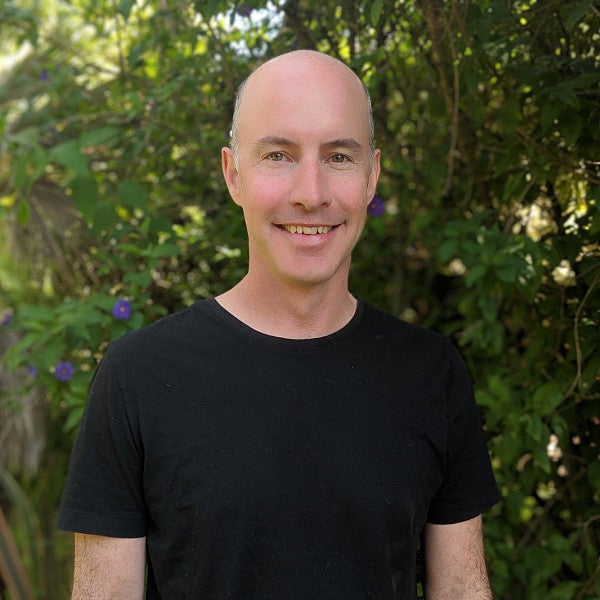
Tim Gardner Associate Professor Neural engineering
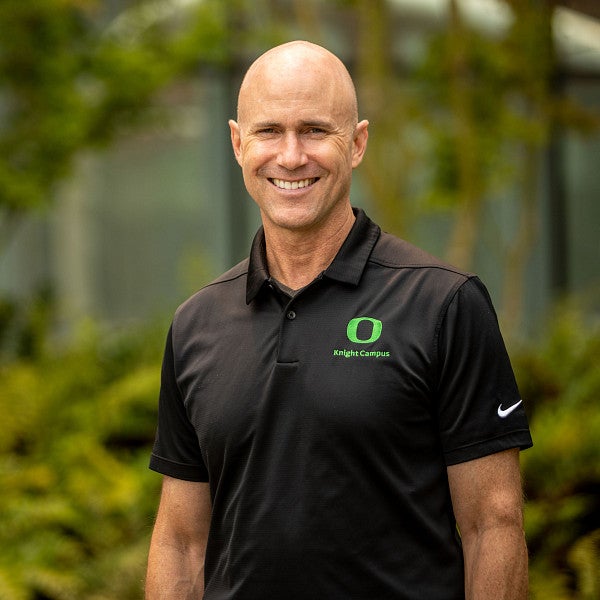
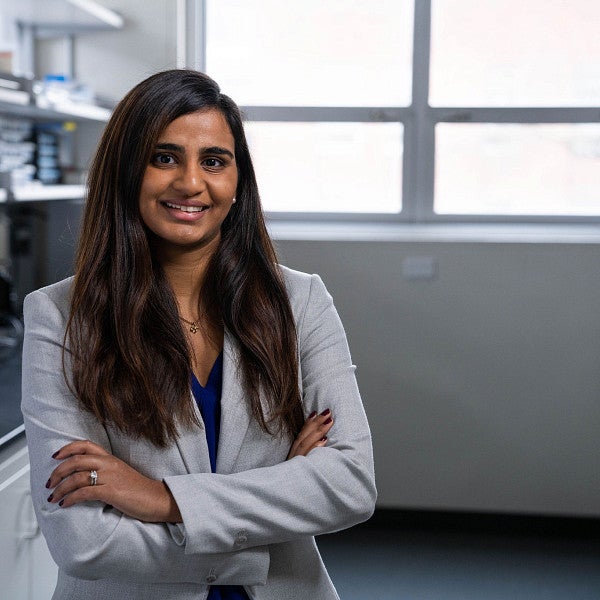
Marian Hettiaratchi Lary Simpson Professor; Associate Professor Biomaterials
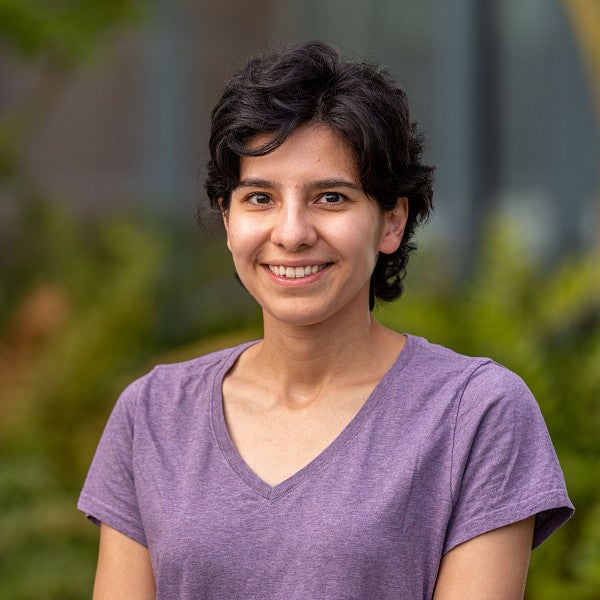
Parisa Hosseinzadeh Assistant Professor Protein engineering & synthetic biology
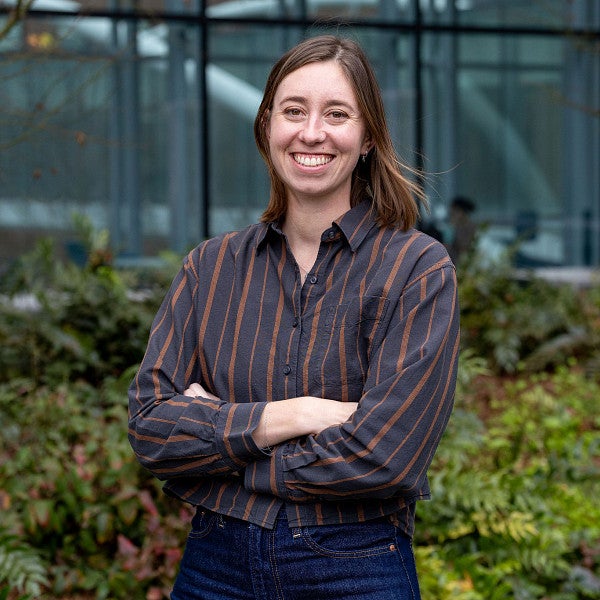
Sara Keller Assistant Professor Medical sensors & devices

Gabriella Lindberg Assistant Professor Biomaterials
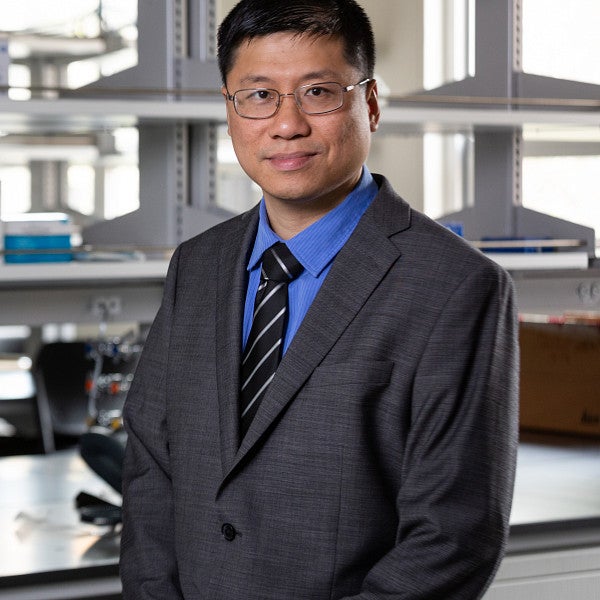
Keat Ghee Ong Professor Medical sensors & devices
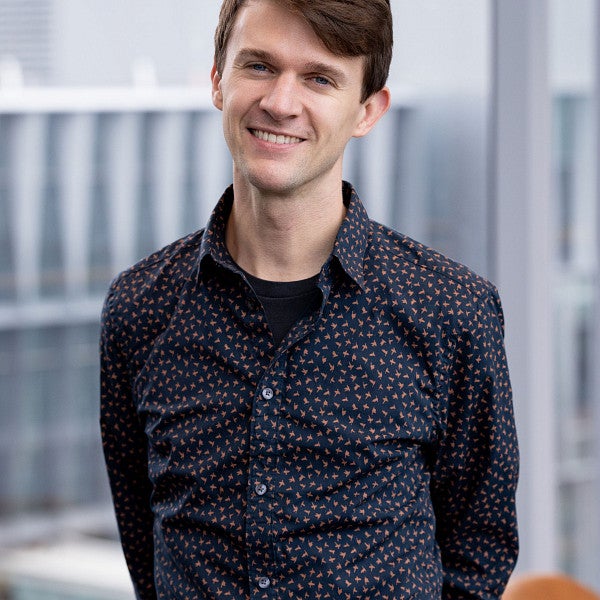
David Peeler Assistant Professor Biomaterials
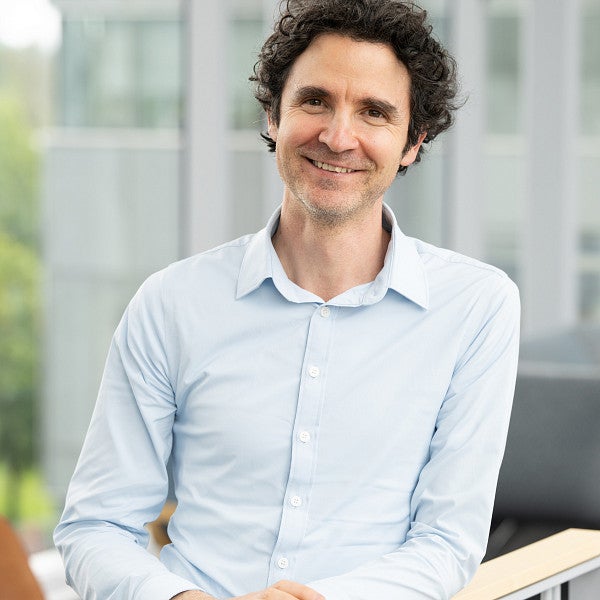
Calin Plesa Assistant Professor Protein engineering & synthetic biology
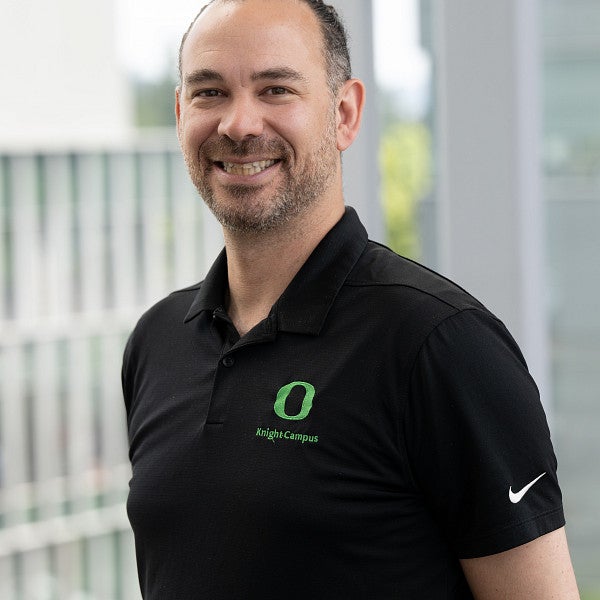
Nick Willett Associate Professor Regenerative rehabilitation & human performance
Half of the Knight Campus's research labs have already launched startup companies.
05
Externally Sponsored Research
Competitive grants fund most of the work in Knight Campus labs. Fourteen principal investigators submitted 87 proposals this year.
$87M
Cumulative research awards to Knight Campus labs
Includes known full award amounts, with awards anticipated out to FY32.
Bars compare each pair: awards as a share of proposals, and expenditures as a share of funding received.
Five-year funding and expenditures
06
Philanthropy
Beyond the Knights' two $500 million gifts, donors have contributed $104.9 million to Knight Campus research, academic and innovation programs, in gifts from $3 to $35 million.
$7.4M
Raised through 81 new gifts and pledges in FY25
$4.4M
Giustina family gift creating a graduate fellowship program
20
Giustina fellows in the first cohort; seven have won major external fellowships
20
Undergraduate scholars, all funded through philanthropy
3×
Robert Family Entrepreneurship Speaker Series events each year
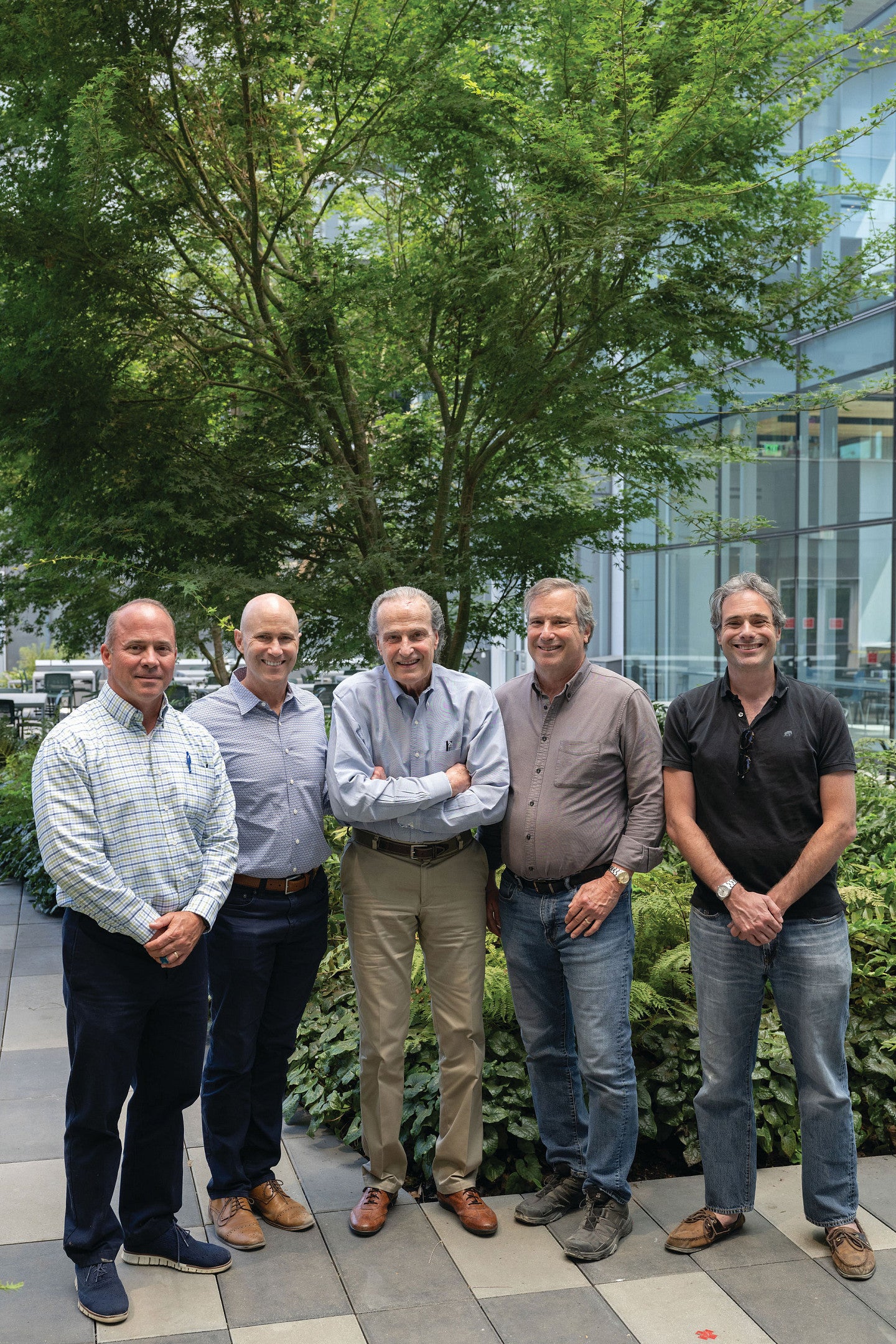
Giustina Knight Campus Fellowship
Knight Campus students win competitive NIH and NSF fellowships at a 50% success rate, versus 15% nationally. A $4.4 million gift from the Giustina family now rewards every student who applies.
"The Giustina Fellowship opens up so many possibilities for my professional growth. It's the kind of investment in my future that I really needed."
Iman von Briesen · PhD candidate, Dalton Lab · 2025 Giustina Family Fellow
Explore the Knight Campus
Programs built to accelerate scientific impact, from doctoral research to applied master's degrees to hands-on innovation training for undergraduates.