
Research that Transforms
Explore the science shaping our future.
The Phil and Penny Knight Campus for Accelerating Scientific Impact fast-tracks scientific solutions from lab to life. Our bioscientists answer today's problems and tomorrow’s unknown challenges.
Why Bioengineering Research?
Bioengineering applies engineering principles to biological systems, leading to breakthroughs in human health, biology, and technology. Bioengineering helps develop new ways to diagnose, prevent, and understand diseases. This includes innovations like medical sensors, imaging technologies, and safer, more effective drug-delivery systems.
These advances improve quality of life and expand the tools available to clinicians and researchers. Bioengineering enables entire industries—biotechnology, biopharmaceuticals, medical devices, and bio-based manufacturing—creating jobs and driving innovation-driven economies.
Our Research Areas
The Knight Campus has 15 independent, bioengineering faculty-led labs, ranging in focus from 3D printing and laser microfabrication to gene therapy, tissue regeneration, and polymer chemistry. Many of our faculty are also entrepreneurs and assist in the development of numerous startups. Researchers at the Knight Campus have access to state-of-the-art facilities for their research and a collaborative environment with expert mentors.
We develop novel implantable interfaces to the brain and peripheral nervous system to advance fundamental science and improve human lives through therapeutic neuromodulation.
We develop and integrate engineered technologies to measure, model, regenerate and enhance the performance of tissue systems. The overall goal of this focus area is to improve human performance throughout all aspects of life, from young to old, healthy to injured and novice to elite.
We work at the interface of materials chemistry and biomedical engineering. We determine what is missing from the engineer’s toolbox and design new functional materials, 3-D structures, tools and devices that address key challenges in the clinic.
We develop new bio-inspired methods to build biological parts (proteins, peptides, and nucleic acids) and systems with designed properties and predictable behaviors. We repurpose biological cells as factories allowing simple large-scale low-cost manufacturing of complex macromolecules.
We push the envelope of implantable and wearable medical sensors and devices to change the ways we study and treat diseases and injuries, by tapping advances in materials and data science, as well as device architecture.
We develop models of complex biological systems using carefully curated datasets and the latest advances in machine learning. These AI systems are trained to make automated, repeatable, data-driven decisions, which ultimately leads to better patient outcomes.
The People Behind the Research
Learn more about the distinguished faculty who make the Knight Campus a leader in innovation.
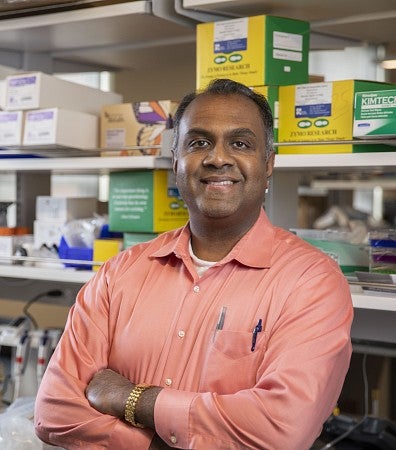
Research Professor, Knight Campus
Bala Ambati

Lorry Lokey Chair of the Department of Bioengineering
Danielle Benoit
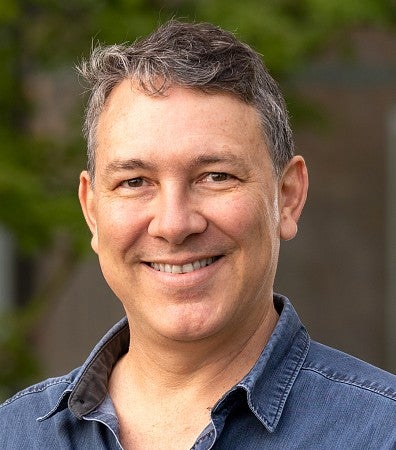
Associate Professor, Knight Campus
Paul Dalton

Assistant Professor, Knight Campus
Felix Deku
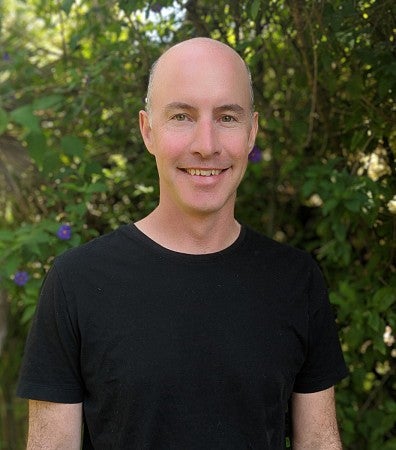
Associate Professor, Knight Campus
Tim Gardner
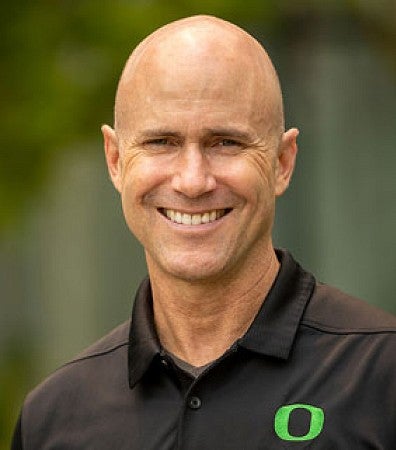
Vice President and Robert and Leona DeArmond Executive Director
Robert Guldberg

Associate Professor, Knight Campus
Marian Hettiaratchi
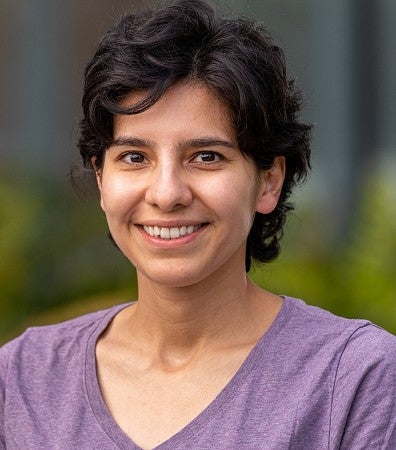
Assistant Professor, Knight Campus
Parisa Hosseinzadeh
Explore Our Research Centers
The Knight Campus connects discovery and innovation through our leading research centers, each driving progress in human performance, biomedical data science, and advanced technology.

Wu Tsai Human Performance Alliance
A collaborative research initiative accelerating discovery in human performance and recovery — spanning genetics, physiology, and engineering.

Center for Biomedical Data Science
CBDS bridges biology and computation to advance data-driven insights in genetics, imaging, and biomedical innovation.
Knight Campus Core Facilities
Cutting-edge tools, technologies, and expertise that enable researchers to turn scientific ideas into impactful results.
Our Research in Action
Home to the Department of Bioengineering and the Wu Tsai Human Performance Alliance, the Knight Campus is accelerating the path from the lab to the marketplace—fueling Oregon's high-tech economy and bringing breakthrough solutions to society faster than ever. See some of the ways our research is making an impact.
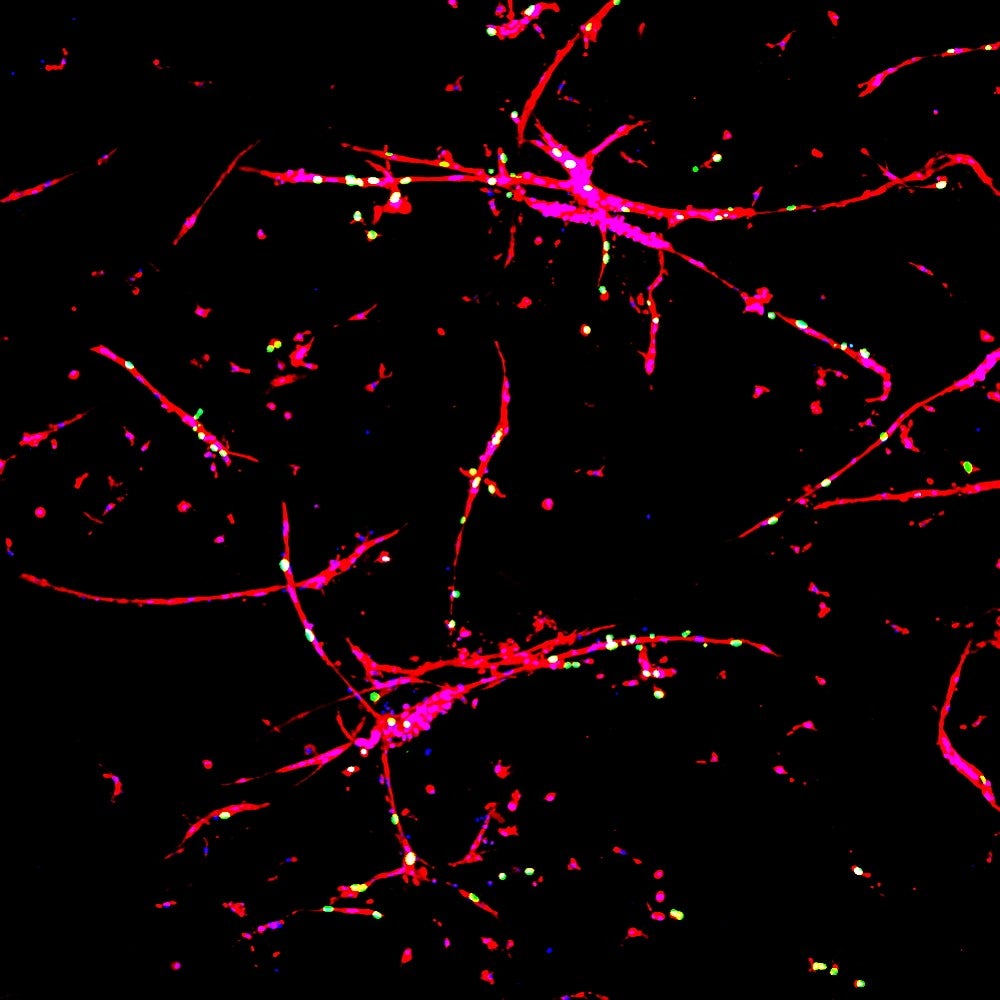
Improving Treatments for Injury Recovering and Poor Circulation
New research from the Knight Campus is advancing models of vascular network regeneration to improve treatments for injury recovery and poor circulation.
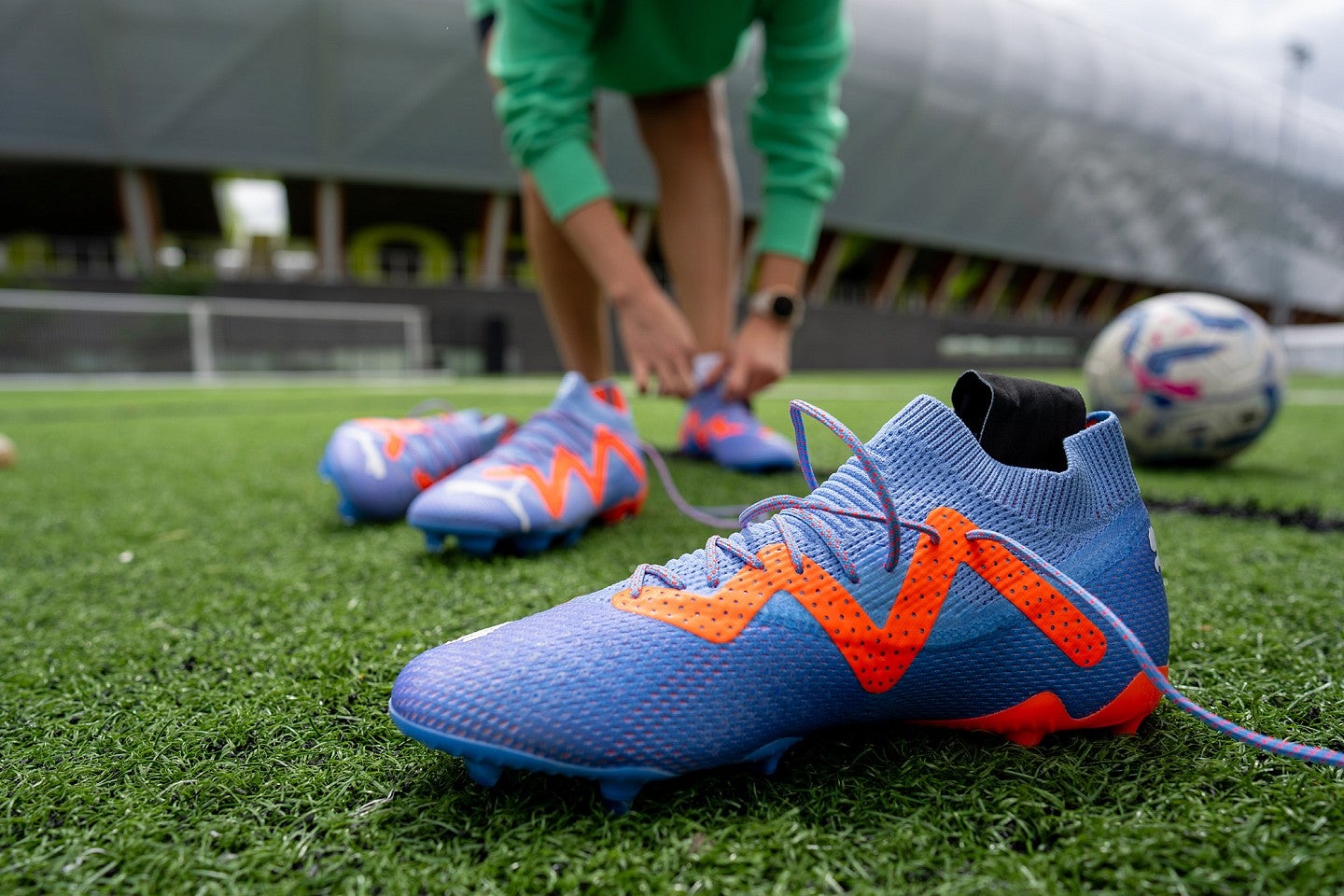
Reducing Injuries Among Female Athletes
A partnership with the sports company Puma will result in a new soccer shoe designed for women.
Read about the research and partnership→
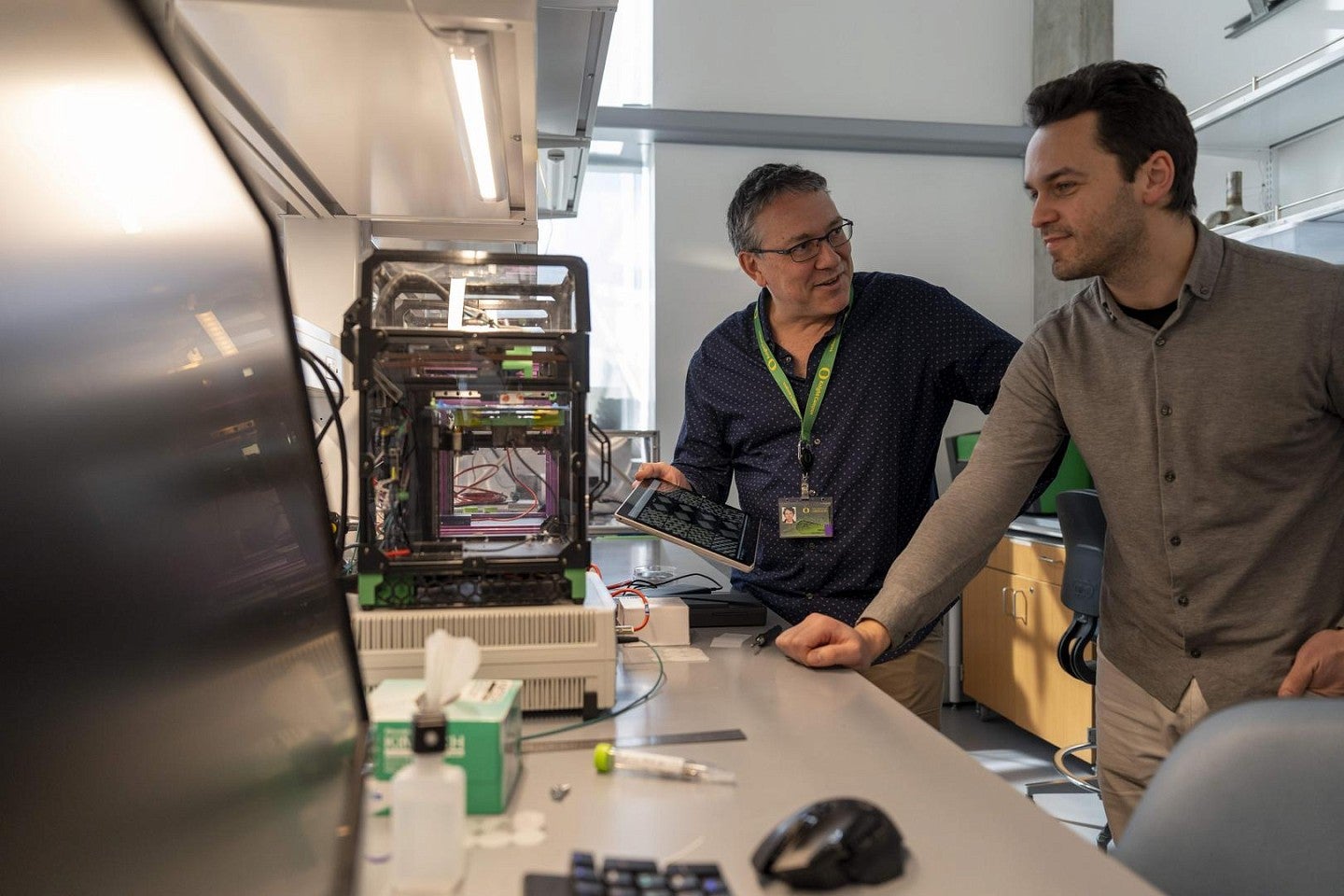
Dalton Lab Publishes Work to Optimize 3D Manufacturing
A new 3-D manufacturing technique from the Dalton Lab, called volumetric additive manufacturing (VAM), which uses light to cross link polymer solutions – has potential applications for implants, hydrogels, and more.
Our Growing Campus
The Knight Campus' physical expansion is progressing with the ongoing construction of Building 2, a four-story science building that will significantly enhance our research and academic capabilities. This new facility, inspired by the advancements in Building 1, will support our mission to advance research and education. Scheduled to open in 2026, Building 2 is expected to house 17-20 research groups focused on bioengineering and biomedical computational science.