
Department of Bioengineering
The Plesa Lab
Large scale protein engineering and characterization
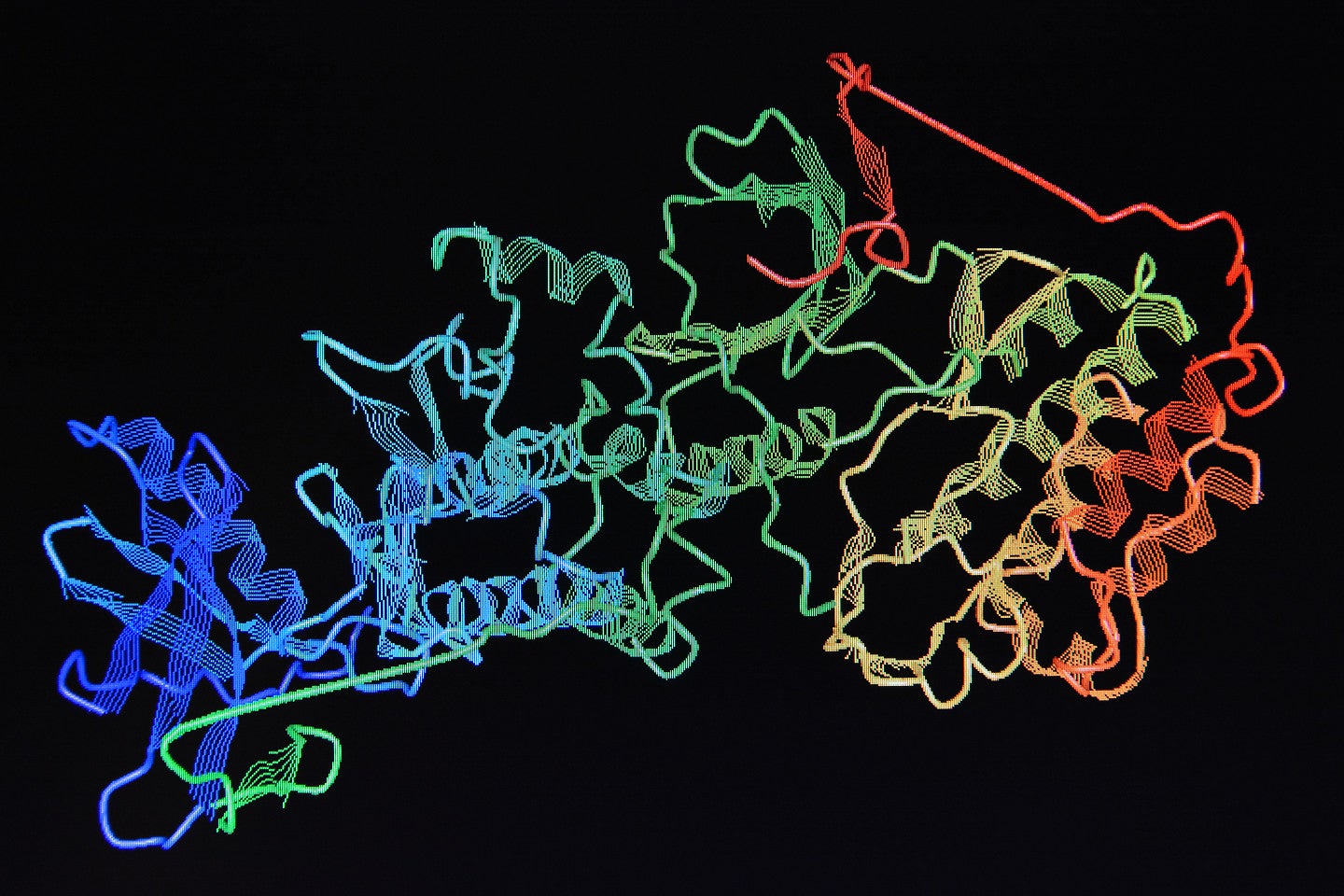
OUR mission
Our mission is to accelerate the pace at which we understand and engineer biological protein-based systems.
We develop new technologies for gene synthesis, multiplex functional assays, in-vivo mutagenesis, and genotype-phenotype linkages for a number of different research areas and applications. These allow us to both access the huge sequence diversity present in natural systems as well as carry out testing of rationally designed hypotheses encoded onto DNA at much larger scales than previously possible.
Research
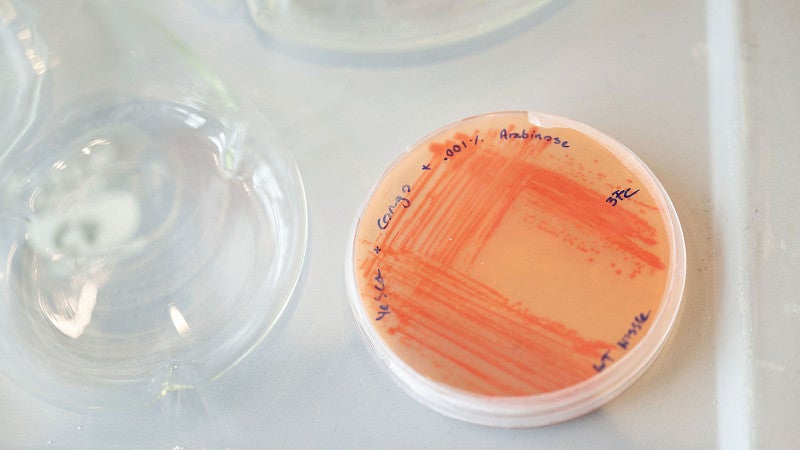
Our lab develops new technologies for gene synthesis, multiplex functional assays, in-vivo mutagenesis, and genotype-phenotype linkages for a number of different research areas and applications.
People
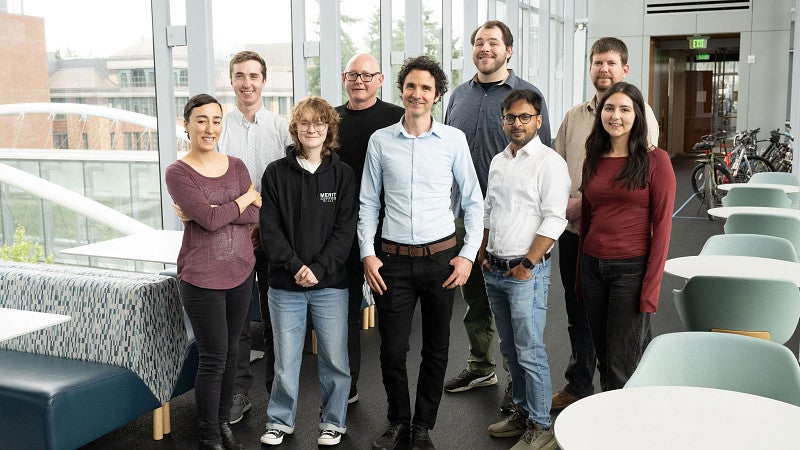
Meet the Plesa lab, a team of microbiologists, bioengineers and synthetic biologists. We are hiring, join the lab!
Resources
Explore resources from the Plesa Lab, including information about DropSynth, and courses that Calin teaches.
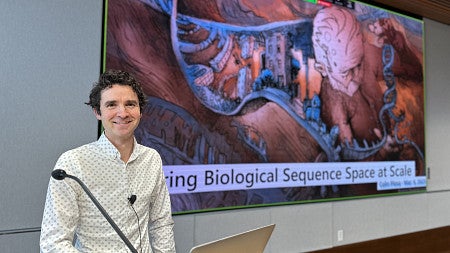


The Plesa Lab
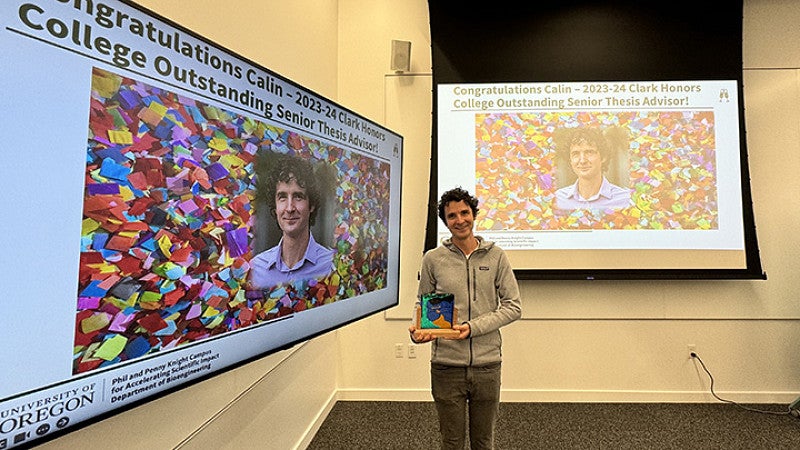
Founded in 2020, the Plesa Lab is a synthetic biology research group within the University of Oregon's Phil and Penny Knight Campus for Accelerating Scientific Impact. Based in the Department of Bioengineering in Eugene, Oregon, the Plesa Lab builds scalable systems to accelerate the pace at which we understand and engineer biological protein-based systems.