
Current Research Projects
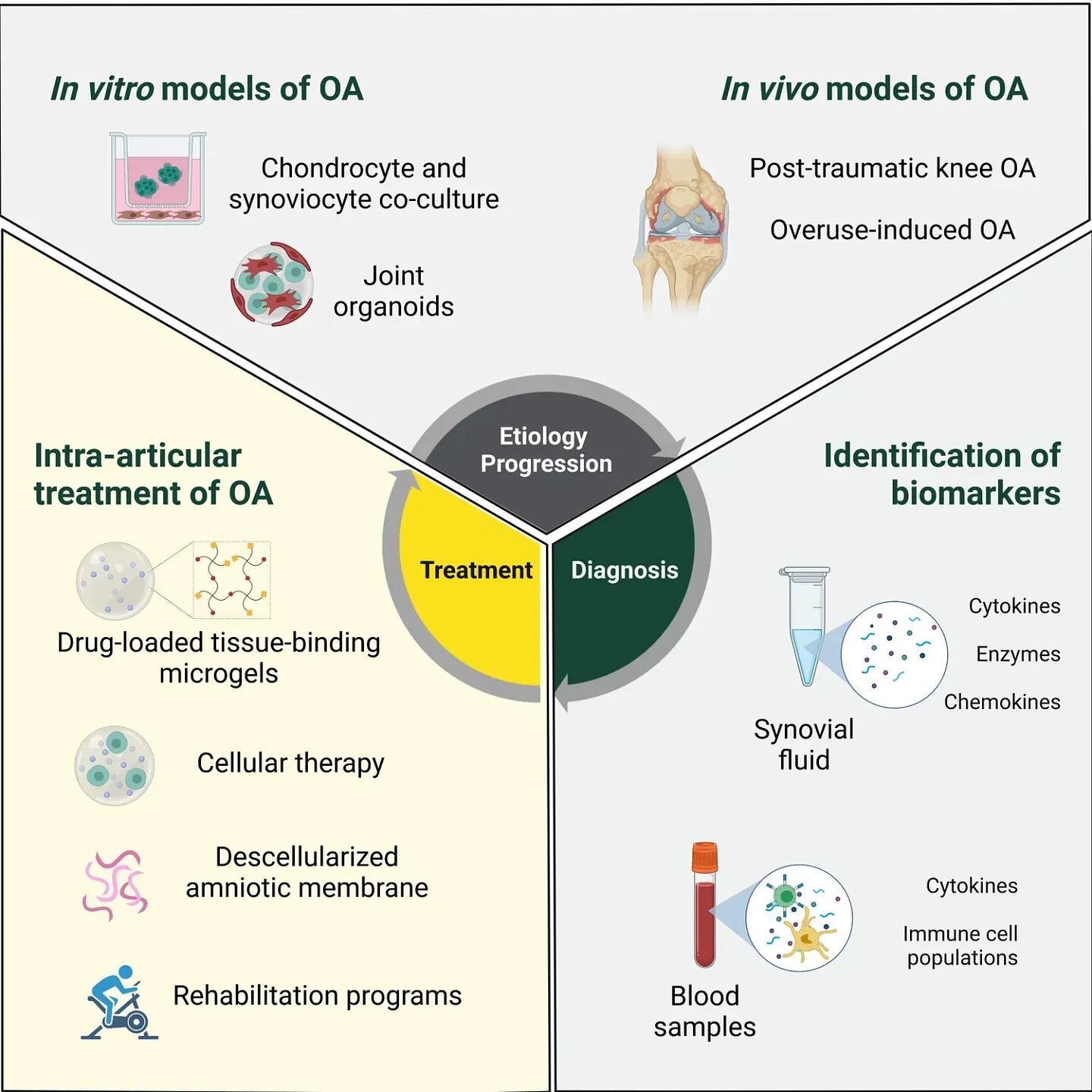
Osteoarthritis (OA) affects nearly 21 million people in the United States and is one of the leading causes of chronic disability.
Osteoarthritis disease progression leads to degradation of articular cartilage and subchondral bone as well as changes to the synovium, blood vessels, tendons, and muscle that cause pain and decrease mobility. Currently, only symptom management treatments are available to the patient population. One key research area for the Guldberg lab is to develop and evaluate disease modifying osteoarthritis drugs (DMOADs) and therapeutics. We approach this goal by developing scalable organoid in vitro models and pre-clinical models which can be used as testbeds for novel drugs, cellular therapies and biomaterials.
We focus both on engineering new therapeutics and identifying new biomarkers to diagnose and track disease progression.We are also interested in applying regenerative rehabilitation principles to the treatment of OA, combining cellular and drug delivery therapies with customized rehabilitation regimens.
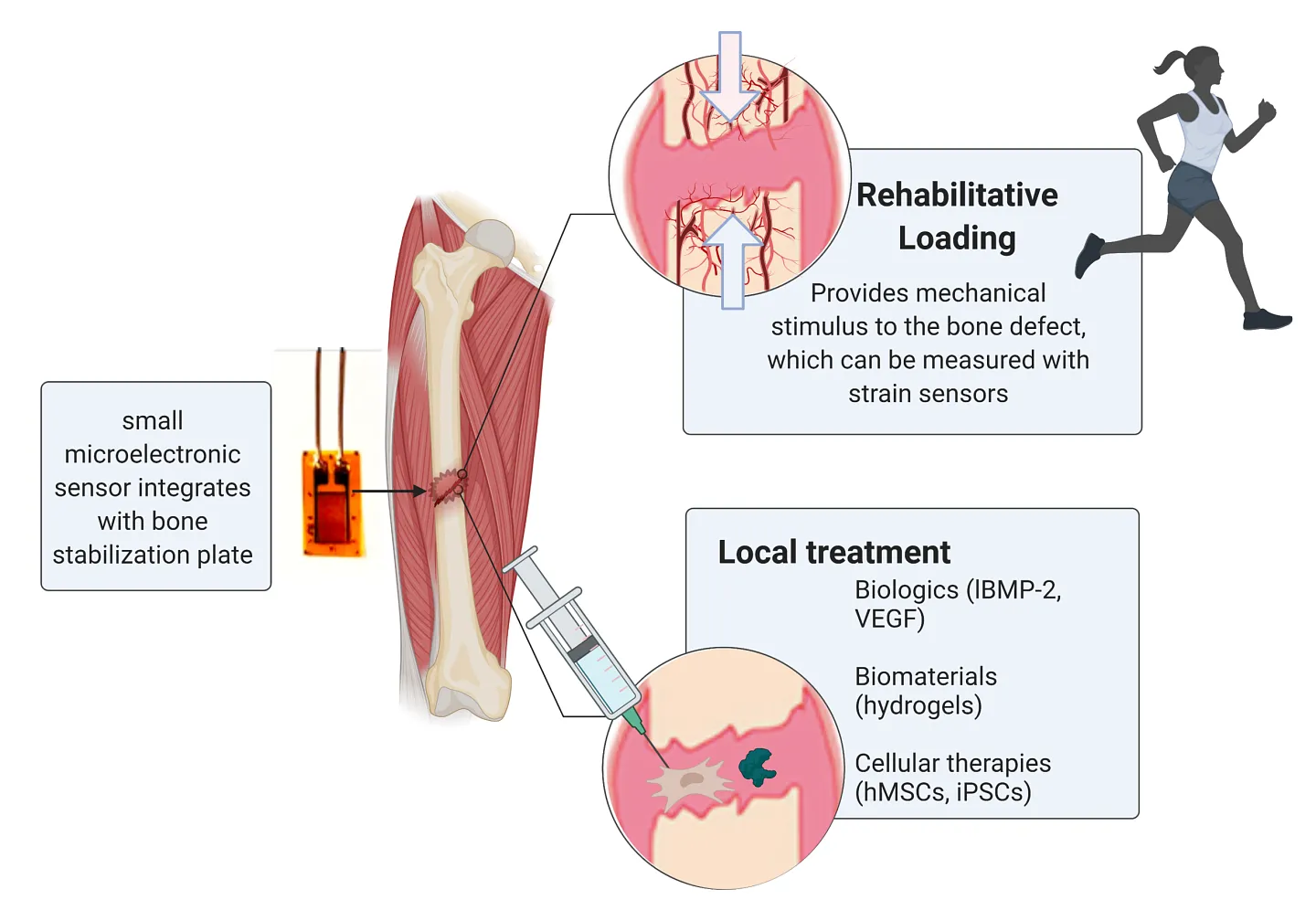
A crucial research area for the Guldberg lab is Regenerative Rehabilitation, a multidisciplinary field which takes a two-pronged approach to healing traumatic injury: mechanical stimulation via rehabilitative loading and local treatments like biologics and biomaterials. As such, our goal is to improve our understanding of the complex mechanical environment at an injury site and its influence on the local and systemic cellular processes. Advances in micro-electronic systems (MEMS) have allowed us to create small implantable sensors that permit real-time analysis of in vivo mechanical environments during musculoskeletal healing. The implanted strain sensor combined with a transceiver wirelessly transmit quantitative measurements of the local mechanical environment during regeneration. When implanted in conjunction with therapies or tissue engineered constructs, strain sensors enable an advanced understanding of mechanobiology throughout the regenerative process, thus providing greater insight into the effectiveness of and mechanisms behind potential regenerative therapies. Another goal is to understand temporal-mechanical interplay and its effects on regeneration.
We use both pre-clinical and in vitro models to assess vascular and bone growth under different load conditions, considering both acute and delayed treatment models. This work is relevant to designing advanced patient-specific medical devices and rehabilitation protocols.
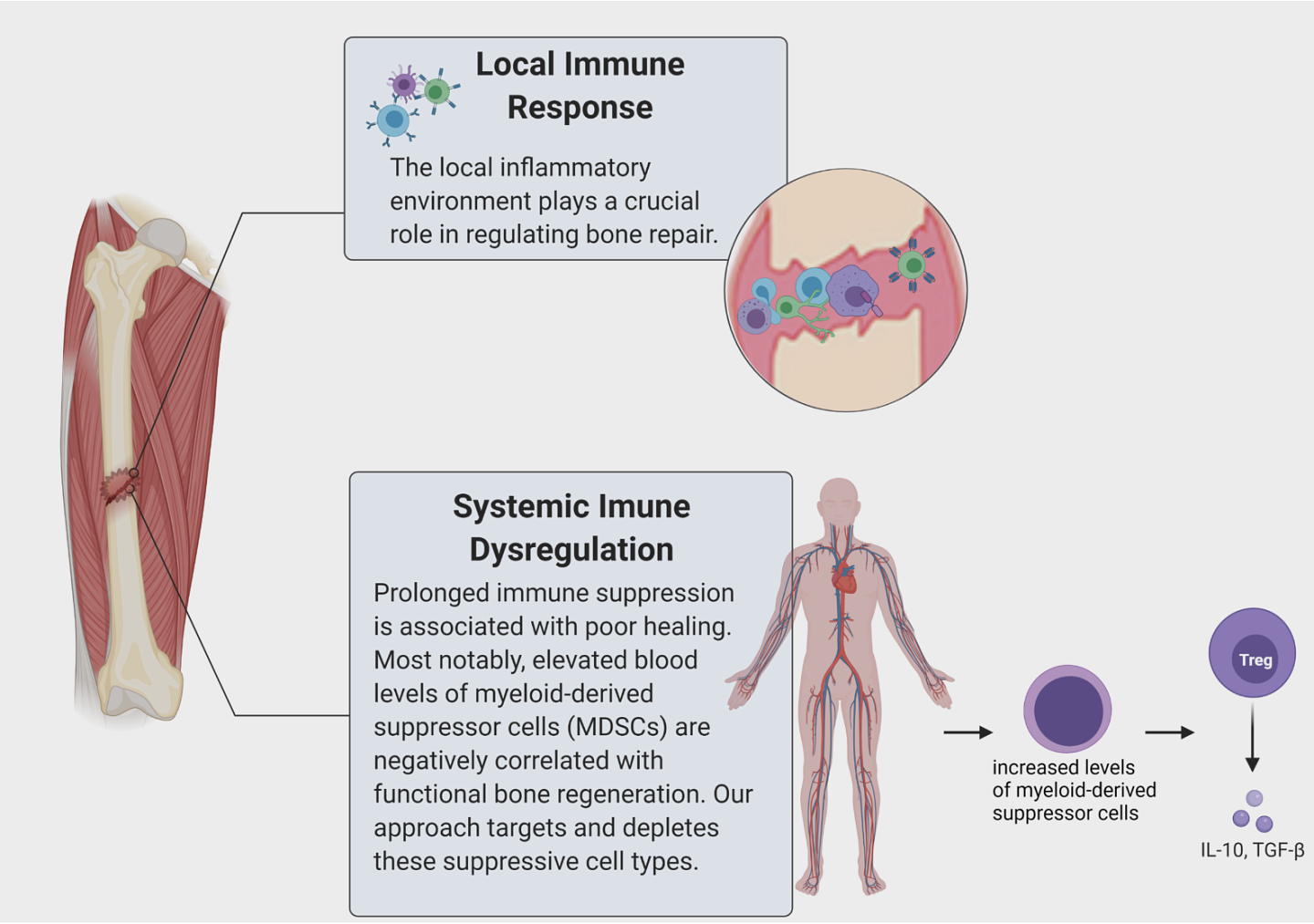
Clinically, traumatic musculoskeletal injury can result in prolonged dysregulation of the immune system, which can lead to poor healing outcomes.In particular, cells known as Myeloid Derived Suppressor Cells (MDSCs) can be detected in elevated levels after trauma and have been correlated with reduced bone formation. MDSCs can increase the proliferation of T regulatory cells and suppress cytotoxic T and natural killer cells, contributing to chronic suppression of the inflammatory response.
Our goal is to prevent immune dysregulation by targeting and depleting problematic immune suppressor cells.Engineered synthetic nanoparticle antibodies (SNAbs) (not pictured) colocalize the problematic MDSCs with activated macrophages, resulting in their depletion.We are currently studying whether MDSC depletion concurrent with local growth factor delivery can improve bone healing.
Knight Campus Collaborations
We frequently collaborate with labs across the Knight Campus, and the University of Oregon.
The Willett Lab
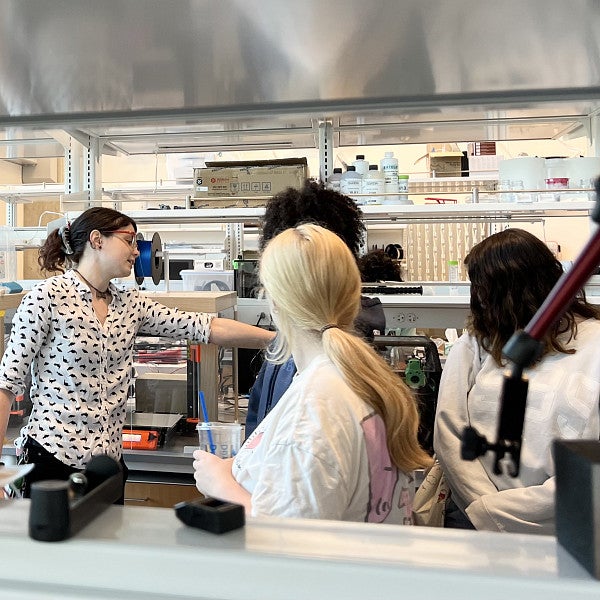
The Dalton Lab
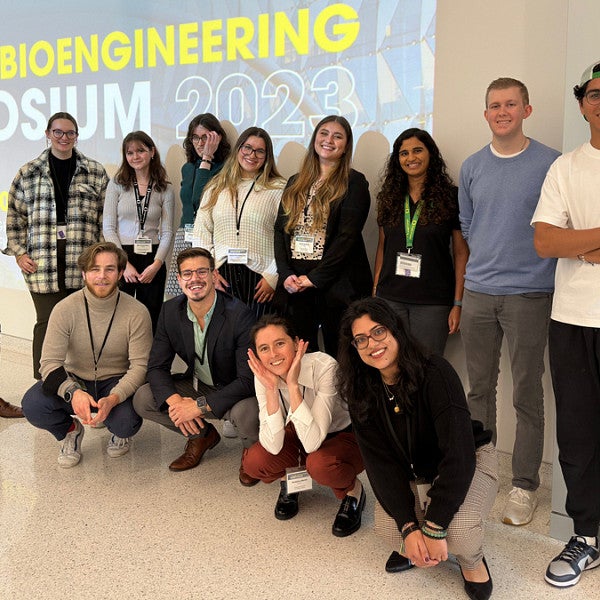
The Hettiaratchi Lab
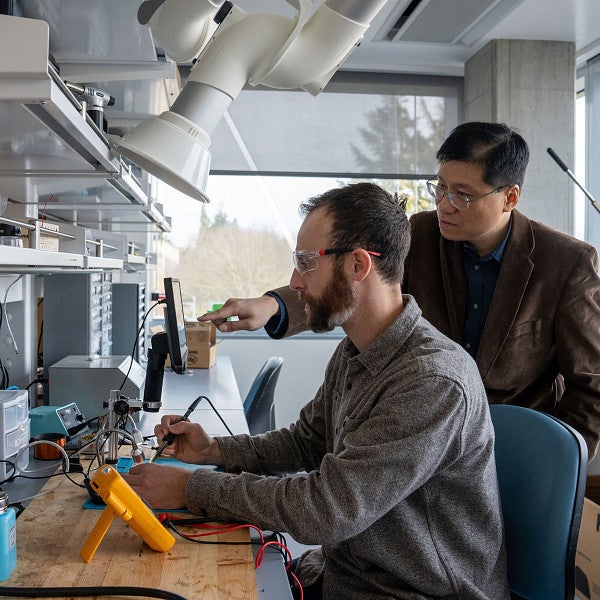
The Ong Lab
We are always looking for new collaborations, across academia and industry. If you are interested in working together, please reach out to ortholab@uoregon.edu.
Featured Publications

2025
Load-bearing aerobic exercise prior to injury moderates systemic immunosuppression response to fracture
Frontiers in Physiology
2024
Early resistance rehabilitation improves functional regeneration following segmental bone defect injury
npj regenerative medicine
2026
Structural osteoarthritis pathogenesis correlates with distinct pain and dysfunction profiles after ACL injury in rats
Lab Animal