
The Lindberg Lab
Bridging the gap between engineered and native tissues.
We specialize in molecular biology, polymer chemistry and advanced fabrication to create innovative biomaterials for cartilage implants and stem cell technologies as well as enhancing the clinically relevance and robustness of organoids for osteoarthritis disease modeling. Our lab creates bioinks and organoids, including oxygen-releasing bioinks and glycosaminoglycan-based hydrogel platforms, to overcome hypoxic limitations in large-scale 3D constructs for controlled chondrogenic differentiation and phenotypic stability. Work in the Lindberg lab utilizes a multi-disciplinary approach to build patient-centric 3D-models by incorporating cells and tissues sourced from a wide range individual with various demographic backgrounds undergoing orthopedic surgery.
Current Research Projects
Oxygen Control in 3D-bioprinted musculoskeletal constructs
A common problem in engineered tissue is the variation of oxygen availability in the media, which can influence the cellular metabolism, differentiation, and phenotypic stability. To overcome this, we developed at bioink platform technology to systematically study how oxygen availability within 3D structures work in synergy with the native glycosaminoglycan Heparin to influence chondrogenic differentiation. The goal of this work is to build better ways to mimic native tissue organizations.
3D-bioassembly of clinically relevant 3D-models for study of migration, fusion and integration
We’re building a roadmap for scalable, reproducible, and clinically relevant tissue engineered products. These designs include a a high level of cell–cell interaction in combination with structurally reinforcing scaffolds through our 3D-bioassembly technologies.
Bioinks for Musculoskeletal Tissue Engineering
To build better engineered tissues, we are working on developing tools, called bioinks. These bioinks can have different biological matrices (heparin, Vitreous humor, gelatin and hyaluronic acid) and chemistry (thiol-ene and methacryloyl) for modulating cellular responses. Our team is working to use this to engineer better cartilage, bone and vascularized tissues.
Personalized 3D Tissue Models for the study of aging and inflammation
We want to build 3D tissue and organoid models for the study of disease pathogenesis, as well as novel biomaterials to counteract reduced cell regeneration potential with age or inflammatory environments. The goal is to examine the systemic contributions to disease and the body's capacity to heal from disease or injury.
Featured Publications
2022
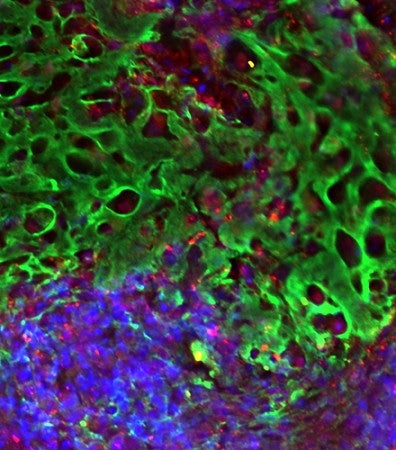
3D-Bioassembly of VH-Spheroids for Cartilage Regeneration: in Vitro Evaluation of Chondrogenesis, Fusion and Lateral Integration
Advanced Materials Interfaces
2019
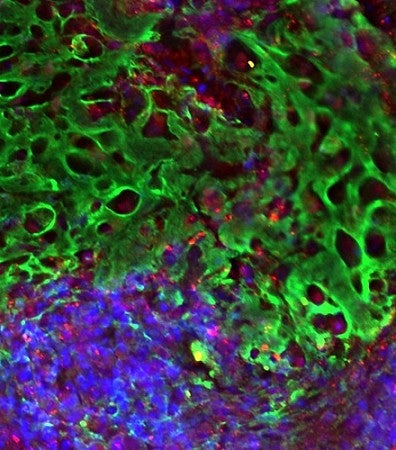
Intact Vitreous Humor as an Extracellular Matrix Hydrogel for Cartilage Tissue Engineering Applications.
Acta Biomaterialas
2021
Probing Multicellular Tissue Fusion of Cocultured Spheroids - A 3D-Bioassembly Model
Advanced Science