
Department of Bioengineering
The Lindberg Lab
Bridging the gap between engineered and native tissues
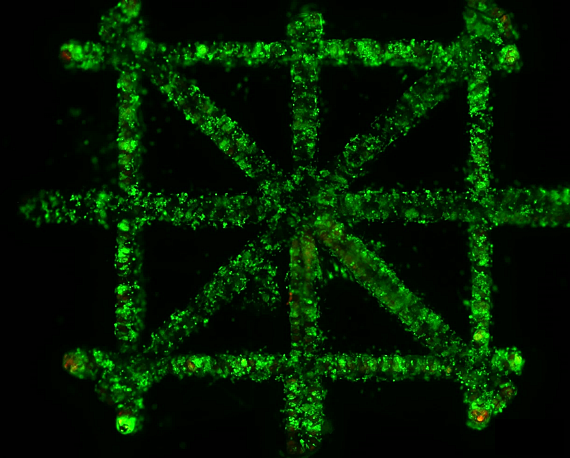
OUR mission
Our mission is to combine biology, chemistry, and engineering to develop treatments for musculoskeletal, hematological, and neural diseases like osteoarthritis, blood cancers, and primary brain tumors.
We focus on materials discovery and biofabrication with a particular interest in advancing next generation microphysiological systems (MPS), assembloids and organoids for tissue engineering and disease modeling. To ensure that our research is clinically relevant, we use patient’s own cells and tissues, capturing a wide range of demographic differences to build smart, personalized models. Our overall goal is to identify therapeutic targets at a patient-specific level and to develop regenerative treatment options for musculoskeletal, hematological, and neural diseases that are effective across the wider population, including patients with compromised endogenous healing environments (e.g. chronic inflammation, diminished stem cell reserves, hypoxia, aging-related endocrine changes, leaky blood vessels, and/or disrupted tissue homeostasis).
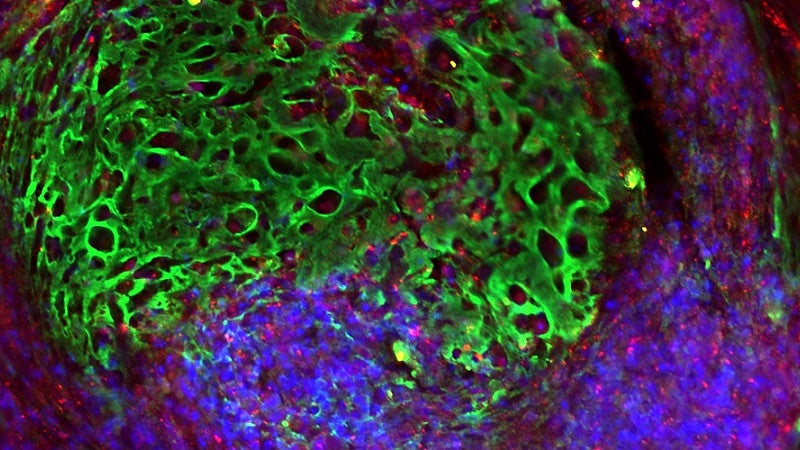
Research
Research in the Lindberg lab works to identify therapeutic targets at a patient-specific level and to develop regenerative treatment options for musculoskeletal, hematological, and neurological diseases that are effective across the wider population, including patients with compromised endogenous healing environments (e.g. chronic inflammation, diminished stem cell reserves, hypoxia, aging-related endocrine changes, leaky blood vessels, and/or disrupted tissue homeostasis).
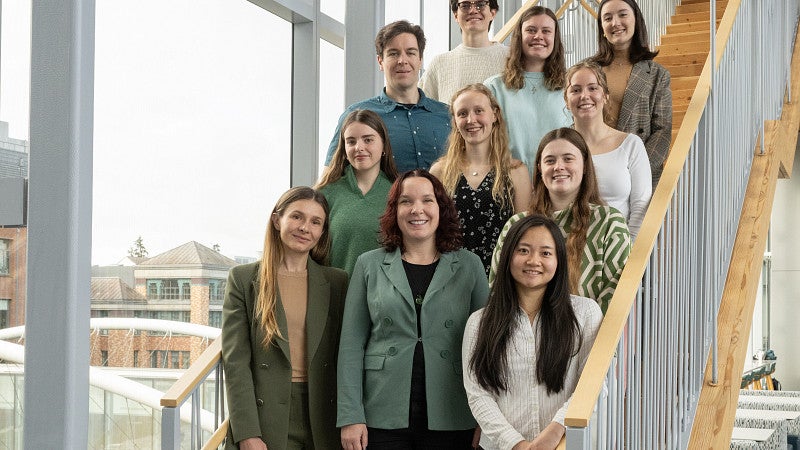
People
Our collaborative lab is composed of undergraduate researchers, graduate students and postdoctoral fellows. Together, we're working to identify therapeutic targets at a patient-specific level and to develop regenerative treatment options for musculoskeletal and hematological diseases.



The Lindberg Lab
Founded in 2022, the Lindberg lab is a bioengineering research group within the University of Oregon's Phil and Penny Knight Campus for Accelerating Scientific Impact. Based in the Department of Bioengineering in Eugene, Oregon, the Lindberg lab bridges the gap between engineered and native tissues.