
Current research projects
We engineer thin-film materials and develops novel fabrication methods for creating chronically reliable neural interfaces, and studies their integration into the nervous system, including the brain and peripheral nerves. Our initial focus is on the development of high-density, flexible microelectrode arrays for cortical interfacing. Created from amorphous silicon carbide or polymer films, this technology holds potential for targeting vision restoration, epilepsy, paralysis, and other conditions. Our lab supports industries and companies to develop and test next-generation neural interface devices based on silicon micromachining, microwire, and thin-film technology. We are always looking for collaboration and industry-sponsored projects, so please reach out to discuss your unique needs.
Microfabrication of Thin-Film Devices
Device Packaging and Feed-Throughs
Materials Characterization
Performance Testing
Neural Recording and Stimulation
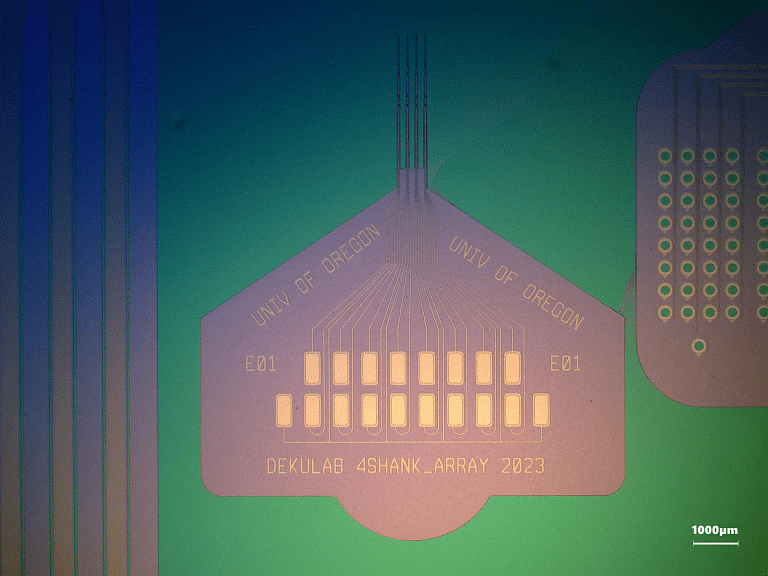
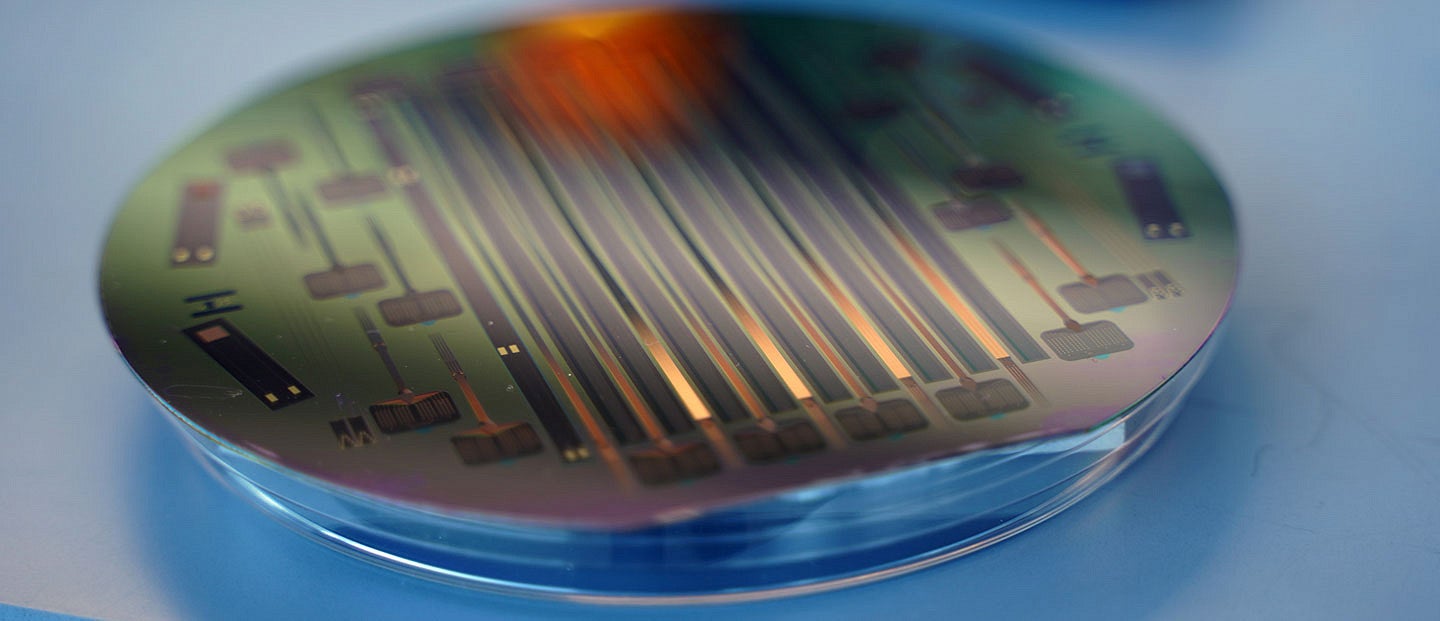
The lab develops microfabrication techniques to construct micrometer-scale thin-film devices for neural interfacing. We primarily use the new state-of-the-art microfabrication manufacturing facility at the Knight Campus for our device development.
We are currently developing high-density, multi-shank, intracortical microelectrode arrays featuring amorphous silicon carbide thin-films. We are actively investigating how microelectrode array design and fabrication methods impact device stability over long-term use.
We are also interested in exploring how device geometry influences insertion of microelectrode arrays into neural tissue. Additionally, the lab investigates interconnection and packaging strategies to facilitate the development of a multi-site high density (1000+ channel) neural probe.
The lab explores semiconductor deposition techniques such as plasma-enhanced chemical vapor deposition (PECVD) and physical vapor deposition (PVD) to deposit thin layers of ceramics and metals with tunable physical and chemical properties.
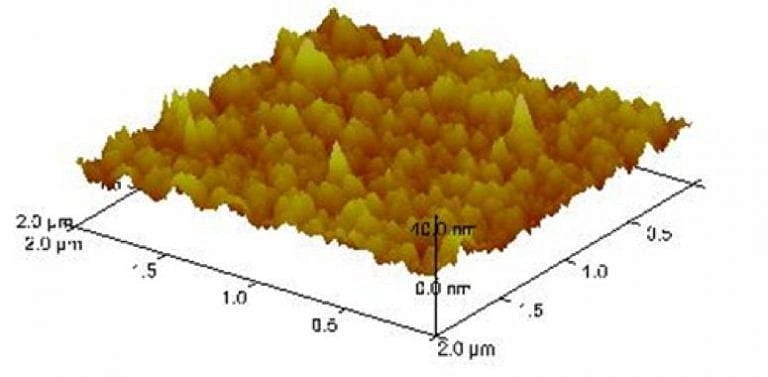
We study the effect of the deposition conditions on the mechanical, optical, and chemical behavior of these films — including stability, surface morphology, and overall influence on tissue integration. We also explore specialized chemical vapor deposition methods such as atomic layer depositions (ALD). Films are characterized using scanning electron microscopy (SEM), atomic force microscopy (AFM), ellipsometry, Fourier transform infrared spectroscopy (FTIR) x-ray photoelectron spectroscopy (XPS), and electrochemical measurement techniques.
The lab is also interested in investigating electrodeposition methods for creating stable electrode coatings of conductive polymers and metal oxides with high electrochemically active surface area for neural stimulation and recording.
The lab currently investigates the performance of our custom-built neural recording microelectrode arrays in a rodent model.
The lab also investigates the physiological effects of neural stimulation in several brain regions, including cortical and deep brain areas, using a rodent model. We also investigate the effects of stimulating in single versus multiple target regions in closed-loop and open-loop configurations.
Featured Publications
2025
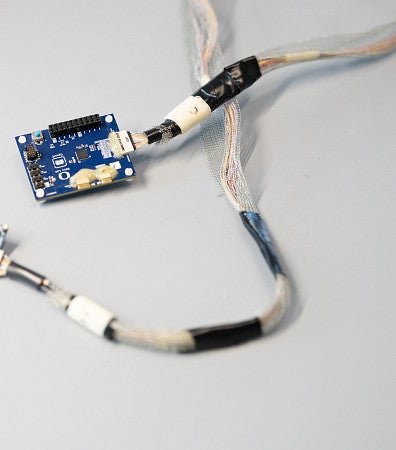
Iris 128x: open-source 128 channel headstages for neural stimulation and recording
Journal of Neural Engineering

2024
Stability of sputtered iridium oxide neural microelectrodes under kilohertz frequency pulsed stimulation
Journal of Neural Engineering
2018
Amorphous Silicon Carbide Platform for Next Generation Penetrating Neural Interface Designs
Micromachines