Peeler Lab Research

Department of Bioengineering

The Peeler Lab

Biomaterials Research for Immunomodulation, Drug delivery, and Genetic Engineering

nanomaterials bridging to immune cells from the peeler lab

Broadly, our lab aims to 1) connect understanding of nanoparticle structure with extracellular transport and intracellular immune reactions, and 2) learn from vaccines to develop in situ immunotherapies rooted in innate cell recruitment and reprogramming.

To achieve this, our lab focuses on identifying physical and immunological barriers to next generation biologic therapeutics and bridging them with innovative drug delivery strategies. In particular, we work to overcome current barriers to RNA therapies, including gaining better control of transfection tropism and innate inflammatory responses. To do this, we engineer stable RNA vectors to cross mucosal barriers and generate tissue resident adaptive immunity while minimizing dysfunctional reactogenicity. Our materials science work seeks to better define nanoparticle structure-function relationships by integrating high-throughput chemistry and assays with biophysical techniques and molecular modeling. Meanwhile, our immunological work focuses on understanding and manipulating innate and adaptive immune reactions to RNA delivery in mice and human tissues. Check out our facilities to see some of our lab equipment and spaces. 


Current Research Projects
01

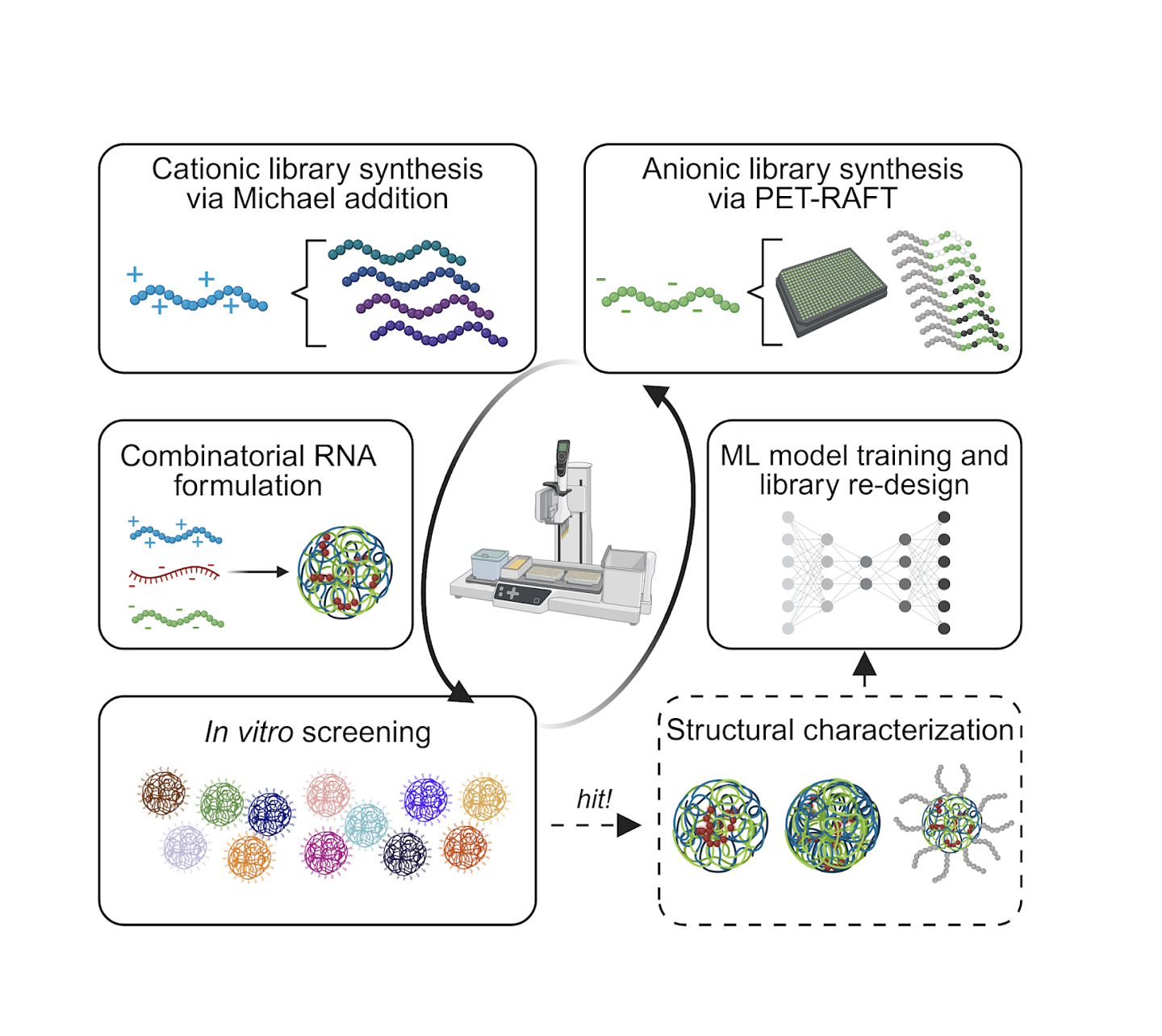
High throughput evolution of structured polyelectrolyte nanoparticles (SPENs)

+

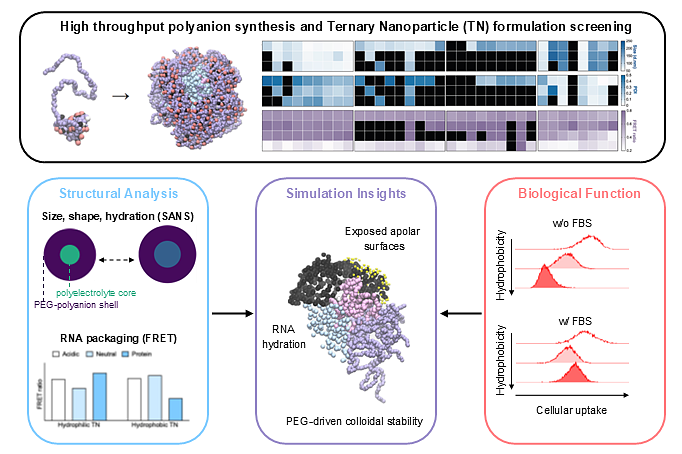
Although it is known that the structure of lipid nanoparticles can be engineered to augment stability and transfection, the broader chemical and structural diversity of polymeric RNA delivery materials remains largely untapped. We are using high-throughput synthesis, formulation, and characterization methods to generate ML-interpretable datasets that evolve transfection formulations with desirable properties for specific applications. High-performing formulations serve as the basis for more detailed structure-function studies using fluorescence correlation spectroscopy (FCS), small angle scattering (SAXS/SANS), and molecular dynamics modeling (MD).

figure showing molecular screening, and experimental design for the Peeler lab

02

Human innate immune responses to biomaterial delivery systems

+

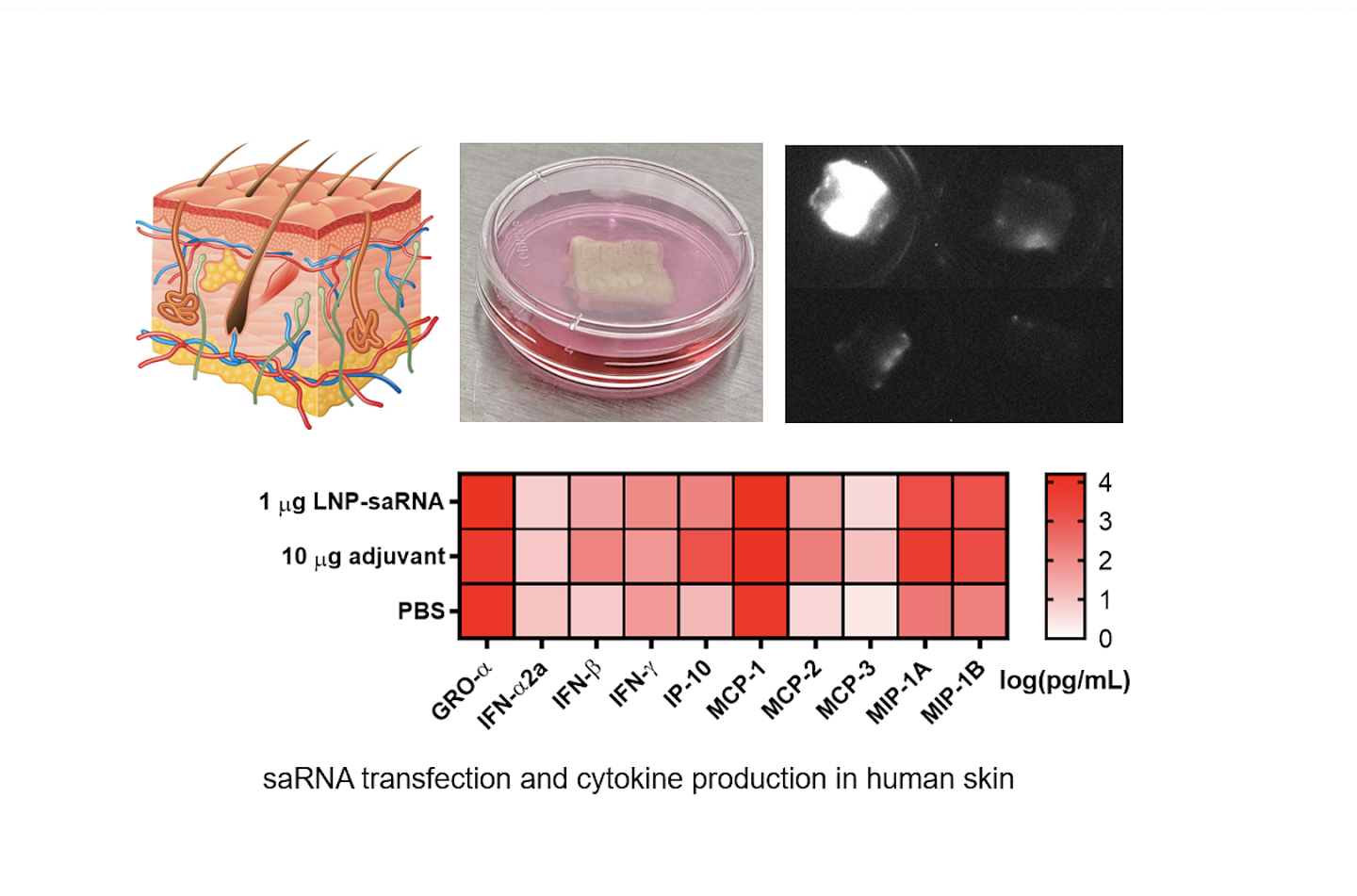
While innate immunogenicity is a well-documented barrier to therapeutic RNA applications, we are just beginning to understand how delivery formulations modulate human innate responses to transfection. We use human skin explant cultures and others to study connections between formulation chemistry, endocytosis, and danger sensing to engineer more effective RNA immunotherapies with fewer side effects.

saRNA transfection and cytokine production in human skin from the Peeler lab

03

Drug-augmented RNA vaccines and therapeutics

+

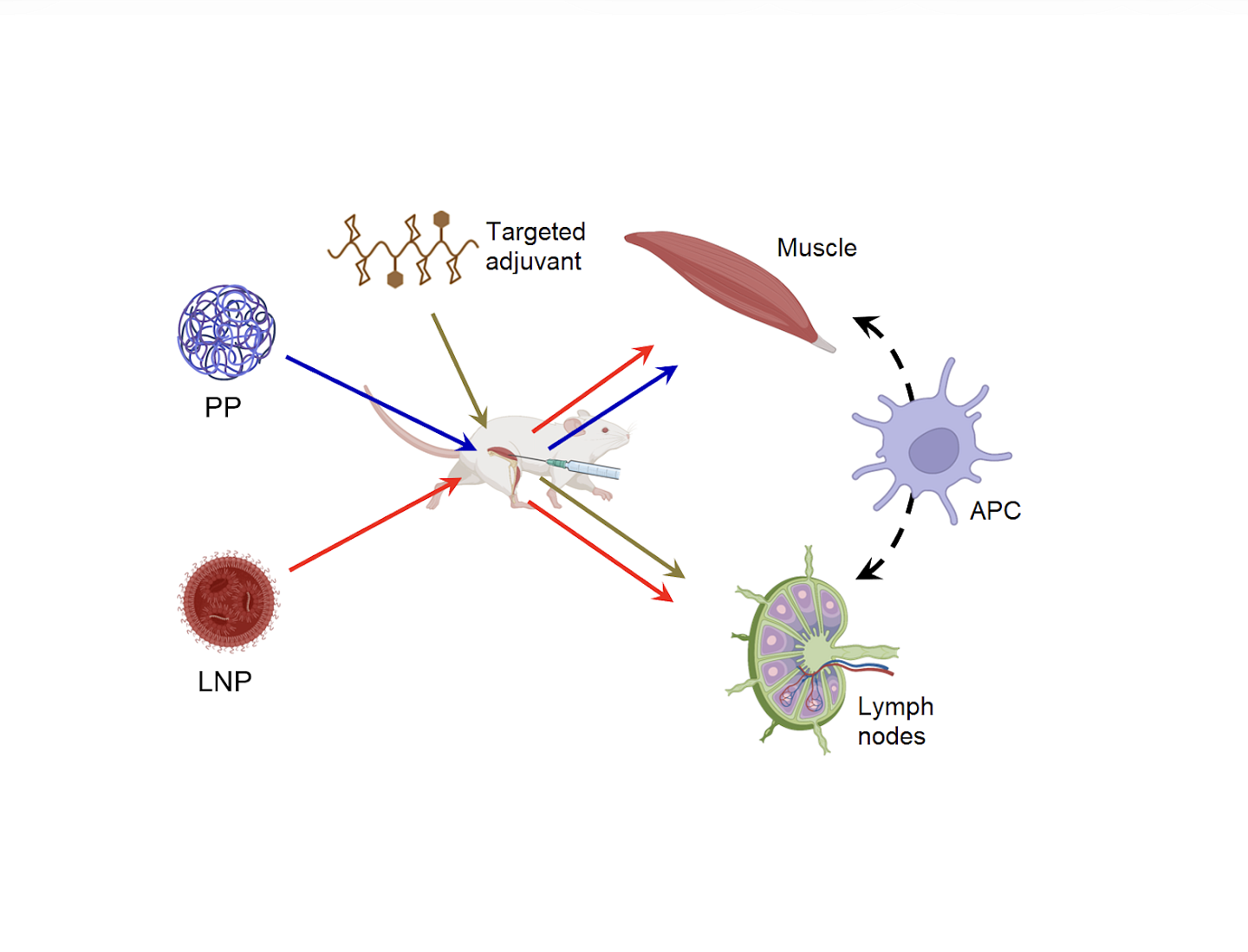
Targeting the delivery of immunomodulatory drugs can engineer immune response that alter the effects of co-delivered therapeutics. For example, we have shown that lymph node targeted STING agonism extended saRNA transfection from polymeric nanoparticles by dampening cytotoxic T cell responses. We are exploring where and when drugs can be delivered to modulate RNA expression and innate responses for therapeutic benefit.

Drug-augmented RNA vaccines and therapeutics from the Peeler lab

Featured Publications

Graphic abstract from  Polyanion chemistry engineers ternary RNA nanoparticle structure/function from the inside-out

2026

Polyanion chemistry engineers ternary RNA nanoparticle structure/function from the inside-out

ACS Nano
Read Publication →

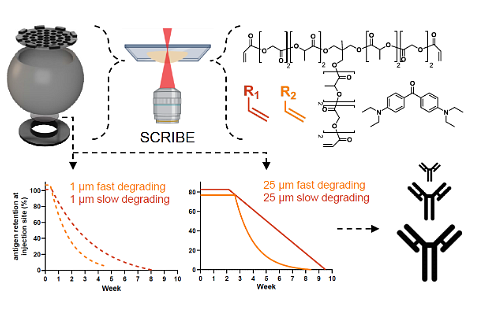
Graphical abstract for Nanoscale biodegradable printing for designed tuneability of vaccine delivery kinetics

2025

Nanoscale biodegradable printing for designed tuneability of vaccine delivery kinetics 

Advanced Materials

Read Publication →

Graphical abstract for Nanoscale Biodegradable Printing for Designed Tuneability of Vaccine Delivery Kinetics

2024

The role of helper lipids in optimising nanoparticle formulations of self-amplifying RNA 

Advanced Materials

Read Publication →

The Peeler Lab 

Founded in 2026, the Peeler Lab is a biomaterial research group within the University of Oregon's Phil and Penny Knight Campus for Accelerating Scientific Impact. Based in the Department of Bioengineering in Eugene, Oregon, the Peeler lab develops biomaterials for immunomodulation, drug delivery, and genetic engineering.