
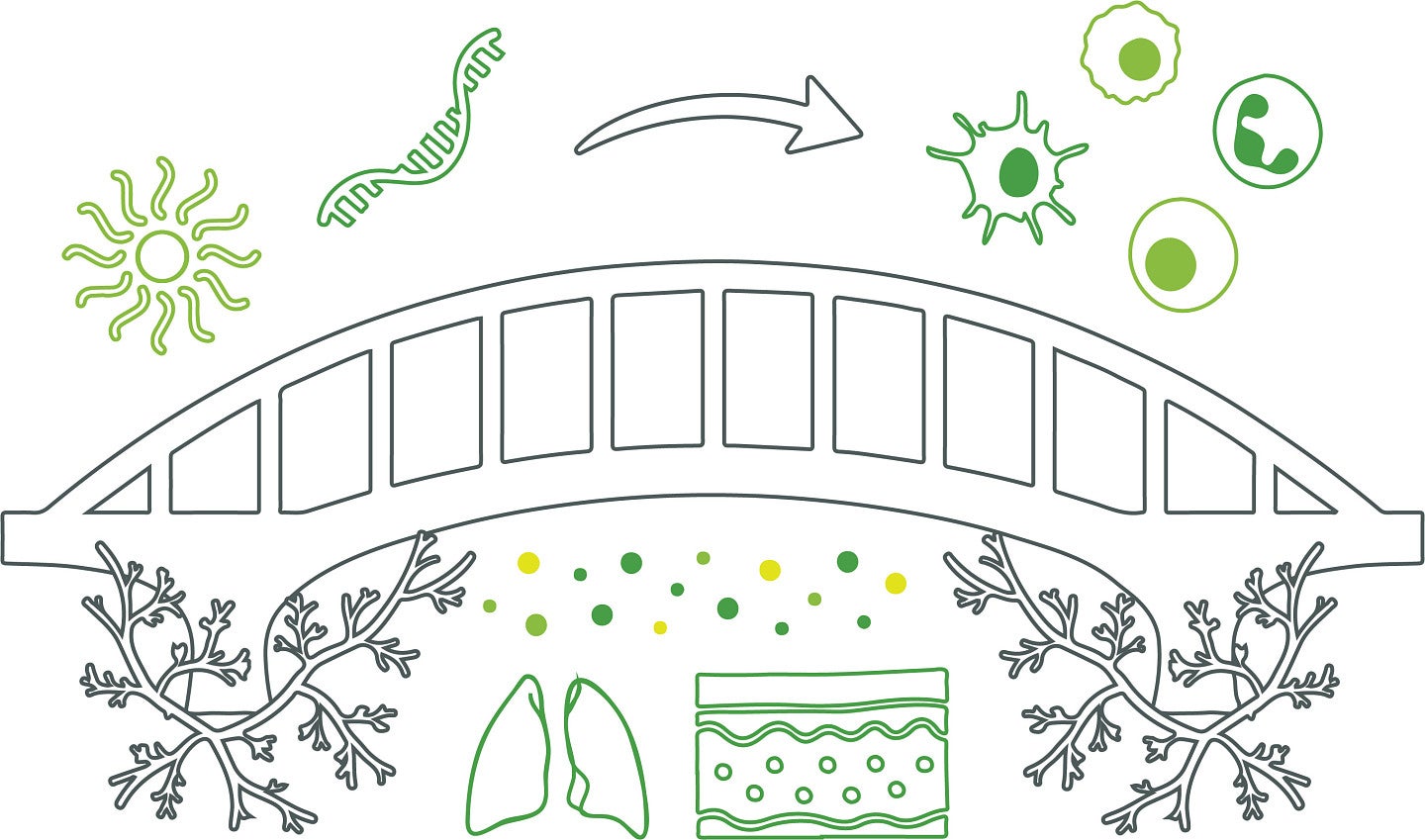
Broadly, our lab aims to 1) connect understanding of nanoparticle structure with extracellular transport and intracellular immune reactions, and 2) learn from vaccines to develop in situ immunotherapies rooted in innate cell recruitment and reprogramming.
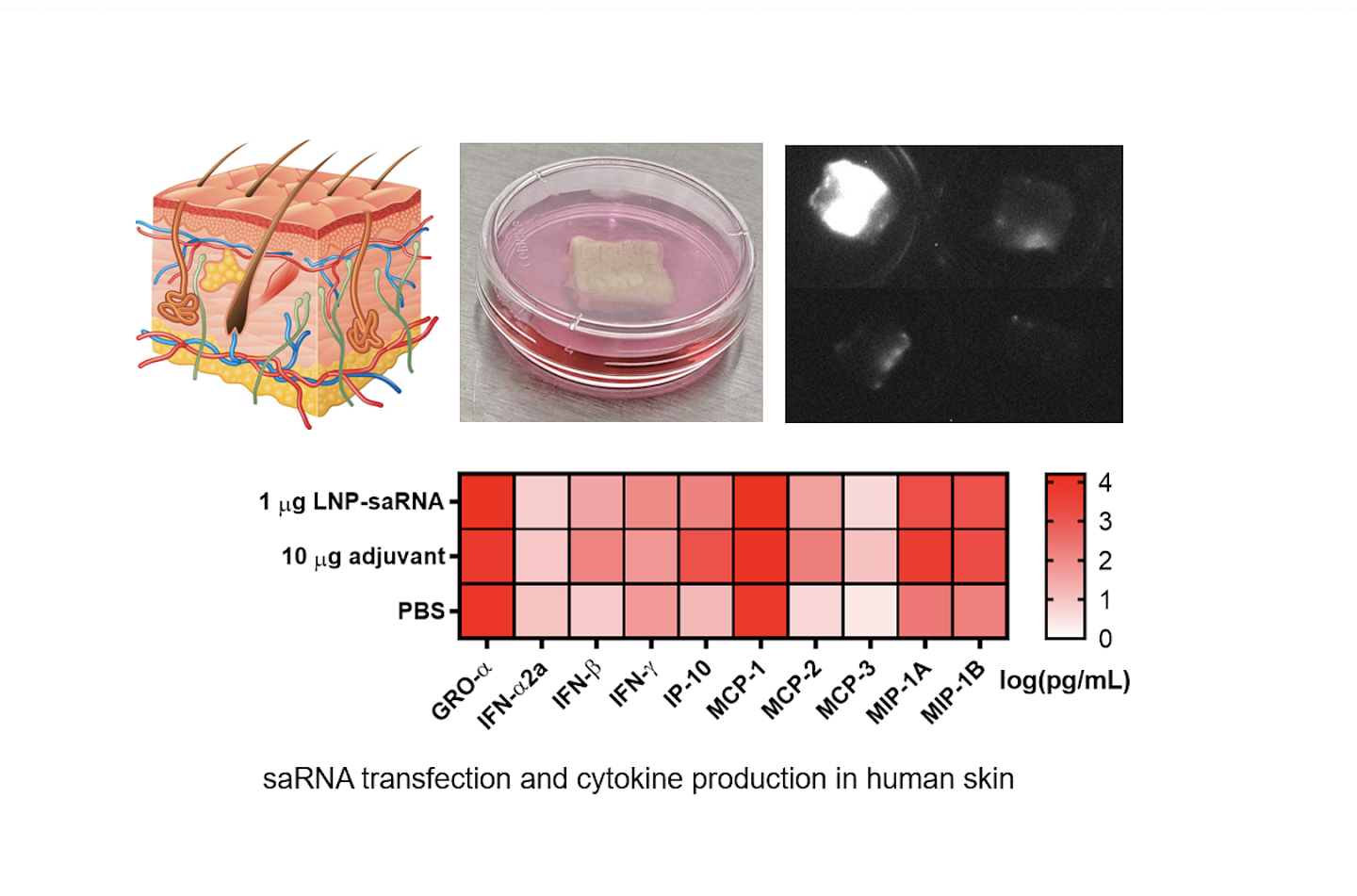
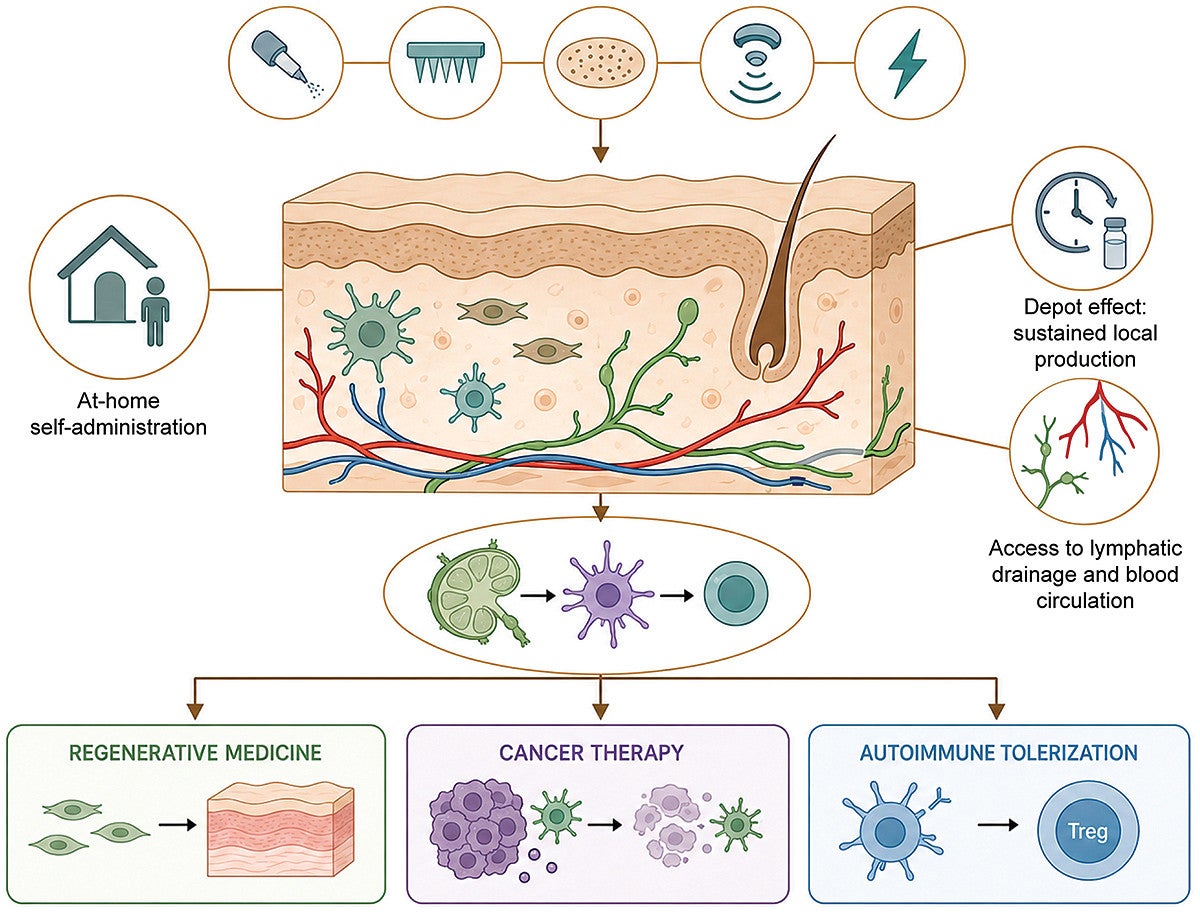
To achieve this, our lab focuses on identifying physical and immunological barriers to next generation biologic therapeutics and bridging them with innovative drug delivery strategies. In particular, we work to overcome current barriers to RNA therapies, including gaining better control of transfection tropism and innate inflammatory responses. To do this, we engineer stable RNA vectors to cross mucosal barriers and generate tissue resident adaptive immunity while minimizing dysfunctional reactogenicity. Our materials science work seeks to better define nanoparticle structure-function relationships by integrating high-throughput chemistry and assays with biophysical techniques and molecular modeling. Meanwhile, our immunological work focuses on understanding and manipulating innate and adaptive immune reactions to RNA delivery in mice and human tissues. Check out our facilities to see some of our lab equipment and spaces.
Current Research Projects
Featured Publications
2026
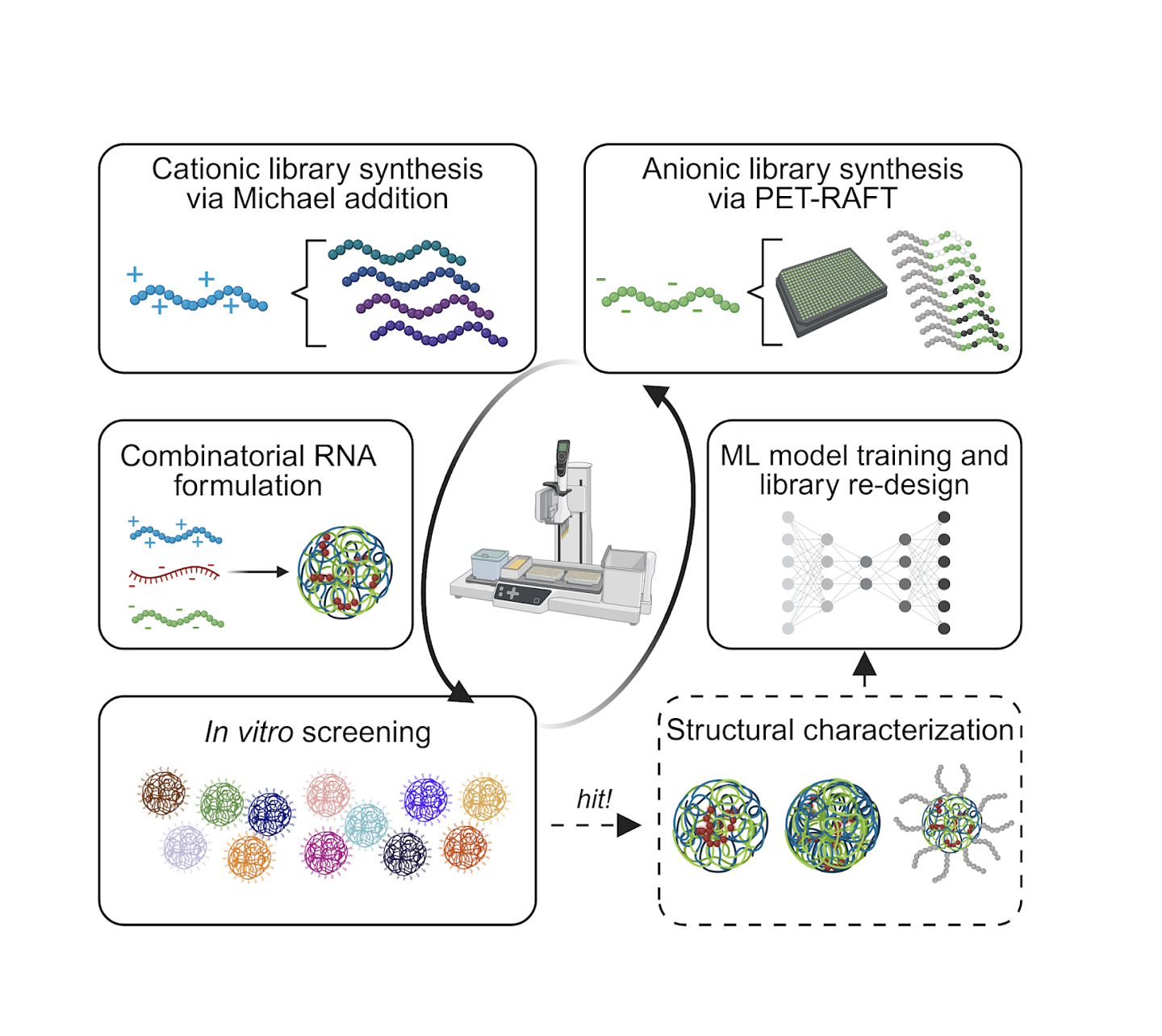
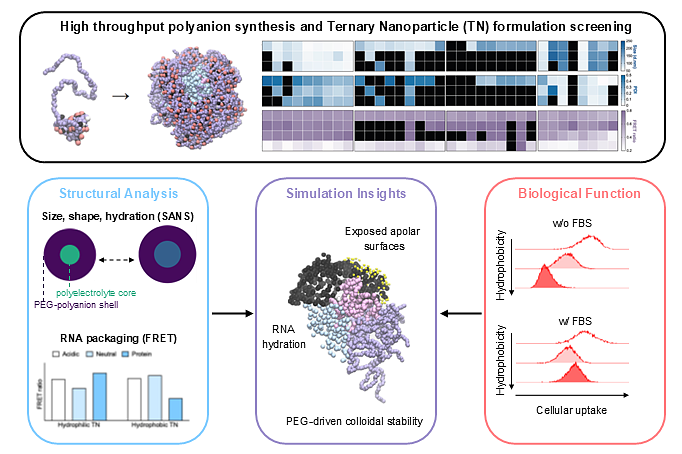
Polyanion chemistry engineers ternary RNA nanoparticle structure/function from the inside-out
ACS Nano
2025
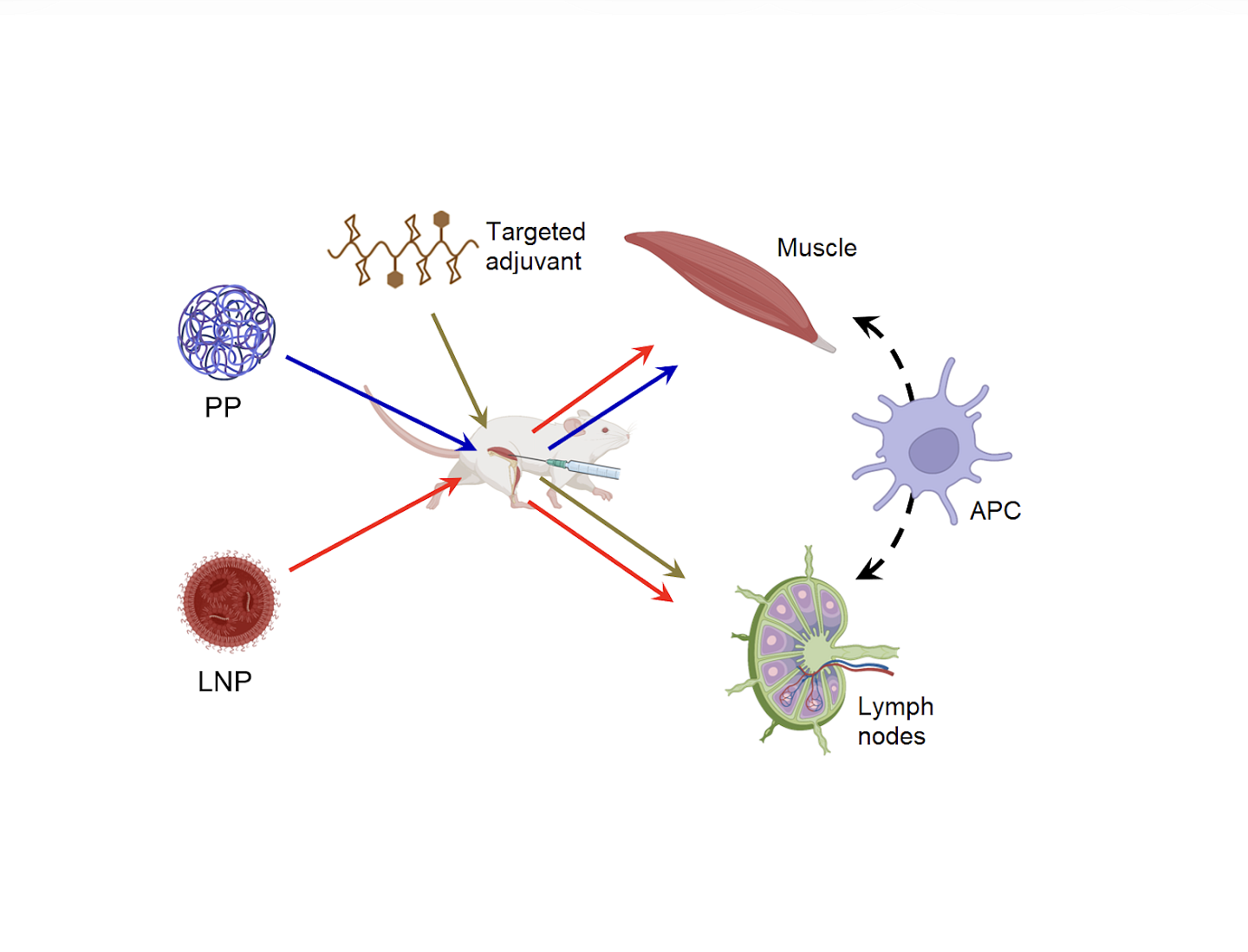
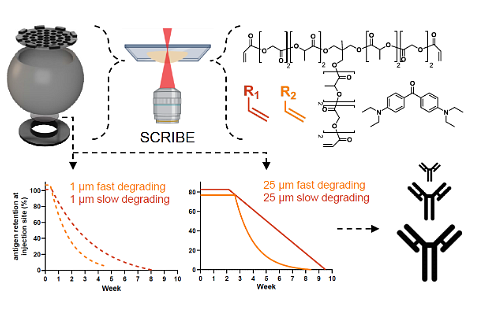
Nanoscale biodegradable printing for designed tuneability of vaccine delivery kinetics
Advanced Materials