
Department of Bioengineering
The Ambati Lab
Molecular mechanisms of angiogenesis

OUR mission
Our mission is to understand, and develop interventions for vision loss.
We investigate the molecular mechanisms of angiogenesis, the growth of new blood vessels, in the cornea. Our laboratory group has solved the long-outstanding mystery of what keeps the cornea normally free of blood vessels, identifying the protein sVEGFR-1 as the prime mediator of this essential requirement for clear vision.
Research
Our lab has developed novel inhibitors targeting the key mediator of angiogenesis, VEGF, specifically sequestering this linchpin molecule within cells, complementing the existing anti-VEGF arsenal.

The Ambati Lab
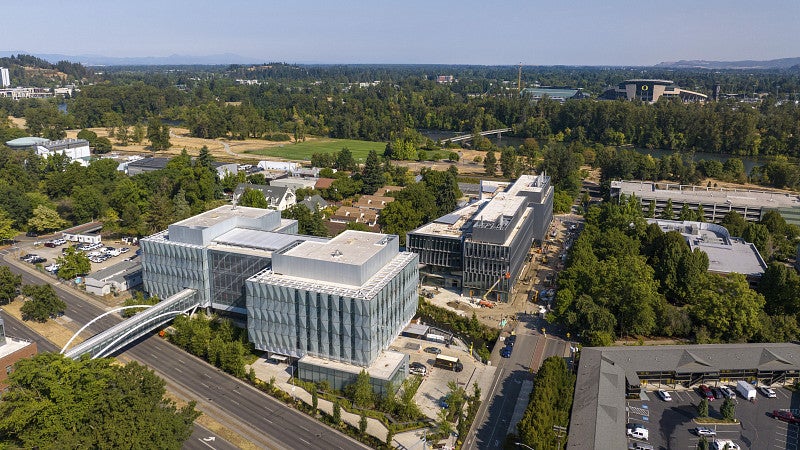
In 2020, the Ambati Lab relocated to the University of Oregon's Phil and Penny Knight Campus for Accelerating Scientific Impact. Based in the Department of Bioengineering in Eugene, Oregon, the Amabti Lab explores mechanisms of corneal and retinal diseases and the development and improvement of therapies.