
Current Research Projects
In the musculoskeletal field a limiting factor in addressing unmet clinical needs has been that the musculoskeletal system is often studied and treated as independent tissues rather than functionally integrated units. Our lab focuses on a systems integration approach to musculoskeletal disease and regenerative engineering by applying novel imaging and engineering approaches to mechanistic and developmental biology problems.
Our lab works to develop better ways to deliver cell and biological therapies for injured or degenerating bones, muscles, and joints. Many promising regenerative treatments work well in the lab but fail in patients because the cells or healing factors don't stay where they're needed long enough to work.
Our lab designs biomaterials that act as smart delivery vehicles, controlling where therapies go, how long they last, and how effectively they function once there. We've shown that the makeup of these materials, including how they break down over time and their physical properties, has a direct impact on how stem cells behave and how well tissue heals. We're using this knowledge to develop new delivery methods, such as encapsulating cells in protective particles, that help therapies stay in place longer and work more reliably.
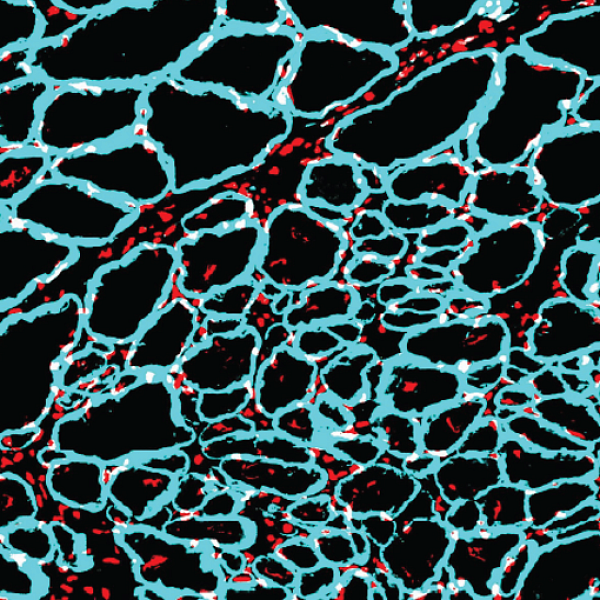
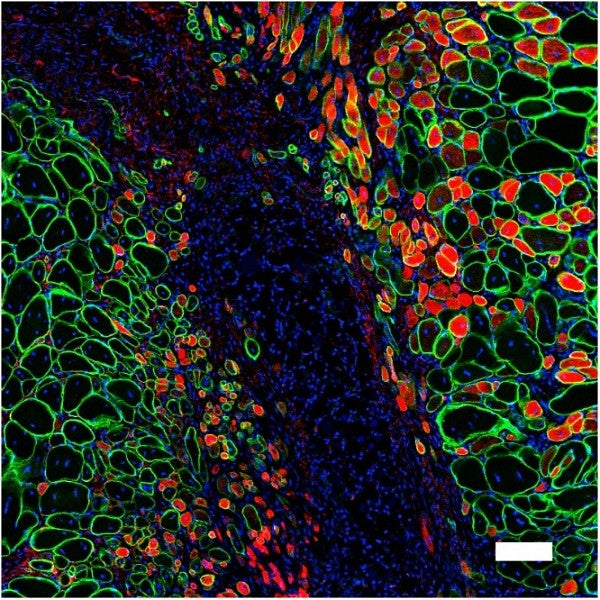
Our research focuses to understand how the immune system shapes the body's ability to heal after injury, and use that knowledge to design better regenerative treatments.
Previously, we have found that after serious injuries, an imbalanced immune response can actually interfere with tissue repair, blocking stem cells from doing their job and preventing new blood vessels from forming. Through models of severe muscle loss, complex tissue trauma, and joint disease, we have identified specific patterns of immune activity that are linked to poor healing.
We're working on developing a range of strategies to rebalance the immune environment and support better healing, including biomaterials that deliver small molecules, proteins, and cells directly to injured tissue in hopes to significantly improve healing and lead to more consistent, reliable outcomes for patients.
Rehabilitation has traditionally been treated as a separate clinical step, disconnected from the biology of healing and rarely factored into how new regenerative treatments are developed.
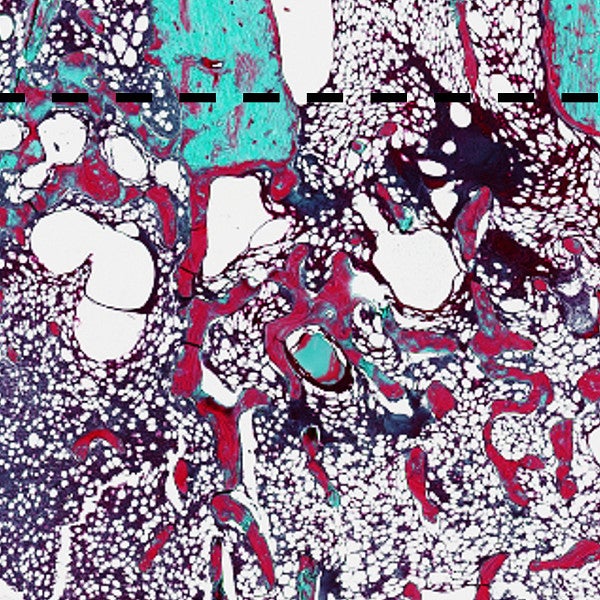
Using models of bone fractures, joint injuries, and other musculoskeletal trauma, we've shown that controlled movement and early functional use can speed up bone healing, improve how tissue is organized, and lead to better recovery. We also found the opposite is true, where too little movement or the wrong kind, can impair healing in muscle and bone and even worsen joint damage.
To make that possible, our lab has developed implantable sensors that track how mechanical forces at an injury site change in real time as healing progresses. This allows us to see, rather than assume, when tissue is ready for more activity, and to tailor rehabilitation to the body's actual progress instead of a fixed calendar-based schedule.
Funding Sources
We are grateful for funding from the Wu Tsai Human Performance Alliance, National Institutes of Health, National Science Foundation, Department of Defense, and the Department of Veterans Affair.

The Wu Tsai Human Performance Alliance

National Institutes of Health (NIH)

National Science Foundation (NSF)

The US Department of Defense

Department of Veterans Affairs
Featured Publications
2026
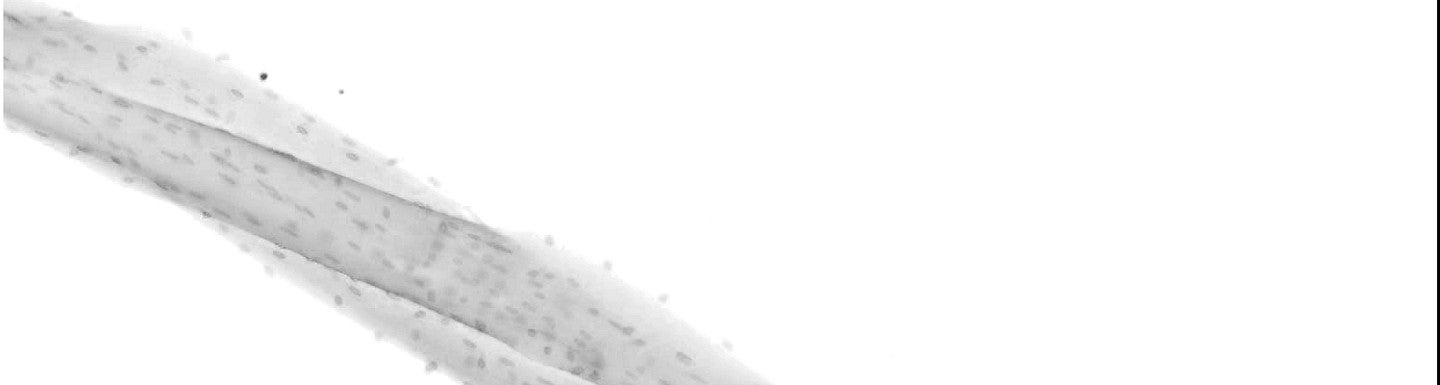
Achilles Tendon Injury Alters Lymphatic and Venous Clearance in Rats
Journal of Orthopaedic Research
2024
Local FK056 Delivery Induced Osteogenesis in Rat Bone Defect and Rabbit Spine Fusion Models
Bone
2024
Mild exercise expedites joint clearance and slows joint degradation in a joint instability model of osteoarthritis in male rats
Osteoarthritis and Cartilage