
Annual Report
Fall 2025
From record enrollment to new startup companies, we had plenty to celebrate in 2024–2025 at the Knight Campus — and we have lots to look forward to as we continue to harness the momentum we've established and super-charge our mission of Science Advancing Society.
A Letter From Robert Guldberg
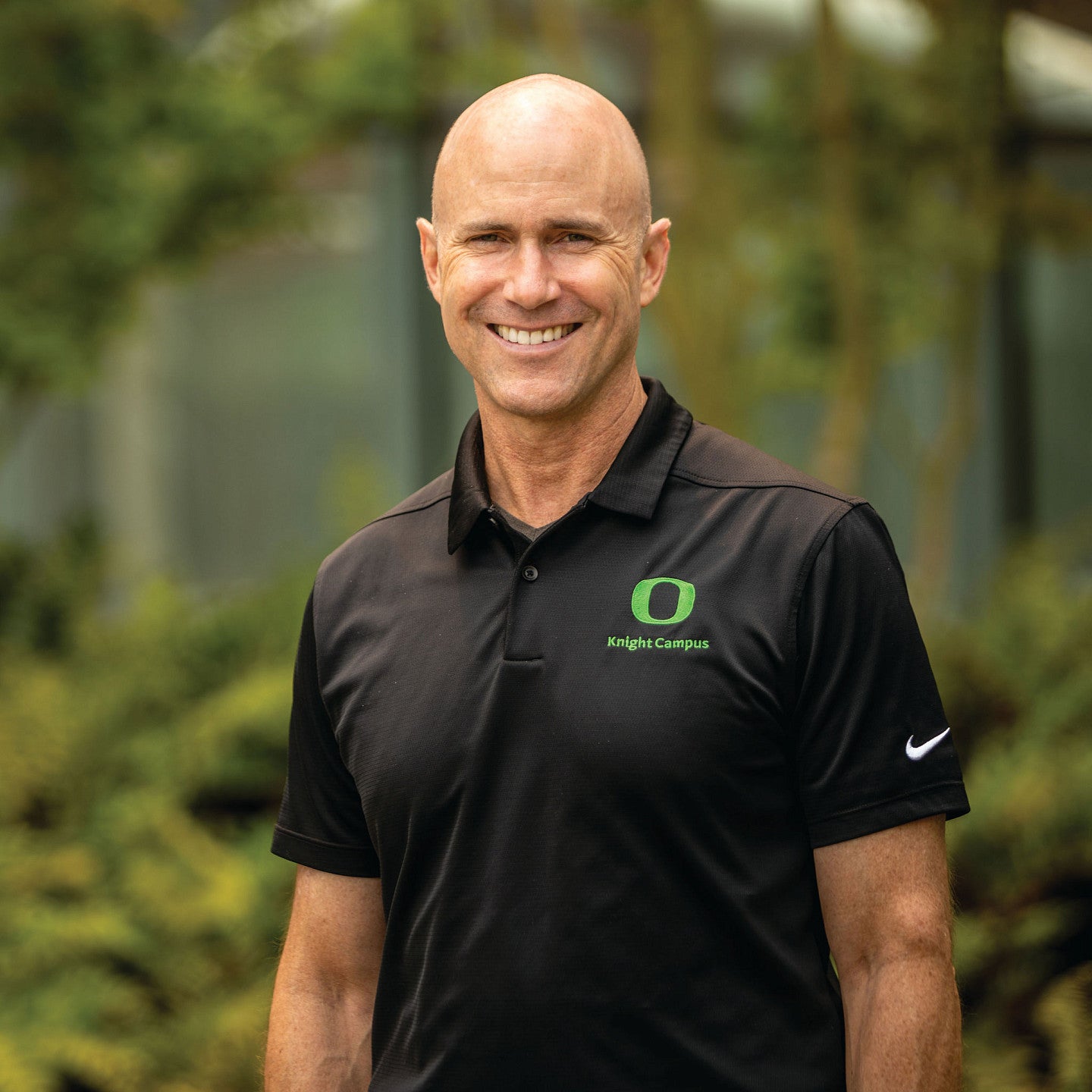
Dear Friends and Colleagues,
From record enrollment to new startup companies, we had plenty to celebrate in 2024-2025 at the Knight Campus — and we have lots to look forward to as we continue to harness the momentum we've established and super-charge our mission of Science Advancing Society. We're evolving into a regional hub of research and innovation and a world-class training ground for the next generation of pioneering innovators, leaders and disruptors.
In June, Knight Campus Graduate Internship Program (KCGIP) welcomed its largest class ever. KCGIP continues to serve as a national model in which applied graduate education seamlessly connects talent to industry, enabling our graduates to thrive in high-demand fields.
That same month, we also celebrated the graduation of our inaugural cohort of PhD students in bioengineering. Our programs now compete with the top global centers for students and faculty, and when they arrive here, many are embracing our mission to develop and launch critical innovations on an accelerated timeline.
With construction nearly completed on Knight Campus Building 2, our growing influence is on clear display. The building will more than double our physical footprint, providing a new home for 17–20 additional research groups, expanded teaching spaces, advanced student makerspaces and collaborative environments that encourage invention — including a new core facility for biofabrication and bioanalysis and a second Papé Family Innovation Center.
An ethos of innovation and entrepreneurship pervades everything we do at the Knight Campus. We are piloting a new Oregon model — one designed to avoid barriers between academia and industry and unlock new partnerships.
Through it all, we continue to align closely with President Scholz's university-wide priorities: enhancing career preparation, innovating for societal impact, and strengthening community — the Knight Campus is a key contributor to each of these goals.
UO is known for its iconoclastic innovation, from pioneering athletic performance to breakthrough technologies. The Knight Campus represents the next chapter in that story. We are fast becoming an irresistible destination for high-performing faculty and students — a flywheel for research, innovation and societal benefit — a center of excellence with global reach.
Thank you for being part of this journey.
Robert E. Guldberg, PhD
Robert and Leona DeArmond Executive Director,
Phil and Penny Knight Campus for Accelerating Scientific Impact;
Director, Wu Tsai Human Performance Alliance at Oregon;
Professor, Department of Bioengineering;
Vice President, University of Oregon
Leadership Team
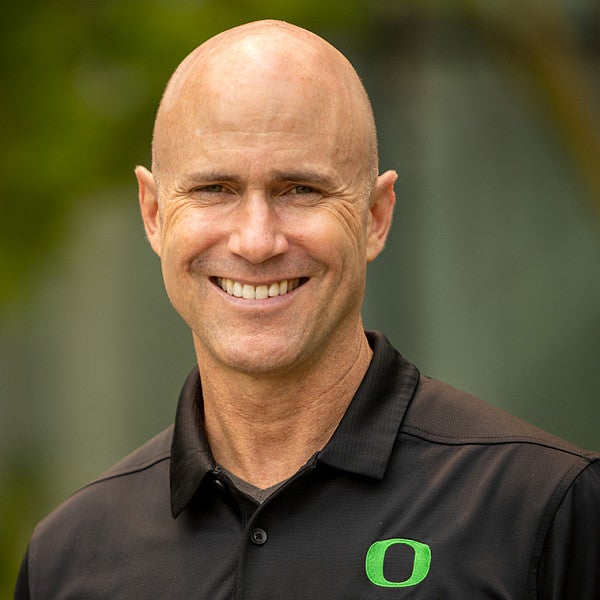
Robert E. Guldberg
Vice President and Robert and Leona DeArmond Executive Director
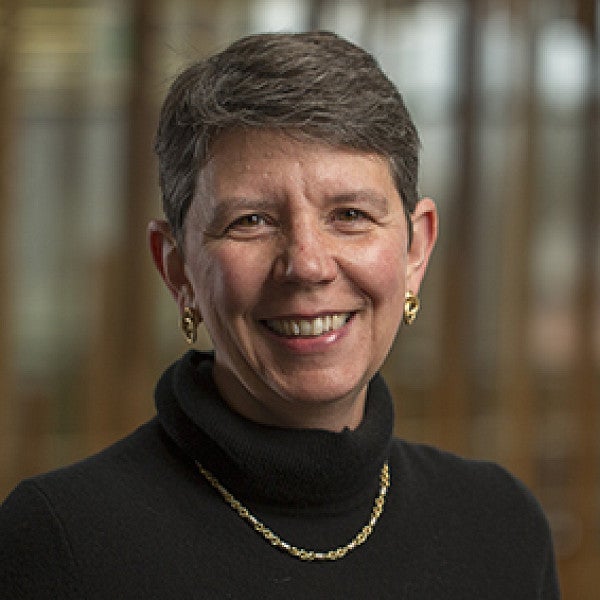
Moira Kiltie
Senior Associate Vice President and Chief of Staff; Acting Manager, Papé Family Innovation Center
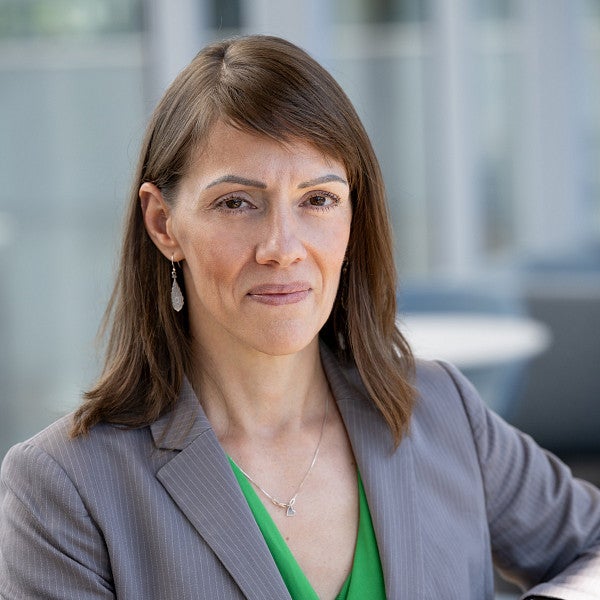
Danielle Benoit
Lorry Lokey Chair, Professor and Chair of the Department of Bioengineering

Bill Cresko
Lorry Lokey Chair; Professor of Bioengineering; Director, Center for Biomedical Data Science
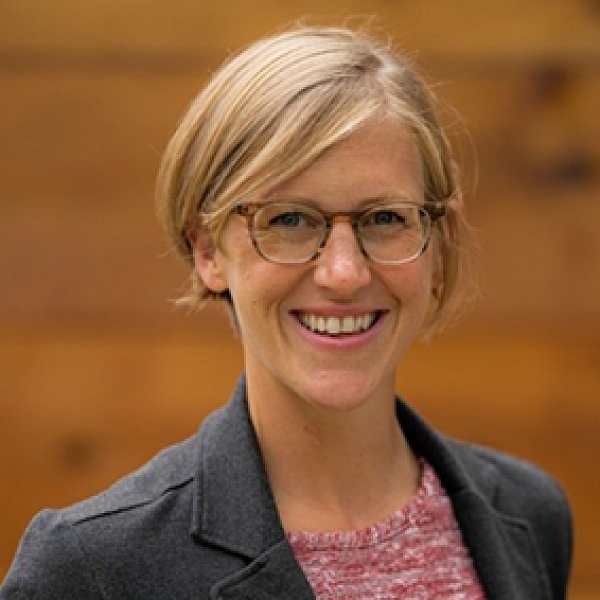
Callie Johnston
Assistant Vice President for Development and Chief Development Officer
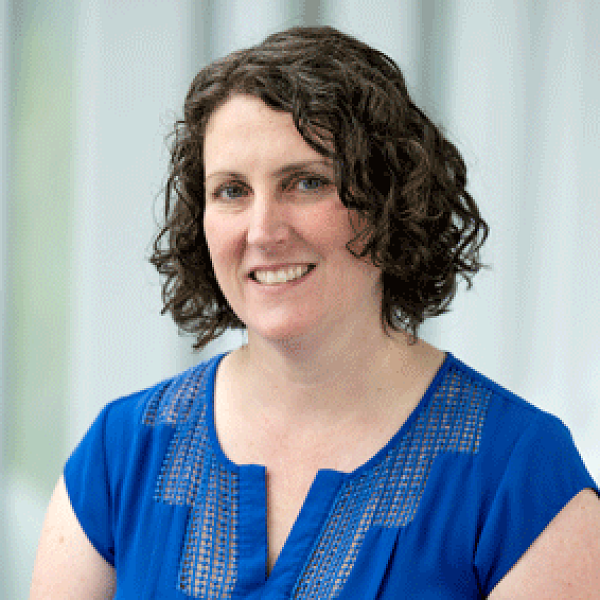
Stacey Wagner
Assistant Vice President for Master's Programs
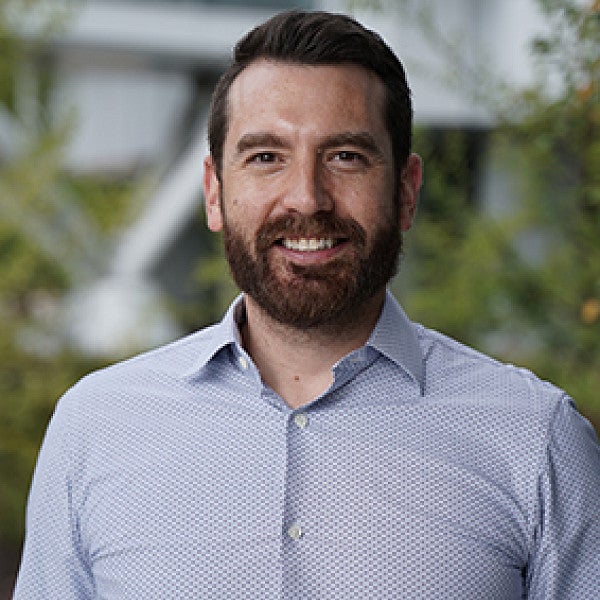
Nathan Jacobs
Senior Director of Academic and Impact Programming
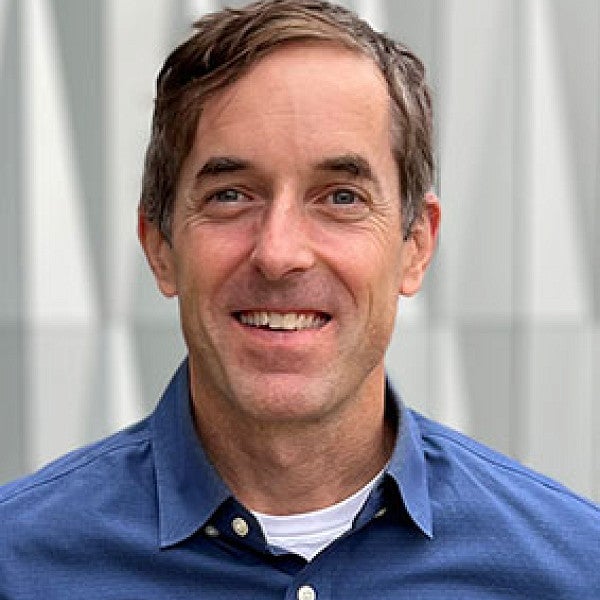
Lewis Taylor
Director of Communications
Milestones
Milestones
Knight Campus Hosts First-Ever In-Person Graduation Ceremony
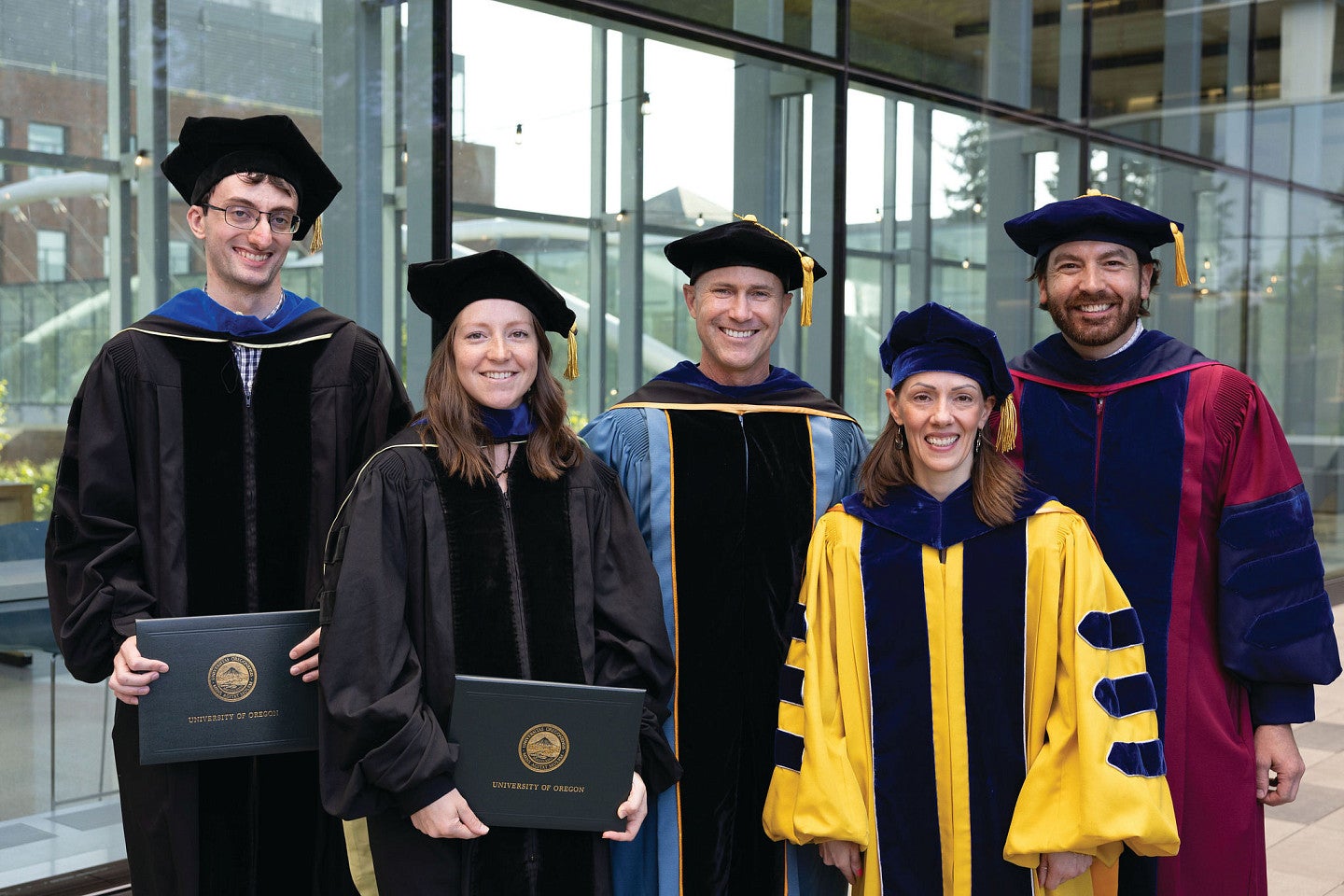
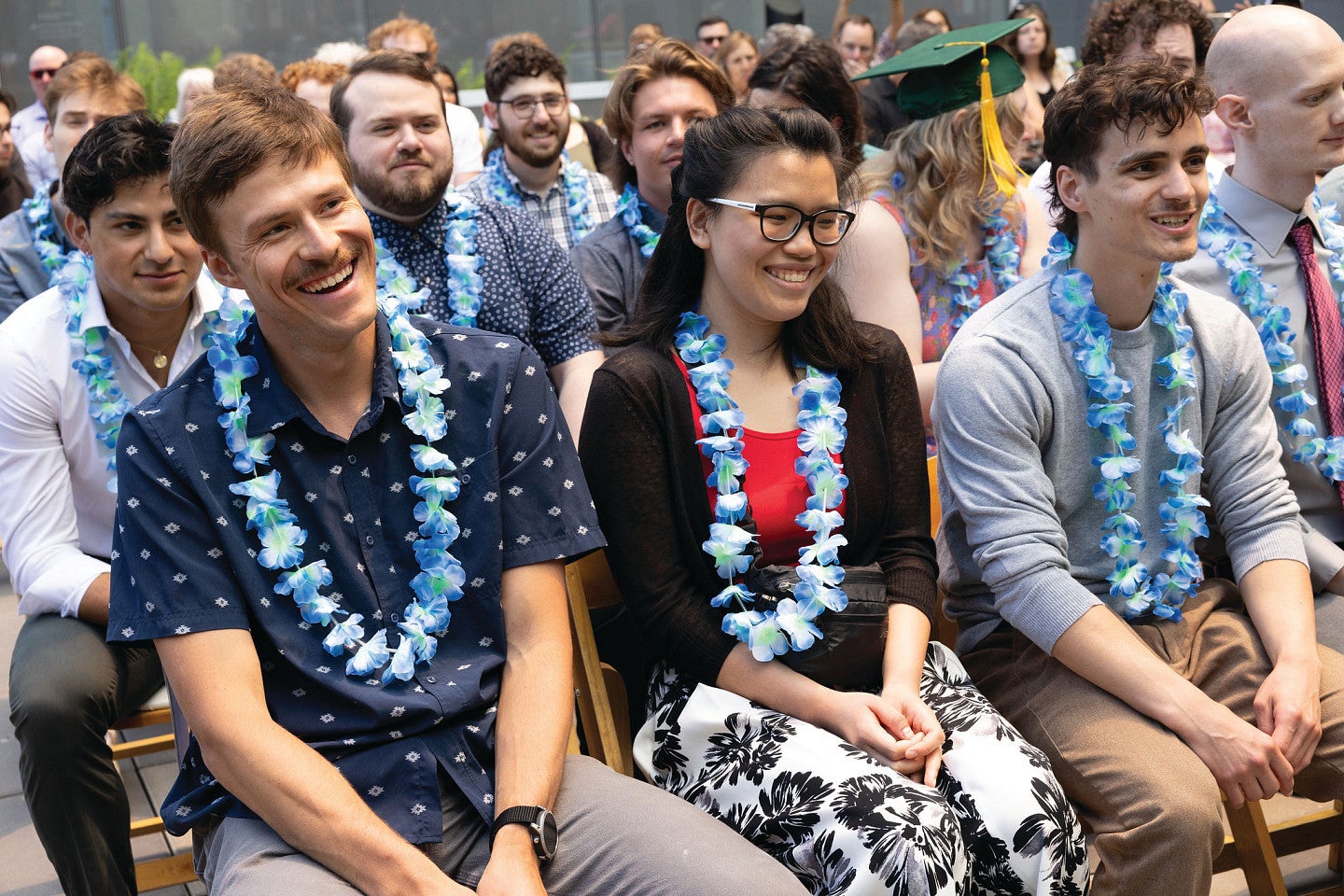
The Phil and Penny Knight Campus for Accelerating Scientific Impact marked a major milestone on June 15, 2025, hosting its first in-person graduation ceremony. "The graduates here today represent all the excitement and promise we as the faculty have poured into this new endeavor," said Bob Guldberg, University of Oregon vice president and Robert and Leona DeArmond Executive Director of the Knight Campus. "And they represent excellence — excellence in research, innovative thinking and caring for one another."
The half-day celebration included an open house for more than 130 graduates and their families and multiple formal diploma ceremonies — recognizing master's degree recipients in five tracks of the Knight Campus Graduate Internship Program, as well as PhD recipients in the Department of Bioengineering.
In previous years, Knight Campus master's graduates attended ceremonies within their degree-granting UO departments. This year, with the addition of bioengineering PhD graduates, Knight Campus leaders hosted dedicated ceremonies for both master's and doctoral students.
Addressing master's graduates, Stacey Wagner, assistant vice president for master's programs, encouraged them to view their achievements as a continuation of their growth. "Today marks the culmination of a transformative journey that has seen you grow as scholars and as citizen-scientists," she said. "Harness that momentum to continue to learn and grow."
Wagner emphasized the technical achievements of this year's graduates, highlighting the professional skills they gained through the curriculum — team-based problem solving, science communication and relationship building.
Following the master's ceremony, the Knight Campus welcomed its first bioengineering PhD graduates — the University of Oregon's first engineering degree recipients.
"Let me start with the obvious: you did it," said Danielle Benoit, Lorry Lokey Chair, Professor and Chair of the Department of Bioengineering. "You are the very first graduates of this department. We'll never forget you — not just because we're proud of you, but because we couldn't have built this program without figuring it out with you. Thank you for being our pioneers, our beta testers, our brave first cohort."
Benoit, Guldberg, and Nathan Jacobs, senior director of academic and impact programming, led a traditional "hooding" ceremony, placing doctoral regalia over graduates' shoulders to mark their transition from students to scholars. She also thanked families and Knight Campus leaders — including Guldberg, Jacobs, and Jim Hutchison, senior associate vice president and Lorry Lokey Chair in Chemistry — for their vision and drive.
Benoit reflected on the resilience of the first cohort, who faced lab closures, remote research, funding uncertainties, and the global pandemic. "We are so proud of you," she said. "And we're counting on you to carry forward the curiosity, integrity, and resilience that have brought you this far, because the world needs that now more than ever."
Khaila Carlstrom, assistant director of academic administration, credited Knight Campus employees with making the event the success that it was. "So many members of our academic operations team and other key administrative staff graciously supported the event to ensure that our graduates and their families had the best day possible," she said.
Milestones
Hutchison Shares Passion for Chemistry, the Environment at Science Knight Out
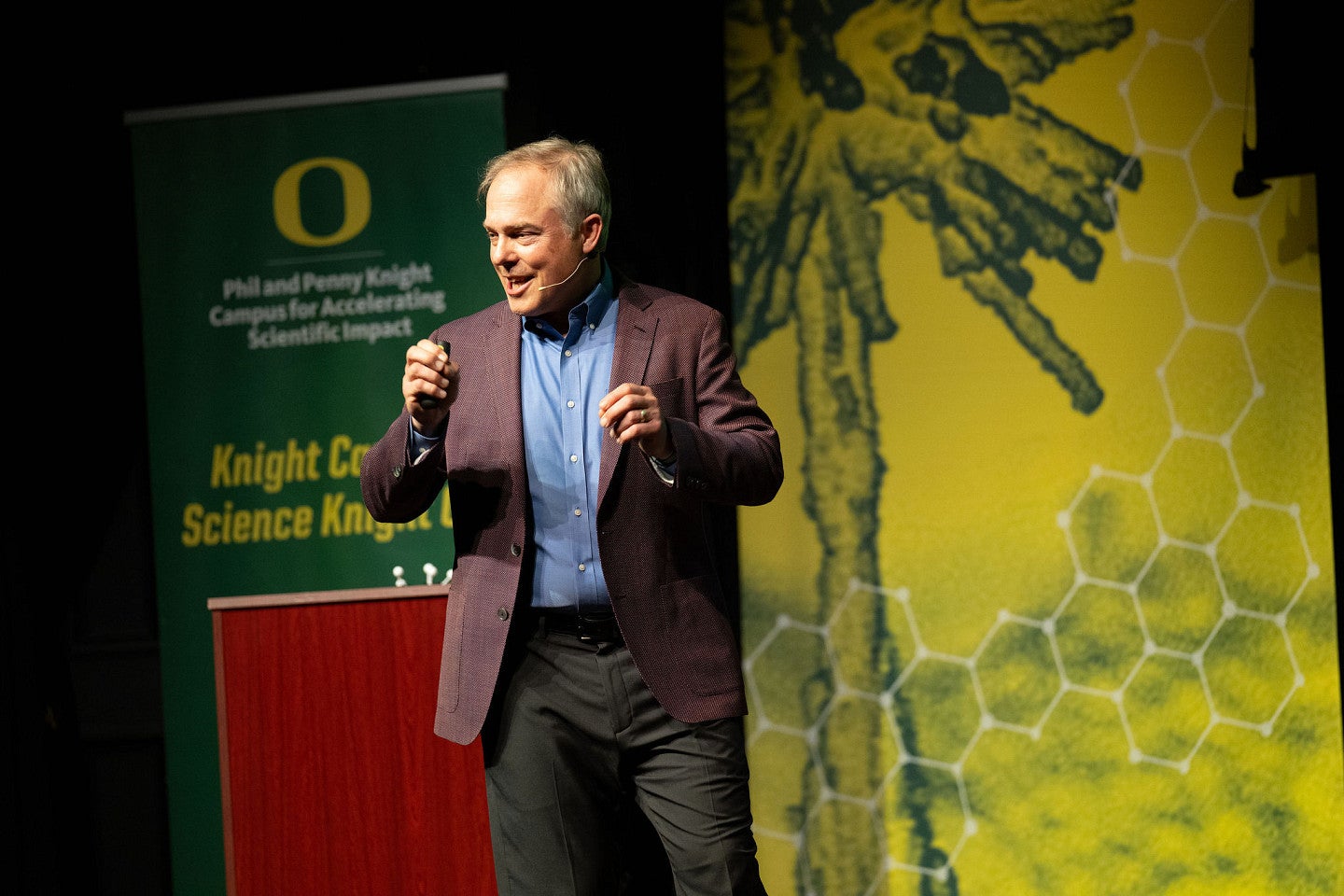
How can chemistry help build a better and more sustainable future? That question has long been on Jim Hutchison's mind. As the featured speaker at the 2025 Science Knight Out, Hutchison's described breakthroughs in molecular design and shared how his University of Oregon lab helped change the way chemistry is taught and applied and explore some of the ways he's continued to help develop innovative research and educational programs at the Phil and Penny Knight Campus for Accelerating Scientific Impact — from designing more sustainable products to using brewing as a framework for training the next generation of innovators.
Hutchison's lecture, "Tapping the Power of Chemistry: From Green Products to Brewing Innovation," highlighted the science behind green chemistry and its real-world applications. As the Knight Campus Senior Associate Vice President and The Lorry Lokey Chair in Chemistry, Hutchison is at the forefront of chemical design for sustainable products. He is the ninth speaker in the Science Knight Out series, following past presenters such as Lorry Lokey Chair, Professor and Chair of the Department of Bioengineering Danielle Benoit and Knight Campus Executive Director Bob Guldberg. Science Knight Out is annual event that is free and open to the public.
A pioneer in green chemistry and nanoscience, Hutchison has dedicated his career to developing safer, more sustainable chemical processes. His research has focused on engineering nanoparticles, materials thousands of times smaller than a human hair, for applications in electronics, biomedical technology, and high-performance textiles. His chemistry lab at the UO has long prioritized waste reduction and environmental safety, ensuring these innovations are both impactful and responsible. Hutchison's work has been deployed worldwide, leading to the development of new products and technologies — including the well-known sustainable cleaning product, DeFunkify, which he helped create through Dune Sciences, the startup company he co-founded.
At the Knight Campus, Hutchison has played a key role in developing academic programs, including the bioengineering PhD, bioengineering minor, and the Brewing Innovation minor. The program blends science, engineering, history, and storytelling to explore the craft and science of beer making. Designed to immerse students in the innovation pipeline, the brewing innovation program takes ideas from concept to product, using beer as a hands-on model for real-world innovation. With over 160 scientific publications, four National Academy of Sciences reports, and numerous national awards, Hutchison has pushed the boundaries of sustainable chemistry and science education.
Milestones
Brewing Innovation Students Launch Community Collaboration
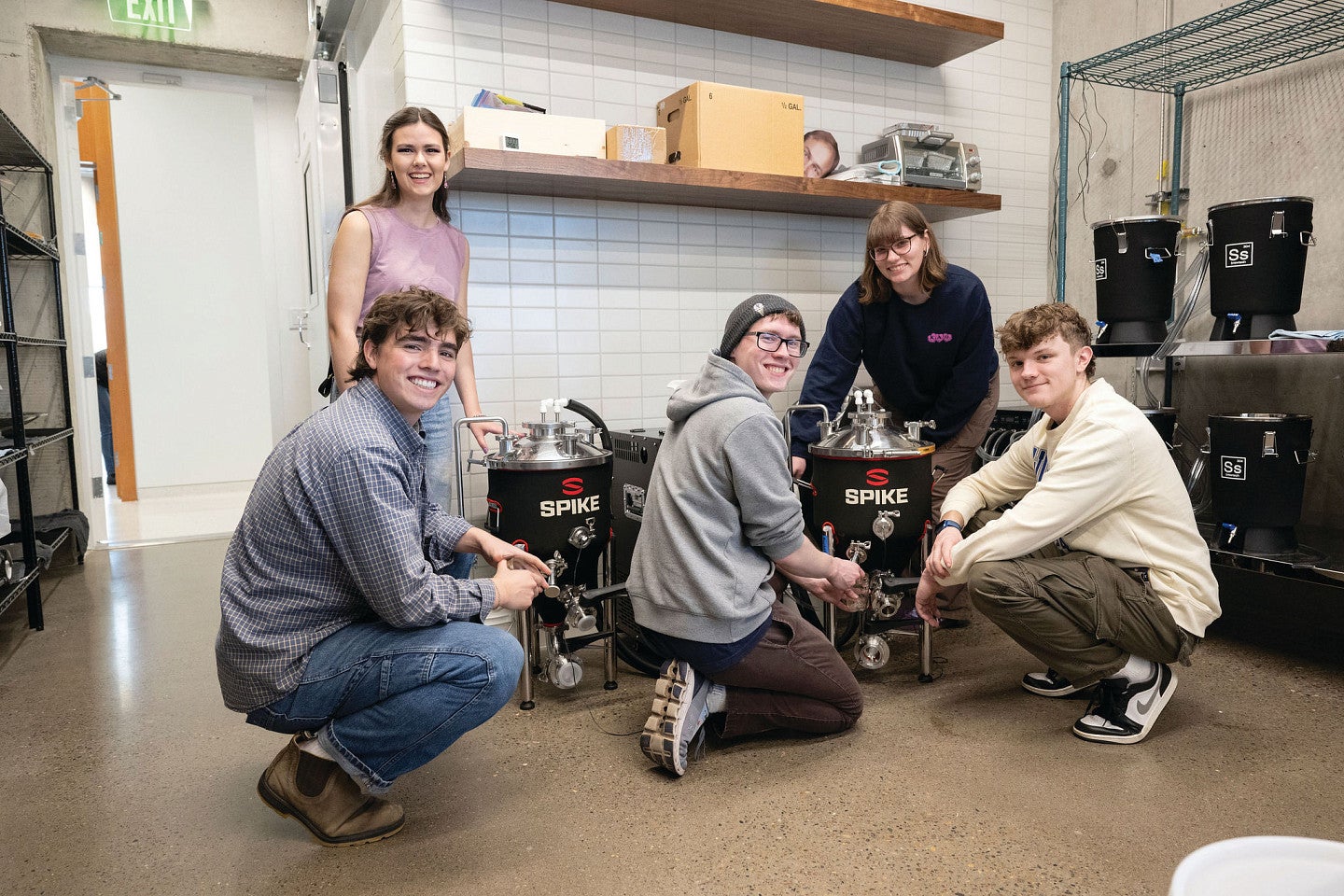
On June 11, 2025, UO undergraduates enrolled in the Knight Campus Brewing Innovation minor unveiled a special collaboration brew made with Toby Schock, head brewer at the Wheel Apizza Pub, as part of Eugene Beer Week. The collaboration produced a South American inspired corn beer known as chicha and offered an opportunity to celebrate community and share the Brewing Innovation program with the public. The program leverages science and engineering, history, innovation, and storytelling to teach the craft and science of brewing.
The collaboration brew was made using an unusual technique in which the primary fermentable sugar comes from locally sourced Oaxacan green dent corn. The ferment is infused with a unique blend of herbs and flowers from Ecuador, lending the beer its pink hue. The fermentation includes a mix of traditional brewer's yeast and a wild culture introduced through tepache — a naturally fermented beverage made from pineapple skins and sugar.
Launched in the Fall of 2024, the Brewing Innovation Program teaches students how to be innovators through the lens of beer and brewing. Activities take place in the Knight Campus' Fermentation Innovation Lab, which is equipped with a 1-barrel brewing system, an analytical laboratory, a servery for educational tastings and other equipment for hands-on learning. The program emphasizes transferable skills in innovation, storytelling, and interdisciplinary teamwork. A capstone course challenges students to design new products or solve real-world technical brewing problems — blending recipe design, inspiration, and community collaboration.
Milestones
Building 2 Expands Innovation and Opportunity at the Knight Campus
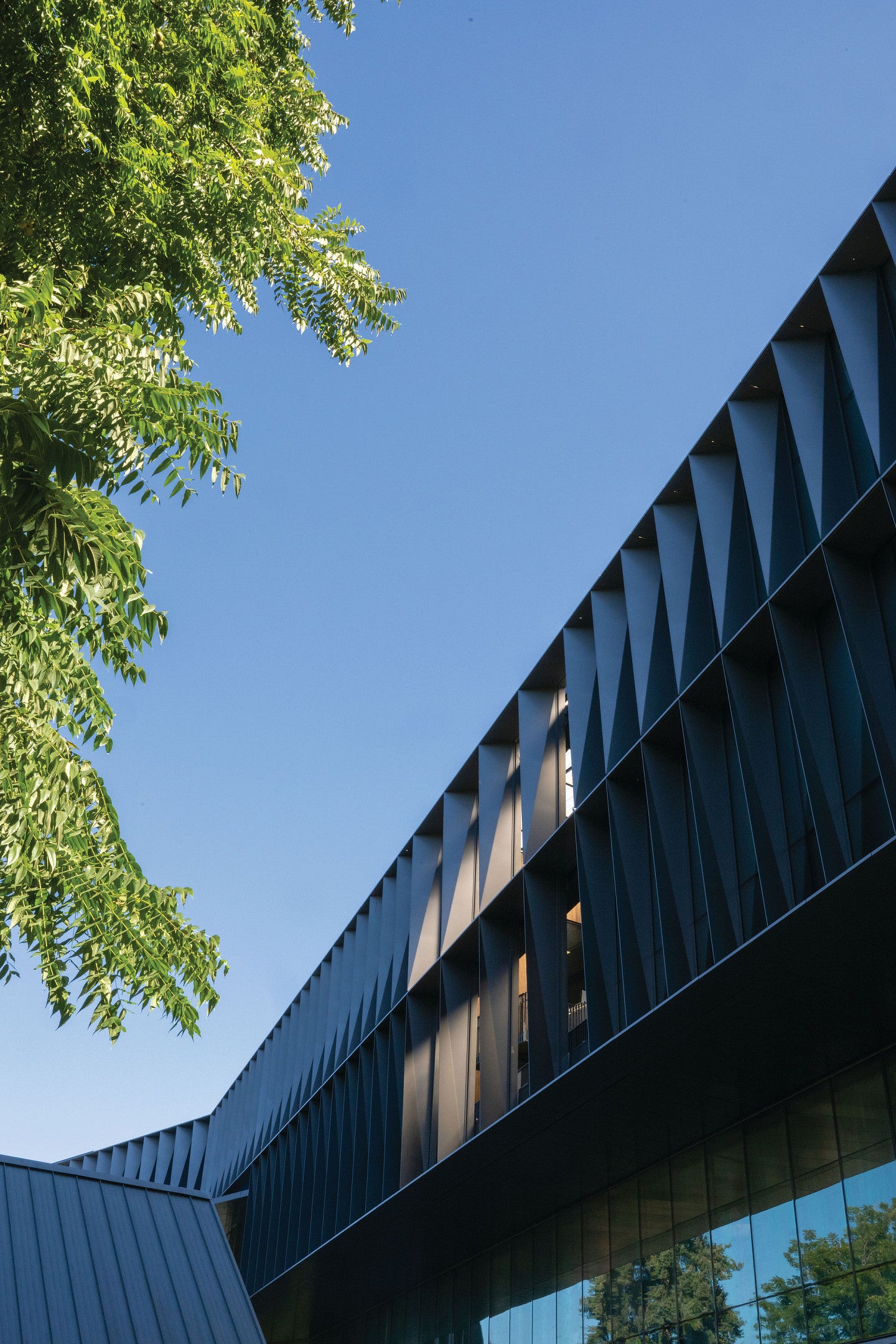
Scheduled to open in 2026, Building 2 is a 185,000-square-foot, multi-story bioengineering and applied science research facility designed by Portland-based ZGF Architects with capacity for research and development of new biomedical technologies and expanding academic programs. Additionally, the facility will house 17 to 20 research groups and include a second Papé Family Innovation Center for startup incubation.
Building 2 emphasizes engineering research and training with amenities that include a student maker space for prototyping and invention. The exterior draws inspiration from the façade of Building 1 and the elegant biomaterial scaffoldings already being created in existing Knight Campus labs. Inside, a central wood staircase rises like a tree through the Forum — the building's two-story "living room" — encouraging casual encounters and cross-disciplinary exchange.
A key highlight will be the biofabrication and bioanalysis core facility called "The BioFoundry," that will allow researchers to use high throughput technology to understand and then develop synthetic cells, tissues and organs. It will enable the development of new personalized medical tools that could be used to monitor health, regenerate new tissue, and treat cancer.
Building 2 will include a public café alongside the Millrace with an outdoor seating area, a west-facing terrace space, a seminar room, a computational suite, and a double-height forum, as well as numerous "research neighborhoods" with support spaces, open labs, office areas and terraces. The building is targeting LEED Gold certification. "The architecture reflects a forward-thinking mindset and an ethos of innovation," said Braulio Baptista, lead architect and partner at ZGF Architects. "The design endeavors to uplift people and empower them to reach for excellence."
Building 2 is made possible by a second $500 million gift from Penny and Phil Knight, paired with $10 million in state funding for cutting-edge research equipment.
"With the addition of Knight Campus Building 2, we are still just getting started. The buildings — made possible through the Knights' visionary partnership — are scaffolds into which our donors and partners allow us to build world-class academic, research, and innovation programs."
— Robert Guldberg
Vice President and Robert and Leona DeArmond Executive Director
Fast Facts:
- Size: ~185,000 sq. ft.
- Operational Year: 2026
- Core Features: 17-20 research labs, teaching spaces, innovation modules, shared equipment facilities
- Design Intent: Collaboration-driven layout, sustainability-focused
- Green Milestones: LEED Gold target, 40%+ projected energy savings, carbon reduction via Type 1L cement
- Funding: $500M gift from Phil and Penny Knight; $10M state investment in research equipment
Student Success
Student Success
Department of Bioengineering Welcomes New PhD Cohort
Academic Year 2024–2025
Total Enrolled PhD Students – Spanning 4 Cohorts | 40 |
Students who Received Master's Degrees | 4 |
PhD Students Supported by Competitive External Fellowships | 7 |
New PhD Recruits for Fall 2025 | 9 |
Undergraduate Minor Students | 68 |
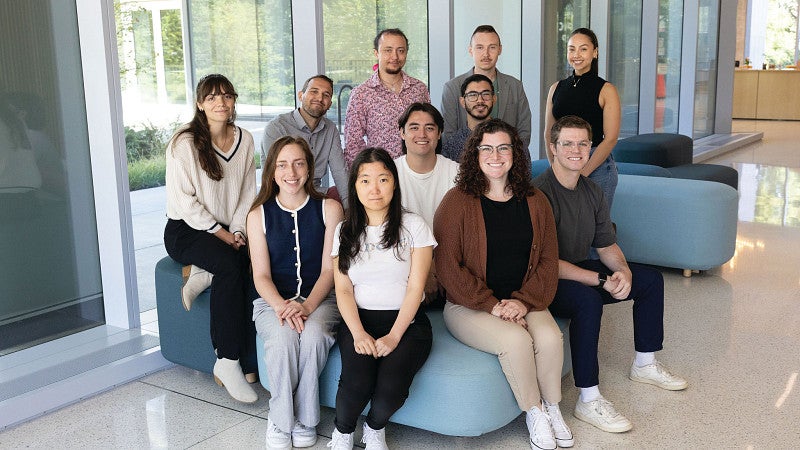
The Knight Campus welcomed its newest PhD students for the fall term of the 2025–26 academic year, launching the sixth cohort for the Department of Bioengineering. This group represents institutions from Oregon and across the nation, bringing diverse academic backgrounds and fresh perspectives to the program.
The students began their journey with IMPACT Week, the department's signature orientation and training program. This immersive series of workshops builds core skills in science communication, innovation, and entrepreneurship, establishing a strong foundation for their success as applied scientists and engineers.
With hands-on learning opportunities and a focus on collaboration and discovery, these students will gain the skills needed to excel in both academic and professional arenas, empowering them to connect scientific progress with societal needs and drive impactful solutions.
"I truly value the supportive atmosphere here. With the guidance of faculty and collaboration with fellow students, I feel confident that I will have the tools I need to pursue my goals. I know that research can be challenging, but I believe this environment will allow me to overcome obstacles and make meaningful progress toward my dream of advancing drug delivery research in the Benoit Lab."
— David Dzamesi
Department of Bioengineering PhD Student
Student Success
KCGIP Launches 2025 Cohort with Record Enrollment and a Deep Dive into Professional Development Week
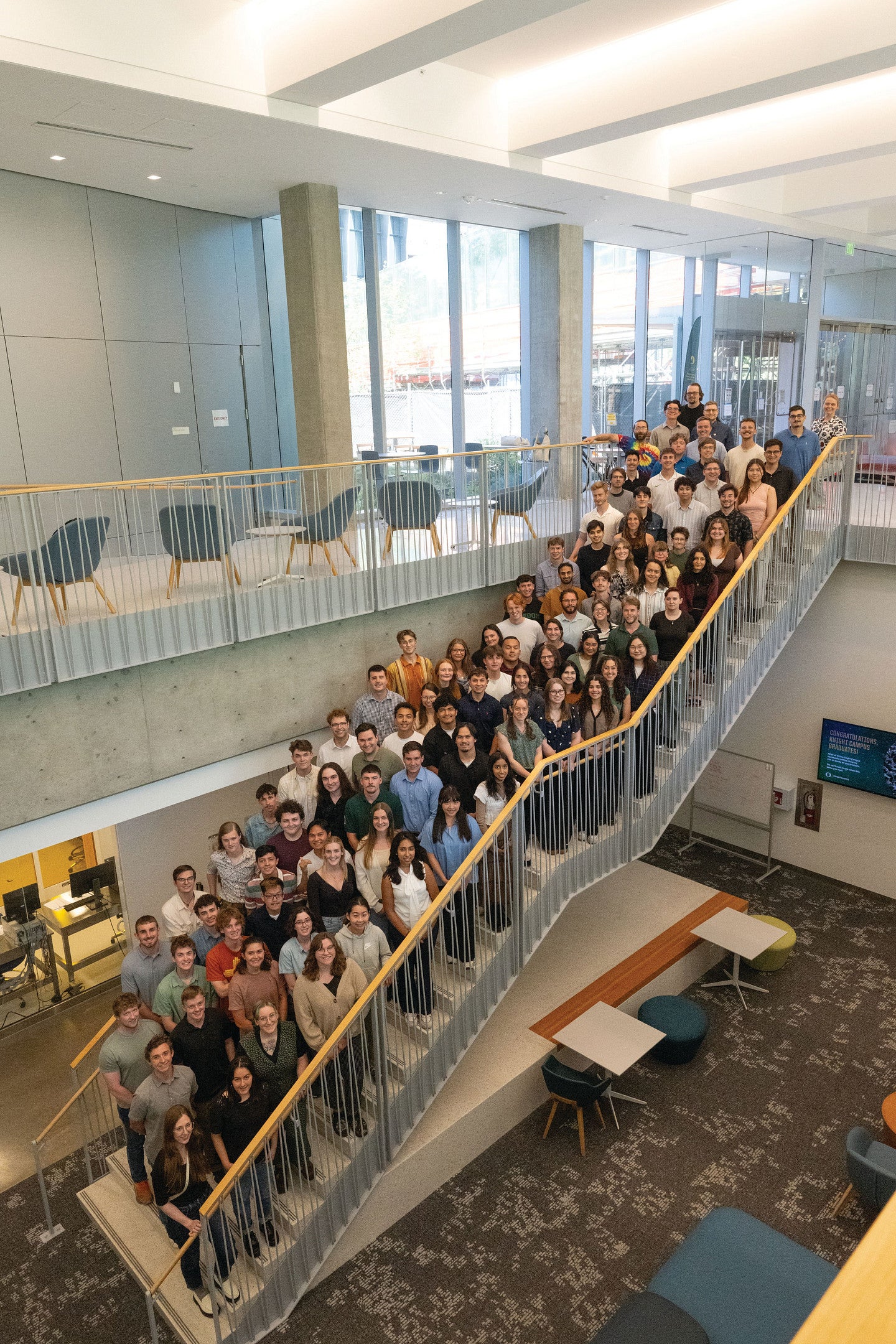
The Knight Campus's nationally recognized master's program continues to evolve to meet industry demand and student success. The Knight Campus Graduate Internship Program (KCGIP) welcomed a record-setting class of 93 new students for its 2025 master's cohort — an increase of more than 6 percent over last year's total. The program kicked off with a 3-day Professional Development and Orientation Week designed to support students to kickstart their applied master's program and carry through the launch of their future careers. This year's growth was led in part by the program's semiconductor track, which saw a more than 35% boost in enrollment.
KCGIP is nationally recognized for its innovative approach to graduate education – specifically designed to meet the technology needs of industry. The more-than 25-year-old program has a 98 percent graduation rate and deep ties to industry that translates to a 90 percent employment rate. Students in the program can pursue specializations in bioinformatics, molecular sensors and biotechnology, optical materials and devices, polymer science and semiconductors.
This year's Professional Development Week was organized around three guiding themes: Strong Communities, Science Journeys and Summer Term Success. Students affirmed the effectiveness of the sessions. Most agreed that the week's activities were rewarding and a powerful bonding experience to enter into with their new classmates.
"Professional Development Week is the most effective team and community building experience I've ever had," said Annika Laberge-Shusterman, an incoming student in the bioinformatics track.
Stacey Wagner, assistant vice president for master's programs, credits Professional Development Week with setting the tone for the multifaceted training KCGIP students receive throughout their time in the program. In addition to focusing on critical technical skills, the program emphasizes leadership, communications and relationship building and reinforces the value of understanding a variety of perspectives.
Knight Campus Graduate Internship Program (Master's)
Academic Year 2024–2025
Master's Student Graduates | 91 |
Graduates Placed/Hired in Full-Time Roles Within 3 Months of Graduating | 90% |
New Recruits Admitted and Signed for Academic Year 2025-2026 | 93 |
KCGIP Expands Workforce Opportunity
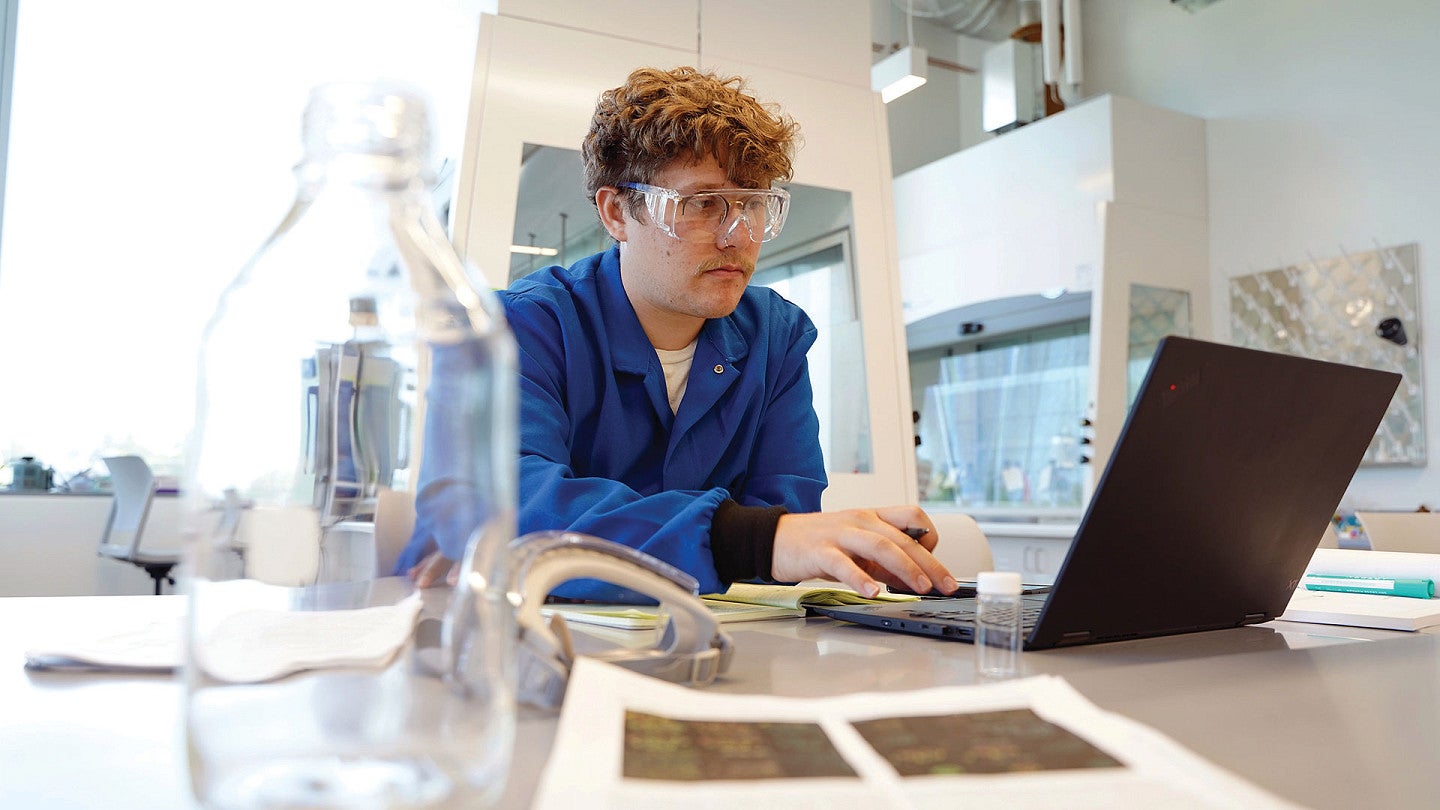
The Knight Campus Graduate Internship Program (KCGIP) is helping meet Oregon's growing need for a skilled STEM workforce. This applied master's program combines six to nine months of industry-specific training and professional development with a paid nine-month internship, providing a direct path from academia to innovative careers.
"Through industry partnerships and comprehensive supports, we're preparing students to thrive in critical industries such as semiconductors and genomics, driving the high-tech innovation economy," said Stacey York, senior director of professional development and workforce readiness.
KCGIP's reach extends beyond the master's level. Partnering with UO's Departments of Physics and Chemistry & Biochemistry and three regional community colleges — Lane, Umpqua, and Central Oregon — the program cultivates talent across Oregon.
In 2022, the Oregon Pathways to Industry Research Careers (OPIRC) launched with a $4.3 million National Science Foundation grant, followed by a $1 million Workforce Ready Oregon Grant in 2023. Together, these initiatives provide high financial need students with scholarships, research stipends, mentoring, advising, and more than 100 hours of career readiness training. Over the course of the NSF grant, 64 scholars will participate, with an additional 30 supported by Workforce Ready.
"OPIRC and Future Ready Oregon have completely transformed my understanding of my potential," said Jonny Bouton, LCC transfer student and UO chemistry major. "With their support, I discovered my ability to excel academically and am now excited to begin my career in industry."
Student Success
From Lab Bench to Capitol Hill
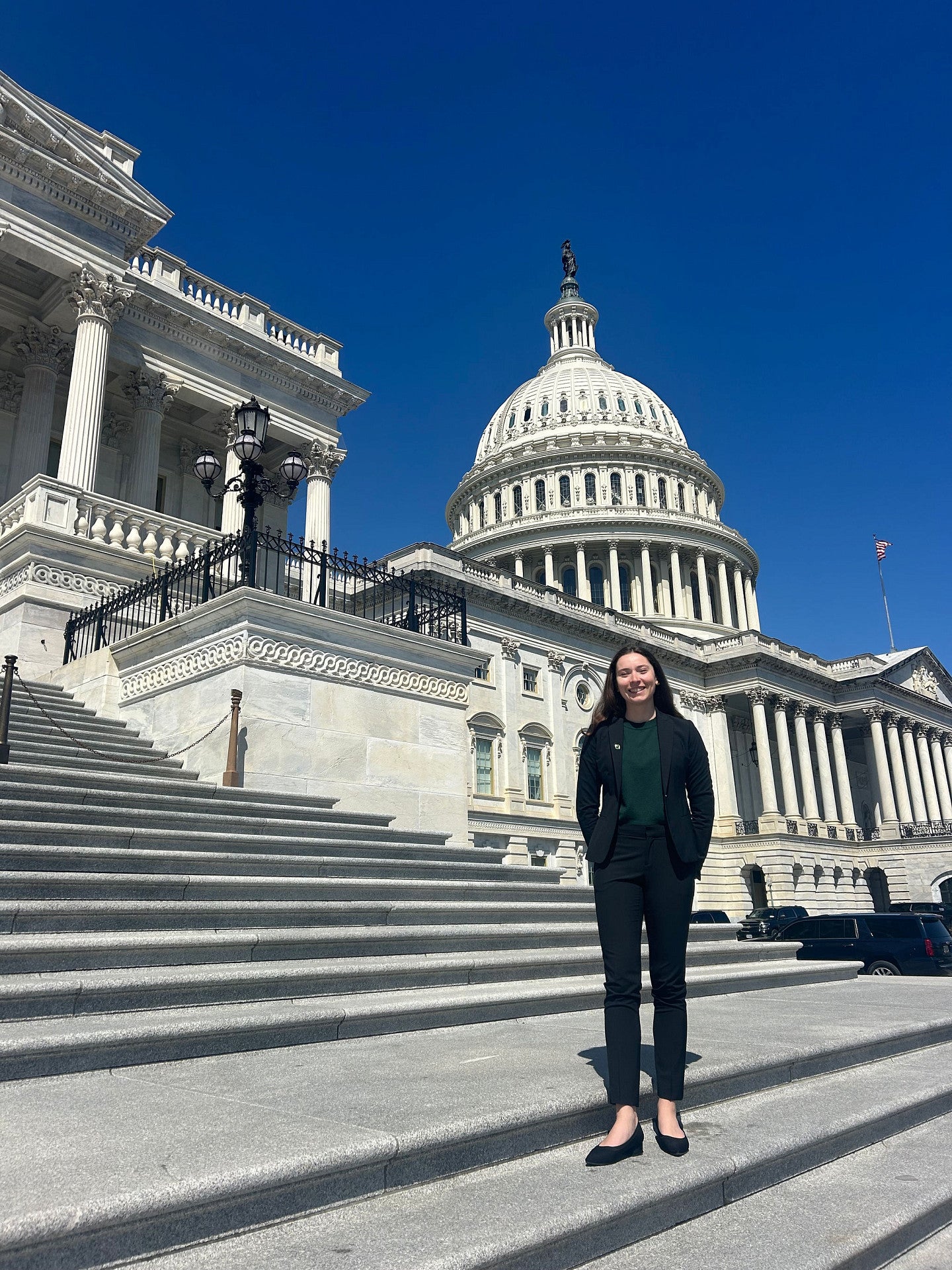
Lia Strait, a PhD candidate in bioengineering, is helping bones heal faster — and advocating for science policy on Capitol Hill. Strait, a researcher in Bob Guldberg's lab focused on improving bone regeneration, travelled to Washington, D.C., in April, for a prestigious fellowship that provided hands-on experience in science policy — an area she plans to pursue as a career.
Since joining the Knight Campus, Strait has been drawn to science policy. She joined fellow PhD candidate Anne-Marie Barrett to attend the American Association for the Advancement of Science (AAAS) Catalyzing Advocacy in Science and Engineering (CASE) workshop, sponsored by the office of the Vice Provost for Graduate Studies and supported by the UO Office of Government and Community Relations. This experience equips future scientists with essential skills to communicate their research, advocate for sustained federal investment, and engage in the policymaking process that shapes the future of science.
The highlight of the workshop was the opportunity to meet with Oregon Senator Jeff Merkley and staffers from nearly all of Oregon's congressional delegation. Strait and her peers shared how federally funded research at UO, and the Knight Campus, is driving medical innovation and improving lives. And they practiced a skill that Strait has been honing through her training at the Knight Campus: scientific storytelling.
"We spent a lot of time translating the science into something meaningful for policymakers, through focusing on how the work we do at the bench impacts their constituents. I already had a lot of storytelling experience from the Knight Campus, so I felt ready."
— Lia Strait
PhD Candidate
Student Success
Knight Campus Undergraduate Scholars
The Knight Campus Undergraduate Scholars Program pairs promising undergraduates with research mentors — graduate students, postdocs, and faculty members — immersing them in a 12-month, comprehensive research experience in Knight Campus-affiliated labs. These young scientists are taking on independent research projects in a diverse set of fields and connecting with mentors throughout the Knight Campus and across the UO. This year's scholars are majoring in neuroscience, biochemistry, human physiology, biology, computer science and data science, physics, psychology and chemistry.
Here are some other statistics about 2025's group of outstanding, next generation researchers:
- Gender: 25% Male; 75% Female
- Ethnicity: 55% students of color; 45% white
- 20% are first-generation
- 25% are transfer students
- 55% are enrolled in the Clark Honors College
- 70% are Oregon residents (graduated from an Oregon high school)
"I believe exploration of regenerative rehabilitation and human performance is a worthwhile investment because it has the potential to yield significant benefits across all domains of life, from young to old, healthy to sick, and from average to elite. Developing and integrating new technologies to enhance rehabilitation and performance can not only address immediate health concerns of individuals but also contribute to their long-term well-being."
— Lucy Rose
Ken and Kenda Singer Scholar
Class: Junior, Major: Biochemistry, Minor: Spanish, Mentor: Lia Strait, Lab: Guldberg Lab
Student Success
Knight Campus PhD Candidate Rose Hulsey-Vincent Awarded Competitive NIH Individual Predoctoral Fellowship
Knight Campus PhD candidate Rose Hulsey-Vincent has been awarded a competitive National Institutes of Health (NIH) Individual Predoctoral Fellowship (F31) to support her research on the neural basis of song in canary birds. The fellowship is a respected recognition of early-stage researchers whose work shows strong potential to advance scientific knowledge and benefit human health. The NIH F31 fellowship honors both the quality of doctoral student research and the effort it takes to prepare a strong application.
Hulsey-Vincent's project, conducted in the Gardner Lab, explores regions of the brain that control movement and how speech is generated. Through studying the diverse song patterns of canaries, Hulsey-Vincent aims to better understand how the brain arranges individual sounds into complex sequences and songs, providing fundamental insights into how the brain controls this everyday function, and what may go awry in diseases or speech conditions, including stuttering.
"The canary song system is a powerful model for understanding how the brain learns and produces structured, flexible behaviors," Hulsey-Vincent said. "This work may deepen our understanding of the neural circuitry involved in movement and speech and could inform new approaches to addressing related disorders."
Hulsey-Vincent's approach combines behavioral analysis, neural recordings and targeted manipulations of specific brain circuits. Through this work, she aims to reveal how different brain regions coordinate to generate and adapt sequences from birdsong to human speech and movement.
Knight Campus Sees First PhD Dissertation Defenses
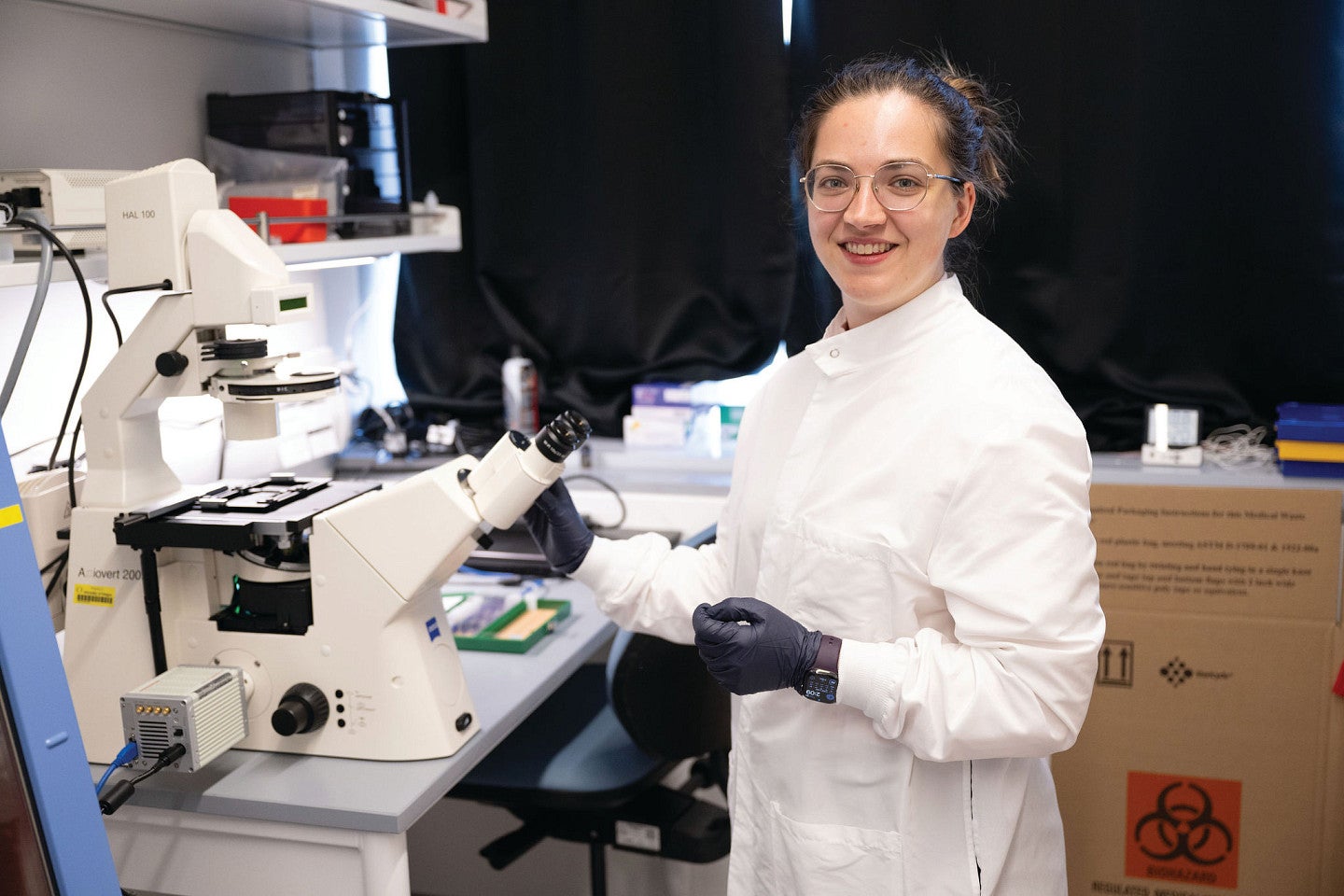
The 2024-25 academic year marked the first time the Knight Campus has hosted dissertation defenses. On multiple occasions, Department of Bioengineering PhD students participated in the academic rite of passage, delivering research presentations, answering questions before their committees and celebrating publicly afterwards. Members of the Knight Campus community proudly showed up and helped mark the moment of transition from student to independent scholar for Kylie Williams, Jonathan Dorogin, Andrew Holston, Natanya Villegas, Tyler Guyer, and Julia Andraca Harrer.
"The most impactful thing for me at the Knight Campus was defending my dissertation. I was truly honored by how many people came out to listen to me talk about my research. Even after the fact, many people have come and celebrated me, congratulated me. I think it shows the power of community within the campus both within the beginning, and the end – it was a great day because of everyone around me."
— Kylie Williams
Guldberg Lab
Centers of Excellence
Centers of Excellence
Translating Research into Impact for Athletes
The Wu Tsai Human Performance Alliance at Oregon supports research across the University of Oregon and partners with five institutions nationwide. Oregon researchers are also extending their work globally, connecting with international scientists and students to improve human health and performance. Here's how the Alliance at Oregon is working to translate their findings into tangible tips for athletes:
Annual Spring Symposium
The Wu Tsai Human Performance Alliance at Oregon hosted its annual Spring Symposium, themed "Translating Research into Impact on Athletes." The event featured keynote talks from Dr. Cindy Chang, chief medical officer for the National Women's Soccer League, and Gillian Weir, senior biomechanist for the New York Yankees, alongside research presentations and panels by students, faculty, and staff. Together, these sessions highlighted how interdisciplinary work across the alliance is driving real-world benefits for athletic performance and well-being.
Running with Researchers
The Knight Campus Communications Office launched an Instagram running with researchers interview series with scientists from the Wu Tsai Human Performance Alliance, exploring topics from biomechanics to oxygen optimization. Designed to translate research into practical training tips, the format challenged scientists to share accessible insights while running across campus, blending endurance with clear, real-world advice for athletes. Learn more: knightcampus.uoregon.edu/wt-reels
Science in the Spotlight
Wu Tsai researchers have been finding new ways to connect with athletes, expanding into podcasts and media interviews over the past year. Former Wu Tsai associate Jordan Troester appeared on the This is Oregon podcast to share advice for runners and debunk common myths about sports science. Alliance at Oregon Associate Director Mike Hahn spoke with Runner's World about the efficient mechanics of elite runners and offered practical tips to improve form. And Alliance at Oregon Associate Director Nick Willett joined legendary women's basketball player Bev Smith on the This is Oregon podcast to discuss the physical and mental health benefits of youth sports.
Centers of Excellence
Old Dog, New Tricks: New Research Seeks to Repurpose Immunosuppressive Drug to Accelerate Regeneration
Developing new drugs for regenerative medicine takes years or decades. But what if existing FDA-approved drugs could be repurposed to bring treatments to clinicians more quickly?
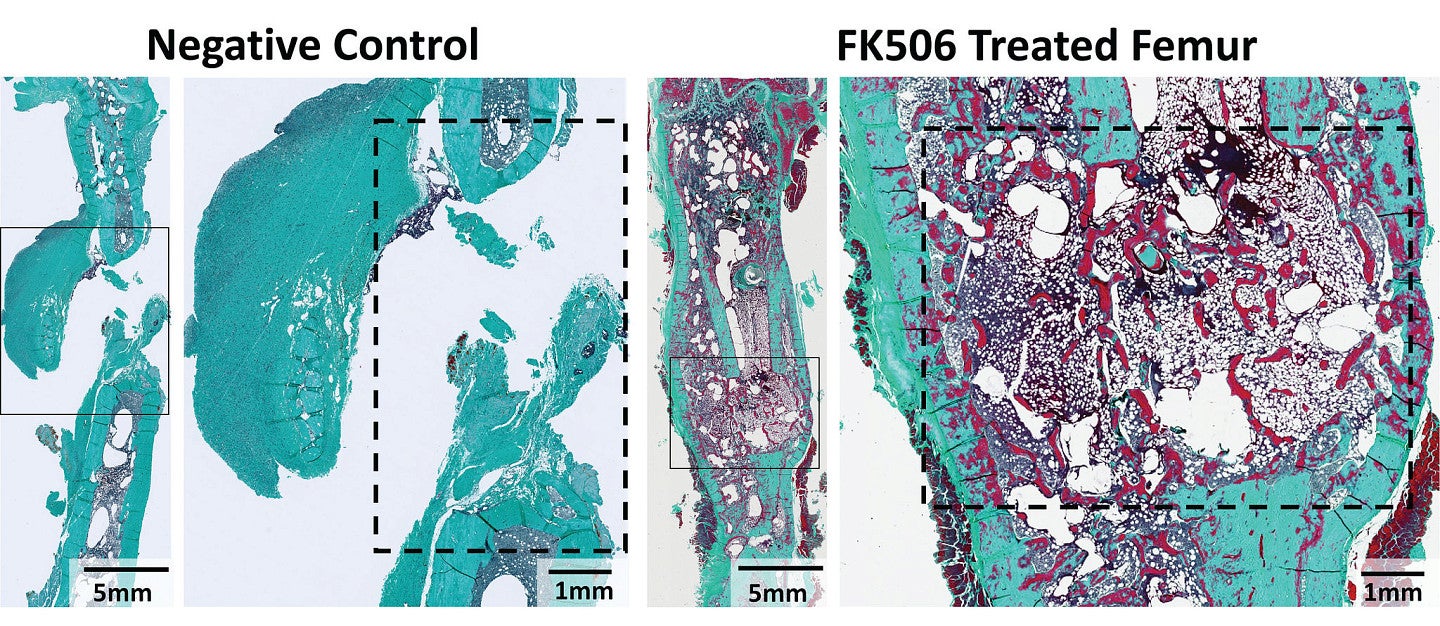
In a study published in the October 2024 edition of the journal Bone, researchers in the lab of Nick Willett — an associate professor at the Knight Campus Department of Bioengineering and associate director of the Wu Tsai Human Performance Alliance at Oregon — demonstrated that Tacrolimus (FK506), an immunosuppressive drug prescribed for transplant patients, could also promote bone regeneration for orthopedic procedures.
Willett's team frequently works with clinicians to understand their real-world needs and kept hearing about frustrations with patients' difficult recovery from spinal fusion surgeries. Motivated by this challenge, the team decided to screen existing FDA-approved drugs to see if any could help with bone formation and potentially help patients recover faster.
Julia Andraca Harrer, then a graduate student in Willett's lab, tested Tacrolimus in animal models by implanting drug-infused collagen sponges at bone injury sites. After 12 weeks, treated femurs showed significant repair comparable to uninjured bones. In spinal fusion models using rabbits, Tacrolimus achieved fusion rates comparable to other commonly used treatments like BMP, but without some of the typical side effects.
While these findings are promising, much work remains before Tacrolimus can be repurposed for human use in this context. The drug targets a critical pathway in the body, and its off-target effects are not yet fully understood. Future research, including studies in non-human primates, will be essential to determine the optimal dosage, timing, and overall efficacy.
Centers of Excellence
The Hildegard Lamfrom Graduate Scholars Program
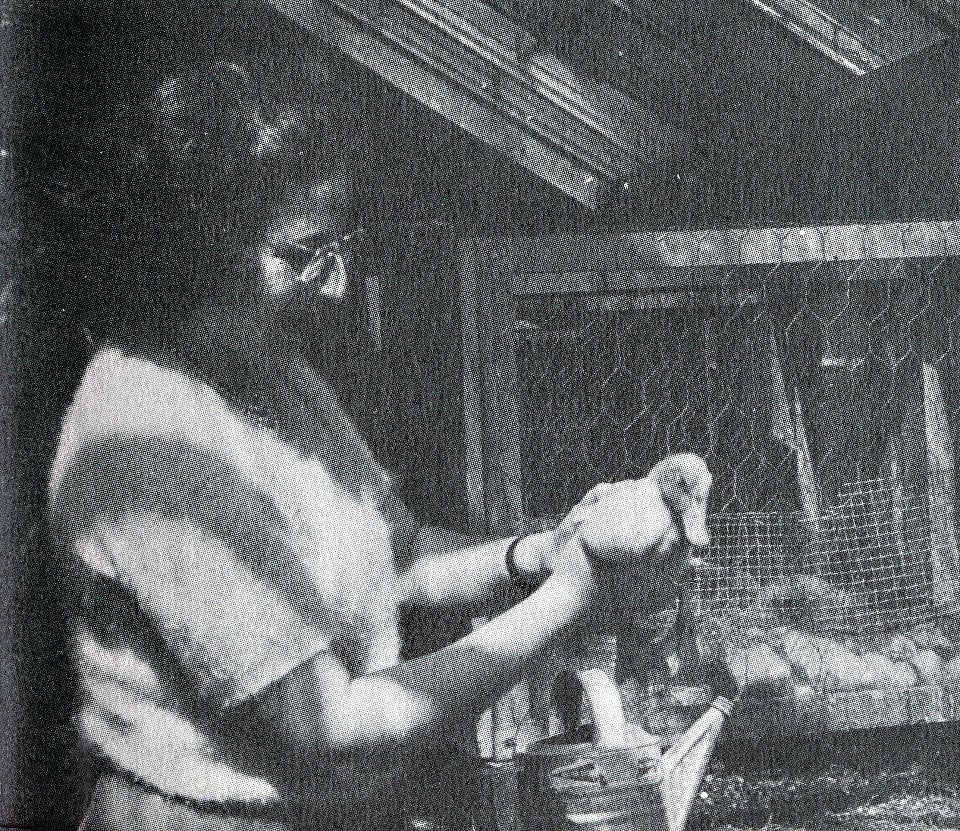
The Hildegard Lamfrom Graduate Scholars Program was established to honor pioneering molecular biologist Hildegard Lamfrom, whose work helped define the central dogma of molecular biology. Created by her nephew Tim Boyle and his wife Mary, the program supports collaborative biomedical data science research between the University of Oregon and Oregon Health & Science University (OHSU), with plans to expand to undergraduate and postdoctoral fellows. Since its launch, it has supported 10 graduate scholars.
Lamfrom Scholars apply data science to real biomedical challenges, from genetic analysis to diagnostic imaging. For example, Angela Crabtree (2023 cohort) automated breast cancer staging, while Isis Diaz (2023 cohort) developed predictive models for lung cancer outcomes. Both trained through the Knight Campus Graduate Internship Program, which combines coursework with hands-on internships. "It's more than just financial support—it's an endorsement of the work I'm doing," says Jules Hays, a 2025 Lamfrom Graduate Scholar pursuing a master's in bioinformatics through the Knight Campus Graduate Internship Program. The program also supports faculty through endowed professorships at UO and OHSU.
Born in Augsburg, Germany, Lamfrom fled with her family to Portland in 1938, where her father purchased the company that would become Columbia Sportswear. She studied biology at Reed College, earned a master's at Oregon State University, and completed her PhD at Case Western Reserve University.
Lamfrom is best known for pioneering experiments in protein synthesis. She combined sheep cell extracts that contained ribosomes — the cell's "protein-making machines" — with rabbit cell extracts that lacked ribosomes and found that both sheep and rabbit proteins were produced. This showed that the instructions for making proteins exist outside the ribosomes, providing some of the earliest evidence for an intermediary molecule carrying genetic instructions from DNA to the ribosome. This molecule was later identified as RNA, paving the way for the 1965 Nobel-Prize, and establishing the central dogma of molecular biology: DNA makes RNA, which makes protein.
Today, RNA continues to revolutionize medicine, from COVID-19 vaccines to therapies for cancer and genetic disease. More than 40 years after her passing, Lamfrom's legacy of tenacity and mentorship lives on through the Scholars Program, which "embodies her bold, boundary-pushing spirit," says Bill Cresko, director of UO's Center for Biomedical Data Science (CBDS). The program has since expanded to support endowed professorships, and in the coming year will grow further to include undergraduate and postdoctoral scholars.
Research and Innovation Highlights
Research and Innovation Highlights
Department of Bioengineering Faculty
Danielle Benoit
Lorry Lokey Chair, Professor and Chair of the Department of Bioengineering
Research focuses: Engineered extracellular matrices for tissue mimetics and regeneration, targeted drug delivery nanotechnologies
Bala Ambati
Research Professor
Research focuses: Drug delivery, gene therapy, bioimaging
Bill Cresko
Lorry Lokey Chair, Professor, and Director, Center for Biomedical Data Science
Research focuses: Computational genomics, host-microbe interactions, gene regulatory systems
Paul Dalton
Associate Professor, and Bradshaw and Holzapfel Research Professor in Transformational Science and Mathematics
Research focuses: Advanced manufacturing, high-resolution 3D printing, biofabrication
Felix Deku
Betsy and Greg Hatton Assistant Professor
Research focuses: Microelectrodes, thin-film devices, neural recording and stimulation
Tim Gardner
Associate Professor
Research focuses: Vocal learning, deep neural networks
Robert Guldberg
Professor, and Vice President and Robert and Leona DeArmond Executive Director
Research focuses: Musculoskeletal mechanobiology, regenerative medicine, orthopedic medical devices
Marian Hettiaratchi
Associate Professor
Research focuses: Controlled protein delivery to injured tissues, affinity-based biomaterials, cell-instructive biomaterials for bone repair
Parisa Hosseinzadeh
Assistant Professor
Research focuses: Naturally occurring peptides, protein-based sensing platforms, biosensors for detecting pollutants
Sara Keller
Assistant Professor
Research focuses: Developing ultrasound-based tools to diagnose and treat infections caused by biofilms
Gabriella Lindberg
Assistant Professor
Research focuses: Bioinks for tissue engineering, 3D-bioassembly, personalized 3D tissue models
Keat Ghee Ong
Professor
Research focuses: Implantable and wearable devices, wireless sensor technologies, magnetoelastic materials
David Peeler
Assistant Professor
Research focuses: Biomaterial research for immunomodulation, drug delivery, and genetic engineering
Calin Plesa
Assistant Professor
Research focuses: Large scale protein engineering and characterization, sequence-function relationships, multiplex assays
Nick Willett
Associate Professor
Research focuses: Cell therapies, multi-scale mechanical regulation of bone regeneration, intra-articular therapeutic delivery
Research and Innovation Highlights
Department of Bioengineering Welcomes Two New Faculty Members
"We are very excited to have Sara Keller and David Peeler join our growing campus and department. Each brings unique and specialized techniques that complement and expand our current scientific research portfolio."
— Danielle Benoit
Lorry Lokey Chair, Professor and Chair of the Department of Bioengineering
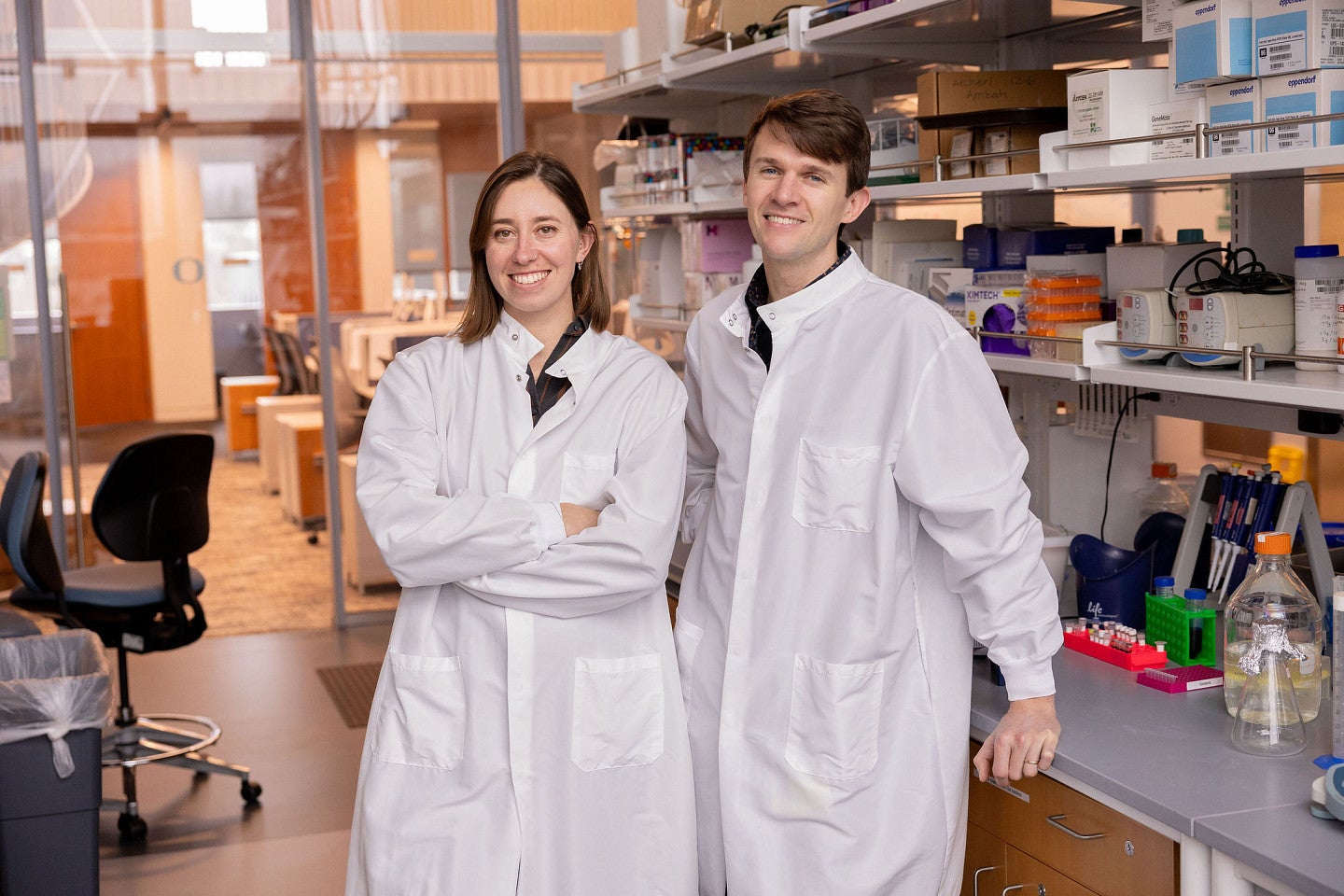
The Department of Bioengineering announced the addition of two new faculty members, both of whom will start their own independent labs early next year in the Knight Campus's new Building 2. Sara Keller and David Peeler will join the expanding department at the University of Oregon, bringing expertise in ultrasound and nanomaterials, respectively.
In 2026, the Keller Lab will open and explore how ultrasound — a technology more commonly known for medical diagnostic imaging — can be used in new and innovative ways to treat infections and stimulate the immune system. The Keller Lab will focus on understanding how highly focused sound waves affect the body and how they can be harnessed to make treatments smarter and more effective. Keller is currently a Glasstone Research Fellow at the University of Oxford, where she's been developing ultrasound-based tools to diagnose and treat infections caused by biofilms - communities of bacteria that are often hard to eliminate and treat. She was awarded the 2024 L'Oréal-UNESCO For Women in Science Rising Talent Award in the UK. Before her time in the UK, she earned her PhD in Bioengineering from the University of Washington, where she worked on improving the delivery of chemotherapy using clinical ultrasound systems. The Keller Lab will push the boundaries of how we use sound in medicine - working to create therapies that are more targeted, less invasive and better tailored to individual patients.
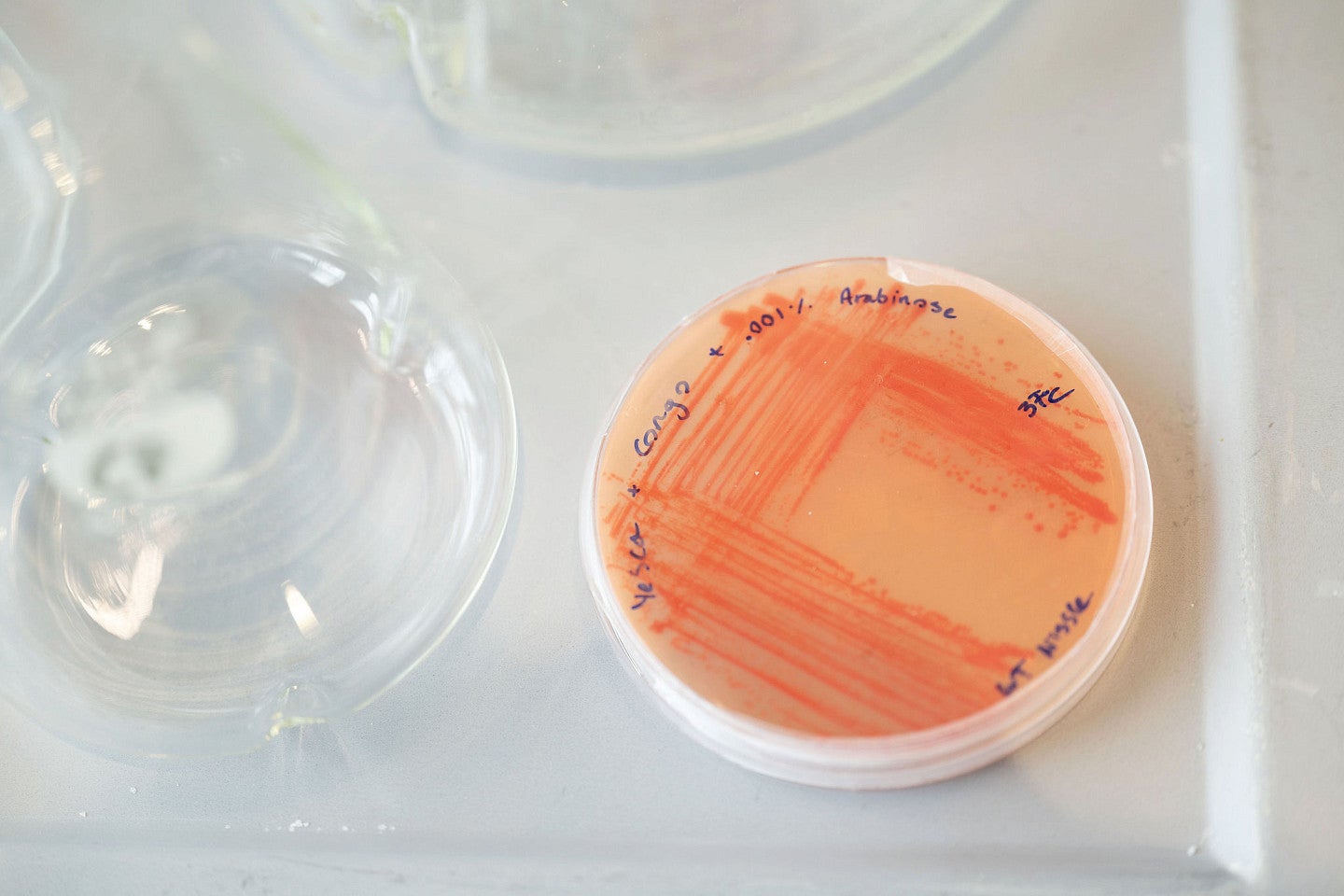
David Peeler is set to open the BRIDGE Lab (Biomaterial Research for Immunomodulation, Drug Delivery, and Genetic Engineering) in early 2026. His lab will focus on developing new technologies to better understand and interface with the immune system, with the goal of improving vaccines and treatments for infectious diseases, cancer, and tissue repair. Peeler brings deep experience in biomaterials for drug delivery and vaccine immunology. As a Marie Sklodowska-Curie postdoctoral fellow at Imperial College London and later at the University of Oxford, he pioneered 3D-printed vaccine delivery systems, advanced RNA vaccine manufacturing, and studied how the immune system responds to enhanced RNA vaccines. He earned his PhD in Bioengineering from the University of Washington, where he developed nanomaterials to help deliver cancer treatments and genetic medicines more effectively. The BRIDGE Lab will continue to make treatments safer, more effective, and more accessible — by bridging not only barriers to delivery, but also the gaps between immunologists and materials scientists.
Research and Innovation Highlights
Massive Datasets are Changing the Fight Against Super Bugs
New technology from the Knight Campus could help build the large biological datasets needed for machine learning to predict and prevent cancer, disease, and drug resistance before they emerge.
Artificial intelligence depends on massive datasets, but in biology those datasets are scarce. Calin Plesa, assistant professor of bioengineering at the Knight Campus, is working to change that by developing tools to scale up synthetic biology and create the high-quality datasets needed to accelerate drug discovery, improve cancer treatments, and fight antibiotic resistance.
In a 2025 Science Advances paper, Plesa and his team showcase their approach against antimicrobial resistance, which killed an estimated 1.27 million people worldwide in 2019. The team used DropSynth technology, which packages gene-building machinery into microscopic oil droplets, each acting as a tiny factory. This allows thousands of genes to be built in parallel, transforming a process that once took months into something done in a single test tube.
Former Knight Campus Undergraduate Scholar Carmen Resnik and postdoctoral scholar Karl Romanowicz applied DropSynth to study dihydrofolate reductase (DHFR), a gene central to bacterial growth and a frequent antibiotic target. They created more than 1,500 DHFR variants from across the bacterial tree of life and tested them in engineered E. coli. Many functioned seamlessly, revealing DHFR's surprising adaptability.
When exposed to the antibiotic trimethoprim, some variants proved highly sensitive while others showed strong resistance. Romanowicz's computational analysis mapped which regions of DHFR are vulnerable and which are prone to resistance, offering new clues for designing more effective antibiotics. "This dataset gives clinicians and researchers a place to start," Romanowicz says. "If you isolate a pathogen in the clinic, you can compare it to our library and see which mutations are linked to resistance."
For Plesa, the implications go beyond a single gene or superbugs. The same scalable approach could be used to study cancer genes, viral evolution, or engineer novel proteins. His startup, SynPlexity, is now working to commercialize DropSynth, helping researchers worldwide generate the datasets needed to power machine learning across biology.
Research and Innovation Highlights
Printing the Future – How Knight Campus Researchers Are Revolutionizing 3D Fabrication
Imagine a projected image on a screen instantly transforming into a three-dimensional form. This futuristic vision is becoming reality in Paul Dalton's lab, where researchers are pushing the boundaries of 3D printing and material fabrication to create next-generation biomaterials for medical applications.
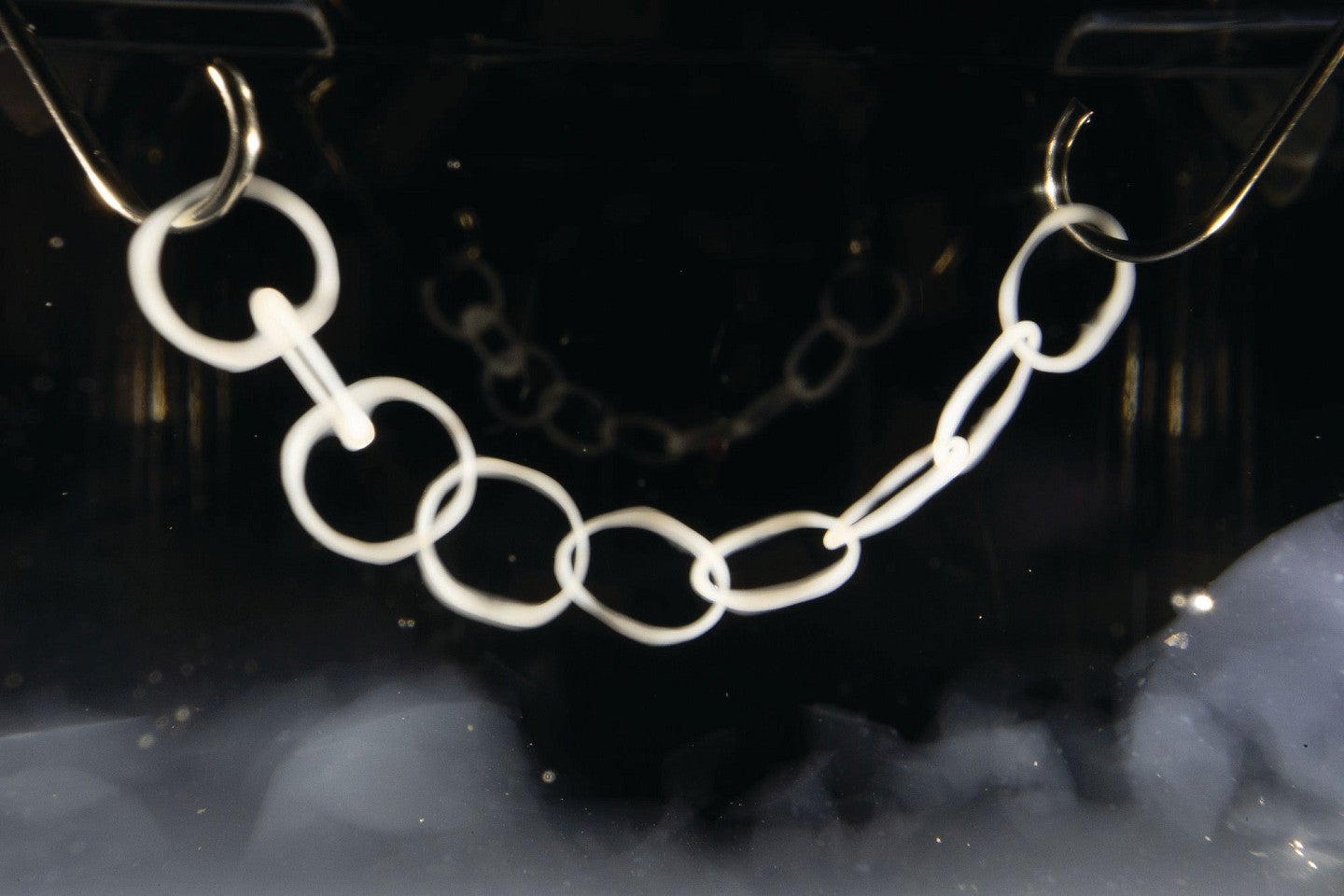
In a December 2024 publication in Advanced Materials Technologies, Patrick Hall, a graduate student in the Dalton lab, optimized volumetric additive manufacturing (VAM) — a technique that creates intricate 3D structures using light to trigger crosslinking, a reaction that transforms liquids into solids.
In VAM, light from a projector shines into a glass vial filled with liquid polymers, triggering crosslinking reactions that form gel-like solids shaped by the projector's image. This allows scientists to quickly create flexible structures for medical devices.
Previously, a key challenge in this field was inconsistent polymer materials, as many labs created custom formulations. Dalton's team tackled this by developing a reliable, cost-effective recipe that combines a common, inexpensive polymer with low concentrations of alginate, a seaweed-derived compound. This mixture produces remarkably stable, high-resolution structures.
The team demonstrated their blend's effectiveness by printing complex designs like DNA helices and collapsible chain-links. Beyond technical success, this offers game-changing affordability: traditional biomaterial mixes cost $25-50 per milliliter, while Dalton's solution costs just 2 cents per milliliter.
This breakthrough makes the technology not only cheaper and faster, but also more widely accessible for uses ranging from medical devices to consumer applications. The Dalton Lab is already exploring collaborations to apply this technology in new fields.
Research and Innovation Highlights
Implantable Sensors are Helping Scientists Improve Injury Recovery
Peer-reviewed publications from BioE faculty – FY24-25:
40
Journals include: Nature Regenerative Medicine, ELife, Cellular and Molecular Bioengineering and Advanced Materials Technologies
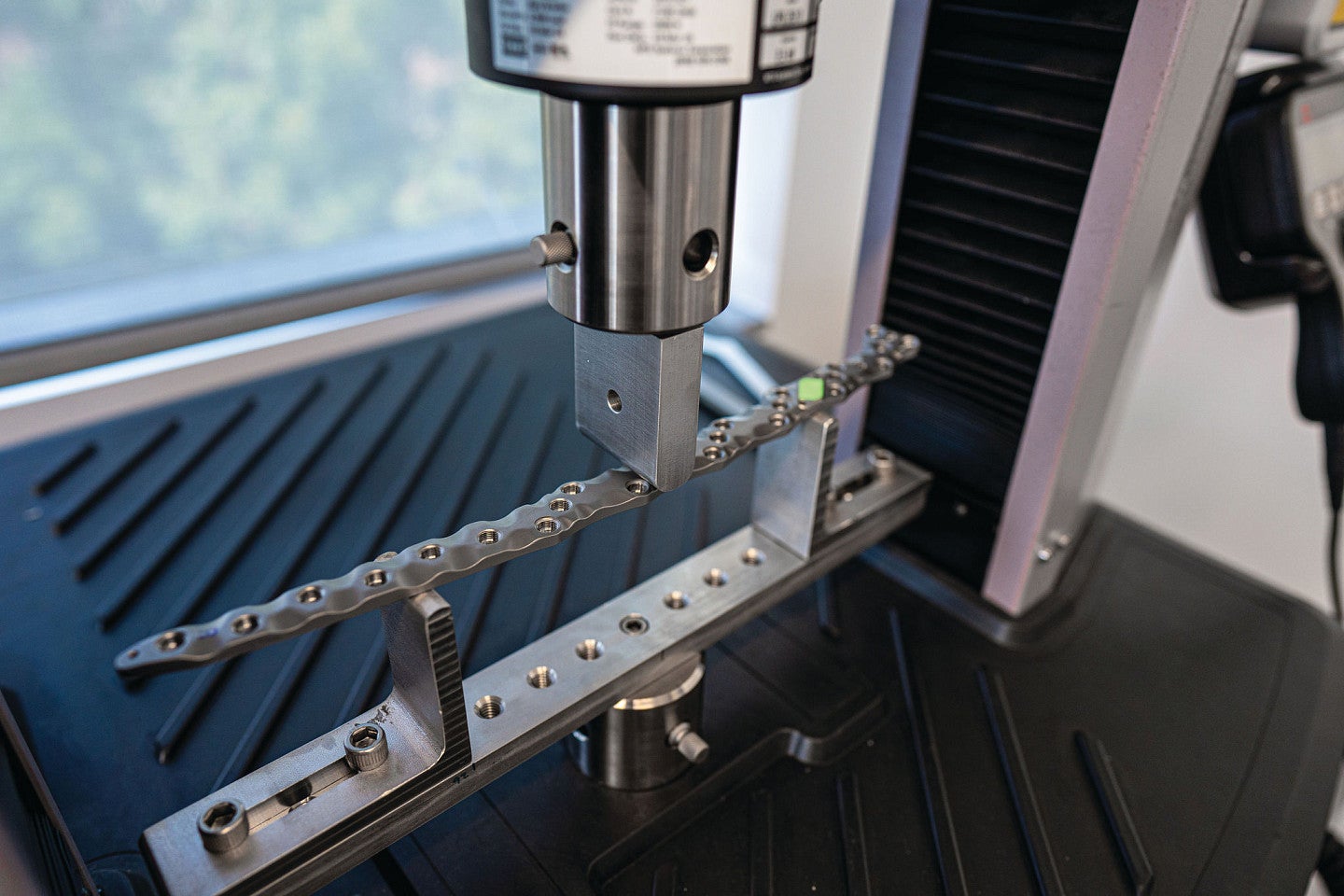
Scientists at the Knight Campus have developed tiny implantable sensors that transmit real-time data about what's happening at an injury site. In a study published in December 2024's Nature Regenerative Medicine, they use this technology to show that a resistance-training rehabilitation program can significantly improve femur injuries in rats in just eight weeks.
It's long been understood that exercise after a bone break follows a "Goldilocks" principle: too little or too much can impede recovery, while just the right amount can enhance healing. Pinpointing the exact type and intensity of exercise needed for best recovery can be challenging, especially as it varies from patient to patient.
Specialized sensors developed at the Knight Campus could help change that by providing a window into what's happening inside a healing bone throughout recovery. If someday applied in humans, these sensors could allow doctors to better tailor rehabilitation programs to individual patients, monitoring their progress and adjusting exercises along the way.
The work is a collaboration between the labs of Bob Guldberg, Nick Willett, and Keat Ghee Ong, funded in part by the Wu Tsai Human Performance Alliance. "Our data support early resistance rehabilitation as a promising treatment to increase bone formation, bone healing strength, and promote full restoration of mechanical properties to pre-injury levels," says Bob Guldberg, University of Oregon Vice President and Robert and Leona DeArmond Executive Director of the Knight Campus and senior author on the paper.
Using these sensors, researchers measured forces on the injured femurs in rats during running and transmitted real-time data throughout the healing process, allowing scientists to monitor recovery as it happened. Over the eight-week study, resistance-trained rats displayed early signs of bone healing compared to those in sedentary or non-resistance conditions. By week eight, all groups showed bone healing, but resistance-trained animals had denser tissue with mechanical properties—torque and stiffness—comparable to uninjured bones.
"One of the most impactful aspects of this work is that our resistance rehabilitation could regenerate the femur to normal strength within eight weeks without biological stimulants," says lead author Kylie Williams.
The team is now investigating how varying rehabilitation intensity affects bone regeneration and developing battery-free sensor designs for potential human use.
Research and Innovation Highlights
Accelerating Innovation
The Phil and Penny Knight Campus for Accelerating Scientific Impact is designed not only to advance science but also to foster entrepreneurship and regional economic development. Building 1 houses the 4,000-square-foot Papé Family Innovation Center, which offers leasable private laboratories, meeting rooms, and office space for early-stage spin-in and spin-out companies. Currently, the center in Building 1 is home to seven startups and is expected to be fully leased in 2026. Building 2, opening in 2026, will add another 3,000 square feet to the Papé Center, with individual modules that companies can lease, providing flexibility for a variety of startups. Through strategic partnerships with industry, targeted investments in translational research, and robust support systems for innovators, the University of Oregon is positioning itself as a catalyst for economic vitality in Oregon and beyond.
The Knight Campus is reshaping Oregon's innovation landscape. By attracting world-class faculty, researchers, and graduate students, it has elevated the University of Oregon's profile as a national research leader. Its emphasis on biotechnology, bioengineering, and translational science aligns with the state's growing life sciences sector, supporting the emergence of new companies, spinoffs, and high-wage jobs. In fact, half of the Knight Campus's 12 research laboratories have already launched startup companies.
The Knight Campus also contributes to workforce development through hands-on research opportunities and advanced degree programs, ensuring students are prepared to lead in science, technology, and innovation. The applied master's program, the Knight Campus Graduate Internship Program, is expanding its semiconductors track to meet the needs of Oregon's growing microelectronics industry. The program now offers training in five high-demand fields spanning engineering, materials science, physics, chemistry, and data science. Additionally, the first cohort of Knight Campus bioengineering PhD students has graduated and is contributing to local and regional biotech industries. As both a physical and strategic extension of the university, the Knight Campus strengthens UO's role in driving economic development and improving lives through science-driven impact.
VivoTex
Start-up out of Knight Campus Dalton Lab
A biomedical startup transforming tissue engineering by using technology invented in the Dalton Lab to 3D print microfiber scaffolds that support cell growth, collaborating with L'Oréal to create lifelike artificial skin models for faster product testing.
"Companies like VivoTex are essential for implementing and in translating technologies into widespread practice. We will be involved in facilitating these breakthroughs, and I will measure VivoTex's progress by the number of injuries or diseases that we are able to cure or improve treatments for."
— Paul Dalton
Associate Professor, and Bradshaw and Holzapfel Research Professor in Transformational Science and Mathematics, Co-founder of VivoTex
SynPlexity
Start-up out of Knight Campus Plesa Lab
A synthetic biology startup revolutionizing protein discovery by using technology invented in the Plesa Lab to create massive DNA libraries at breakthrough scale and cost, collaborating with Birch Biosciences to develop plastic-degrading enzymes.
Research and Innovation Highlights
Other Highlights
Hettiaratchi Earns Tenure
In June 2025, Marian Hettiaratchi, was promoted to associate professor with indefinite tenure in the Department of Bioengineering. She officially joined the Knight Campus in January 2020 and marks the first bioengineering faculty member to receive tenure through promotion.
To help injured tissues heal, the Hettiaratchi Lab develops specialized protein delivery systems. This work combines protein engineering, biomaterial design, and computational modeling to control exactly how and when proteins are delivered to damaged areas.
This significant milestone recognizes her outstanding contributions to research, teaching, and service, as well as her continued impact on the field and the academic community.
Plesa Receives Chan Zuckerberg Initiative Grant
In February 2025, Assistant Professor Calin Plesa received a prestigious grant from the Chan Zuckerberg Initiative (CZI) to support his groundbreaking work in large-scale gene synthesis. This award is part of CZI's Scaling Up Synthetic Biology program, which aims to overcome key barriers in scaling, throughput and cost of synthetic biology methods. The grant will support Plesa and his collaborators in scaling up DropSynth, the novel technology he created that assembles large libraries of genes rapidly, and at a fraction of the cost of traditional methods.
Grant from Micron Supports Full-Day Workshop
In February 2025, Betsy and Greg Hatton Assistant Professor of Neuroengineering Felix Deku and Semiconductor Track Lab Manager Maryam Jahangiri co-led Semiconductor Launch, a collaborative program produced by the Knight Campus Graduate Internship Program supported by a grant from Micron that brought 13 prospective students and several faculty members from other institutions to the Knight Campus for a two-day microfabrication workshop, networking with alumni and other immersive activities to help launch student careers in the semiconductor industry.
Externally Sponsored Research
Externally Sponsored Research
Highlights & 5-Year Funding / Expenditures
$75.8 M*
Cumulative Research Awards
* Includes known full award amounts, with awards anticipated out to FY31.
Total Number of Proposals Submitted | 88 |
Total Number of New Awards | 16 |
Total Funding Received — All Awards | $11,775,358 |
Total Direct Research Expenditures | $9,722,250 |
Total Number of Labs/PIs | 12 |
Knight Campus 5-Year Research Funding and Direct Expenditures
FY19
FY20
FY21
FY22
FY23
FY24
FY25
Philanthropy
$7,396,458
through 81 new gifts and pledges in FY25 – beyond the Knights' visionary philanthropy
$104,900,000
in total cumulative philanthropy (beyond Knight gifts) in support of Knight Campus research, academic and innovation programs, in gifts ranging from $3 to $35M.
Philanthropy
Impact of Giving in 2025
- One grant to the Plesa Lab from the Chan Zuckerberg Initiative – which brings scientists, engineers, and AI and machine learning experts together to tackle complex scientific grand challenges – to support the creation of massive, high-quality, biological datasets that could train machine learning systems to fight cancer, accelerate drug development, and combat disease resistance.
- 20 new Knight Campus Undergraduate Scholars, participating in a year-long research experience in a Knight Campus-affiliated lab, all funded through philanthropic gifts.
- 20 fellows in the first cohort of the new and endowed Giustina Knight Campus Fellowship program, which incentivizes Knight Campus graduate students to compete for – and win – prestigious external funding. To date, seven have received major external fellowships.
- One new project, supported by the 4 Cornerstones Foundation, amplifies the Wu Tsai Human Performance Alliance at Oregon, bringing together expertise in physiology and biomechanics with amateur and professional women's soccer organizations to optimize performance and reduce ACL injury risk in female athletes.
- Three times a year, the Knight Campus will now host its named Robert Family Entrepreneurship Speaker Series, bringing entrepreneurial luminaries to campus, thanks to a gift from Edward W. Robert in support of entrepreneurship and innovation.
"The Giustina Fellowship opens up so many possibilities for my professional growth. I'm looking forward to using the funds for research workshops and education panels that will help me articulate my research impact. It's the kind of investment in my future that I really needed."
— Iman von Briesen
PhD Candidate, Dalton Lab
2025 Giustina Family Fellow
Philanthropy
Giustina Family Creates Fellowship Program to Support Knight Campus Graduate Students
Through a $4.4 million gift, the Giustina family has established a new fellowship to support Knight Campus graduate students. As multi-generational Oregonians, the family has taken a particular interest in the work happening at the Phil and Penny Knight Campus for Accelerating Scientific Impact for its promise to create new industries that support Oregon's economy and train a workforce of future innovators.
The Giustina Fellowship program takes a distinctive approach to student support. It is available for graduate students who apply for highly competitive external research funding, such as individual predoctoral fellowships from the National Institutes of Health (NIH) or Graduate Research Fellowships (GRFP) from the National Science Foundation (NSF). The program recognizes that this application process serves dual purposes: successful awards provide direct research funding – furthering research goals and individual fellows' careers, as well as the university's international research reputation – while the application process itself offers valuable grant-writing experience regardless of outcome. "Our father taught us the importance of education," says Dan Giustina. "He believed that the way you make a change in the world is through education."
Knight Campus graduate students receive grant-writing training through the IMPACT Team, which teaches both the structural elements of grant proposals and strategies for developing competitive applications. This preparation is proving successful, as several Knight Campus students have received NSF GRFP awards and NIH F31 fellowships, representing a 50% success rate – of awarded grant submissions – versus a 15% average, nationally.
The Giustina family's motivation for this gift centers on fostering "cross-pollination" across scientific disciplines. "We want students to connect and learn from engineering, physics, the humanities and more," says Tom Giustina. "We are building upon what the Knight family has already started — by providing graduate students with the opportunity and freedom to explore, learn and teach others."
Dan, Tom and Giancarlo Giustina are building on their family's commitment to the University of Oregon. Dan and Tom's parents, Marion Lee and Ehrman Giustina, created an endowment that annually supports 40 University of Oregon undergraduate students through Giustina Foundation Presidential Scholarships, and named the Lee Barlow Giustina Ballroom in the Ford Alumni Center, which convenes students, alumni and community members for social, business and academic events. The Giustina Knight Campus Fellowship program bridges the family's established legacy with their vision for a new era of educational impact in the Knight Campus, which they see as "the future of the University of Oregon."
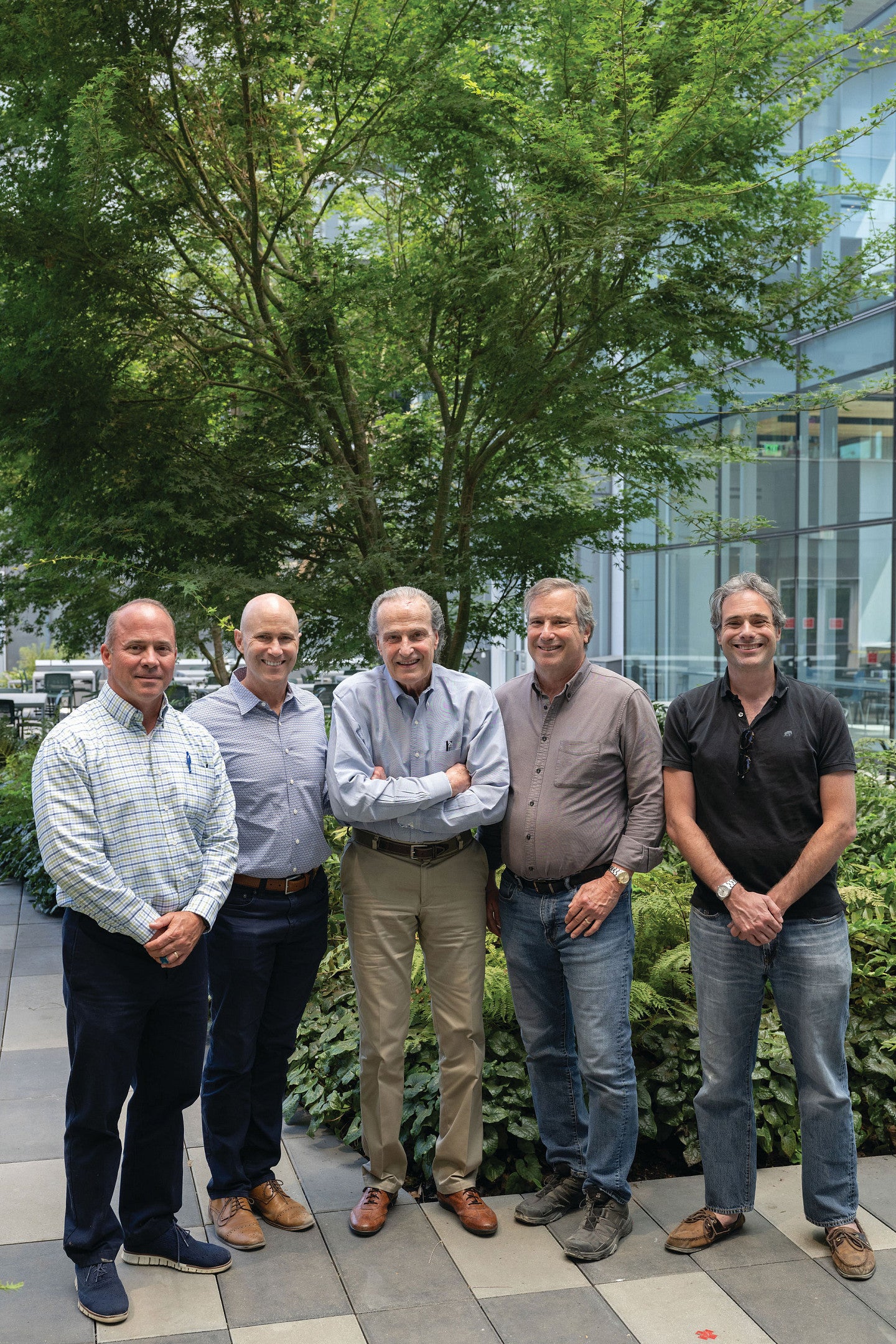
Pictured (left to right): Neill Plant, Giustina Group CFO; Bob Guldberg; and Dan, Tom, and Giancarlo Giustina, trustees of the Giustina Family Foundation.
Explore the Knight Campus
Discover programs designed to accelerate scientific impact—from doctoral research to applied master's programs to hands-on innovation training for undergraduates.