
Annual Report
Fall 2024
From five NSF fellowships to a first-of-its-kind Brewing Innovation minor, we had plenty to celebrate in 2023–2024 at the Knight Campus — and we have lots to look forward to as Building 2 rises, our Big Ten Cancer Research Consortium ties deepen, and we continue to fuel the momentum behind our mission of Science Advancing Society.
A Letter From Robert Guldberg
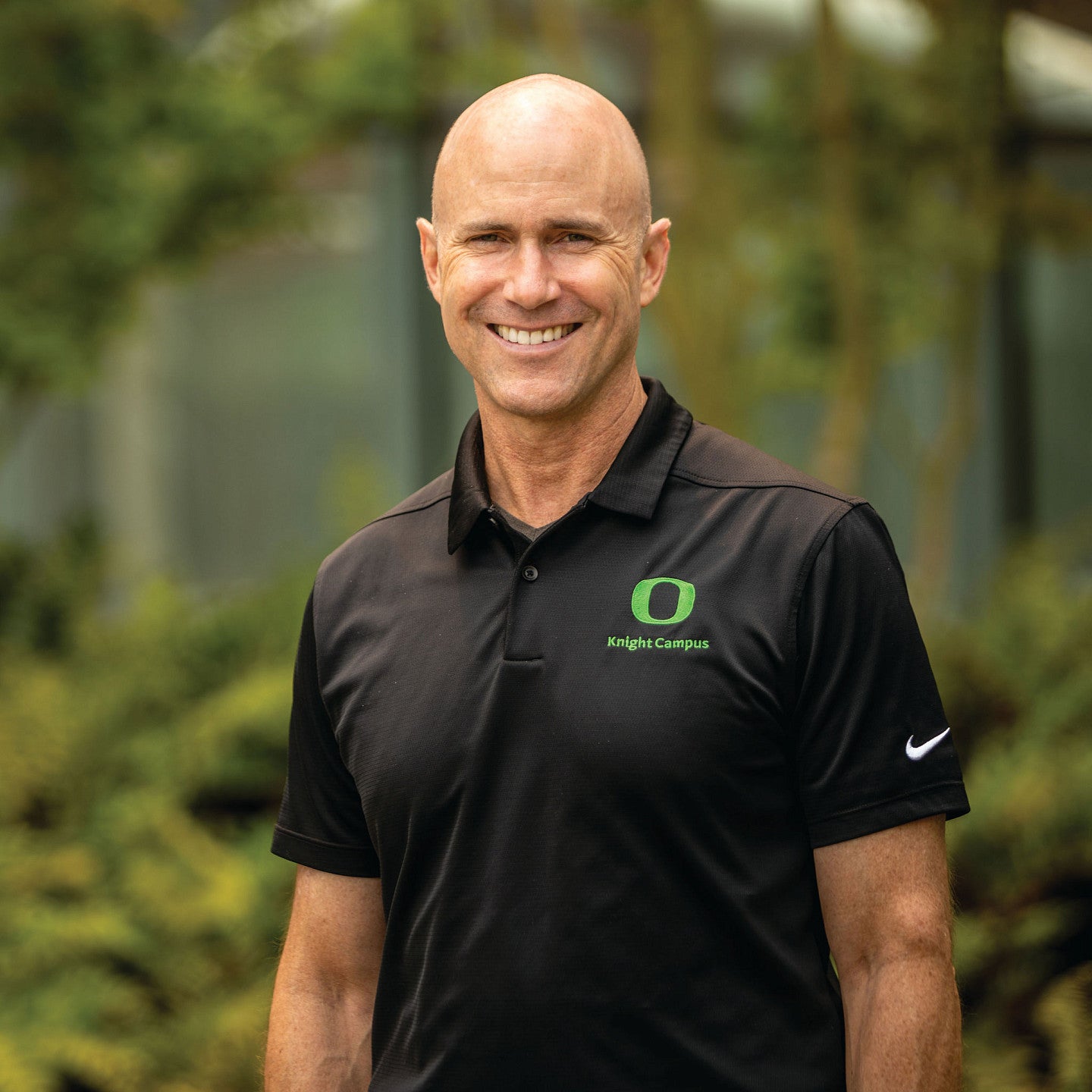
Dear Friends and Colleagues,
As I reflect on the past year at the Knight Campus, I am filled with a profound sense of pride and excitement. Our journey has evolved from a bold vision into a tangible reality. What was once an ambitious dream is now firmly established, and the results of our collective efforts are truly remarkable.
Our commitment to excellence has been exemplified by the outstanding achievements of our students and the continued success of our programs. This year, we celebrated the graduation of 121 students, including 89 from the Knight Campus Graduate Internship Program, seven with minors in bioengineering, 13 Knight Campus Undergraduate Scholars, nine participants in the Wu Tsai Human Performance Alliance at Oregon, and three dedicated student employees. Their hard work and accomplishments reflect the very best of what we aim to achieve.
I am particularly thrilled to highlight the success of our PhD students from the Department of Bioengineering. Five have been awarded National Science Foundation Graduate Research Fellowships, with two others receiving honorable mentions. This is a testament to the quality and impact of our PhD program, which continues to uphold our commitment to advancing education and research. This commitment is also shared by the Knight Campus Graduate Internship Program, now in its 25th year. The latest cohort brought 89 students to campus this summer, beginning their training with Professional Development and Orientation Week and participating in another phenomenal Inclusion Symposium that featured keynote speaker, Dr. André Isaacs.
We are also excited to launch a new academic program in Brewing Innovation, set to be housed in our state-of-the-art Fermentation Innovation Laboratory beginning fall 2024. This interdisciplinary minor, initiated by Jim Hutchison and Nathan Jacobs, will offer students hands-on learning opportunities in brewing, from design thinking to creating new beers, drawing inspiration from a rich history of brewing that spans 13,000 years.
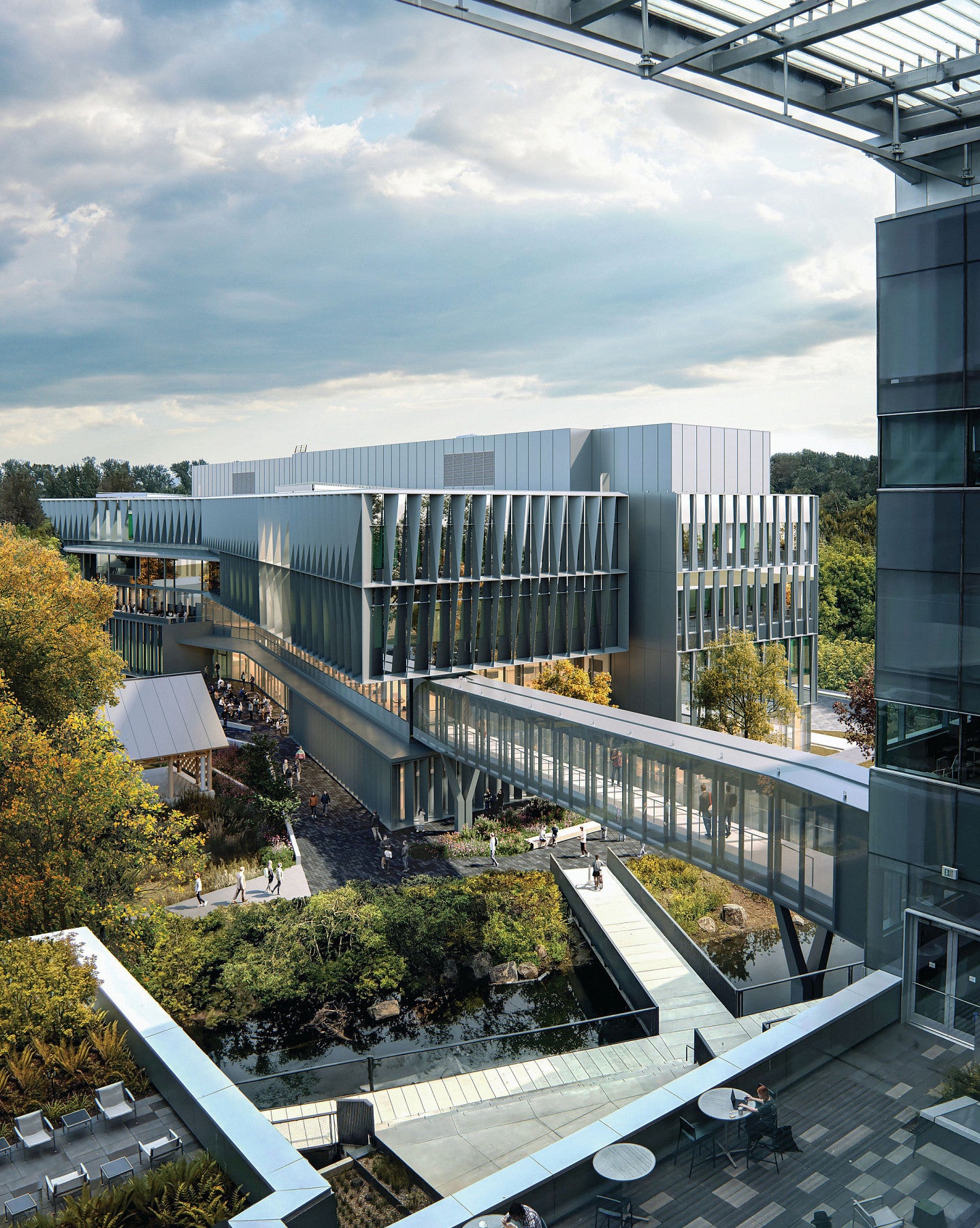
Our physical expansion is progressing with the ongoing construction of Building 2, a four-story science building that will significantly enhance our research and academic capabilities. This new facility, inspired by the advancements in Building 1, will support our mission to advance research and education, including the expansion of the Papé Family Innovation Center.
As in years past, our faculty continues to achieve remarkable milestones. Dr. Paul Dalton's innovative work on multilayered artificial skin has garnered widespread media attention, while Dr. Marian Hettiaratchi received both the UO Early Career Award and the 2024 Young Investigator Award at the TERMIS World Congress for her pioneering research in biomaterials. Additionally, Dr. Danielle Benoit was inducted as a fellow of the National Academy of Inventors, recognizing her outstanding contributions to biomedical engineering.
We are also proud of Dr. Keat Ghee Ong's success with Penderia Technologies, which has received multiple federal small business innovation awards for developing advanced medical devices. Dr. Genny Romanowicz's receipt of the K99 Pathway to Independence Award from the NIDCR marks another significant milestone for our research community.
Our vibrant event schedule included highlights such as Science Knight Out with Prof. Mike Hahn, hosting the Oregon Bioengineering Symposium, the Distinguished Lecture with Dr. Joseph DeSimone, and three remarkable speakers for the Entrepreneurship Speaker Series. Additionally, the Knight Campus was pleased to host the Next Gen Biomaterials Workshop, funded through a collaboration between the National Science Foundation and the National Institute of Biomedical Imaging and Bioengineering at NIH, bringing together thought leaders from industry, academics, national labs, and scientific publishing.
The Wu Tsai Human Performance Alliance at Oregon continues to make significant strides in transforming human health through fundamental scientific research, participating this fall in the Global Sports University Network inaugural summit hosted in part at the Knight Campus. The Center for Biomedical Data Science, a joint initiative with the Knight Cancer Institute, is making notable progress under Prof. Bill Cresko's leadership, and as the UO enters into partnership with other institutions in the Big Ten Cancer Research Consortium, the center will be an important point of activity to inform and transform clinical practice.
This June, University of Oregon President Karl Scholz approved a set of goals and strategies for the University Strategic Plan process: enhancing pathways to timely graduation, being a leader among public research universities in career preparation, creating a flourishing community, and innovating for societal impact. The Knight Campus will be a strong partner in each of these objectives, especially the fourth goal — growth in innovation, launching new academic programming, and recruiting additional world-class bioengineering faculty — endeavors that harmonize with our vision for continued development and the forthcoming activation of Building 2.
As we look back on another transformative year, I am filled with pride and anticipation for the future. Our students and faculty continue to achieve extraordinary things, and I am eager to see what lies ahead. Thank you for your unwavering dedication and hard work in making the Knight Campus a hub of innovation and excellence.
Robert E. Guldberg, PhD
Robert and Leona DeArmond Executive Director,
Phil and Penny Knight Campus for Accelerating Scientific Impact;
Director, Wu Tsai Human Performance Alliance at Oregon;
Professor, Department of Bioengineering;
Vice President, University of Oregon
Leadership Team
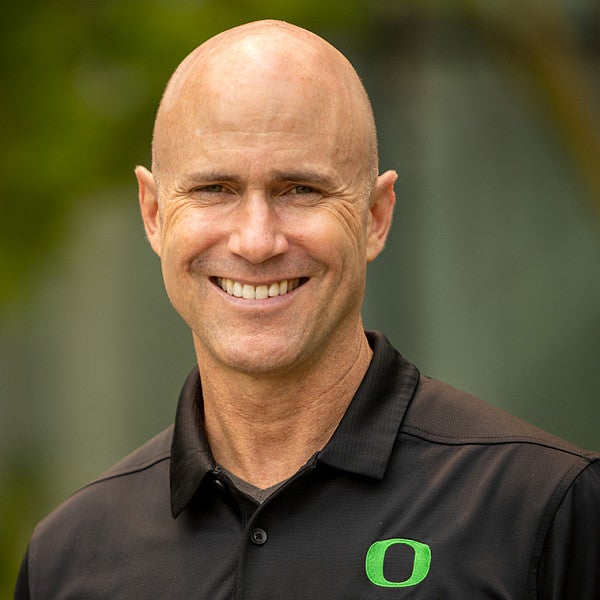
Robert E. Guldberg
Vice President and Robert and Leona DeArmond Executive Director
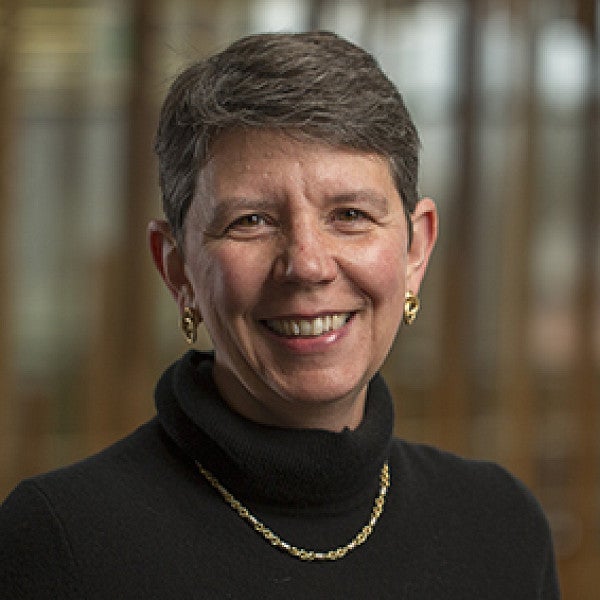
Moira Kiltie
Senior Associate Vice President and Chief of Staff; Acting Manager, Papé Family Innovation Center
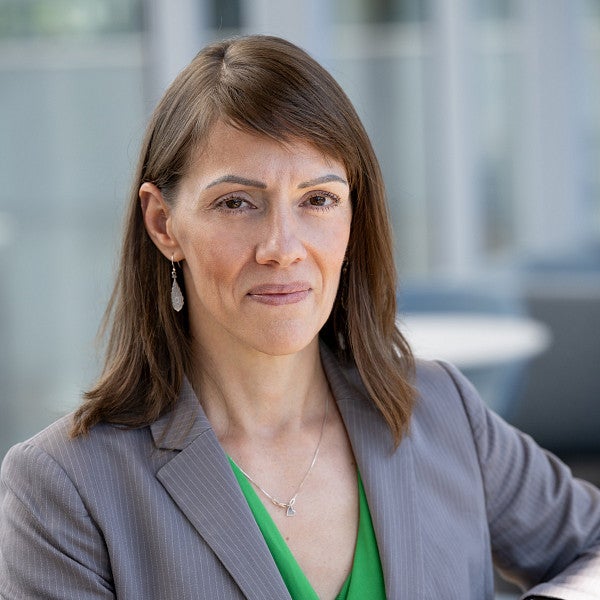
Danielle Benoit
Lorry Lokey Chair, Professor and Chair of the Department of Bioengineering
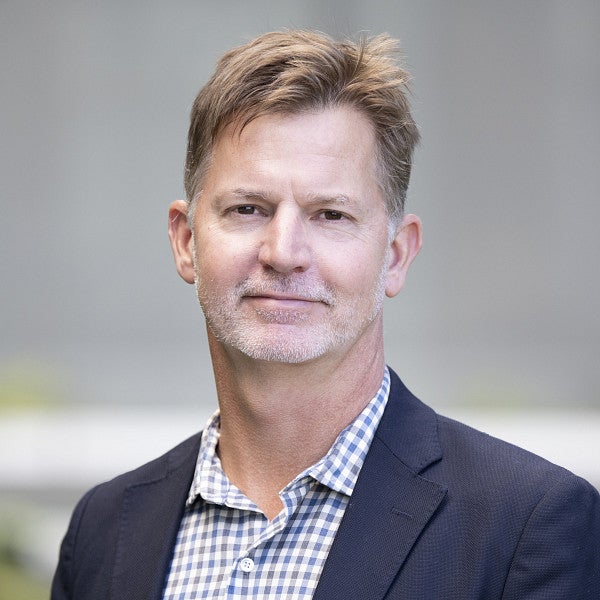
Bill Cresko
Lorry Lokey Chair; Professor of Bioengineering; Director, Center for Biomedical Data Science
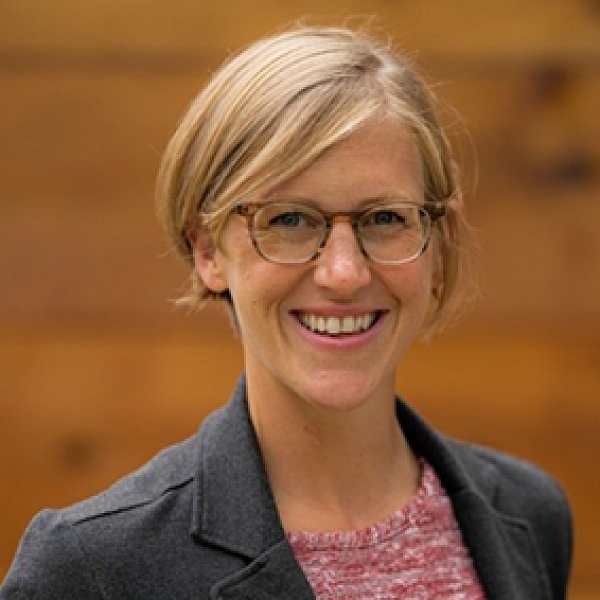
Callie Johnston
Assistant Vice President for Development and Chief Development Officer
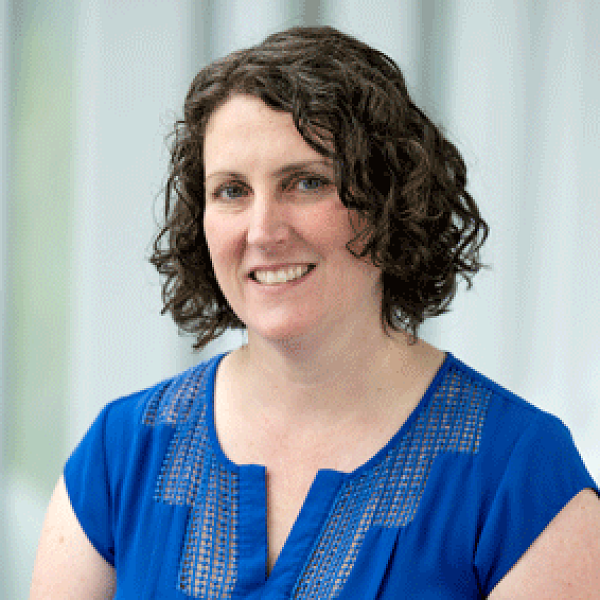
Stacey Wagner
Assistant Vice President for Master's Programs
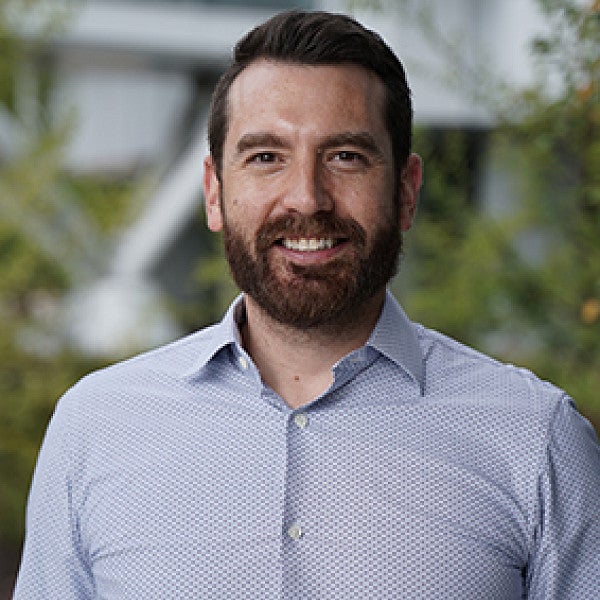
Nathan Jacobs
Senior Director of Academic and Impact Programming
Lewis Taylor
Director of Communications
Milestones
Milestones
Events Showcase Scientific Research and Innovation
The Knight Campus hosted Joseph M. DeSimone, Sanjiv Sam Gambhir Professor of Translational Medicine and Chemical Engineering at Stanford University, as the 5th Distinguished Lecturer in the annual series. DeSimone discussed Continuous Liquid Interface Production (CLIP) technology in his talk, "The Delicate Interplay Between Light, Interfaces and Design: 3D Printing of Next Generation Controlled Release Systems."
Other esteemed speakers to visit the Knight Campus this year included best-selling and Emmy-nominated creator of PHD Comics Jorge Cham, Founding Director of the Forward BIO Institute and Professor William Murphy, and Absci CEO Sean McClain — all as part of the Entrepreneurship Speaker Series, bringing talks to inform and inspire scientific translation.
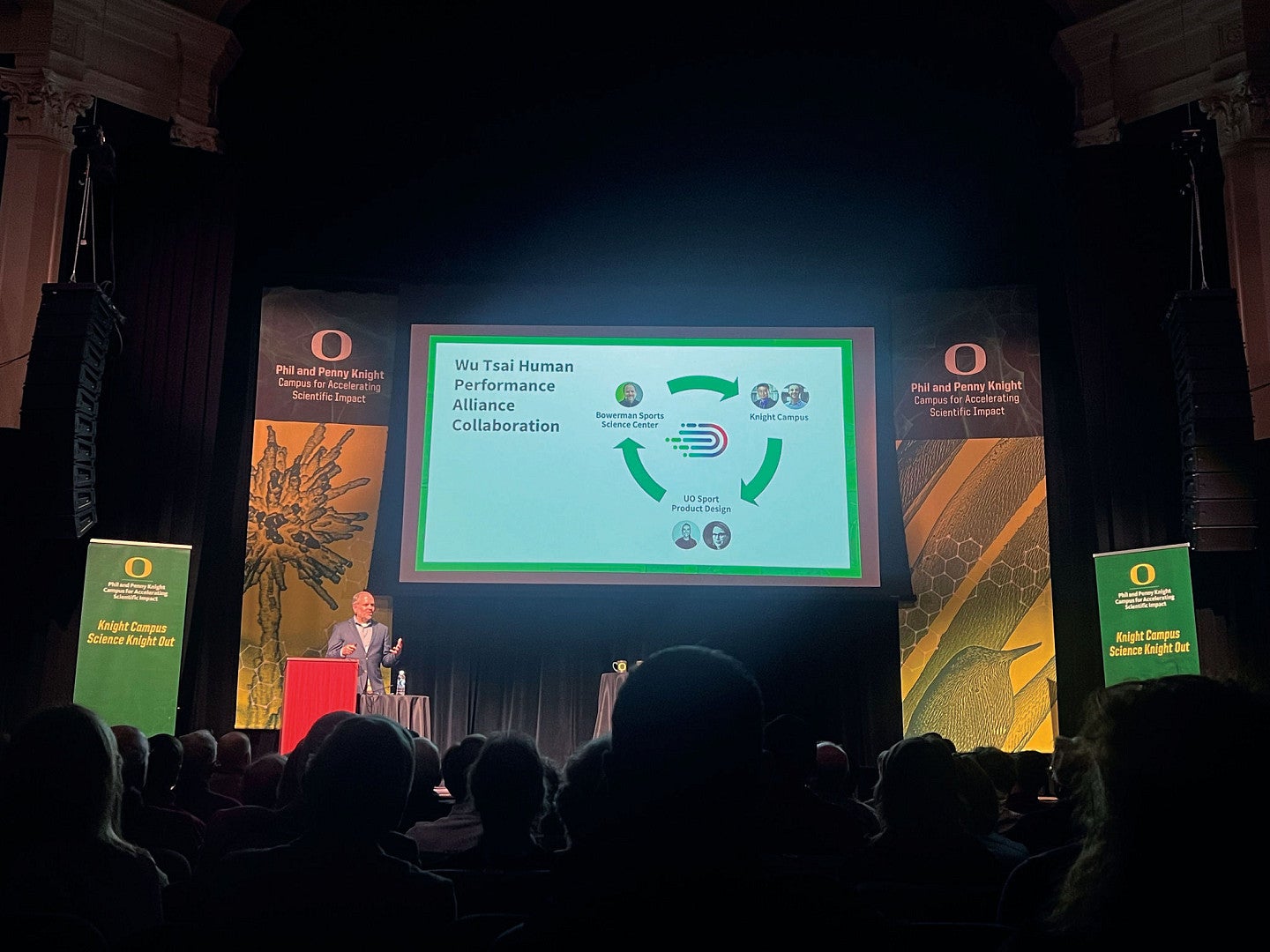
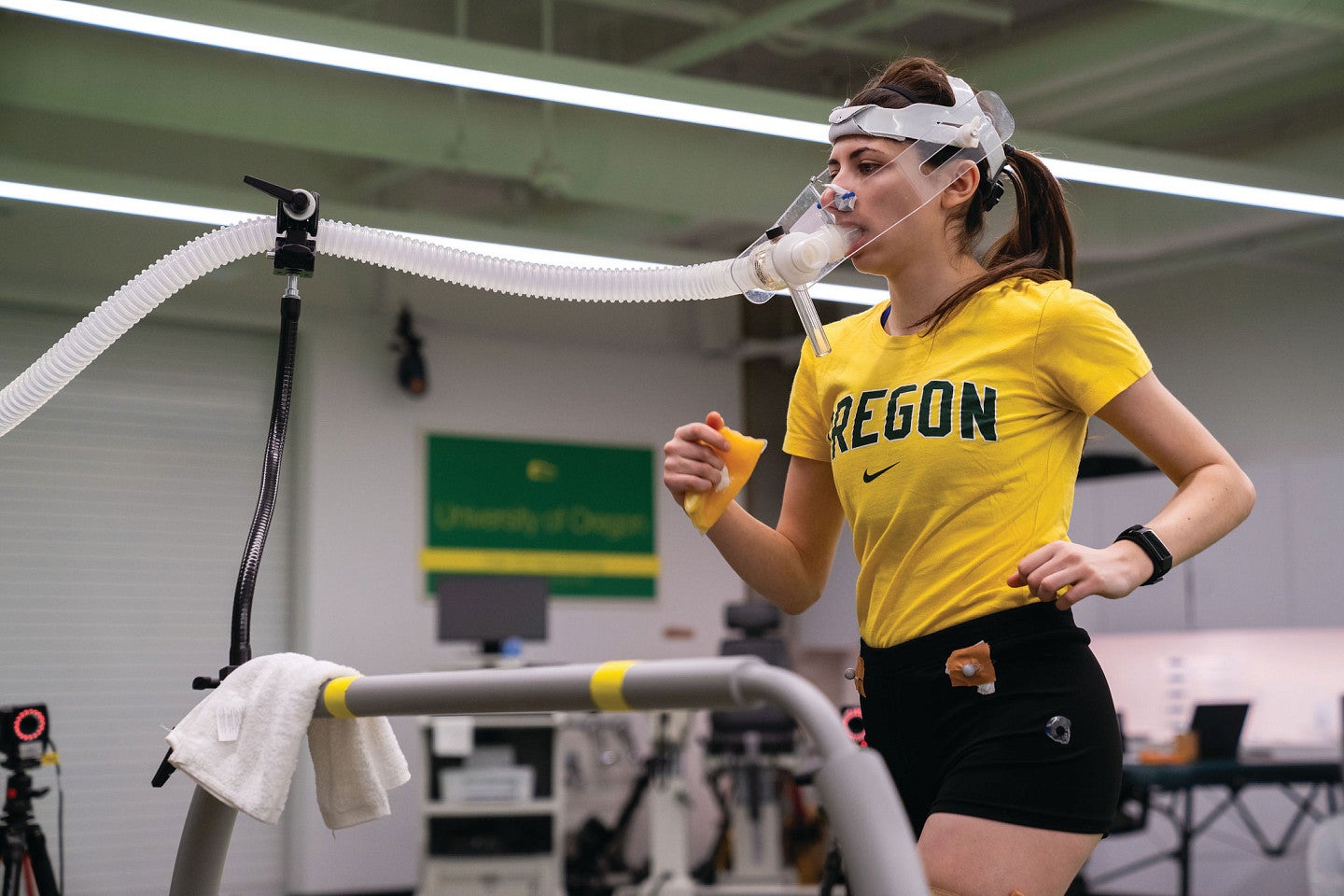
Finally, the annual Science Knight Out event featured Mike Hahn, Professor of Human Physiology, Director of the Bowerman Sports Science Center, and Associate Director of the Wu Tsai Human Performance Alliance at Oregon, for a community talk at the Shedd Institute titled "Boosting Performance and Improving Human Health." Drawing over 330 audience members, Hahn demonstrated how new sensor technologies and machine learning algorithms are helping to train faster runners and more nimble soccer players — and changing the game for athletes in all sports.
Milestones
Translating Ideas into Practice Throughout Oregon
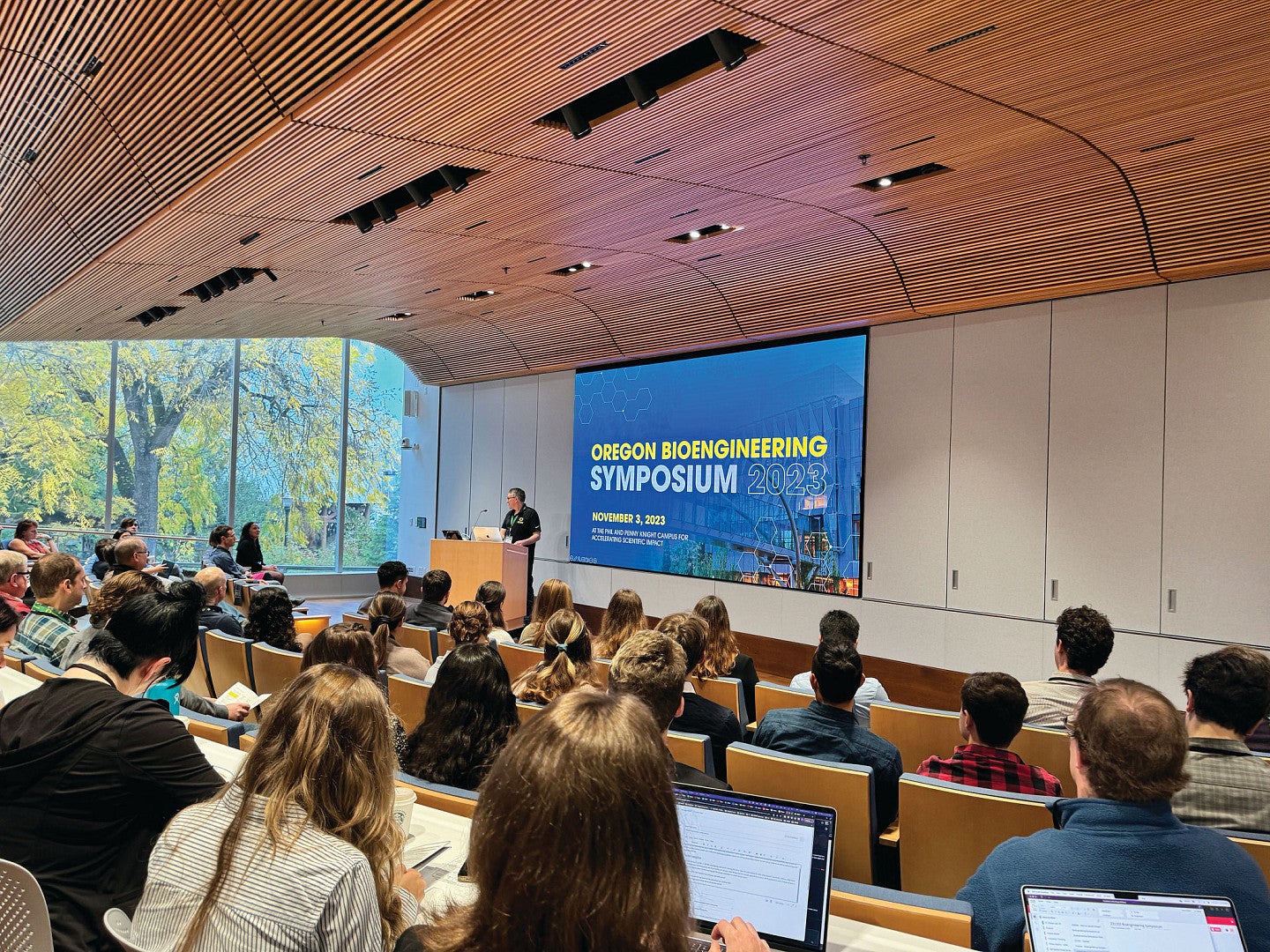
The Oregon Bioengineering Symposium (OBS) drew more than 300 attendees to the Knight Campus in November, making it the largest event hosted in the building to date. The annual symposium marked five years of collaboration between the University of Oregon (UO), Oregon State University (OSU), and Oregon Health and Science University (OHSU), bringing together scientists, clinicians, and industry leaders from all over the state to meet and discuss topics in the field of bioengineering.
The day of activities was centered around the theme of "Translating Ideas into Practice," with 33 speakers representing each of the three institutions and 115 posters showcasing research from around the state. For the first time, OBS also featured a keynote address by an invited speaker outside of Oregon: Jason Burdick, Bowman Endowed Professor of Chemical and Biological Engineering at the University of Colorado Boulder, who spoke on "Advances in Biofabrication Methods to Process Biomedical Hydrogels."
In addition to discussion, learning, and networking, the symposium celebrated student success, featuring presentations and flash talks by trainees selected as finalists from over 115 abstract submissions. Cash prizes recognized Krista Habing (OHSU) for Excellence in Research, Haylie Helms and Michael Henderson (OHSU) for Best Posters, Melissa Duncan (Willamette University) and Morrhyssey Benz (UO) for Best Undergrad Posters, and Anissa Benabbas (UO) for Best OBS Logo Design.
Milestones
Next Gen Biomaterials Conference
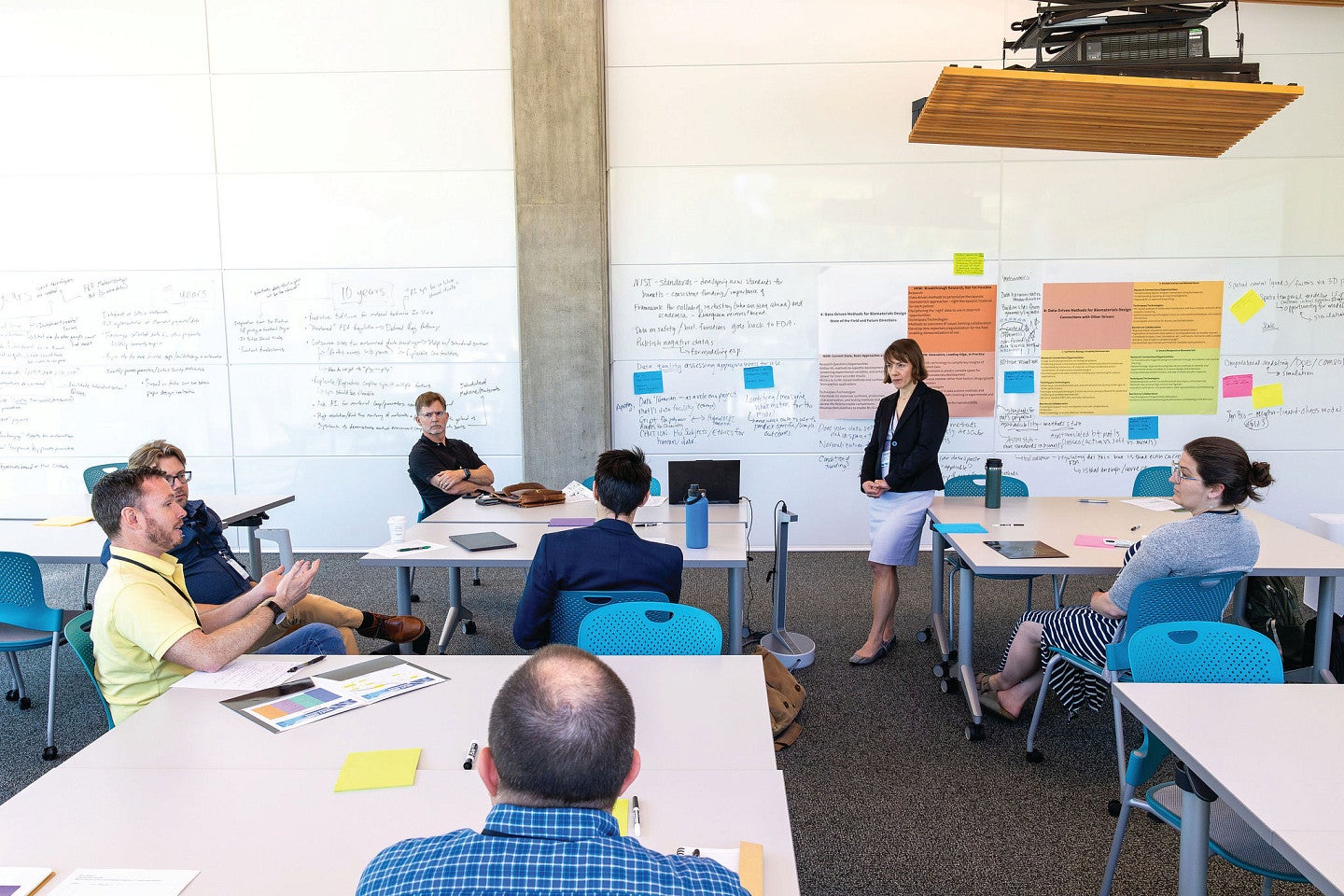
The Department of Bioengineering hosted a two-day Next Generation Biomaterials workshop on May 13–14, 2024, in collaboration with UO's Department of Chemistry and Biochemistry and the Materials Science Institute. The event brought together 48 leading scholars from industry, academia, national labs, and scientific publishing.
Danielle Benoit, Lorry Lokey Chair of Bioengineering and lead organizer, expressed excitement about how the workshop discussions on future biomaterials could address the need for rationally designed materials to advance human health. The workshop focused on four key areas, each led by a UO researcher: synthetic biology-enabled biomaterials (Marian Hettiaratchi), smart/responsive biomaterials (Mike Pluth), biofabrication and biointerfaces (Ramesh Jasti), and data-driven biomaterials design (Danielle Benoit).
"By bringing together the experts in active matter biomaterials, we foster dialogue and collaboration, driving breakthroughs in healthcare," said Germano S. Iannacchione, division director of the Division of Materials Research at the National Science Foundation, which funded the workshop alongside the National Institute of Biomedical Imaging and Bioengineering. Findings will be published in a white paper and review article.
Milestones
New Undergraduate Minor in Brewing Innovation
Knight Campus academic programs continue to expand as Fall 2024 brings the launch of a new undergraduate minor in Brewing Innovation. The program debuts its first course, BRIN 221: Tapping Into the World of Beer — a hands-on class exploring the science and art of beer's sensory experience. Students will also take courses in the history and future of brewing innovation, an advanced brewing laboratory, and finish with an interdisciplinary capstone in beer design.
Why Brewing Innovation? Innovation is a valuable, transferable skill in any field. The minor uses the brewing process as a backdrop to teach innovation, emphasizing design thinking — understanding customer needs, generating ideas, prototyping solutions, and refining them iteratively — integrating science, history, and storytelling.
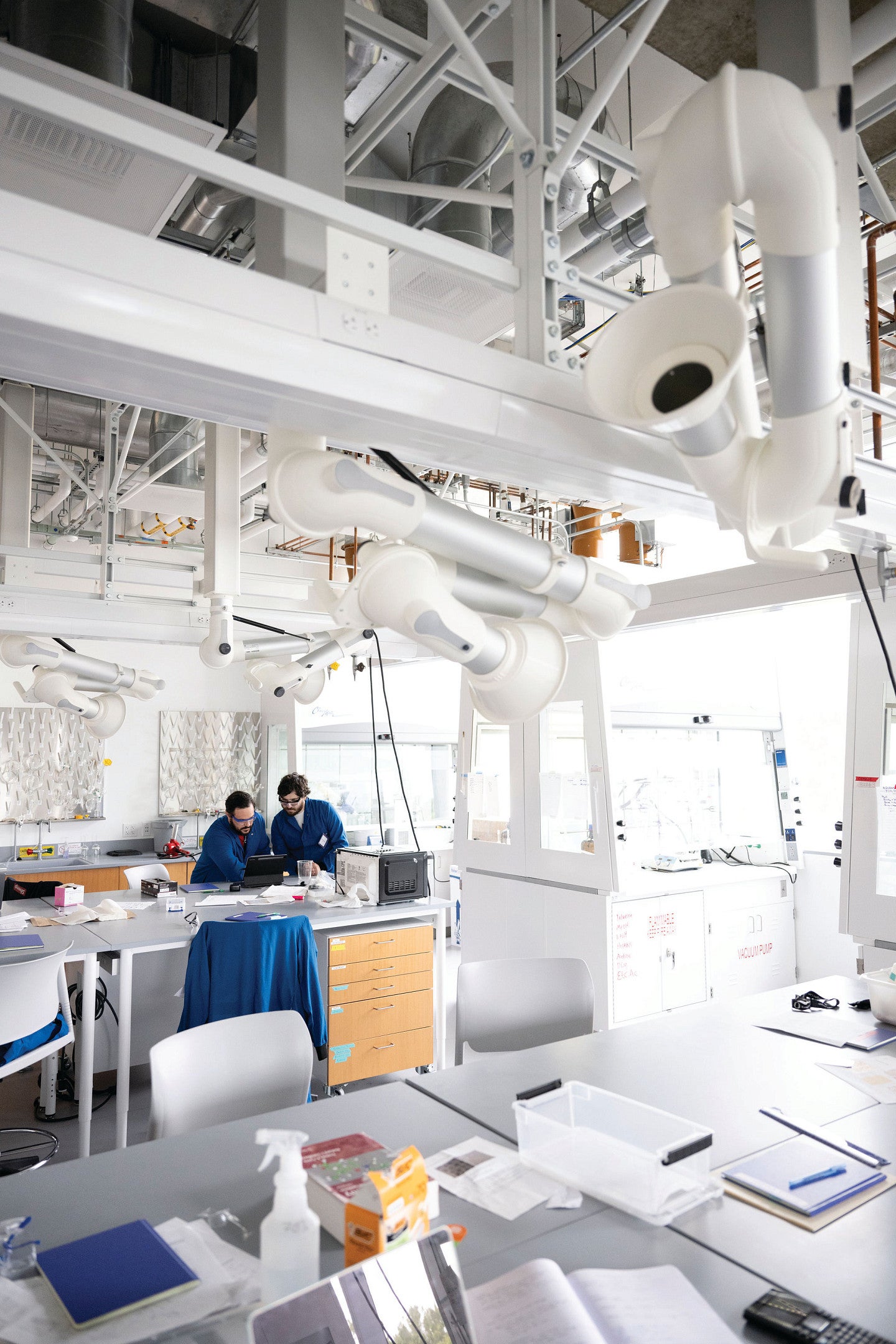
Brewing activities take place in the Knight Campus' Fermentation Innovation Lab, equipped with a 1-barrel electric brewing system and smaller setups for experimental brewing, fermenters, glycol-based chilling units, an analytical laboratory, a cold room for beer storage, and a servery for educational tastings.

Milestones
Knight Campus to Play a Role in Expanding Big Ten Cancer Research Consortium
The University of Oregon's recent inclusion in the Big Ten Conference opens the door for its participation in the Big Ten Cancer Research Consortium (Big Ten CRC), founded in 2013 to unite cancer centers across Big Ten universities in multi-institutional cancer research.
The Knight Campus will serve as a hub for UO's involvement, leveraging programs like the Center for Biomedical Data Science, a collaborative effort between UO's Knight Campus and OHSU's Knight Cancer Institute.
"We are eager to team up with Big Ten researchers to attack our common enemy," said Knight Campus Executive Director Bob Guldberg. "This collaboration offers powerful opportunities to drive new scientific discoveries and mentor future research leaders."
Milestones
Building Two on Track for Opening
Scheduled to open in 2026, the new building emphasizes engineering research and training, with amenities that include a student maker space for students to learn, prototype, and test their inventions. It is expected to house 20–23 research groups focused on bioengineering and biomedical computational science.
Student Success
Student Success
Genomics in Action: Ten Years of Learning and Growing
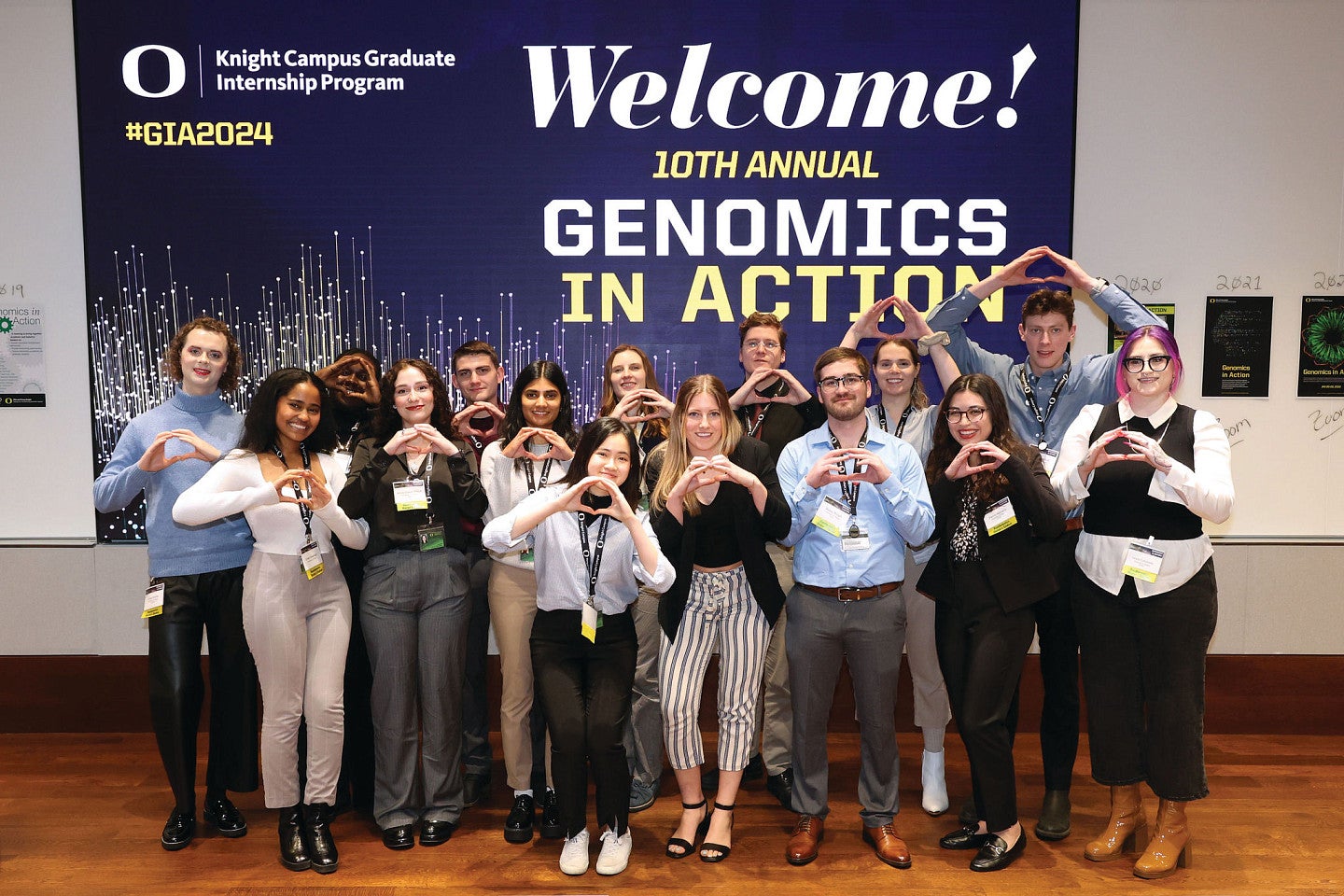
Presented by the Knight Campus Graduate Internship Program (KCGIP), the 10th annual Genomics in Action conference drew more than 130 attendees to the Knight Campus in February, along with an estimated 80 virtual participants. "The tenth year of the conference was all we could have hoped for," said Leslie Coonrod, director of the KCGIP Bioinformatics and Genomics Track. "From the beginning, this conference was about facilitating connections: between students, alumni, partners, and the scientific community."
A major goal of the conference was to connect students with industry leaders and provide feedback to help the KCGIP curriculum evolve. Alumni were heavily involved, with 40 attending in person, many participating as speakers or mentors.
While the conference highlighted cutting-edge advancements in genomics — multi-omic approaches, mass spectrometry, and DNA aptamer-based protein detection — its heart remains focused on the growth and success of students and trainees, helping them forge meaningful connections with industry and advance their careers in bioinformatics.
Student Success
KCGIP Prepares Students to Be Future Leaders
The Knight Campus Graduate Internship Program (KCGIP) welcomed its latest academic cohort of 89 students in June. The nationally recognized accelerated master's program offers specializations in bioinformatics, molecular sensors and biotechnology, optics, polymers, photovoltaics and semiconductors — all designed to meet the technology needs of industrial, academic, clinical, and national labs.
Professional Development and Orientation Week precedes the start of the cohort's immersive technical coursework, building community and cultivating professional relationships. These themes carry through the program and into KCGIP's annual Inclusion Symposium, held in August and featuring keynote speaker André Isaacs, associate professor at the College of the Holy Cross and a passionate advocate for inclusivity in science.
Knight Campus Graduate Internship Program (Master's)
Academic Year 2023–2024
2024 Master's Student Graduates | 74 |
2023 Graduates Placed/Hired in Industry (w/in 3-mos. of graduating) | 68 (86%) |
New Recruits for Summer 2024 | 89 |
Student Success
Bioengineering Welcomes New PhD Cohort
Academic Year 2023–2024
Total Enrolled PhD Students – Spanning 4 Cohorts | 34 |
2024 Master's Student Graduates | 1 |
PhD Students Supported by Competitive External Fellowships | 7 (of 34) |
New PhD Recruits for Fall 2024 | 7 |
Undergraduate Minor Students | 42 |
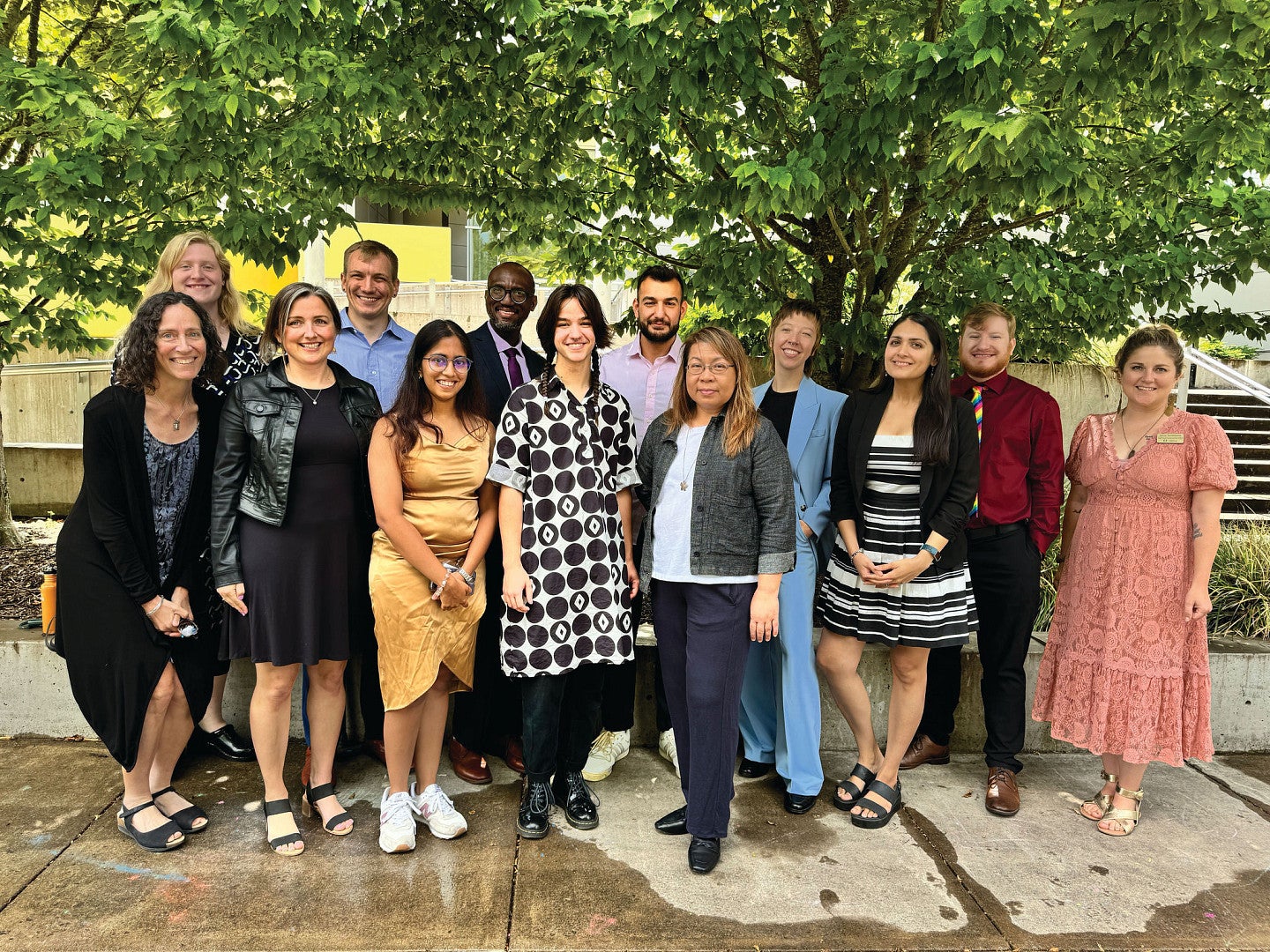
The Knight Campus welcomed its newest PhD students in the fall term of the 2024–25 academic year, launching the fifth cohort for the Department of Bioengineering — a dynamic group from Oregon, across the U.S., and around the world.
The students kicked off their journey with Impact Week, the department's signature orientation and training program: an intensive five-day series of workshops building essential skills in science communication, innovation, and entrepreneurship.
"We expect that five students will be defending their PhD dissertations in the coming year, beginning with Kylie Williams of the Guldberg lab, who will defend this winter. Upon graduation, Kylie will be the Clinical Engineering Director for Penderia Technologies, Inc."
What's Next
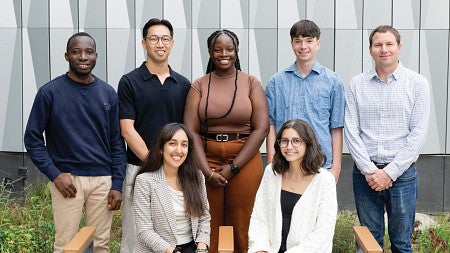
2024 PhD Cohort: David Dzamesi (Kwame Nkrumah University of Science and Technology), Andy Huang (Dalhousie University), Anika Moorjani (Georgia Institute of Technology), Elizabeth Amponsem (University of Ghana), Samantha Watson (North Carolina State University), Ben Burress (University of Oregon), and Russell McLoughlin (University of California at Santa Barbara).
Congratulations, Graduates!
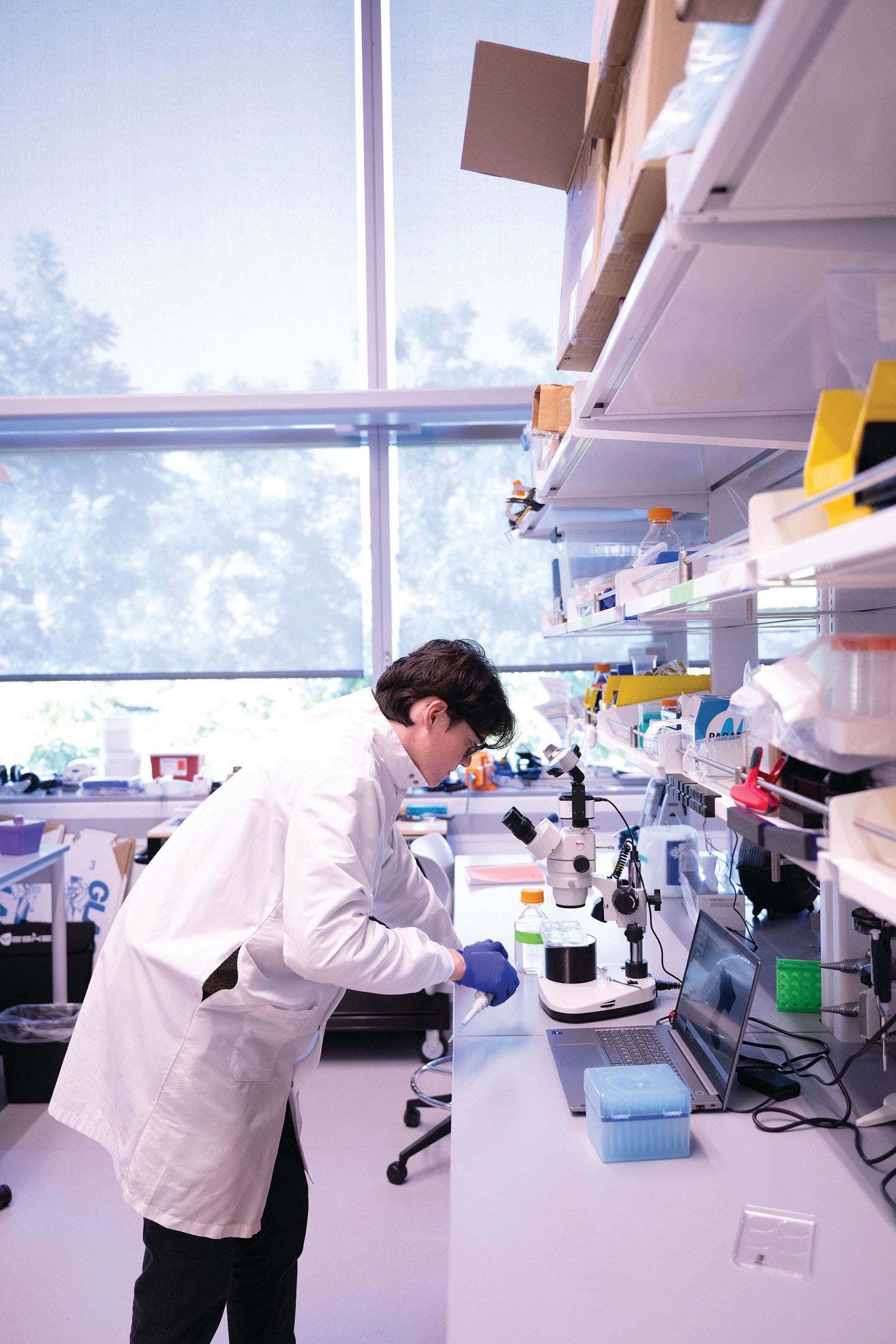
The Knight Campus hosted an Open House on June 17, 2024, celebrating all 121 of its graduates, including seven students receiving bioengineering minors — the first students to graduate with any type of engineering specialization from the University of Oregon.
Student Success
Knight Campus Undergraduate Scholars
The Knight Campus Undergraduate Scholars Program pairs promising undergraduates with research mentors — graduate students, postdocs, and faculty — immersing them in a 12-month, comprehensive research experience in Knight Campus-affiliated labs. This year's cohort is approximately 38% sophomores, 57% juniors and 5% seniors with an average GPA of 3.91.
- Gender: 42.9% Male; 47.6% Female; 9.5% Non-binary
- Ethnicity: 47.6% students of color; 47.6% white; 4.8% did not disclose
- 9.5% are first-generation
- 19% are transfer students
- 47.6% are enrolled in the Clark Honors College
- 71.4% are Oregon residents (graduated from an Oregon High School)
"The KCUS program provides a unique opportunity to immerse myself in the research I am most interested in. The most rewarding part of science is being able to apply my knowledge to a practical setting. With this program, I am applying my passions for biology and engineering to the future of medicine… It is a great privilege to start my bioengineering career at the state-of-the-art Knight Campus."
— Brock Cottle
Seeyan Lam Undergraduate Scholar
Class: Junior, Major: Biology
Minors: Bioengineering and Chemistry
Mentor: Tim Wheeler, Lab: Lindberg Lab
Student Success
Inspiring the Next Generation
The Knight Campus is dedicated to training the next generation of applied scientists, with students and scholars taking an active role in outreach efforts to inspire local youth.
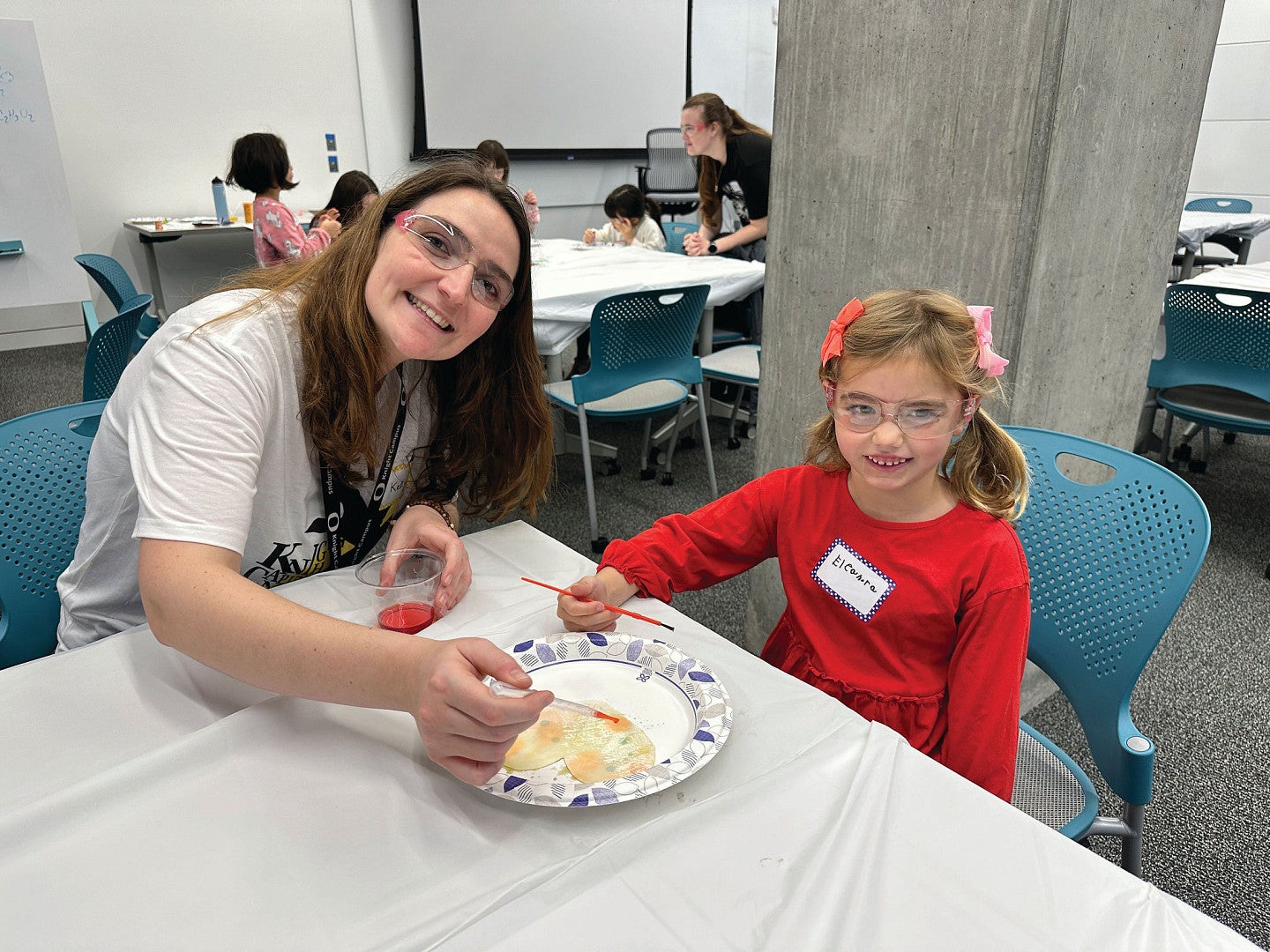
In November, Tayler Hebner, a postdoctoral scholar in the Benoit Lab, organized "Engineering Tomorrow's World: Girls Leading the Way," an event for girls in grades 1–3 and their female relatives, with ten female Knight Campus PhD students and postdocs volunteering. "We want to provide opportunities like this as early as possible... so that the door to a STEM career opens for them and it never closes," Hebner said.
In May, bioengineering trainees David Frey and Tyler Guyer presented at the monthly "Meet a Scientist" event at the Eugene Science Center, teaching the community about hydrogels and how they're leveraged in bioengineering research.
The Knight Campus Graduate Student Association also contributed to the UO's Summer Academy to Inspire Learning (SAIL), leading scientific modules and building tours for over 25 high school students.
Student Success
Five Bioengineering PhD Students Awarded NSF Fellowships
Five PhD students from the Knight Campus Department of Bioengineering have been awarded prestigious Graduate Research Fellowships from the National Science Foundation (NSF GRFP), considered the gold standard in graduate research fellowships and handed out to only about 2,000 students nationwide.
Fellowships went to David Frey, Phillip Hernandez, Nicholas Pancheri, Iman von Briesen and Malley Gautreaux. PhD students DeShea Chasko and Rose Hulsey-Vincent received honorable mentions. Each recipient will receive three years of financial support, as an annual stipend of $37,000.
"It's an incredible and well-deserved honor to receive the NSF GRFP," said Danielle Benoit, Lorry Lokey Chair of the Department of Bioengineering. This year's awardees join three previous Department of Bioengineering GRFP recipients: Kaylee Meyers (2023), Jarod Forer (2022) and Yan Carlos Pacheco (2021).
Student Success
A Year of Honors for Knight Campus Students and Postdocs
Ethan Dinh, Three Minute Thesis Winner
Clark Honors College senior Ethan Dinh, a computer science major and undergraduate research assistant in the Guldberg lab, took home the first-place title in the CHC Three Minute Thesis Competition in April for his study of fractured leg bones in recreational women athletes.
Justin Svendsen, F31 NRSA Fellowship
Knight Campus biochemistry PhD candidate Justin Svendsen was awarded an F31 NRSA fellowship from the NIH National Heart Lung and Blood Institute for his project on affinity-based delivery systems for angiogenic growth factors — a $145,000 award funding three years of research.
Sanique South, Research Awards
Sanique South, a postdoctoral scholar in the Nick Willett lab, received both the Translational Science Research Award and the 2024 Women in Nephrology Research Award at the Network of Minority Health Research Investigators Annual Workshop.
iGEM Silver Prize
A Knight Campus student research team earned a silver prize and was nominated for the Best Software Award at the iGEM 2023 Grand Jamboree in Paris, competing in the Therapeutics category with an engineered probiotic project, mentored by graduate students in the Plesa, Hettiaratchi, and Hosseinzadeh labs.
Centers of Excellence
Centers of Excellence
Alliance at Oregon Goes Global
The Wu Tsai Human Performance Alliance at Oregon supports research across the University of Oregon and partners with five institutions nationwide. Oregon researchers are also extending their work globally, connecting with international scientists and students to improve human health and performance.
The Tunisia Connection
The Alliance at Oregon has developed strong ties with Tunisia, including hiring Tunisian staff and students. In 2021, Mike Hahn hired Aida Chebbi, a Tunisian research engineer focused on sports injury prevention. Six student trainees now work with the Alliance, some traveling to Oregon and others contributing remotely.
Biomechanics Conferences in Japan
In mid-2023, an Alliance-affiliated team attended two biomechanics conferences in Japan, presenting research on sports biomechanics including soccer cleat design and its impact on injury prevention.
Partnership with Loughborough University
UO and Loughborough University cofounded the Global Sports University Network (GSUN). The inaugural GSUN international summit was hosted by the Knight Campus this September, drawing experts from six continents and 21 countries around the theme of inclusivity. The Alliance's global expansion continues with upcoming projects in China, Japan, and Monaco.
Centers of Excellence
Cresko Appointed Director of UO's Center for Biomedical Data Science
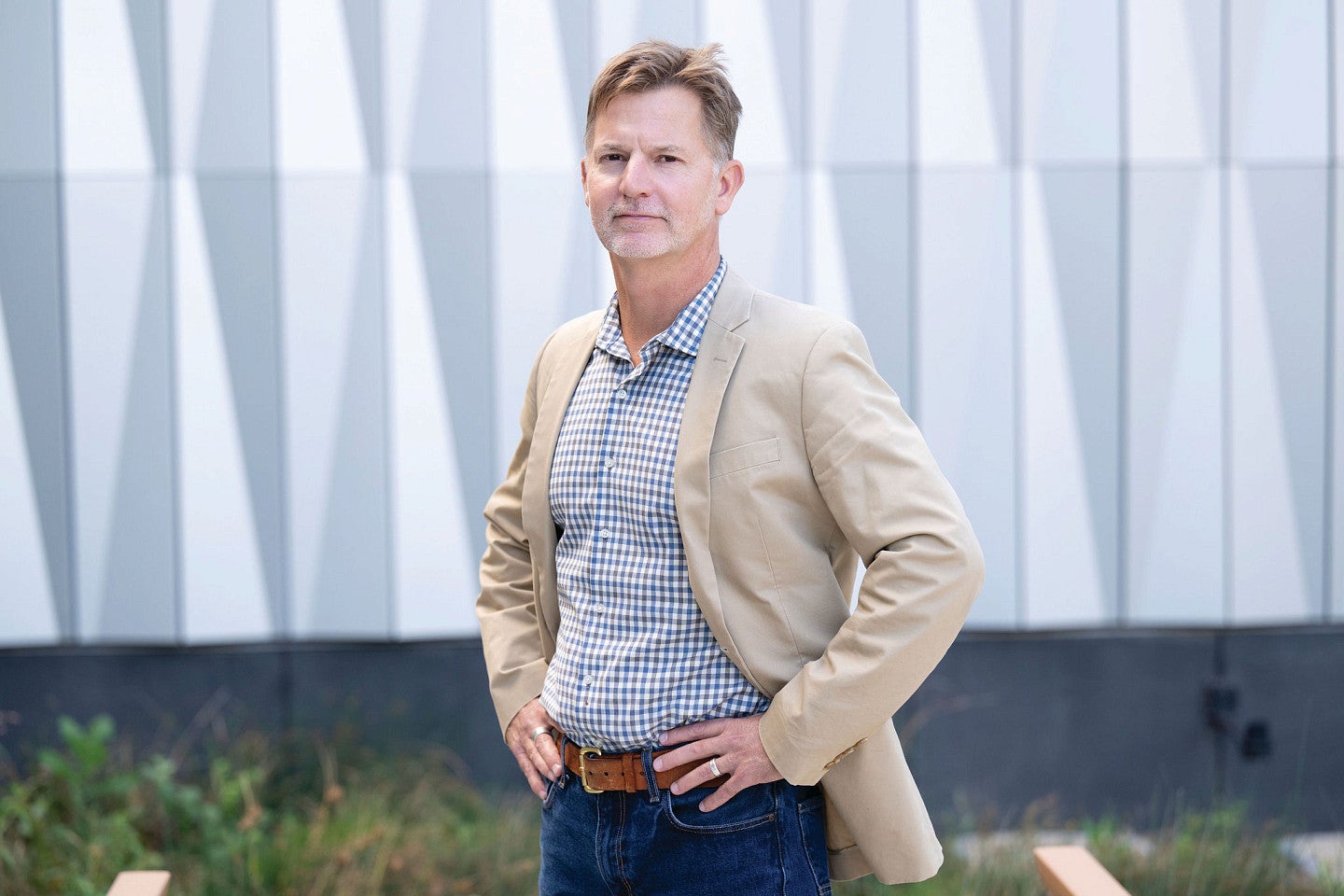
This spring, the University of Oregon announced the appointment of Bill Cresko as the new director of its Center for Biomedical Data Science, a collaborative venture with Oregon Health & Science University (OHSU) aimed at harnessing biomedical data science to combat severe diseases like cancer. Located within the Knight Campus and supported by a $10 million gift from Mary and Tim Boyle, the center will be a cornerstone of this effort.
"Together we are building a bridge between the Knight Campus and the Knight Cancer Institute, integrating our complementary strengths, enhancing student training in biomedical data science, and fostering industry partnerships that benefit society," Cresko said.
Cresko will collaborate closely with Sadik Esener, interim director of OHSU's program, along with scientific co-directors Xubo Song and Emek Demir. Initial priorities include advancing image analysis using AI, applying single-cell biology techniques, integrating new faculty, and preparing a major grant proposal to create an NIH Center of Excellence.
Centers of Excellence
CTBR Adds Two Trainees
A partnership between PeaceHealth and the Phil and Penny Knight Campus, the Center for Translational Biomedical Research (CTBR) aims to forge biomedical research collaborations that produce increased grant funding, journal publications, and translation of new medical technologies. Postdoctoral fellowships for candidates from underrepresented communities mark the center's first effort. Two trainees were added this year — Sanique South in the Willett Lab and Vignesh Rangasami in the Benoit Lab.
Centers of Excellence
Innovation Center Celebrates Grand Opening
The Papé Family Innovation Center is making it easier and faster to translate academic research into patents, inventions, startup companies, and industry collaborations. This year, the center opened to its first tenants, including the Knight Campus spinout company Penderia Technologies, supported by new venture funding through UO's Launch Oregon initiative.
Research and Award Highlights
Research and Award Highlights
Knight Campus Faculty
Danielle Benoit
Professor and Lorry Lokey Chair of the Department of Bioengineering
Research focuses: Engineered extracellular matrices for tissue mimetics and tissue regeneration, targeted drug delivery nanotechnologies
Bala Ambati
Research Professor
Research focuses: Drug delivery, gene therapy, bioimaging
Bill Cresko
Lorry Lokey Chair, Professor, and Director, Center for Biomedical Data Science
Research focuses: Computational genomics, host-microbe interactions, gene regulatory systems
Paul Dalton
Associate Professor, and Bradshaw and Holzapfel Research Professor in Transformational Science and Mathematics
Research focuses: Advanced manufacturing, high-resolution 3D printing, biofabrication
Felix Deku
Betsy and Greg Hatton Assistant Professor
Research focuses: Microelectrodes, thin-film devices, neural recording and stimulation
Tim Gardner
Associate Professor, and Robert and Leona DeArmond Chair in Neuroengineering
Research focuses: Vocal learning, deep neural networks
Robert Guldberg
Professor, and Vice President and Robert and Leona DeArmond Executive Director
Research focuses: Musculoskeletal mechanobiology, regenerative medicine, orthopedic medical devices
Marian Hettiaratchi
Assistant Professor
Research focuses: Controlled protein delivery to injured tissues, affinity-based biomaterials, cell-instructive biomaterials for bone repair
Parisa Hosseinzadeh
Assistant Professor
Research focuses: Naturally occurring peptides, protein-based sensing platforms, biosensors for detecting pollutants
Gabriella Lindberg
Assistant Professor
Research focuses: Bioinks for tissue engineering, 3D-bioassembly, personalized 3D tissue models
Keat Ghee Ong
Professor
Research focuses: Implantable and wearable devices, wireless sensor technologies, magnetoelastic materials
Calin Plesa
Assistant Professor
Research focuses: Large scale protein engineering and characterization, sequence-function relationships, multiplex functional assays
Nick Willett
Associate Professor
Research focuses: Cell therapies, multi-scale mechanical regulation of bone regeneration, intra-articular therapeutic delivery
Research and Award Highlights
Danielle Benoit Inducted as a National Academy of Inventors Fellow
Danielle Benoit, Lorry Lokey Chair of the Knight Campus Department of Bioengineering, was officially inducted as a fellow of the National Academy of Inventors during a June 18 ceremony in Raleigh, North Carolina — recognizing her contributions to therapeutic biomaterials, tissue engineering, bone regeneration, and drug delivery.
At the time of her nomination, Benoit held twelve fully executed US patents and thirty-eight foreign patents covering seven distinct inventions licensed to four companies (PhaseRx, Genevant Sciences GMBH, Johnson&Johnson, and Taithera).
Research and Award Highlights
Deku Awarded Named Professorship
Felix Deku is pioneering advancements in neural interface technologies with promise for treating vision impairment, epilepsy, Parkinson's disease, and paralysis. As the first recipient of the Betsy and Greg Hatton Assistant Professorship of Neuroengineering, Deku's ability to explore innovative ideas will be significantly enhanced.
Deku was recently awarded a $2.19 million NIH R01 grant, allocated over three years, aiming to revolutionize how brain activity is monitored and improve treatments for neurological disorders.
Research and Award Highlights
Guldberg Featured as TEDxPortland Speaker
On April 27, Knight Campus Executive Director Bob Guldberg presented "Listening to Our Cells" at TEDxPortland — the first UO faculty member to give a TEDxPortland talk since the UO became a title and presenting sponsor. Guldberg discussed his research into an early predictive signature for poor healing outcomes.
"What if we could listen to what the 37 trillion cells in our bodies are saying and use the information to create a 'weather report' of sorts to predict healing after injury?" Guldberg asked.
Research and Award Highlights
Romanowicz Awarded Prestigious NIH K99 Grant
Knight Campus postdoctoral scholar Genevieve Romanowicz, DDS, PhD, was awarded a K99 Pathway to Independence Award from the NIDCR for her project on bone-like organoids to understand local bone immune response and regeneration — the first K99 award at the Knight Campus, totaling over $440,000 for the training phase and $750,000 for the independent-career phase.
Research and Award Highlights
Hettiaratchi Honored with UO and National Awards
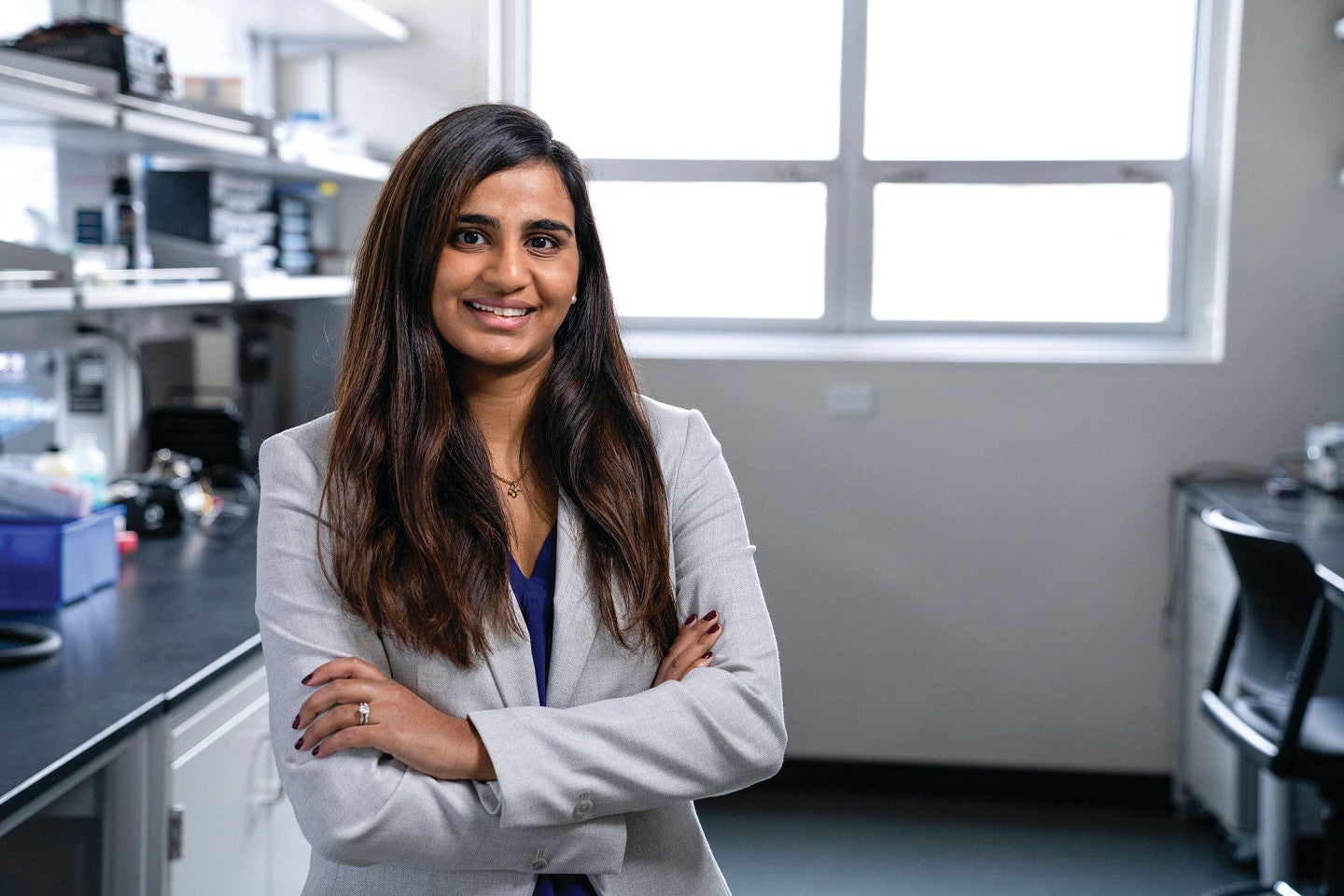
Bioengineering Assistant Professor Marian Hettiaratchi was included in the University of Oregon's Outstanding Research Awards this year, receiving the Early Career Award — the UO's highest award for early career faculty — for her work in bioengineering of proteins addressing gaps in protein therapeutics, from spinal cord injuries to bone regeneration.
The accolades continued when she received the 2024 Tissue Engineering and Regenerative Medicine International Society, Americas Chapter (TERMIS-AM) Young Investigator Award, presented at the 7th TERMIS World Congress in Seattle in June.
Research and Award Highlights
Hosseinzadeh Recounts her Road to Recovery from ICU to Lab in Nature
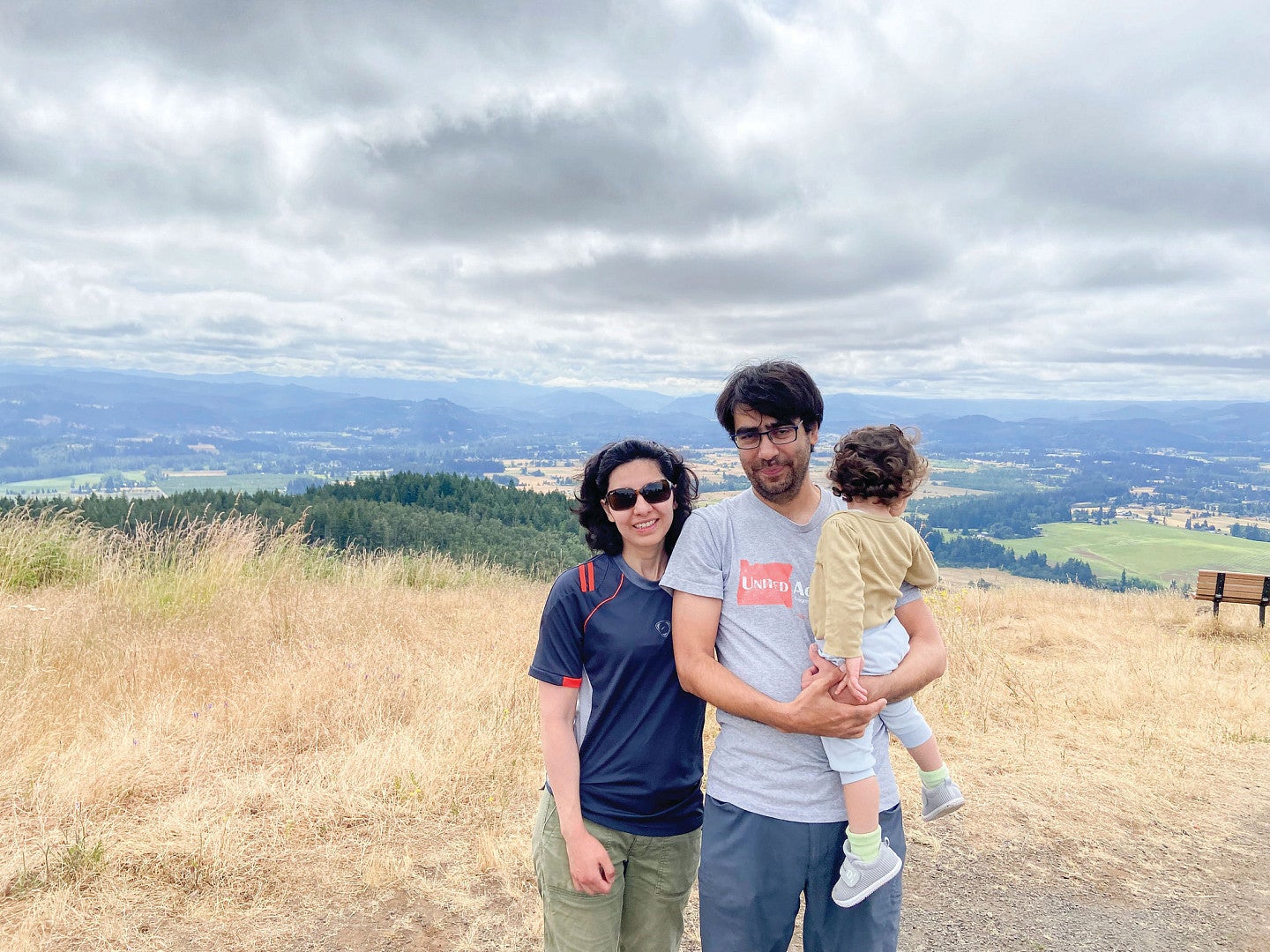
Knight Campus Department of Bioengineering Assistant Professor Parisa Hosseinzadeh was eight months pregnant when she developed a severe headache and lost consciousness. She had suffered a brain bleed and was transferred to a neurological intensive-care unit, where she spent a month before delivering her baby by caesarean section.
In a first-person piece in the journal Nature, Hosseinzadeh recounts her experience and long road to recovery. She is currently working two days a week and plans to increase gradually to a full-time schedule.
"Is it hard? Yes. Do I sometimes think it might not happen? Yes. But, with my friends, family and colleagues, we have come this far, and we will finish strong."
Externally Sponsored Research
Externally Sponsored Research
Knight Campus Startup Penderia Receives $1.7 Million Grant
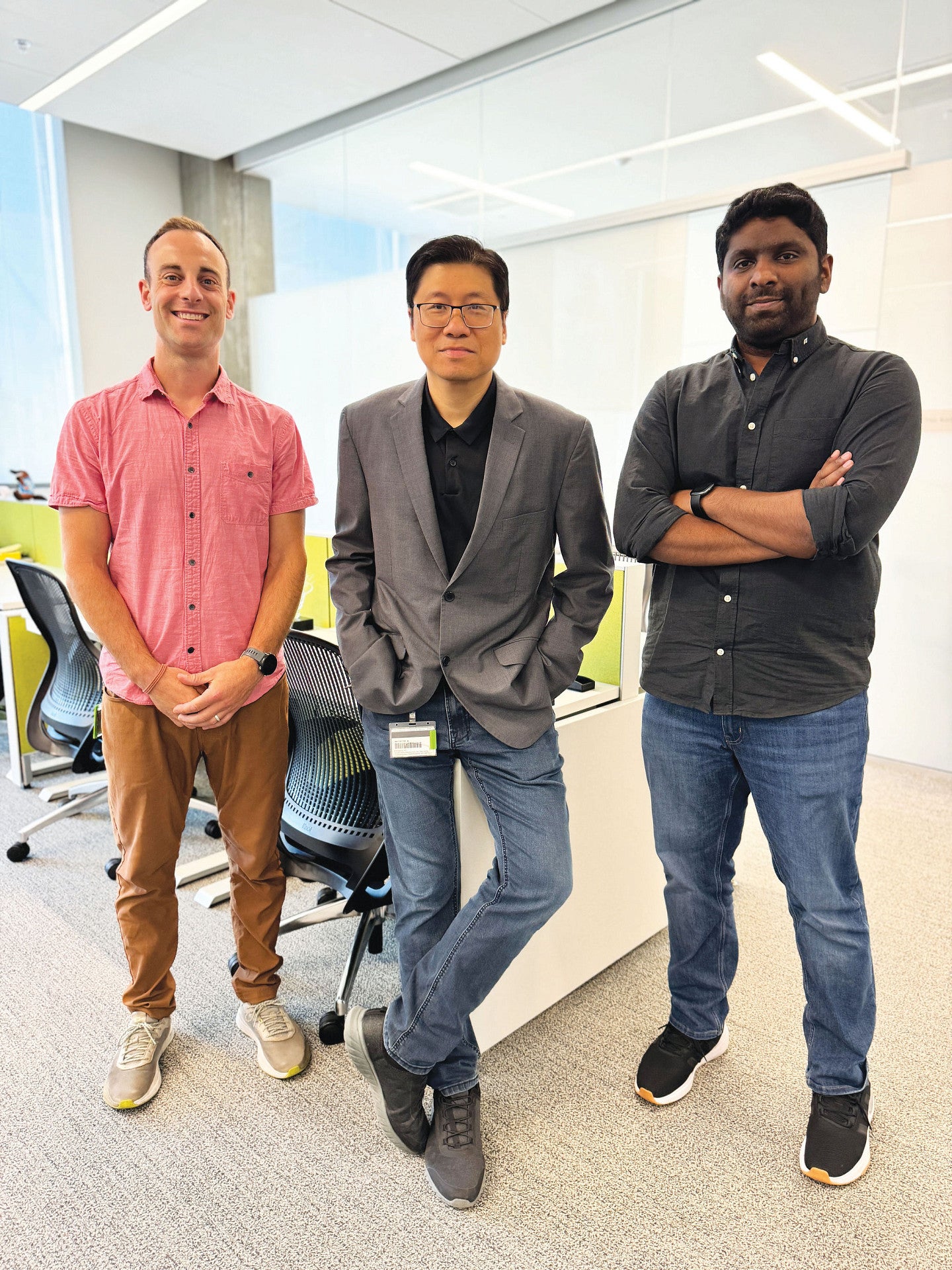
The Knight Campus spinout company Penderia Technologies has received a $1.74M Small Business Innovation Research (SBIR) Phase II Award from the NIH to further develop its implantable wireless sensor technology, licensed from the University of Oregon.
Co-founded in 2020 by Knight Campus Professor Keat Ghee Ong, UO Vice President Bob Guldberg, research associate Salil Karipott, and Ken Gall from Duke University, the company is an orthopedic implant technology startup using real-time data to better monitor injury and healing progress.
"Together, we are putting together the pieces that will comprise a West Coast innovation archipelago that extends from San Diego to San Francisco, to Eugene, Portland and Seattle," Guldberg said.
$71.5 M*
Cumulative Research Awards
* Includes known full award amounts, not just funding received to date, and currently goes out to FY30.
Total Number of Proposals Submitted | 62 |
Total Number of New Awards | 17 |
Total Funding Received — All Awards | $9,870,763 |
Total Direct Research Expenditures | $7,732,443 |
Total Number of Labs/PIs | 12 |
Knight Campus 5-Year Research Funding and Direct Expenditures
FY19
FY20
FY21
FY22
FY23
FY24
FY19: $367,634 funding / $1,198,821 total funding line; FY20: $750,839 / $3,533,165; FY21: $2,719,122 / $7,694,284*; FY22: $5,599,335 / $9,750,690; FY23: $7,106,059* / $8,829,946*; FY24: $7,732,443 / $9,870,763. *post FY23 report accounting revision.
Philanthropy
$10,104,000
in new gifts and pledges in FY24 — beyond the Knights' visionary philanthropy
$97,552,571
in total cumulative philanthropy (beyond Knight gifts) in support of Knight Campus research, academic and innovation programs, in gifts ranging from $3 to $35M.
Philanthropy
Impact of Giving in 2024
- One Knight Campus Building 2 gift from Bill and Leslie Cornog, a challenge toward completing the $35M Knight Campus Phase 2 Capital Campaign, matched by a gift from Dennis and Janet Beetham to name the Tschache – Keana Skybridge over Franklin Boulevard.
- 21 Knight Campus Undergraduate Scholars, our largest cohort yet, all funded through philanthropic gifts.
- A new endowment from the Cameron/McDonald Family to support Innovation Topping Fellowships that celebrate Knight Campus graduate students who complete a specialization in Entrepreneurship and Innovation in the Lundquist College of Business — and seed funds from Jon and Terri Anderson to jumpstart this program.
- One new endowed professorship to help recruit/retain top scientific talent, named in memory of Lary Simpson, and one new associate professor in neuroengineering pledge, from Betsy and Greg Hatton, to amplify Felix Deku's research and development of next-generation neural interface devices.
- Two Petrone Innovation Faculty Fellowships, which will provide start-up capital to recruit faculty to the Knight Campus who have a strong track-record of commercializing scientific discoveries.
"This fellowship means more to me than classes; it means taking the first crucial step to reach my post-PhD goals."
— Kylie Williams
Bioengineering Doctoral Candidate, Chris Lee Innovation Fellow
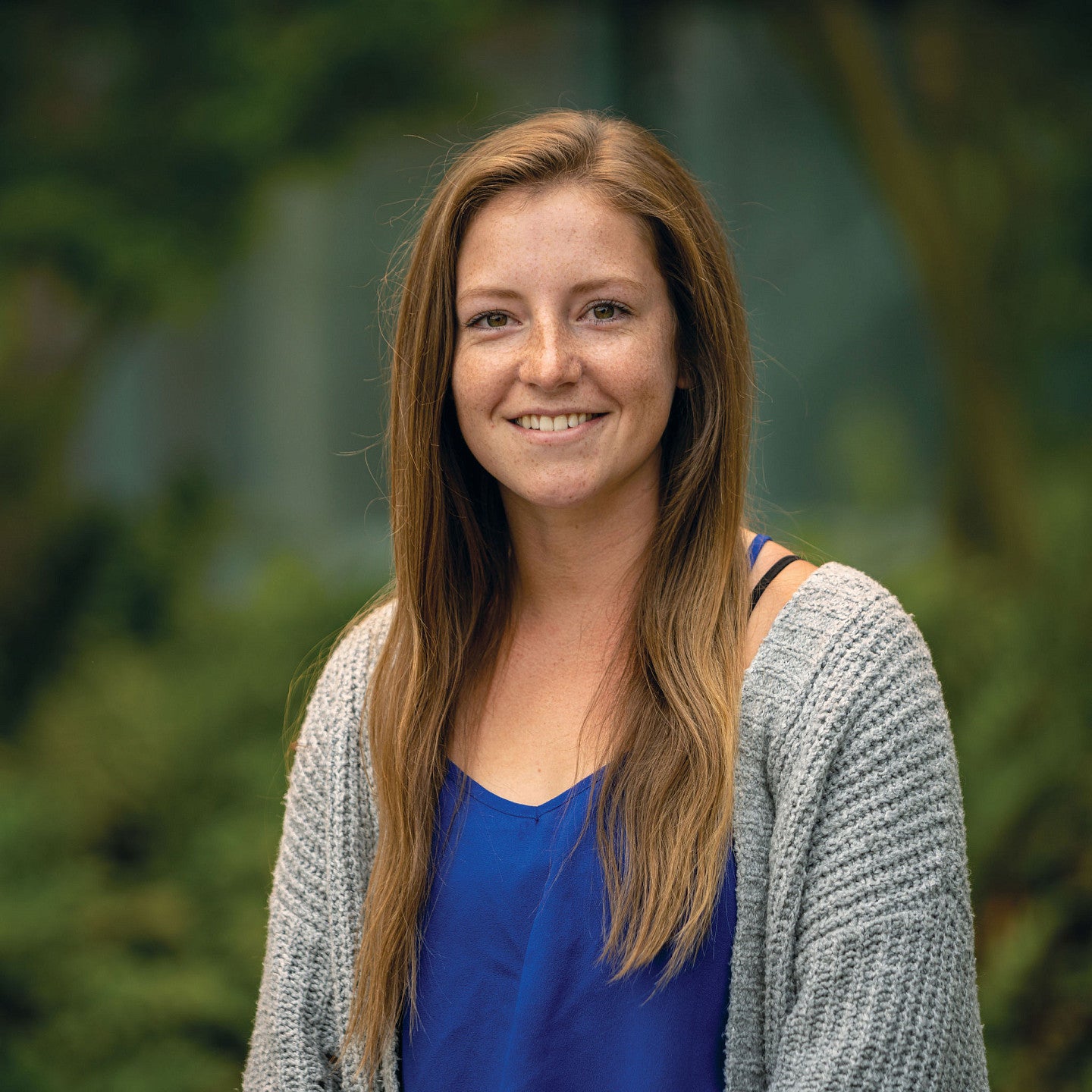
Kylie Williams was not just the first Innovation Fellow in the Knight Campus — as part of the Knight Campus' first cohort of bioengineering PhD students, she helped build the entrepreneurship and innovation specialization with UO's Lundquist College of Business, a first-ever offering of business courses for STEM students at the university. Following graduation, she will join Penderia, a Knight Campus start-up company, to develop biosensors to monitor healing from orthopedic injury.
Philanthropy
Building the Bridge to Impact
$4-million gift supports UO's innovation, entrepreneurship efforts, Petrone Faculty Fellows
Dave and Nancy Petrone's partnership bolsters programming for student and faculty entrepreneurs and strengthens ties between the Knight Campus and Lundquist College of Business.
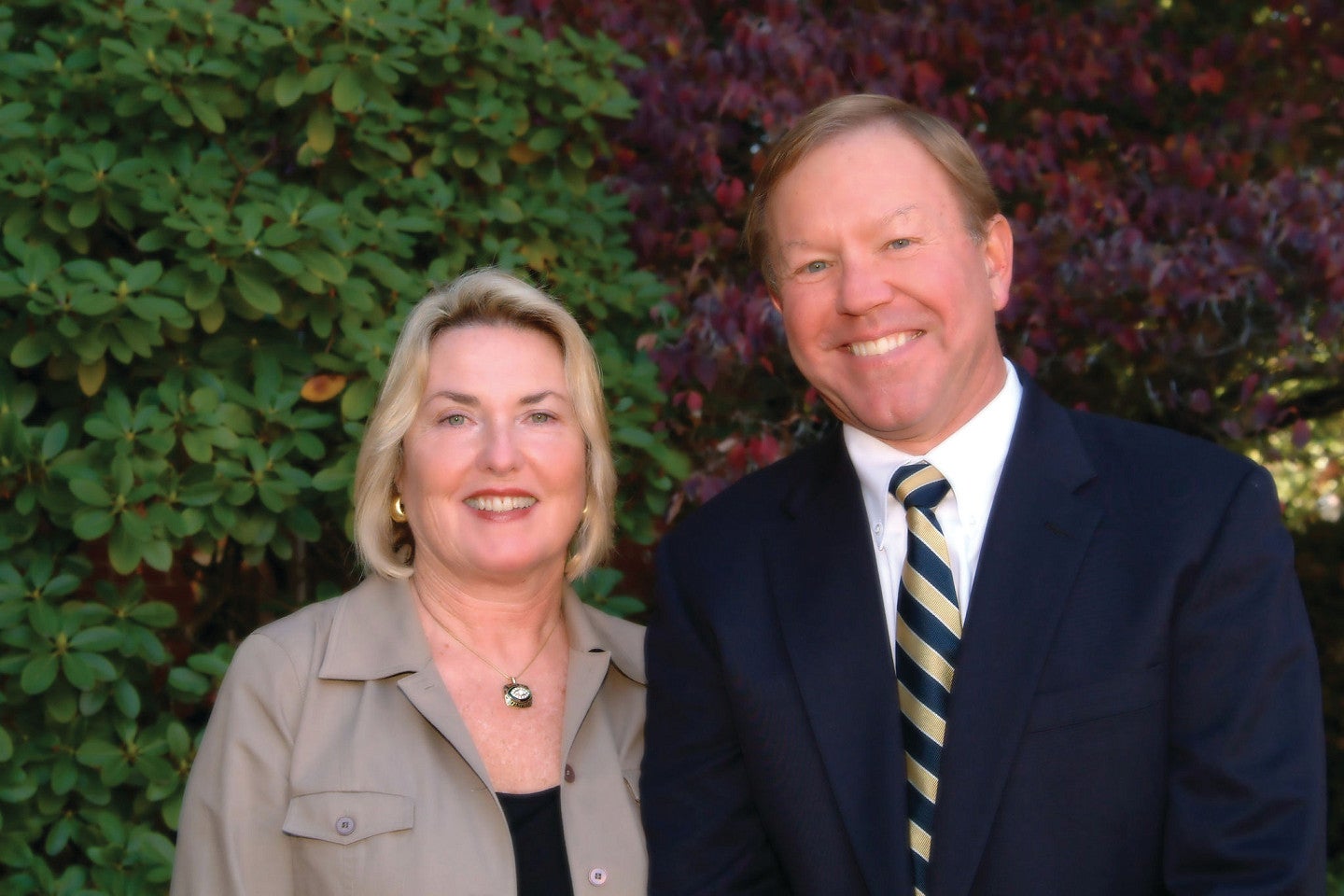
"We believe the University of Oregon needs to turn out students going into a business and launching startups — it makes the world go around," said Dave Petrone '66 (economics), MBA '68. "I see the Lundquist College and the Knight Campus as instruments for achieving significant growth and reputation enhancement in entrepreneurship and innovation."
Their gift is supporting a Petrone Entrepreneur in Residence who will focus on biotech ventures and be co-located between the Lundquist College and Knight Campus, working directly with Knight Campus innovators to help facilitate the commercialization of emerging technologies and discoveries. Another part of the gift will recruit Petrone Innovation Faculty Fellows in the Knight Campus.
"Entrepreneurship is a way of thinking — kind of the way I think," Petrone said. "Nancy and I believe we need to show up, as alumni and donors, and give to the areas that matter now. The university has made strides recently, but we need to keep pushing forward."
Explore the Knight Campus
Discover programs designed to accelerate scientific impact—from doctoral research to applied master's programs to hands-on innovation training for undergraduates.