
Annual Report
Fall 2023
From our largest PhD and undergraduate scholar cohorts yet to breaking ground on Building 2, we had plenty to celebrate in 2022–2023 at the Knight Campus — and we have lots to look forward to as we keep building the critical mass of talent and momentum behind our mission of Science Advancing Society.
A Letter From Robert Guldberg
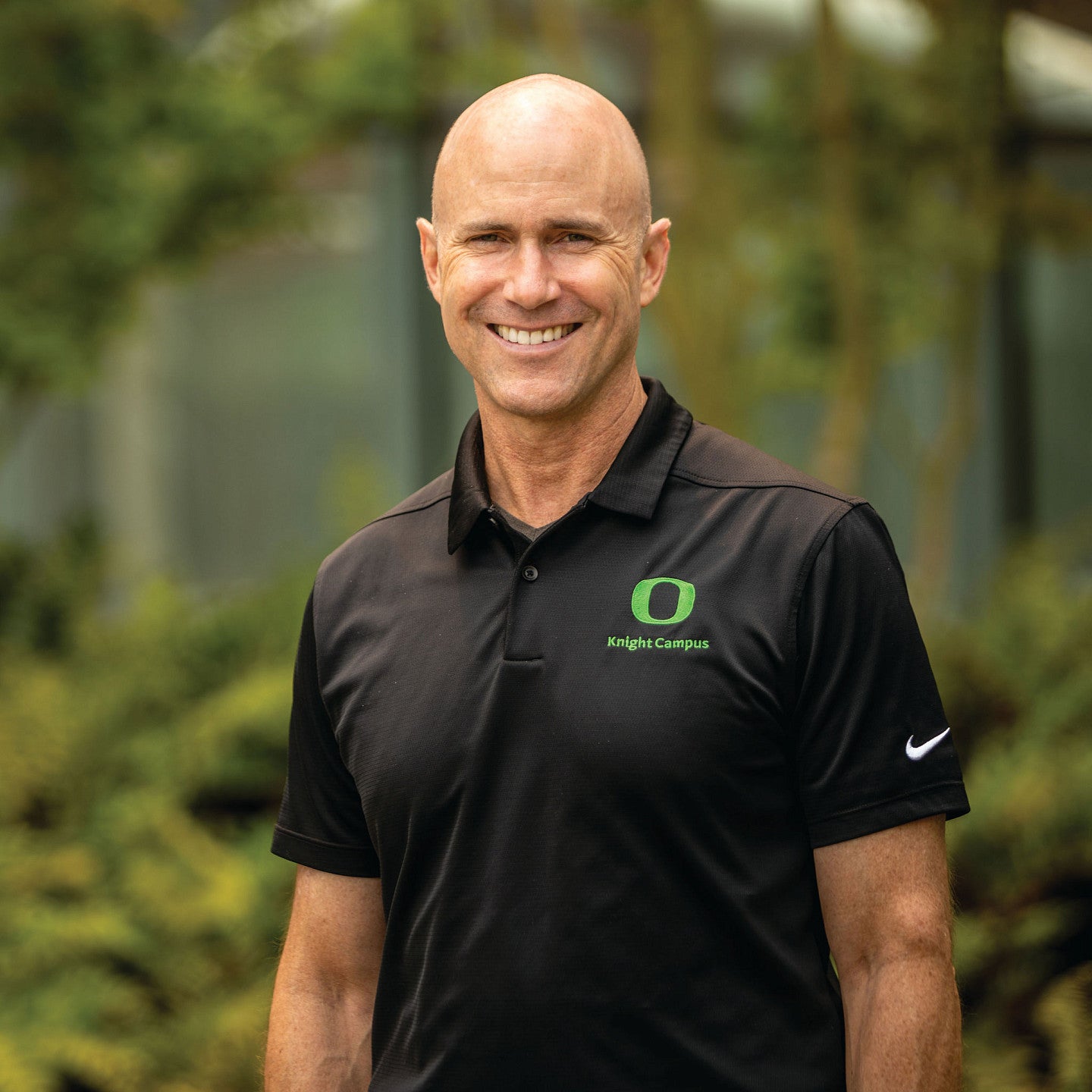
Dear Friends and Colleagues,
It has been a year marked by the continued growth and evolution of our academic and research programs, elevated by a steady stream of successes from our faculty, students and staff, and punctuated by a glimpse into the future as we broke ground on our second major science building. We welcomed our fourth cohort of bioengineering PhD students, our latest class of accelerated master's students and our largest group of undergraduate scholars.
We have big aspirations, and we couldn't succeed without the amazing people we've recruited — including our career teaching faculty, tenure track faculty, support staff, postdocs, students, our incredibly generous donors, external advisory board members and many others — all working hard to achieve their individual goals while collaborating as a team for the success of all.
As we've expanded our ranks, this has become an increasingly dynamic place to work. Our Knight Campus community has reached roughly 300 people strong, bringing Building 1 to approximately 90% capacity, and making it a very good time for us to be constructing a second building.
Building 2 will enable us to grow our critical mass of talent even bigger and encourage the convergence of science, technology, and people. Building 2 puts the "Campus" in Knight Campus, creating space for engineering with an emphasis on meeting the needs of engineering students who will train there to become the biomedical innovators of tomorrow.
Training and mentorship are the lifeblood of the Knight Campus, and this includes the Wu Tsai Human Performance Alliance at Oregon, where student researchers and product designers are working alongside our faculty to study peak performance — from the molecular level to the whole body — with the goal of enabling all people to achieve optimal health and well-being. We are currently funding more than a dozen research projects across the University of Oregon campus, and collaborations extend to our five partner institutions across the country. And we've gone global, partnering with Loughborough University in the UK, hiring trainees from Tunisia and presenting talks at multiple conferences around the US and internationally in Japan and Hong Kong.
Training extends into the innovation space, where we are providing our students with the professional skills they need, including through a required course on innovation and entrepreneurship and access to the expertise of UO's Lundquist College of Business. There are other opportunities for engagement through our Entrepreneurship Speaker Series and with our Papé Family Innovation Center, which is attracting tenants who are eager to hire young talent.
The center, which opened in its Building 1 location this fall, makes it easier and faster to translate academic research into patents, inventions, startup companies, and collaborations with industry. It provides access to wet labs, tools, and expertise to support early-stage entrepreneurs and encourage industry engagement.
We shared these and other resources with UO's new president Karl Scholz during a tour and a meet-and-greet event that drew several hundred people to our atrium. President Scholz spoke about the powerful lead role the Knight Campus is playing in the evolution of the UO and the many ways we are enabling our students to flourish at the UO and succeed in their careers.
I recently embarked on a tour of my own to get a firsthand sense of the workplace environment in the Knight Campus through facilitated conversations on our workplace climate in the spring. My overall impression from talking to people is they are very happy to be valued members of our community. They understand they are part of something big and individually they feel they are making important contributions to positively impact society through our research innovations, unique academic training, and professional development programs.
As this report goes to press, we are preparing to welcome students from Oregon State University, Oregon Health & Science University and the UO for the 5th annual Oregon Bioengineering Symposium on Nov. 3. It's an opportunity for students to learn, present, network and collaborate and yet another example of the partnerships we are building in Oregon and beyond — not only with academic institutions, but with medical organizations, private industry partners, government agencies, foundations, alumni, donors, elected representatives and many more.
This year marks my fifth year at the helm of the Knight Campus and I'm more inspired than ever to continue working with all of you to make our mission a reality. Let's celebrate the milestones we've achieved over the past five years – we've earned it! – and look ahead to the next five years. Together, we are accomplishing our audacious goal of building the next generation of engineering and applied sciences from the ground up. It's amazing what talented people can achieve together when they put their heads down and focus on the impact of their work on the people and the world around them. I feel privileged and grateful to be on this journey with you.
Thank you!
Robert E. Guldberg, PhD
Robert and Leona DeArmond Professor, Department of Bioengineering;
Executive Director, Phil and Penny Knight Campus for Accelerating Scientific Impact;
Vice President, University of Oregon
Leadership Team
Robert E. Guldberg
Vice President and Robert and Leona DeArmond Executive Director
Jim Hutchison
Senior Associate Vice President and Lokey-Harrington Chair in the Department of Chemistry and Biochemistry
Moira Kiltie
Associate Vice President and Chief of Staff
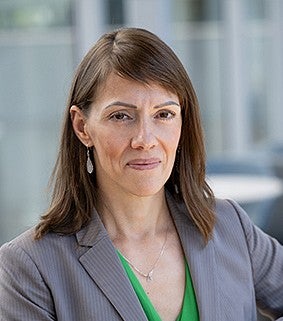
Danielle Benoit
Lorry Lokey Chair of the Department of Bioengineering
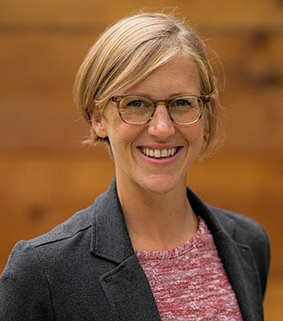
Callie Johnston
Assistant Vice President for Development and Chief Development Officer
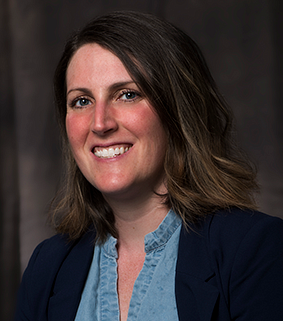
Stacey Wagner
Assistant Vice President for Master's Programs
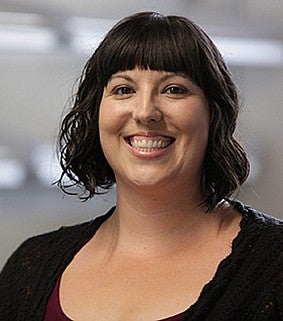
Naomi Crow
Senior Director of Business Operations and Administration
Nathan Jacobs
Director, Research Training and Career Acceleration
Lewis Taylor
Director of Communications
Milestones
Milestones
Knight Campus Reveals Design Details for Building 2
Opening in early 2026, Building 2 will double the Knight Campus' capacity and offer amenities for engineering research and training.
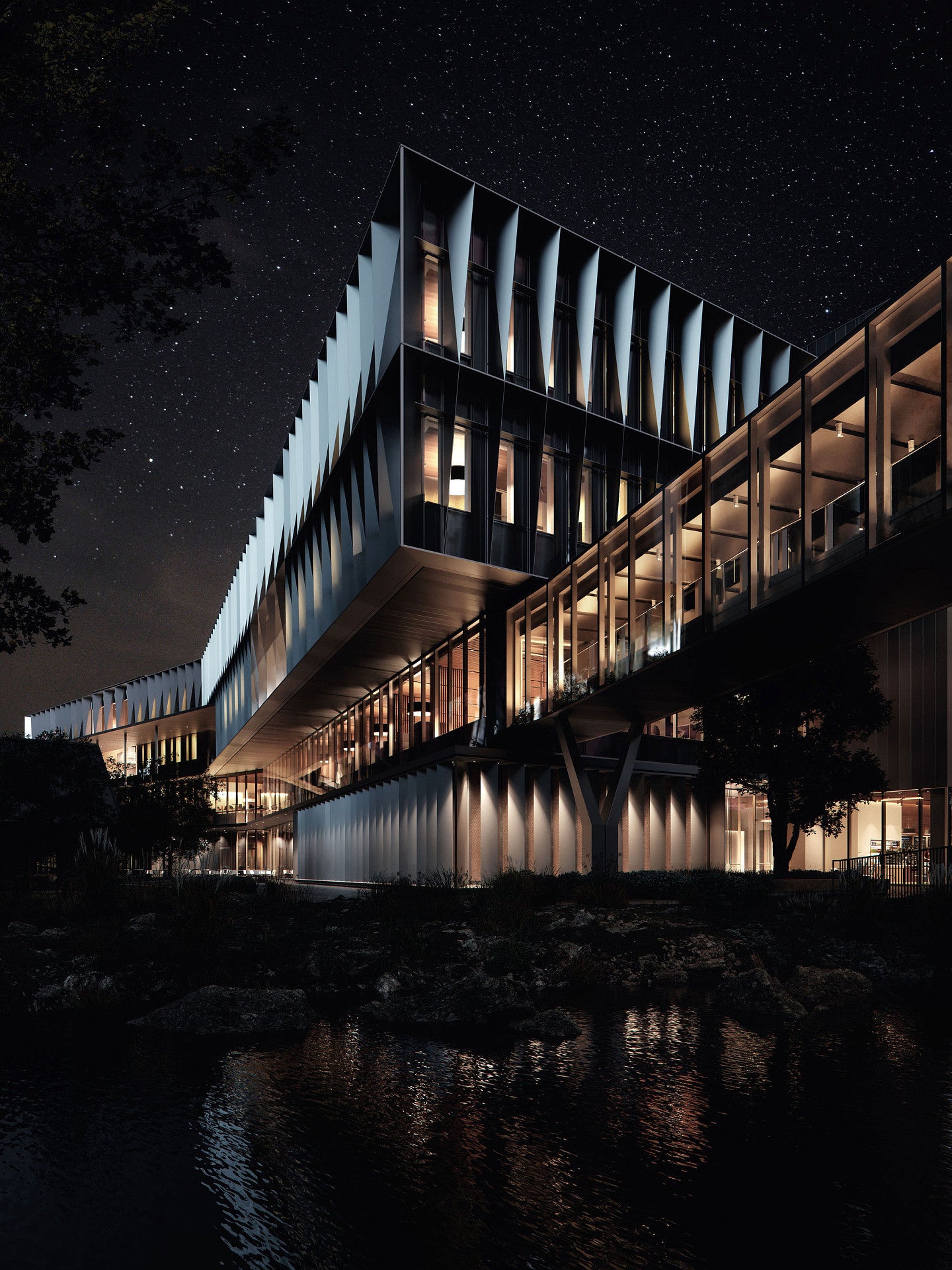
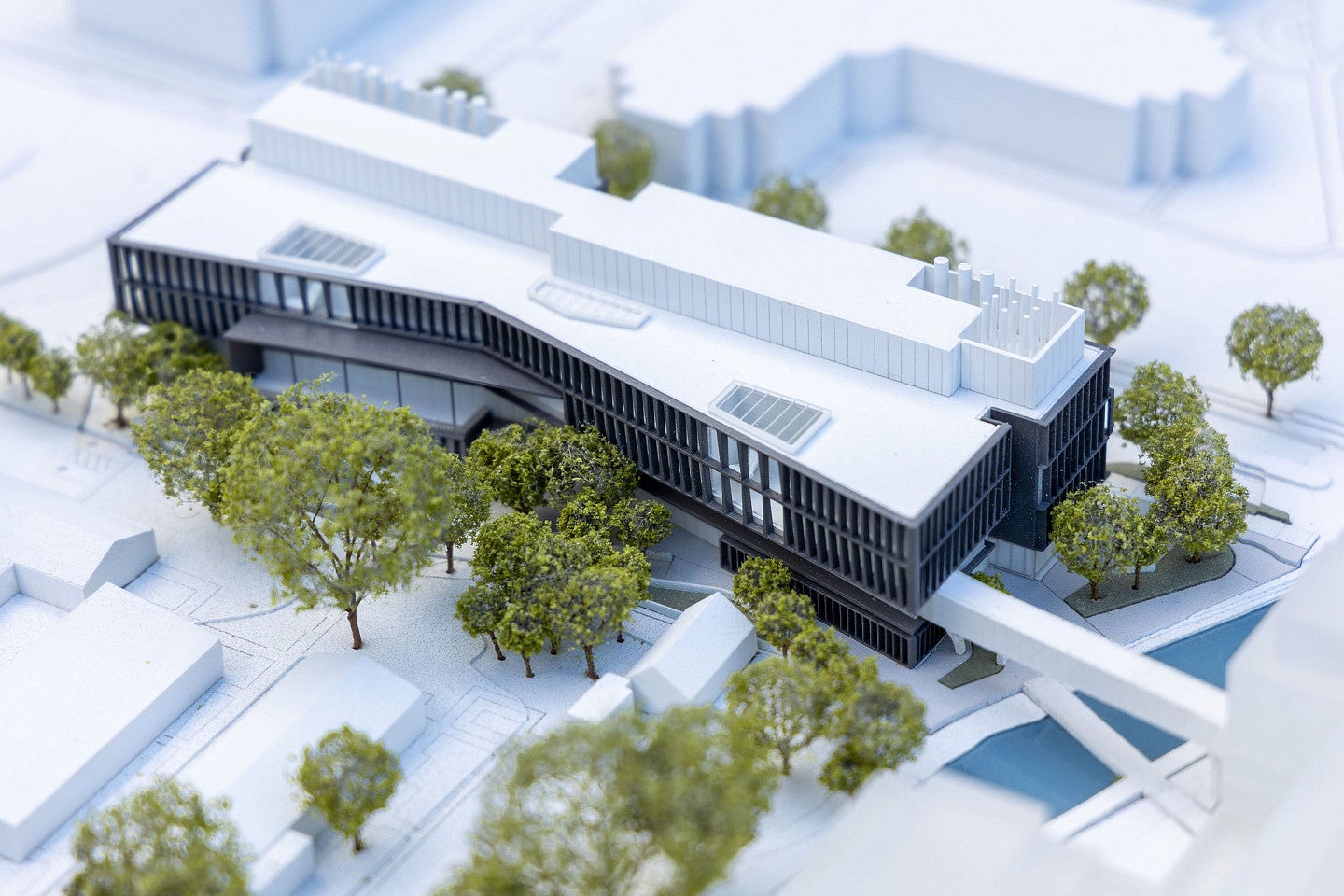
The Knight Campus released design details for its second major science building at an event in May. Knight Campus Building 2, as revealed in artist renderings and virtual video flythroughs, is a 185,000-square-foot, multi-story bioengineering and applied science research facility now under construction at 1100 Riverfront Parkway in Eugene.
Designed by Portland-based ZGF Architects, Building 2 is intended for research and development of new biomedical technologies with additional room for its expanding academic programs. The design emphasizes engineering research and training with amenities that include student maker spaces for students to learn, prototype and test their inventions. It is expected to house 17–20 research groups focused on bioengineering and biomedical computational science.
"Building 2 will enable us to grow our critical mass of talent and encourage the convergence of science, technology, and people," said Robert Guldberg, Vice President and Robert and Leona DeArmond Executive Director. "Building 2 puts the 'Campus' in Knight Campus creating the space for engineering with an emphasis on meeting the needs of engineering students who will train there to become the biomedical innovators of tomorrow."
The exterior of Building 2 takes inspiration from the faceted façade of Building 1 and the elegant, biomaterial scaffoldings created in Knight Campus labs — including the graceful custom implants from the Guldberg Lab and the intricate micro 3D scaffolds from the Dalton Lab. The new building will include a public café alongside the Millrace, a floating central staircase, an open-air courtyard and the second of two Papé Family Innovation Center facilities, offering individual modules that companies can lease, providing flexibility for biomedical startup companies.
Building 2 will also include a Biofabrication and Bioanalysis Core Facility that will allow researchers to use high-throughput technology to understand and then develop synthetic cells, tissues, and organs. It enables the development of new personalized medical tools that could be used to monitor health, regenerate new tissue, and treat cancer and other ailments.
The unveiling event in May included a presentation about the vision and mission of the campus, its expanding societal impact, and what Building 2 will mean for students, faculty, research staff, entrepreneurs, and other users of the space. Along with ZGF designers, construction team members from Hoffman Construction LLC displayed posters, models and materials and answered questions. Those attending included UO President Karl Scholz and former U.S. Rep. from Oregon Peter DeFazio.
Building 2 is part of Phase 2 of Knight Campus development and is made possible by a second $500 million gift from Penny and Phil Knight for the campus bearing their names. Additionally, the Oregon legislature has approved $10 million to support cutting-edge technologies in Knight Campus Building 2. "With the addition of Knight Campus Building 2, we are still just getting started," Guldberg said. "The buildings — made possible through the Knights' visionary partnership — are scaffolds into which our donors and partners allow us to build world-class academic, research, and innovation programs."
Student Success
Student Success
Bioengineering Program Attracts Top Talent
The Knight Campus welcomed the latest group of PhD students in the fall term of the 2023-24 academic year as part of the fourth cohort for the Department of Bioengineering. The majority of the cohort are new graduate students to the department along with students working in Knight Campus labs from a variety of other science disciplines at the UO and one visiting PhD scholar. Students in this cohort come from Oregon, from across the country, and from around the world, including Ghana, India, and China.
The cohort experience began with Impact Week, the Knight Campus Department of Bioengineering's signature orientation and training program for incoming PhD students. An intensive, five-day series of workshops and applied trainings, the program is designed to jumpstart students' professional growth and accelerate their careers as independent applied scientists and engineers. It provides critical skills in science communications, innovation and entrepreneurship, and design thinking.
As the week unfolded, students gained firsthand experience with story templates and rubrics, practicing cognitive empathy, designing for the end user and many other concepts. Teams took on a design thinking challenge to develop and pitch a prototype in one hour and students delivered and redelivered their "science stories" — personal statements that got to the heart of their scientific interests and personal backgrounds. The week culminated with a final presentation before an audience of Knight Campus graduate students and a happy hour celebration on the Knight Campus Terrace.
Knight Campus Department of Bioengineering
Academic Year 2022–2023
Total Enrolled PhD Students – Spanning 3 Cohorts | 26 |
Master's Student Graduates | 2 |
PhD Students Supported by Competitive External Fellowships | 9 (of 26) |
New Recruits for Fall 2023 | 8 |
Student Success
KCGIP Welcomes 2023 Cohort
The Knight Campus Graduate Internship Program (KCGIP) welcomed its latest academic cohort of 83 students in June with a Professional Development and Orientation Week designed to support students in the accelerated master's program as well as their future careers.
KCGIP is nationally recognized for its innovative approach to graduate education — designed to meet the technology needs of industry. Students in the 25-year-old program can pursue specializations in bioinformatics, molecular sensors and biotechnology, optics, polymers, photovoltaics and semiconductors, and a soon-to-be-added data science track.
The week-long orientation, which preceded the start of immersive technical coursework, focused on building community and cultivating strong professional relationships while introducing students to a breadth of leadership topics. Workshops covered themes of active listening as a leadership tool; work-life balance and mental health; introduction to DEI; and conflict-resolution.
Throughout the week, students built community with each other during coffee breaks, catered lunches, and small group workshop discussions. Participants were also able to put their networking skills to use and begin engaging with corporate partners during an afternoon mixer with 32 KCGIP alumni in attendance representing 21 companies.
Knight Campus Graduate Internship Program (Master's)
Academic Year 2022–2023
2023 Master's Student Graduates | 72 |
2022 Graduates Placed/Hired in Industry (w/in 3-mos. of graduating) | 71 (88%) |
New Recruits for Summer 2023 | 83 |
KCGIP Benefits from $1 Million Future Ready Oregon Grant
A $1,039,835 grant from Workforce Ready: Innovation in Workforce Programs has been awarded to the UO, with Stacey York, Senior Director of Professional Development and Workforce Readiness, serving as principal investigator. It expands the UO's $4.3M NSF Oregon Pathways to Industry Research Careers Program with more scholarships, mentors, and research training opportunities for low-income students moving from community college to a KCGIP master's degree.
Over 130 students were supported by Knight Campus funded scholarships/fellowships in AY23 in the KCGIP, BIOE and the Knight Campus Undergraduate Scholars Program.
Student Success
A Comprehensive Experience for Next Generation Researchers
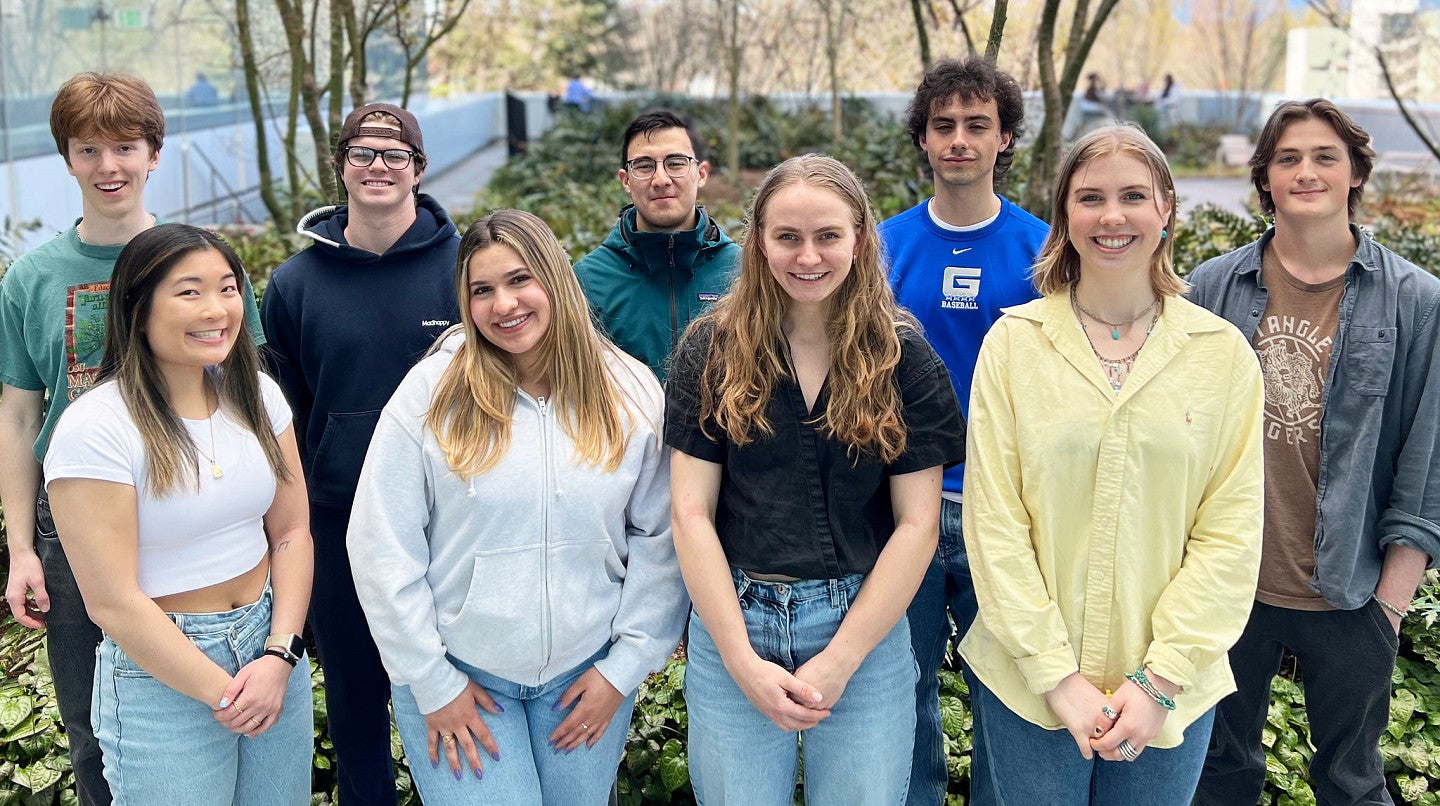
The Knight Campus Undergraduate Scholars (KCUS) program is a comprehensive research experience designed to develop the next generation of leading researchers. The program immerses a cohort of undergraduate students in a full year of research in a Knight Campus affiliated lab, including labs that are members of the Wu Tsai Human Performance Alliance at Oregon.
This year's fifth cohort of 20 members is the program's largest group yet. It includes Alexandra Aeschliman, a biochemistry major with a minor in bioengineering from Beaverton who is set to graduate in 2026. Aeschliman spent her year in the Benoit Lab working with her mentor, Guilherme Rocha. Her KCUS scholarship was sponsored by Thermo Fisher Scientific, one of many donors who fund the program.
"I applied to be a scholar because I wanted to participate in biomedical research that will have powerful applications, within a state-of-the-art facility," Aeschliman said. "KCUS not only allows me to do actual biomedical research, something I want to do as a career, but also help me with networking and strategies for success in academia."
Sixty percent of the 2023 cohort is female and fifty percent are graduates of Oregon high schools. Additionally, half of this year's group represent people of color as well as people who identify with more than one racial or ethnic group.
"This year's cohort is our most diverse yet and represents our commitment to broadening participation in research," said program director Karl Reasoner. "We are excited to see this program continue to grow each year."
Student Success
Knight Campus iGEM Team Set for Paris
Roughly half the world's population is infected with the bacterium H. pylori, a leading cause of stomach cancer and ulcers. A team of undergraduates based in the Knight Campus is working to create a probiotic capsule they hope could be a gamechanger, engineered to specifically target and treat gut infections resistant to antibiotics.
"There are a lot of applications within our ultimate goal, and we are trying to increase the modularity of our system to demonstrate that," said Keane Deas, a member of the team studying biochemistry and biology. "Ideally, our system could be used to target any pathogen and exist as a strong antibiotic alternative."
The UO team is part of the student research competition called iGEM, short for International Genetically Engineered Machine, based in the lab of Department of Bioengineering Professor Calin Plesa. Along with Plesa, the group is being mentored by graduate students, including Madeline Martin and Justin Svendsen in the Hettiaratchi Lab, Anissa Benabbas in the Plesa Lab, and Noora Azadvari in the Hosseinzadeh Lab.
This is the UO's second foray into iGEM — last year's team sought to develop a concussion biosensor. Knight Campus funded this year's team, also supported by the iGEM foundation and money raised through the UO's crowdfunding site DuckFunder. They attended the iGEM 2023 Grand Jamboree in Paris in early November along with more than 400 teams from 66 countries.
Student Success
Inclusion Series, Symposium Prepare Students to be Leaders and Allies
The Knight Campus Graduate Internship Program (KCGIP) hosted its 7th Annual Inclusion Symposium in late August. The capstone of the KCGIP's summer Inclusion Workshops, the series serves to empower students with tools to build the foundational knowledge, empathy, and emotional intelligence necessary to become inclusive leaders and allies as they prepare to begin their careers. Additionally, the series provides a sense of belonging for KCGIP students.
The half-day event included invited speakers, a panel discussion and multiple networking sessions. KCGIP alum Leah Stromberg (Polymers, '16), a technical sales representative at Azelis CASE, kicked off the event with opening remarks. She was followed by student speakers Nav Chidambaram, Dove Enicks and Emma Speight, who shared powerful personal stories.
A Leadership Panel was moderated by Sam Stansell (Semiconductors, '18), a senior quality engineer at QuantumScape. The panel featured Christopher Riley (Semiconductors, '18), staff engineer at Lumotive Inc.; Alex de Verteuil, a senior scientist program manager at Abcam who holds a PhD in Biology from the UO; Boubacar Wane (Semiconductors, '20), metrology engineer at Covalent Metrology; and Carol Guerrero, director of diversity, equity & inclusion at Neurocrine Biosciences.
The keynote speech for the symposium was delivered by Tony Baylis, director of the Office of Inclusion, Diversity, Equity, and Accountability (IDEA) at Lawrence Livermore National Laboratory, who served as a panelist for the 2021 Inclusion Symposium and provided opening remarks at the 2022 event.
Student Success
Sparking STEM Dreams for Local Students
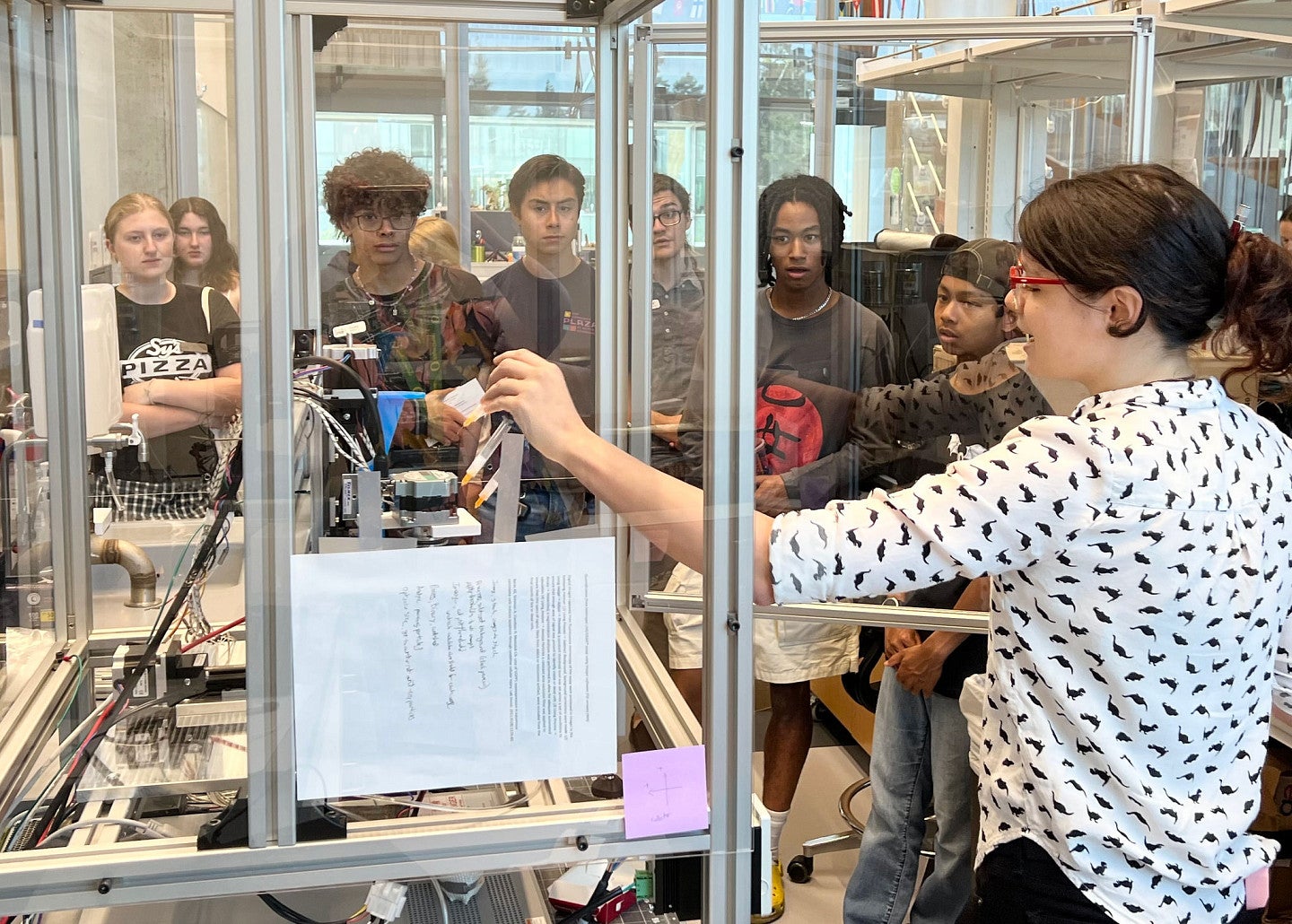
The Knight Campus community took part in a unique opportunity to work with local students interested in science, technology, engineering and math (STEM). The program known as Spark by Connected Lane County seeks to inspire youth through innovation, education and hands-on learning. A group of more than two dozen high school students toured lab, academic, and innovation settings during a July visit to the Knight Campus.
A key focus of Spark is to help students from historically underrepresented groups see themselves in a variety of educational and vocational settings. During their visit, Spark students took a multi-level tour of the Knight Campus, including stops in the Dalton Lab on the third floor, where they were given commemorative keychains made with micro 3D printers in the lab. They participated in demonstrations in the Fabrication Lab and a Q&A session with Knight Campus faculty and students in the Beetham Family Seminar Room.
"It was clear by the student's faces that each stop on the tour made an impact on them and may have helped them start to consider new ideas for a future profession," said Jenni Van Wyk, a Knight Campus student recruiter who helped organize the tours.
Student Success
Bringing Science to the Students
More than a dozen PhD students from the Department of Bioengineering traveled to a local Spanish-immersion elementary school for a science outreach event on May 4. The "May the Fourth Be With You" event was Star Wars-themed, with many participating students and teachers dressed in space-themed costumes.
"Outreach is an important aspect of our mission to advance society through science," said Karly Fear, a second-year bioengineering PhD student who co-organized the event with classmate Justin Svendsen. "It empowers students to be curious and observant and to see themselves as our next generation of scientists and engineers."
Knight Campus students developed and taught science modules on subjects ranging from seeing "the force" with salt on a vibration plate to understanding soil erosion to building paper rockets. The day's activities were funded through Knight Campus Bioengineering Professor Marian Hettiaratchi's five-year, $600,000 CAREER Award from the National Science Foundation.
"I'm really excited about the connection between the research and the education aspect," Hettiaratchi said. "With the Knight Campus, I feel like we're in the perfect place to combine those two things together."
Student Success
Knight Campus Celebrates Three NSF Graduate Research Fellowship Recipients in its First Three Years
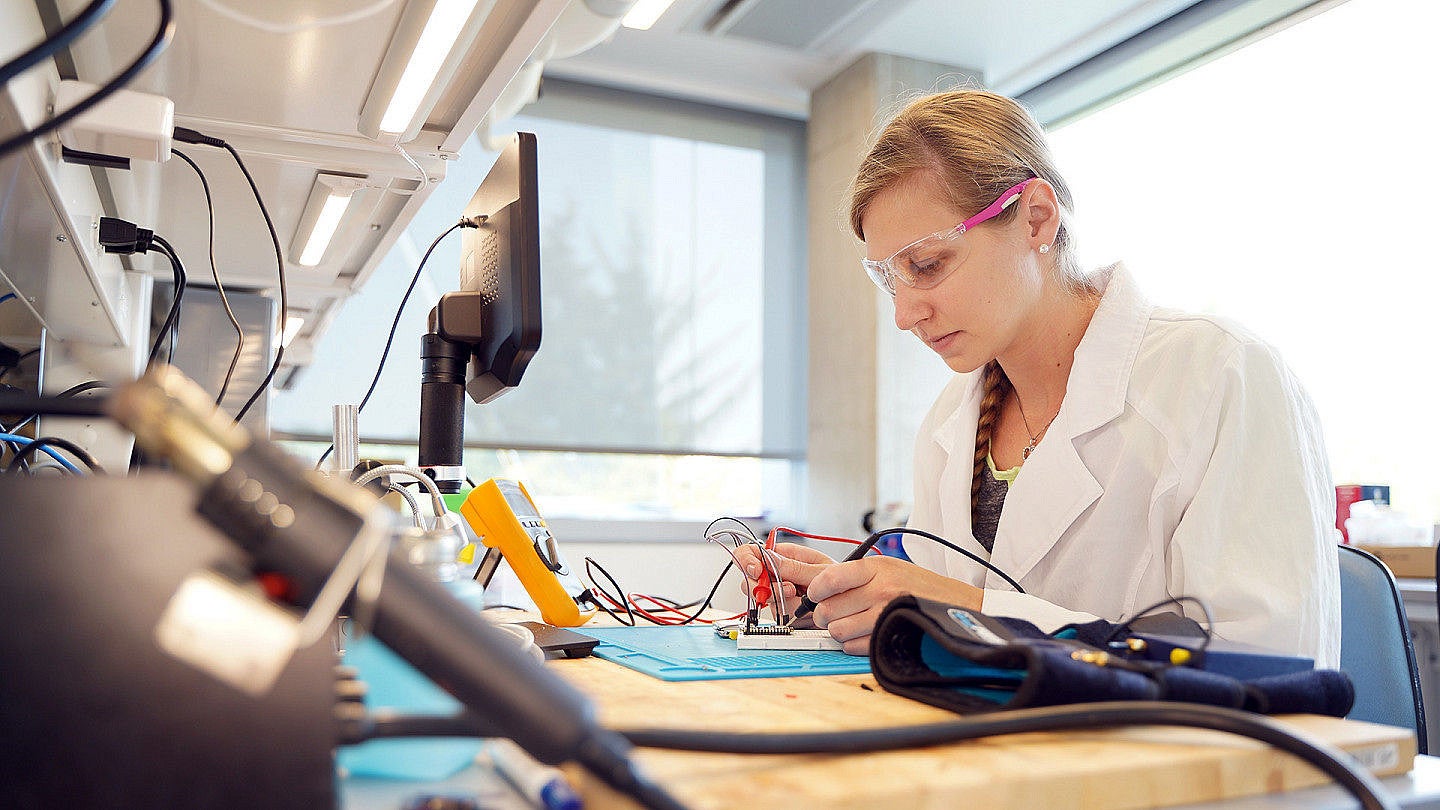
Kaylee Meyers, a third-year bioengineering PhD student, received the prestigious Graduate Research Fellowship Program (GRFP) award from the National Science Foundation in spring 2023. She was the third Knight Campus PhD student in three years to receive the award, which is considered the gold standard in graduate research fellowships and is only handed out to about 2,000 students nationwide.
"I came to the Knight Campus because I believe in the mission to bring more practicality and translatability into a medical-based engineering learning environment," Meyers said. "Personally, I find fulfillment in performing research where I can design and build technologies to help solve problems medical professionals encounter daily and create innovative STEM education programs that will outlive me."
Meyers works in the lab of Knight Campus Professor Keat Ghee Ong. Her research focuses on biosensors and bioelectronics and involves the development of implantable and wearable sensing platforms — specifically, engineering sensors that fully degrade within the body after their functional lifetime is complete.
Knight Campus staff and faculty in the Department of Bioengineering present a series of workshops each year to help prepare students for the GRFP application process. Previous Knight Campus GRF recipients are Yan Carlos Pacheco and Jarod Forer.
Student Success
Training the Next Generation of Human Performance Researchers
One of the big stories that came out of the FIFA Women's World Cup this year was the prevalence of ACL tears, which affect female athletes at a rate three times higher than male soccer players and kept an estimated 25 of the world's top female soccer players on the sidelines.
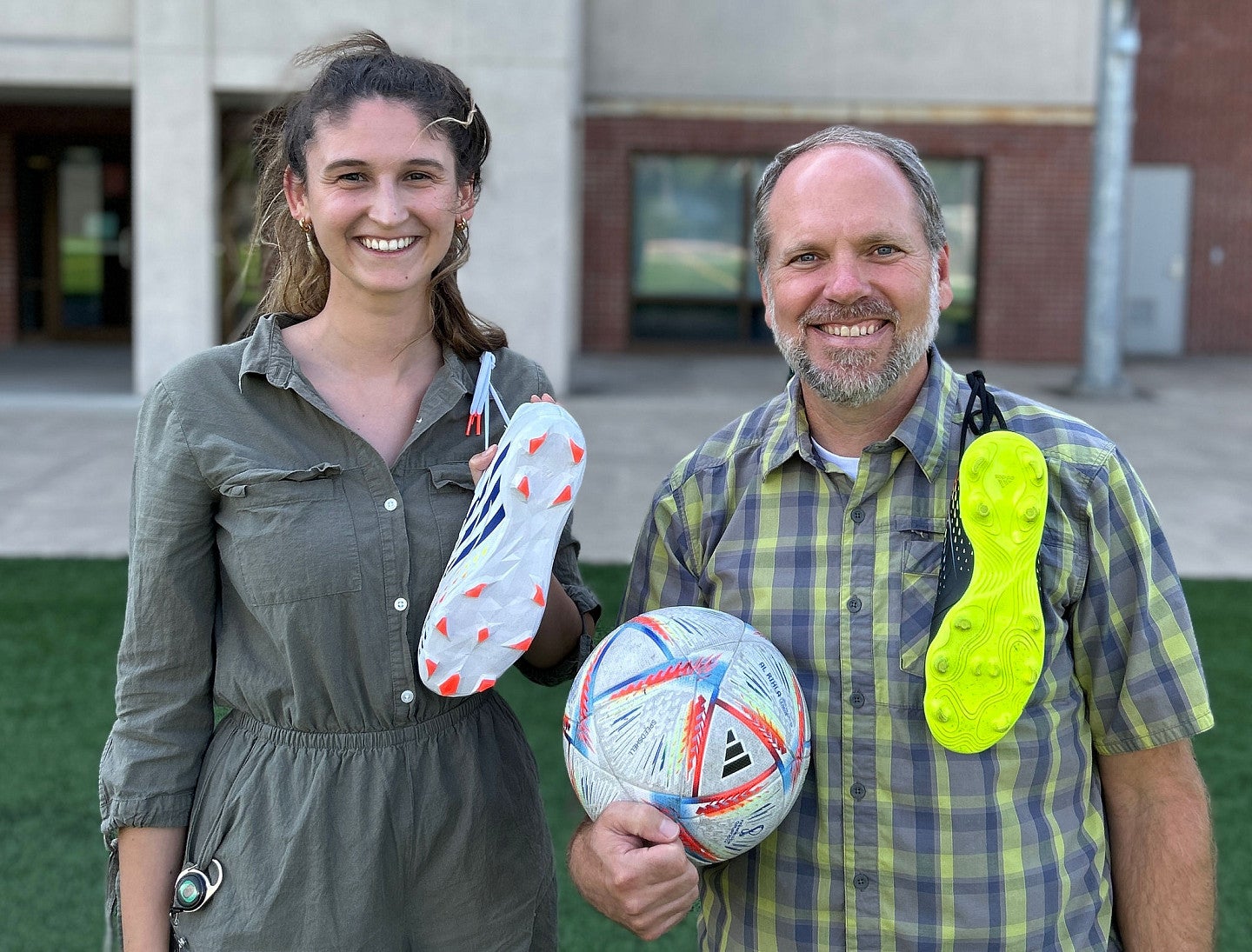
Emily Karolidis, a PhD student studying footwear biomechanics out of the Bowerman Sports Science Center, is attempting to address this injury plaguing female soccer athletes. With support from the Wu Tsai Human Performance Alliance at Oregon, her research looks to performance footwear as a potential avenue to reduce injury. Interim findings from the project suggest that soccer cleat stud shape could moderate the risk of torsional injury in female athletes.
"Historically, female athletes must wear cleated footwear designed for and validated according to male mechanics," Karolidis said. Under her advisor, Michael Hahn, the Director of the Bowerman Sports Science Center, Karolidis' dissertation research looks to identify soccer cleat traction properties that reduce the risk of torsional injury in female athletes.
"We need more scientists addressing female athlete research questions specifically," Hahn said. "Emily represents the next generation of human performance researchers, directly shaping the future of footwear biomechanics and product design." This study was financially supported by the Wu Tsai Human Performance Alliance and the Joe and Clara Tsai Foundation.
Research and Award Highlights
Research and Award Highlights
Building Better Bones, the Topic of Science Knight Out Talk
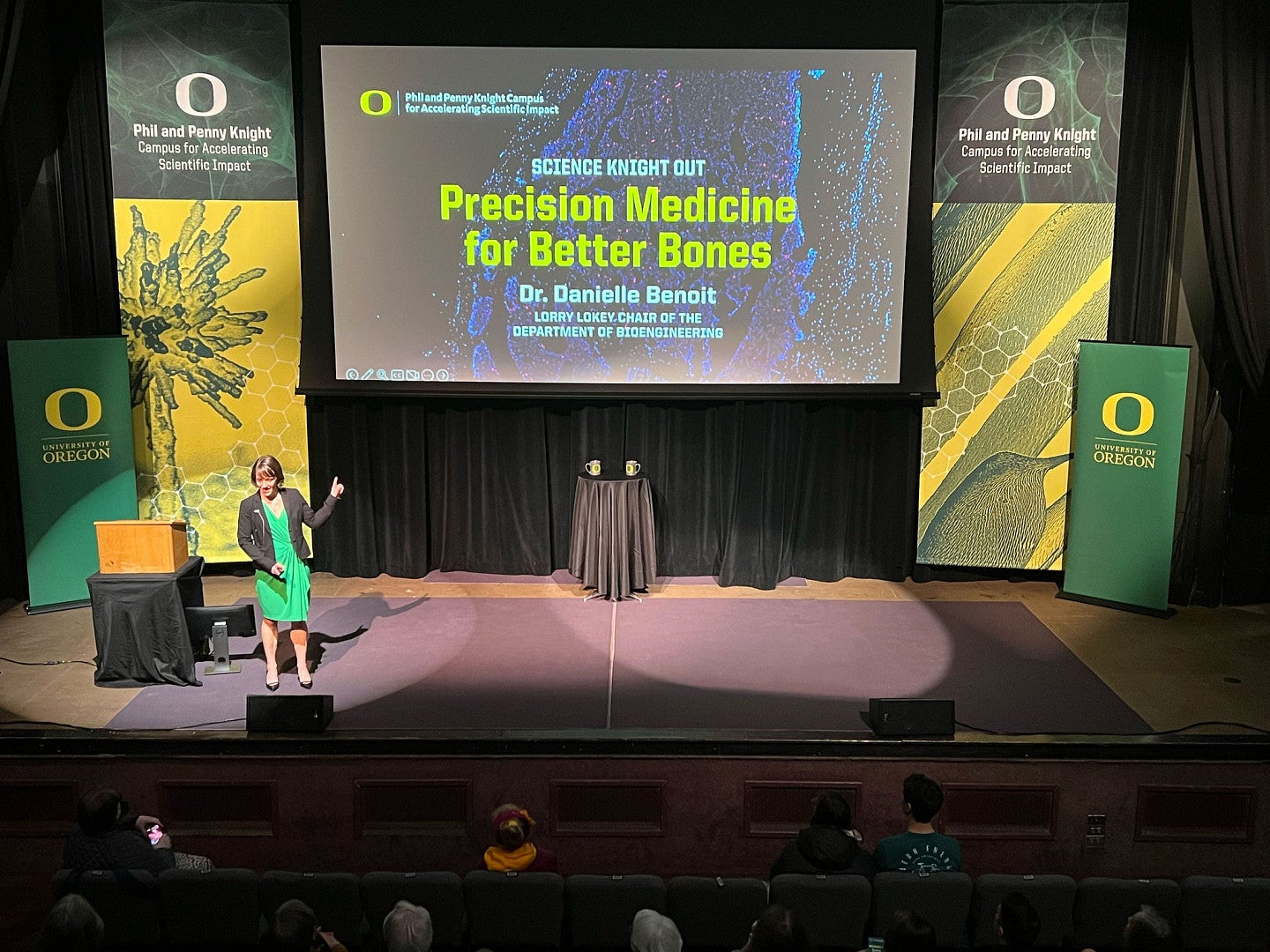
How can we make bones heal better, enabling people to recover more quickly after suffering from injury or disease? For the 1.5 million people who suffer fractures related to osteoporosis each year, it's a $20 billion question. For bioengineer Danielle Benoit, it's the subject of her life's work.
"I wake up every morning and think about bone," said Benoit, a professor at the Knight Campus and the Lorry Lokey Chair of the Department of Bioengineering, who is seeking to develop therapeutic strategies to improve bone health.
In her April 2023 community science lecture, "Precision Medicine for Better Bones" at the John G. Shedd Institute for the Arts, Benoit explored the science behind better bones and detailed some of the ways she and other researchers are developing new biomaterials and applying precision medicine to create better outcomes for patients. Benoit's talk marked the seventh installment of the Science Knight Out lecture series, which was launched in 2017.
An NIH- and NSF-funded researcher, Benoit specializes in the design of materials to improve disease treatments and expedite recovery from injuries. Her work has provided insights into the translation of tissue engineering strategies for bone healing and development of tissue models to discover new drugs and drug delivery systems.
This work has led to ten patents and direct impact in several applications. In bone regeneration, Benoit has discovered new ways to control key interactions responsible for recreating bone and ensuring that critical processes happen at the correct times. In drug delivery, she has worked in tissue targeting approaches that zero in on target areas without affecting surrounding tissues, including for chemotherapy.
"Chemotherapies are notoriously challenging. You're always walking a fine line between harming your patients and getting rid of the cancer cells," she said. "We are developing our drug delivery systems so you don't have to be so close to that line, where you can precisely deliver drugs to the tumor."
Benoit Honored as BMES Fellow
Danielle Benoit was elected to the 2023 class of Biomedical Engineering Society (BMES) Fellows.
"This is a significant recognition in our field for individuals who have demonstrated exceptional achievement and impact in biomedical engineering," said Robert Guldberg, Vice President and Robert and Leona DeArmond Executive Director of the Knight Campus. The Biomedical Engineering Society awards Fellow status to members who demonstrate exceptional achievements and experience in the field and hold a record of membership and participation in the Society.
Research and Award Highlights
Faculty in Action
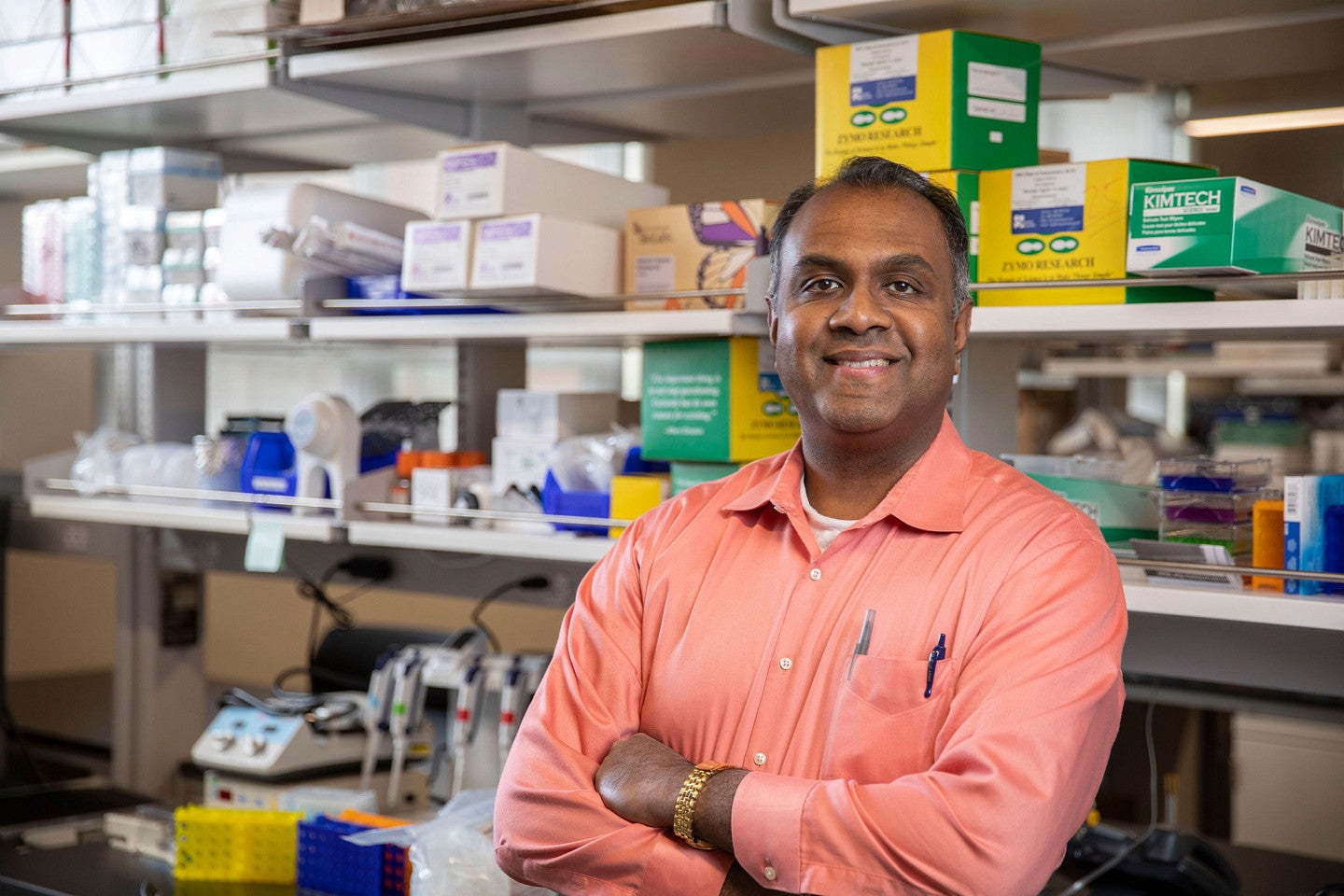
Bala Ambati
Seeking a Better Understanding of the Cornea with Far-Reaching Consequences
Having solved the long-standing mystery of what keeps the cornea free of blood vessels, researchers in the lab of Knight Campus ophthalmologist and research professor Bala Ambati continue to seek a better understanding of the molecular mechanisms behind new blood vessel growth in the eye — ocular angiogenesis. Researchers in Ambati's group have identified the protein sVEGFR-1 as the prime mediator of a blood vessel-free cornea, and the lab is actively engaged in repurposing pergolide to increase local nerve growth factor production for the treatment of corneal nerve damage.
"We have a fantastic team, from undergrads to PhDs, who are laser focused on treating blinding conditions," Ambati said. "With the supportive environment of the Knight Campus, we hope we can deliver new treatments for unmet medical needs for multiple eye diseases."
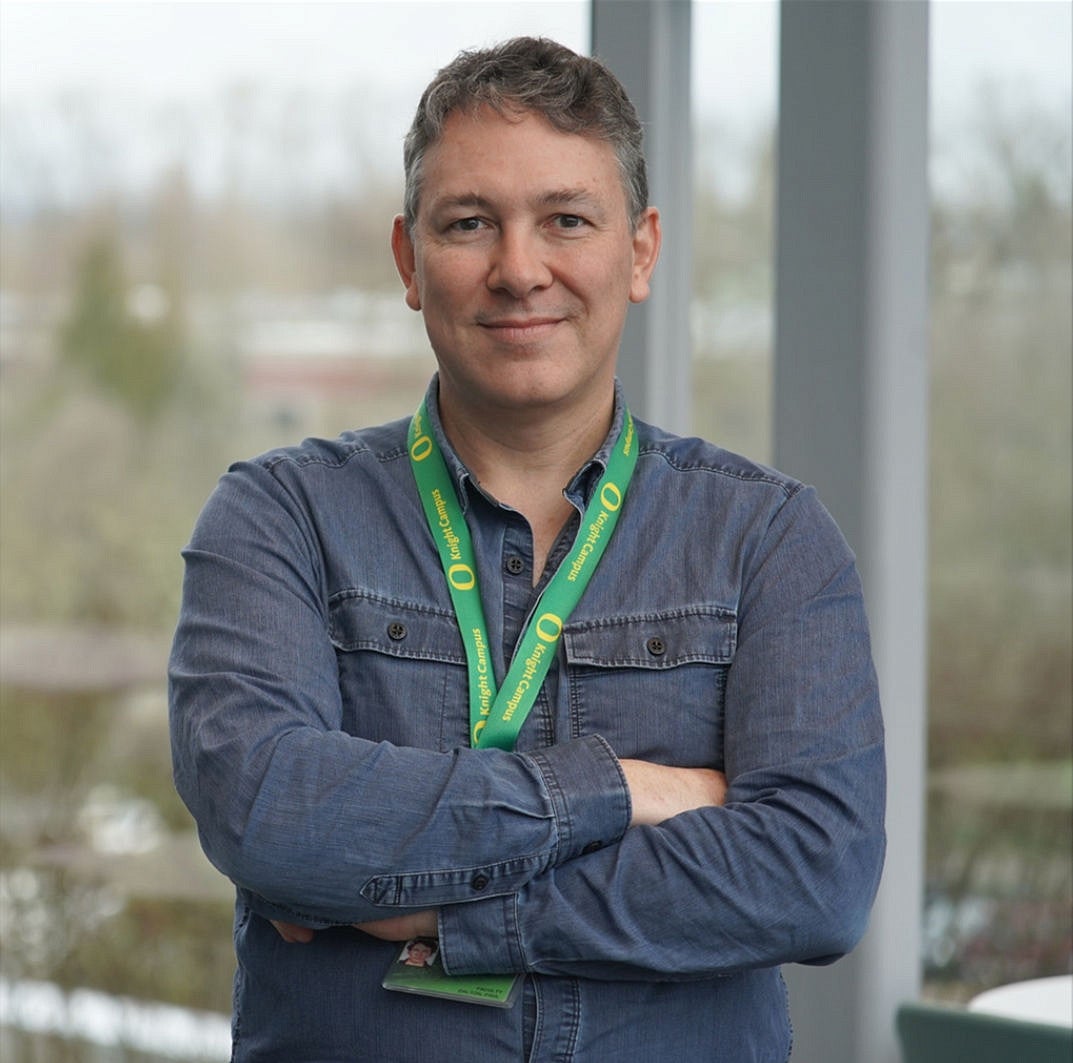
Paul Dalton
Micro-3D Printing Pioneer Paul Dalton Receives Research Professorship
Through his research and innovation activities, materials scientist and micro 3D printing pioneer Paul Dalton is helping to re-envision the future of advanced biomedical materials manufacturing. As the newly named Bradshaw and Holzapfel Research Professor in Transformational Science and Mathematics, Dalton will be able to further push the limits of high-resolution fabrication. Dalton is the second recipient of the endowed professorship, following UO chemist Darren Johnson.
Dalton has published more than 100 research articles and is credited with inventing and developing melt electrowriting as a distinct class within 3D-printing. He made waves with a recent paper providing an instruction plan for affordable, open-source microscale 3D printers, on a mission to make the technology — used in tissue engineering, cancer research and biofabrication — accessible to researchers around the world.
"I'm tremendously grateful for the vote of confidence and the opportunities this endowed position affords," Dalton said. Dalton will hold the professorship for five years, supporting a sustained hardware outreach campaign for the Dalton Lab to design, build and promote advanced open-source 3D printers.
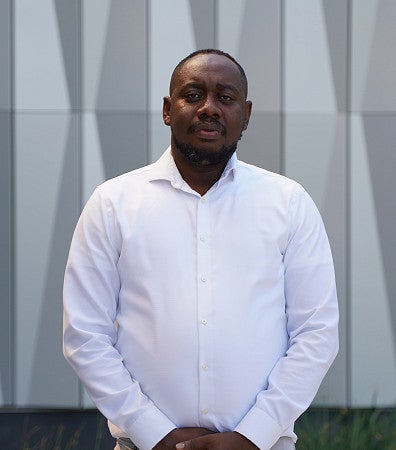
Felix Deku
Grounded in Science, Driven by Unmet Clinical Needs
Microfabrication expert and neuroengineer Felix Deku continues his quest to develop the next generation of neural interface technologies. The mission of the Deku Lab is to develop materials, devices, and therapeutic approaches for neural interfacing grounded in science and driven by the vision of treating specific unmet clinical needs.
"Our objective is to pioneer the development of advanced neural implants that will empower the neuroscientific community to delve deep into the enigmatic complexities of the human brain," Deku said. A long-time collaborator of Tim Gardner's, Deku joined the UO as the result of an international search for a second Knight Campus lab in neural engineering.
Deku and his team are initially focused on high-density, flexible microelectrode arrays for cortical interfacing — created from amorphous silicon carbide or polymer films — holding potential for targeting vision restoration, epilepsy, paralysis, Alzheimer's and Parkinson's disease.
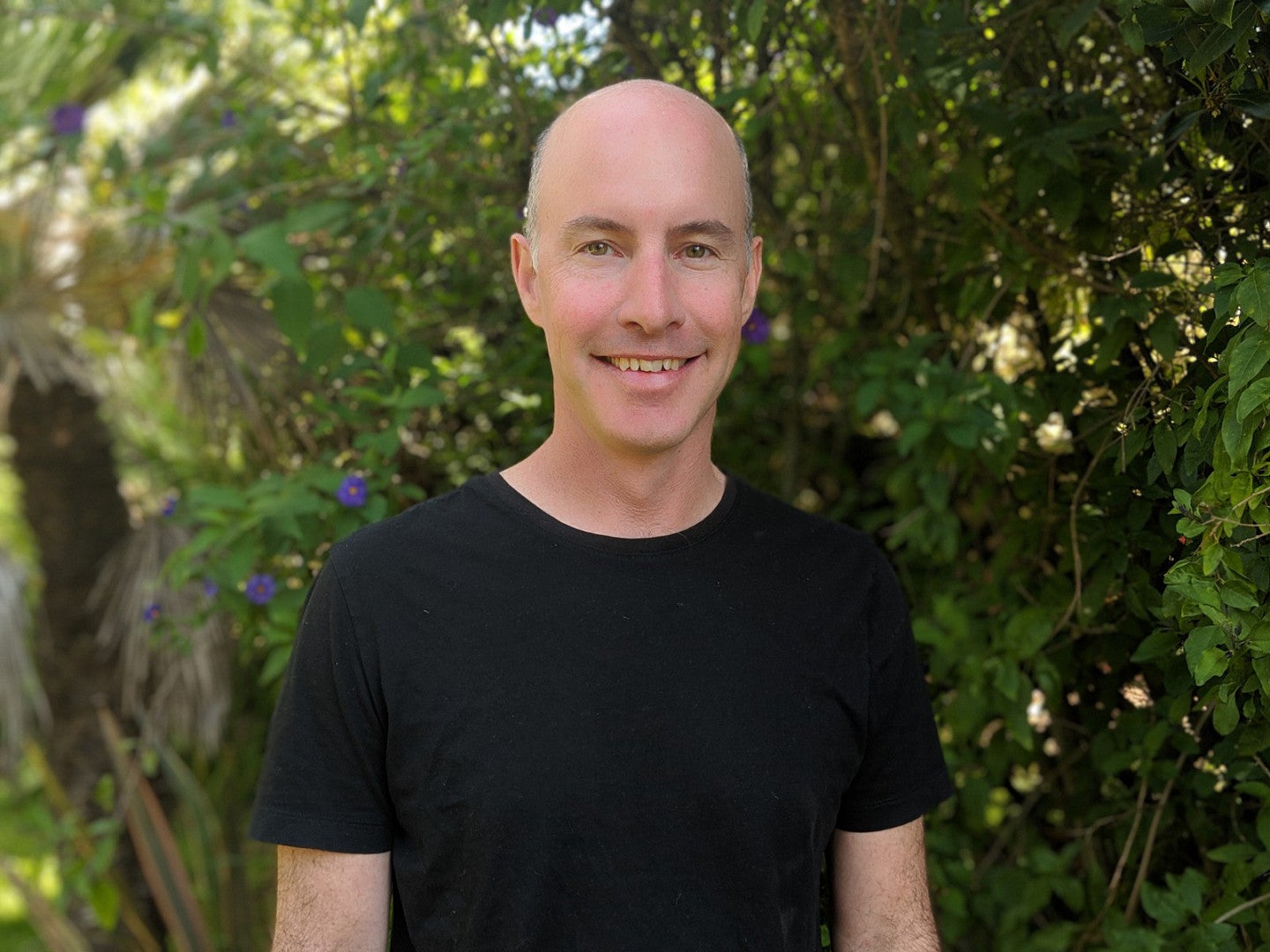
Tim Gardner
New Neural Engineering Efforts Could Enable More Efficient Device Fabrication
New neural interface development and microfabrication research from the Gardner Lab enables ultra-small device fabrication and paves the way for new studies examining brain electrode geometry and performance. Published in Nature Communications, the paper "Direct laser writing of 3D electrodes on flexible substrates" addresses the need for new high-density neural recording technologies for animal studies and human clinical devices.
"We have established a process to create 3D electrodes with flexible geometry fabricated at micron resolution," Gardner said. "The method involves the integration of two techniques that have not previously been brought together — direct laser writing of polymers, and clean-room microfabrication of thin films."
Researchers in the Gardner Lab continue addressing fundamental questions about how neural circuits self-organize and how trial and error learning builds skilled motor behaviors, using songbirds as a model system for studying neural circuit dynamics.
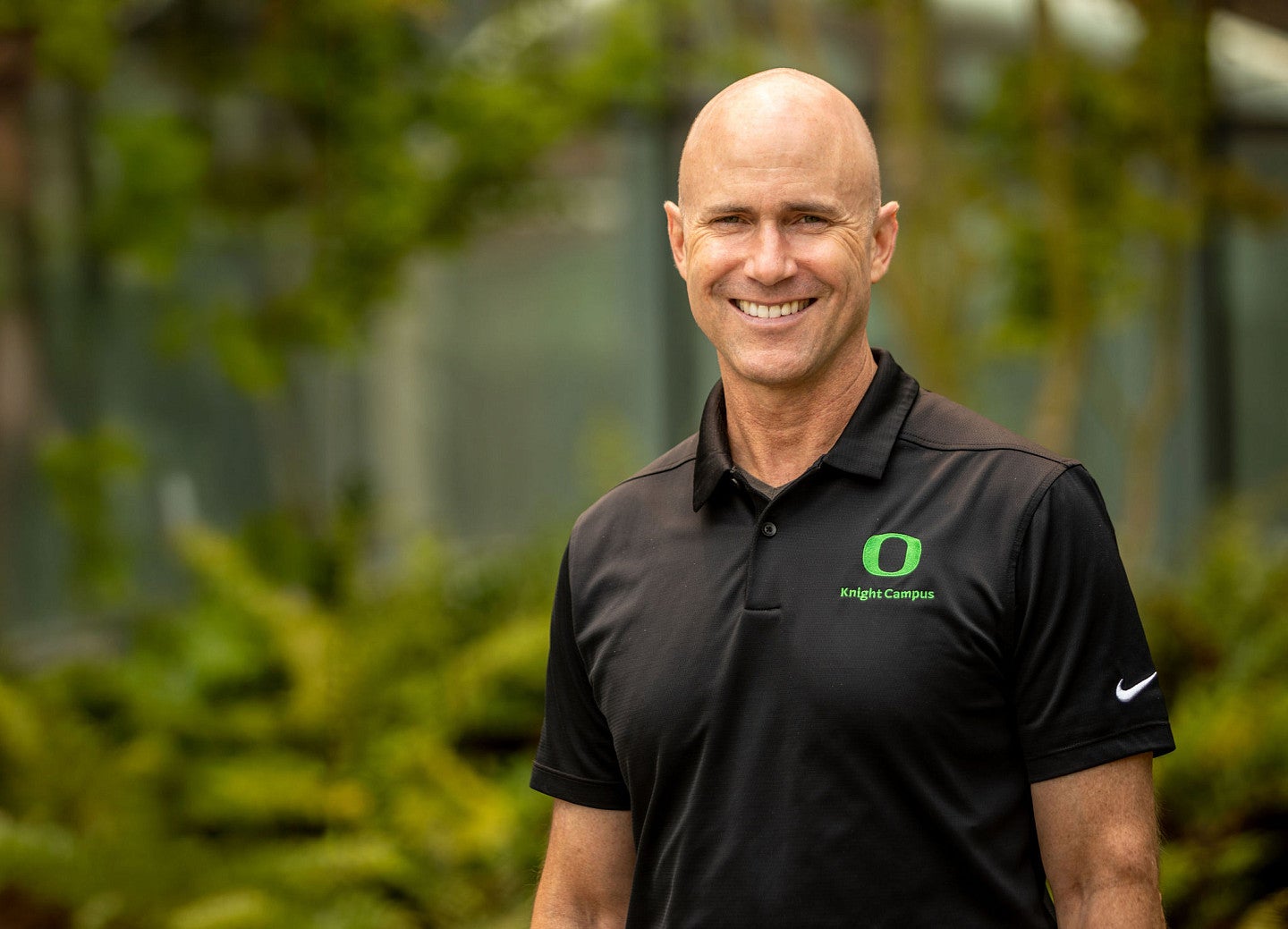
Robert Guldberg
New Insights into Immune Health
Recent advances in high-throughput biochemical assays have enabled unprecedented insight into a patient's immune health. Now, researchers believe these tools could help orthopaedic surgeons provide better treatment to victims of traumatic limb injury — a leading cause of permanent disability in both military service members and civilians — the goal of trauma immunology research funded by a recent $2 million U.S. Department of Defense grant involving researchers in the Guldberg Lab.
"We have integrated these technological advancements with machine learning data analytics to show in preclinical models that we can predict trauma outcomes," said Robert Guldberg, a principal investigator on the grant. The focus is nonhealing bone fractures, known as bone nonunions, which affect hundreds of thousands of Americans each year and can take months to diagnose — often too late to save the patient's limb.
Sen. Jeff Merkley was instrumental in advancing appropriations funding for trauma immunology research. In FY2022, Congress added $5 million in funding, increased to $10 million in FY2023, with Sen. Ron Wyden and U.S. Rep. Val Hoyle also advocating for continued federal support.
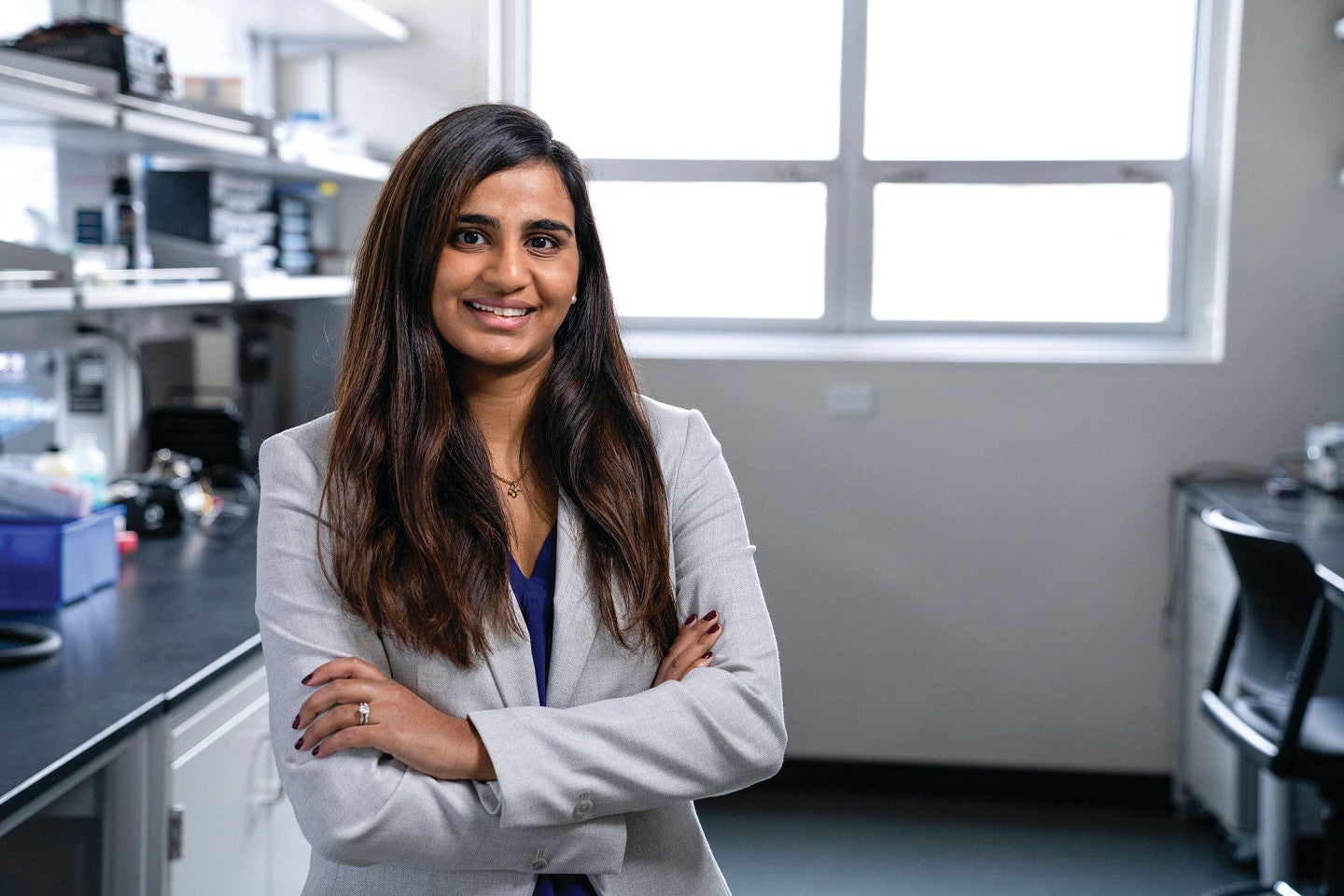
Marian Hettiaratchi
Promising Proteins: Hettiaratchi Receives Prestigious NSF CAREER Award
Stem cells hold tremendous promise for treating injury after tissue loss, but their short lifespan has limited their potential after transplantation. Assistant Professor Marian Hettiaratchi aims to develop biomaterials to prolong the therapeutic effects of stem cell-secreted proteins, thanks to a five-year, $600,000 CAREER Award from the National Science Foundation.
Instead of bulky metal plates and screws, bone fractures might someday be healed via targeted, controlled delivery of a specialized bone-growth protein. Researchers in the Hettiaratchi Lab have developed a system using small proteins called affibodies, engineered to grab onto specific other proteins and release them at different rates — reported in a paper published in Advanced Healthcare Materials, with a patent filed for the BMP-2 delivery strategy.
"The promise of stem cells has not been fully realized, as most stem cells transplanted into the body after injury die rapidly after transplantation," Hettiaratchi said. "Our goal is to capture and concentrate these potent, cell-secreted proteins to enhance and prolong their therapeutic effects beyond the initial period of stem cell survival."
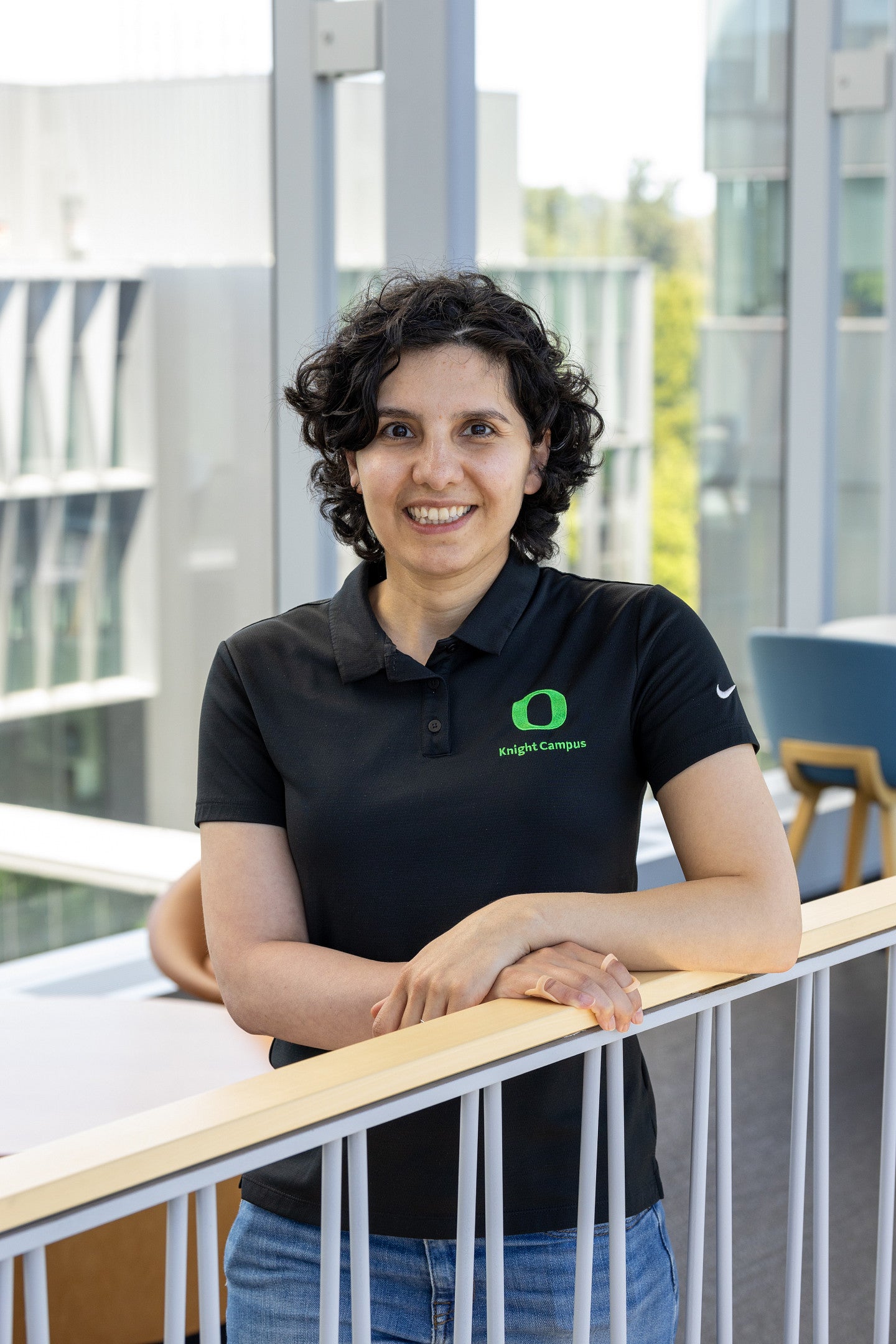
Parisa Hosseinzadeh
Designing Novel Proteins to Improve Life
A computational biochemist invested in developing new tools to enhance human life — especially through structure-guided rational protein/peptide design and the use of large data — Assistant Professor Parisa Hosseinzadeh continues to work with her team to develop novel solutions for biomedical challenges of the 21st century.
Current areas of focus include functional peptides (naturally occurring peptides attractive as therapeutics due to their small size, stability, and ease of synthesis), novel functional proteins, and protein design for understanding the hub-protein networks central to diseases such as cancer. "The philosophy of the Hosseinzadeh Lab is to push the boundaries of science in a collaborative, inclusive, and friendly environment," she said.
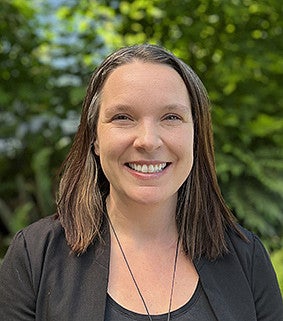
Gabriella Lindberg
Design Challenges of Cartilage Regeneration
Imagine an internal bandage that can build itself inside our bodies to help repair damaged tissues. Researchers in the lab of Knight Campus assistant professor Gabriella Lindberg are exploring just such a possibility for cartilage regeneration, detailed in the paper "3D-Bioassembly of VH-Spheroids for Cartilage Regeneration" in Advanced Materials Interfaces.
"The ultimate goal of stimulating cartilage growth is to help patients with degenerative joint diseases such as osteoarthritis," said Lindberg, senior author on the paper. The therapy involves vitreous-humor (VH) spheroids — collections of cartilage-regenerating cells and proteins encased in a spherical gel — found to be highly effective in directing new cartilage tissue growth.
"Using VH spheroids, we are hitting two birds with one stone," Lindberg said. "We can guide cells to grow new cartilage tissue within implants while further encouraging cells to migrate across to adjacent tissues to integrate with the host cartilage."
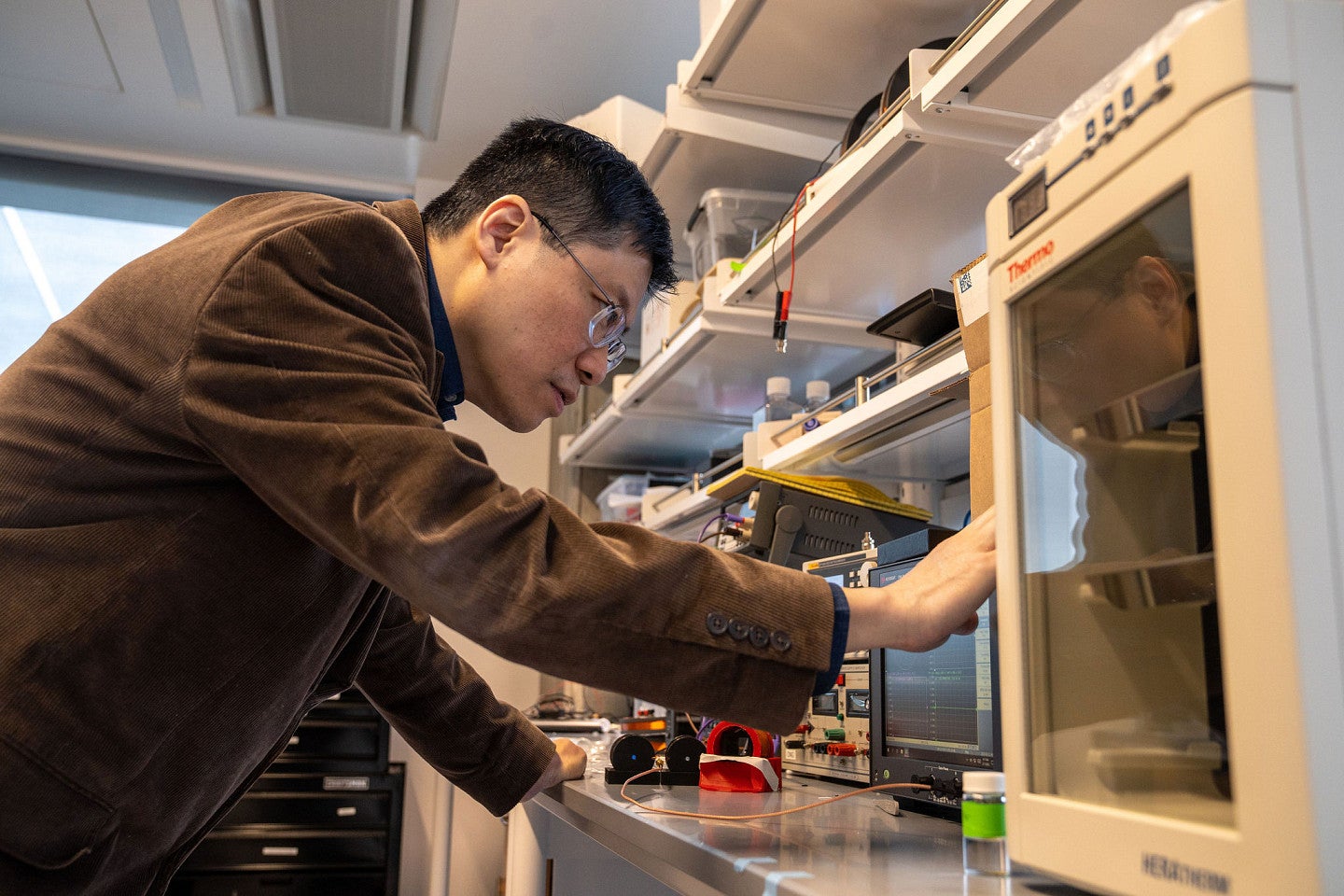
Keat Ghee Ong
Addressing Health Care Equity Through Innovation
A timely innovation that improves health care equity and could reduce errors in medical decision making is the goal of a research project in Knight Campus professor Keat Ghee Ong's lab, funded by NIH grants through a Small Business Technology Transfer program. The team is seeking to develop a better pulse oximeter — devices that determine oxygen levels by shining visible and infrared lights through the finger have a major flaw: they don't work well for patients with darker skin tones, leading to inaccurate diagnoses.
Researchers in the Ong Lab are addressing the challenge with a combination of innovative technology and computational approaches, developing a color imagery platform that creates a digital representation of different skin tones to ensure an accurate reading no matter who you are.
Ong received the 2023 Innovation and Impact Award from the Office of the Vice President for Research and Innovation. His research centers around implantable sensors, wireless sensors, electronic devices, and magnetoelastic materials. He has founded multiple companies to commercialize his and other technologies, including Penderia Technologies, founded in 2020 with Robert Guldberg, which has received SBIR funding from the U.S. government and plans to submit its suture button product for FDA approval this year.
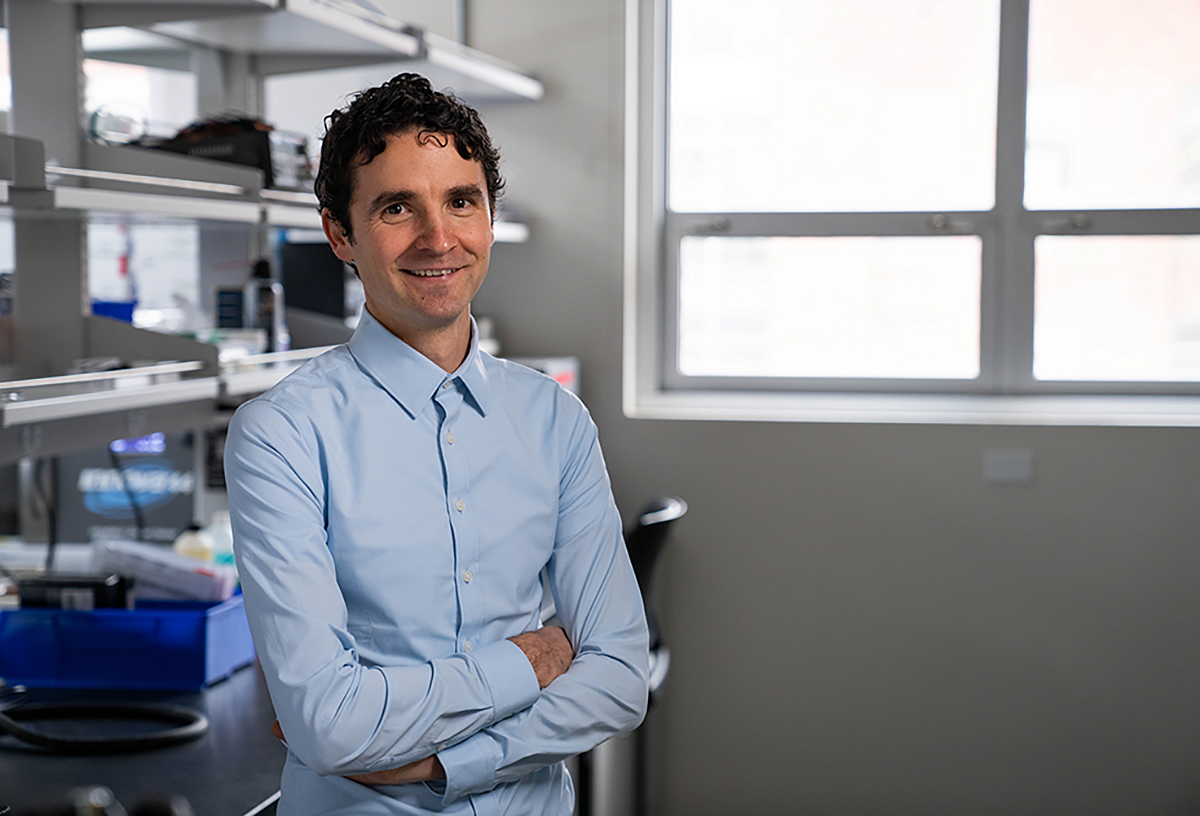
Calin Plesa
Improving (and Lowering the Cost of) Gene Synthesis
Gene synthesis — building synthetic genes from small chemically derived fragments — is used in nearly all areas of life sciences research, including studies on how mutations influence disease and the development of new therapeutics. Researchers in the lab of Knight Campus Assistant Professor Calin Plesa are developing technologies for large-scale gene synthesis, accelerating the pace at which scientists understand and engineer biological systems, particularly proteins.
"These technologies allow us to both access the huge sequence diversity present in natural systems as well as carry out testing of rationally designed hypotheses encoded onto DNA at much larger scales than previously possible," Plesa said. Plesa developed a method called DropSynth, which allows the generation of large libraries of thousands of genes and functional testing of designed mutations at relatively low cost.
In March, Plesa delivered his tenure review seminar, "Exploring Biological Sequence Space at Scale," explaining the DropSynth process and new derivative methods under development that increase the scale and lengths of gene assemblies possible.
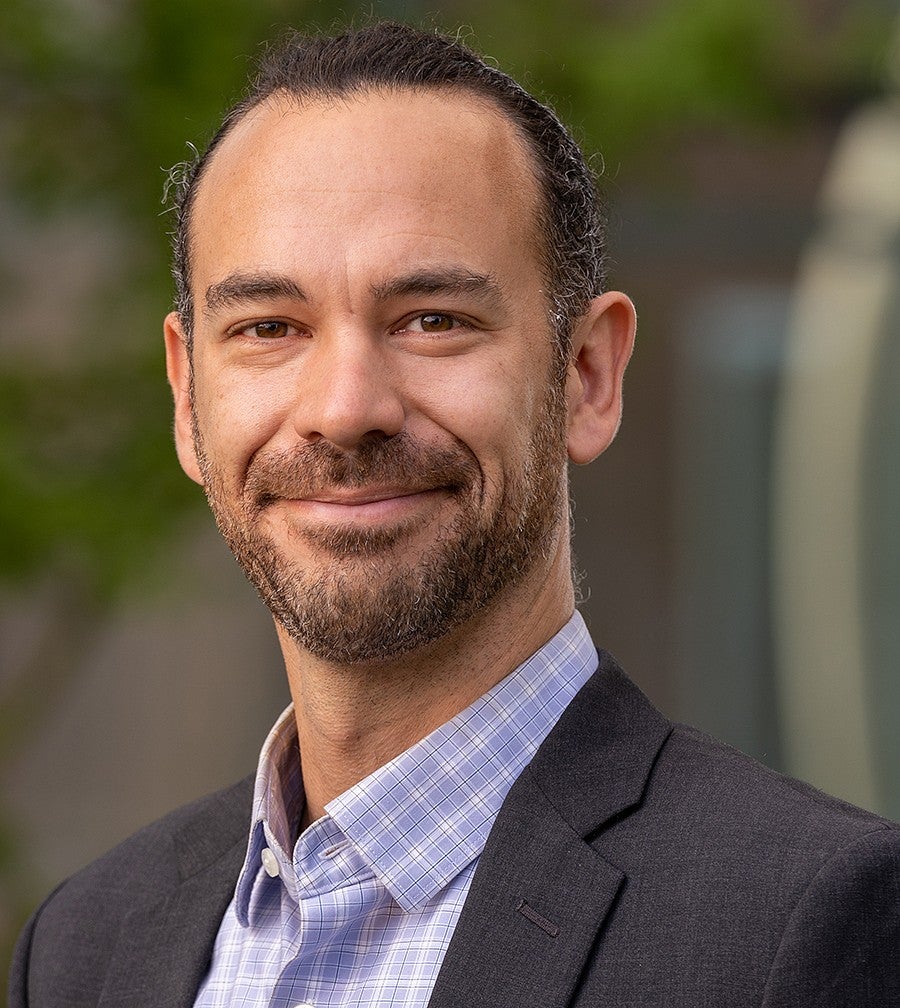
Nick Willett
Biomedical Engineer Nick Willett Sits at the Interface of Engineering and Clinical Practice
Nick Willett has brought his expertise in tissue engineering and regenerative medicine therapies for musculoskeletal injury and disease to the Knight Campus. Using combinations of stem cells and biomaterials, the Willett Lab is developing novel technologies and therapies to create new tissues and regrow and repair musculoskeletal tissues after loss due to disease, trauma or age — working primarily with bone, muscle and cartilage to treat ailments from degenerative diseases to sports injuries and traumatic injuries. One major focus is arthritis, which affects an estimated 23% of all adults in the U.S. — over 54 million people.
"I like to sit at the interface between engineering and clinical practice and to collaborate with people on either side to help bridge engineering (and medical) technologies," Willett said. Regenerative rehabilitation is one area of research emphasis for the Wu Tsai Human Performance Alliance, and Willett is leading the initiative to help athletes and the general public recover from injuries more quickly and effectively — replacing well-worn methods of treating injuries with metal screws and pins with groundbreaking approaches to training, treatment, and data analytics.
"The other impact is educating that next generation of biomedical engineers and life science trainees so that they can go out and create better solutions to all of the challenges that are facing us as a society," Willett said.
READ MORE: accelerate.uoregon.edu/noted-biomedical-engineer-joins-knight-campus-faculty
Externally Sponsored Research
Externally Sponsored Research
Highlights & 5-Year Funding / Expenditures
$66.7 M*
Cumulative Research Awards
* Includes known full award amounts, not just funding received to date, and currently goes out to FY30.
Total Number of Proposals Submitted | 56 |
Total Number of New Awards | 21 |
Total Funding Received — All Awards | $8,795,624 |
Total Direct Research Expenditures | $7,145,260 |
Total Number of Labs/PIs | 12 |
Knight Campus 5-Year Research Funding and Direct Expenditures
FY19
FY20
FY21
FY22
FY23
FY19: $367,634 direct / $1,198,821 total; FY20: $750,839 direct / $3,533,165 total; FY21: $2,719,122 direct / $7,694,284 total; FY22: $5,599,335 direct / $9,750,690 total; FY23: $7,145,260 direct / $8,795,624 total.
Philanthropy
$6,603,475
in new gifts and pledges in FY23 — beyond the Knights' visionary philanthropy
$193,399,327
in total cumulative funding, leveraging the Knights' philanthropy, to date
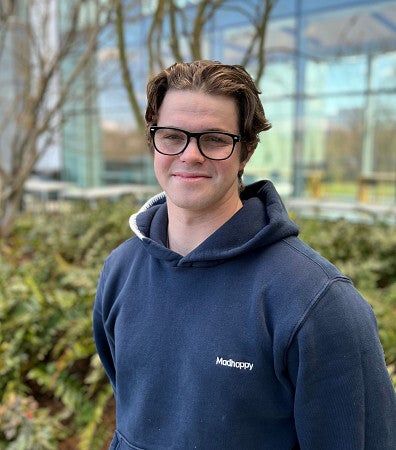
Knight Campus Undergraduate Scholar Max Tenenbaum is mentored by assistant professor Felix Deku.
Philanthropy
Impact of Giving
- One new endowed postdoctoral fellowship, the Rosaria Haugland Fellowship.
- 20 Knight Campus Undergraduate Scholars this year (our largest cohort yet!), all funded through philanthropy, including new first-time gifts from See-Yan Lam, Tom and Cathy Hui, Kip Leonard and Jody Miller.
- New fundraising initiative by a Knight Campus student research team, which resulted in $8,200 in gifts to support travel to Paris for the International Genetically Engineered Machine (iGEM) Grand Jamboree competition.
- First Innovation Fellowship, supported by Chris Lee, which will inspire additional giving to support entrepreneurship/innovation activities across the Knight Campus and Lundquist College of Business.
"I've always dreamed of being that person to be a part of something great but never realized it was something within my reach until I started my time at the Knight Campus."
— Max Tenenbaum
Tom and Cathy Hui Undergraduate Scholar
Philanthropy
Investing in Translational Science
When Chris MA '70 (Music) and Fred Johnson learned more about the Phil and Penny Knight Campus for Accelerating Scientific Impact, they decided to direct 100% of their estate to the Knight Campus Undergraduate Scholars and Bioengineering PhD Student Fellows programs. No strangers to giving, the couple created the William Clarency, Jr. and Mary Irene Chesney Scholarship Fund in 2016 in honor of Chris's mother, who was a passionate arts enthusiast. But after visiting the Knight Campus, they decided to expand their impact to fuel the UO's progress in the field of translational science.
"[The Knight Campus] seems so innovative," Chris said. "We need more bright students in our country doing this work."
Fred, whose degree is in industrial engineering, agreed. "I'm impressed with the bioengineering programs," Fred said. "And when I learned about the collaboration with Oregon State University, I felt this was the right investment to make."
Both Chris and Fred were instilled with the importance of education. And giving back. "It's important to give back what someone gave to you," Chris said. "Somebody believed in me and gave me a scholarship, and I think education is so important. It was my life for over 40 years."
When asked what specific challenges they would like the Knight Campus students to conquer, Chris quickly responded, "All of them!"
Explore the Knight Campus
Discover programs designed to accelerate scientific impact—from doctoral research to applied master's programs to hands-on innovation training for undergraduates.